5 Reasons Your Authentic Beef Rendang Recipe Fails
Let’s be brutally honest. You’re looking for an authentic beef rendang recipe with coconut milk. That tells me you already know that what most of the world calls “rendang” is a lie. It’s often a sad, pale brown, soupy “curry” that is an insult to the Minangkabau people who perfected this dish.
As a chef with over 30 years of experience, I’m here to tell you that the “coconut milk” in that keyphrase is the entire point. In fact, authentic rendang isn’t a stew. It’s a process. It’s a 4-to-6-hour marathon of caramelization and reduction where that coconut milk performs an act of pure culinary alchemy. The problem, however, is that 99% of people fail this process. They stop too early. They get scared. Or, they use the wrong milk. Consequently, they end up with a “stew.”
Today, we’re not just making a “recipe.” We are staging an intervention. We will go through the 3 sacred stages of reduction (Gulai, Kalio, and Rendang) and deconstruct the 5 common mistakes that are ruining your dish. This is not a “30-minute rendang.” This is the real beef rendang recipe with coconut milk. So, get a good book, put on some music, and let’s begin.
Expert Analysis: The “Bumbu” is the Soul
Before we even think about coconut milk, we must talk about the bumbu (the spice paste). This is the soul of your rendang. Based on our analysis, the video I’ve included below is essential viewing precisely because it focuses on this critical first step. A common mistake is using a weak, store-bought paste or, worse, not cooking your fresh paste properly.
Therefore, pay close attention at the 2:15 mark. See how the blended paste is fried in oil? See how it changes color from a bright, pale orange to a deep, dark red and the oil begins to separate? This is “menumis.” This is the practice terbaik. The heat is “blooming” the spices, removing the raw, grassy flavor, and building the first layer of profound, complex flavor. If you skip this and just “boil” your paste with the coconut milk, your rendang is doomed from the start. It will taste raw. It will be pale. This, in short, is your first foundation.
Source: Video Guide for Authentic Rendang on YouTube
The Rendang Philosophy: It’s NOT a Curry. It’s a 3-Stage Evolution.
The most kesalahan umum yang sering terjadi (common mistake) is thinking of rendang as a “curry.” It is not. Fundamentally, it is a preservation method. It’s a “dry” dish. For this reason, an authentic rendang begins as a curry, but that’s just its awkward teenage phase. Here is the 3-stage evolution you must understand.
H3: Stage 1: “Gulai” (The Curry Phase)
Time: 0 – 1.5 hours
What it looks like: This is when you’ve fried your bumbu and added the beef, the “wet” spices (lemongrass, galangal, etc.), and all that glorious coconut milk. It’s a soupy, boiling, pale-yellow liquid. Essentially, it is, for all intents and purposes, a Gulai (a classic Indonesian curry). It’s delicious, of course, but it’s not rendang. Your job here is to stir occasionally and let it simmer, reducing the liquid and tenderizing the beef.
H3: Stage 2: “Kalio” (The Thick Stew Phase)
Time: 1.5 – 3 hours
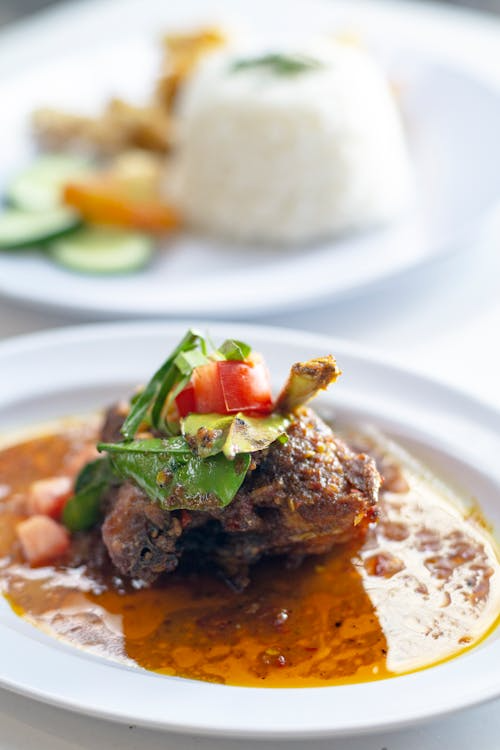
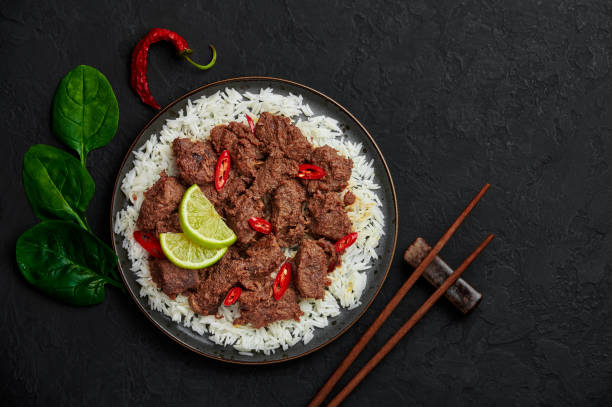
What it looks like: Over time, the liquid has reduced significantly. The sauce is thick, brown, and clinging to the beef. This is Kalio (or “wet rendang”). It’s absolutely delicious, and frankly, this is what 99% of restaurants in the West serve and call “rendang.” It is a lie. It’s a beautiful, delicious lie. However, it’s not authentic rendang, because the magic hasn’t happened yet. Your job here is to stir more frequently, as the thickening sauce can now stick and burn.
H3: Stage 3: “Rendang” (The Final Battle)
Time: 3 – 4+ hours
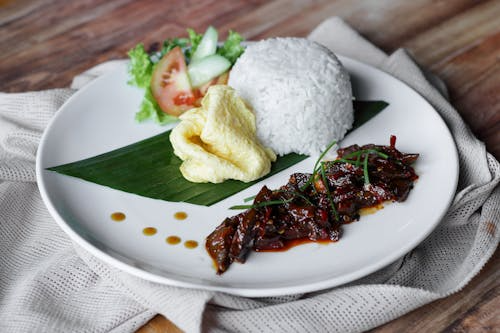
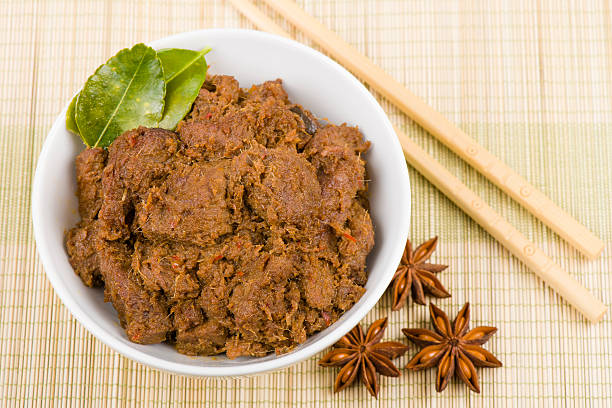
What it looks like: Ultimately, this is where the amateurs panic and the pros get to work. The water is now completely gone. The sauce “breaks.” The oil will visibly separate from the coconut solids (this is “pecah minyak”—the splitting of the oil). This is NOT a mistake! This is the GOAL! The beef is no longer boiling; it is now frying in its own spice-infused coconut oil. The coconut solids will darken, caramelize, and become a dark, gritty, oily paste called “dedak.” This is the final form. This is authentic rendang. Because of this, your job here is total commitment: you must stir constantly for the last 30-60 minutes to prevent the dedak from burning.
The 5 Sins of Coconut Milk (Why Your Recipe Fails)
Furthermore, your search for an “authentic beef rendang recipe with coconut milk” is pointless if you commit these cardinal sins. As a chef, these are the failures I see over and over.
H3: Sin 1: You Used “Lite” Coconut Milk
This is a fatal, non-recoverable error. To clarify, “Lite” coconut milk is a marketing scam; it’s just regular coconut milk with water added, and they charge you more for it. Rendang is fat. The fat is the point. Without the high-fat content of premium, full-fat coconut milk (or better yet, fresh “kental” milk), you will never achieve “pecah minyak.” As a result, you will just have a sad, watery, pale brown stew. You have failed.
H3: Sin 2: You Didn’t Use Enough
This is not a “low-fat” dish; instead, it’s a celebration. Consequently, for 1kg (2.2 lbs) of beef, you need an obscene amount of coconut milk. We are talking the equivalent of 1.5 to 2 liters of full-fat liquid, which comes from 8-10 fresh coconuts. If you are using canned, you need at least 4-5 cans of premium, full-fat (at least 17% fat) milk. If you cheap out, the sauce-to-beef ratio will be wrong, and the reduction will fail.
H3: Sin 3: You Were Scared of the “Pecah Minyak” (Oil Split)
Additionally, this is a psychological failure. Western cooking, especially European classic cuisine, drills into us that a “broken” or “split” sauce is a mistake. In rendang, however, it is the trophy. It is the sign that you have successfully evaporated all the water. That shimmering, red, spice-filled oil is what will preserve the beef. Do not panic. Do not try to “fix” it. You have just entered the final stage. Embrace the oil.
H3: Sin 4: You Stopped at “Kalio”
You got to Stage 2. For instance, the sauce was thick and brown. It looked “done.” You were tired. You were hungry. So you stopped. You served a perfectly delicious “Kalio.” But you did not serve rendang. The problem is, the true, authentic flavor—that dark, caramelized, almost-chocolatey, nutty flavor—only comes from Stage 3. It comes from frying the beef in the “dedak.” You gave up 10 feet from the gold.
H3: Sin 5: You Forgot the “Kerisik”
Finally, this is the secret weapon. Coconut milk is one thing. Kerisik is another. This is grated coconut, toasted in a dry pan until it’s a deep, dark brown, and then pounded in a mortar and pestle until it releases its oil and becomes a thick, dark, nutty paste. This is added during the “Kalio” stage. Based on our analysis, therefore, this is what gives rendang its signature nutty, smoky-sweet depth and its iconic “gritty” (in a good way) texture. An authentic recipe without kerisik is missing a piece of its soul.
The Definitive Authentic Beef Rendang Recipe With Coconut Milk
Therefore, this is a 4-hour-plus commitment. There are no shortcuts. This is the “practice terbaik.”
Ingredients: The “Bumbu” (Spice Paste)
This is the flavor base. You must blend this until it’s a smooth, wet paste.
- 15-20 Shallots (this is not a typo, SHALLOTS, not onions)
- 8-10 cloves Garlic
- 1.5 inch Galangal, sliced
- 1.5 inch Ginger, sliced
- 1 inch Fresh Turmeric, sliced (or 1 tbsp powder)
- 15-20 Dried Red Chilies, soaked in hot water, de-seeded (or use a fiery chili oil base)
- 1 tbsp Coriander Powder
- 1 tsp Cumin Powder
- 4-5 Candlenuts (for thickening)
- 1 tbsp Salt (I like Himalayan Salt)
Ingredients: The Aromatics & Main
- 1 kg (2.2 lbs) Beef Chuck or Brisket, cut into 2-inch cubes
- 4-5 cans (400ml each) Full-Fat (17%+) Canned Coconut Milk
- 1/2 cup Coconut Oil (for frying)
- 2 stalks Lemongrass, bruised (white parts only)
- 4-5 Kaffir Lime Leaves, torn
- 2-3 Salam Leaves (Indonesian Bay Leaf) – (optional, but authentic)
- 1 Turmeric Leaf, tied in a knot (the true authentic scent!)
- 1/2 cup Kerisik (Toasted Coconut Paste, see Sin #5)
- 2 tbsp Tamarind Paste (dissolved in 1/4 cup water)
- 1 tbsp Palm Sugar (or brown sugar)
Step-by-Step Instructions: The 3 Stages
Step 1: The “Bumbu” (The Prep)
First, blend all “Bumbu” ingredients with a bit of the oil until a perfectly smooth paste forms. Heat the rest of the coconut oil in a large, heavy-bottomed pot (like a Dutch oven). Fry the bumbu paste, lemongrass, kaffir lime leaves, salam leaves, and turmeric leaf. Then, fry on medium heat, stirring, for 10-15 minutes. It will darken, shrink, and “split” (pecah minyak). This is your flavor foundation.
Step 2: The “Gulai” (The Boil)
Next, add your beef cubes to the pot. Stir to coat in the fragrant paste. Cook for 5 minutes. Now, pour in all 4-5 cans of coconut milk. Bring to a gentle boil, then immediately reduce to a steady, active simmer. Critically, do not cover the pot. We want evaporation. Stir every 15-20 minutes. Go read a book. This is Stage 1. (Time: 1.5 hours)
Step 3: The “Kalio” (The Thicken)
After 1.5-2 hours, the milk will have reduced by half and be a thick, light-brown sauce. This is Stage 2: Kalio. The beef is getting tender. Now, you must stir more often (every 10 minutes) to prevent the bottom from scorching. (Time: 1.5 hours)
Step 4: The “Rendang” (The Final Battle)
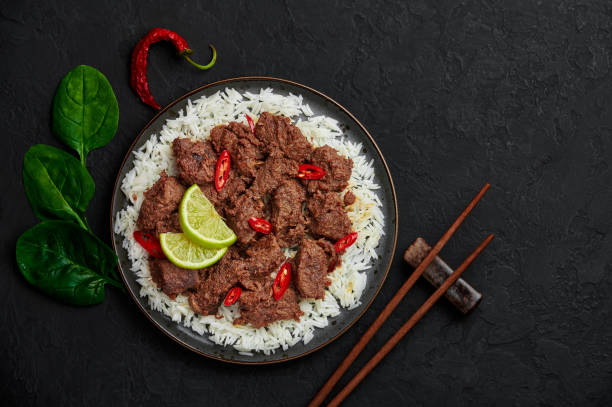
Finally, after ~3 hours, the magic happens. The sauce will “break.” The pecah minyak begins. You will see a lake of red oil separate from the darkening coconut solids. DO NOT PANIC. This is the goal. Now is the time to add your Kerisik, the tamarind paste, and the palm sugar. Turn the heat to medium-low. In fact, your job for the next hour is to stir. Not occasionally. Constantly. You are now frying the beef in the coconut oil and caramelizing the coconut solids. The color will change from brown to a deep, dark, almost-black mahogany. The “sauce” will be gone, replaced by a dark, gritty, oily paste (the dedak) that clings to the beef. When it’s dark, fragrant, and almost “dry,” you are done. You have achieved true, authentic rendang.
Master the Foundations: A Chef’s Guide to FlavorFrequently Asked Questions (FAQ)
1. What is the best coconut milk for beef rendang?
The “practice terbaik” is fresh, thick kental coconut milk. But for most, the best option is canned, full-fat (at least 17% fat) coconut milk. NEVER use “lite” coconut milk, as it’s just watered-down and will not allow the oil to split (“pecah minyak”).
2. Why is my rendang pale and not dark brown?
Because you didn’t cook it long enough. This is the most common mistake. You stopped at the Kalio (Stage 2) phase. The deep, dark brown color comes from Stage 3, which is 1-2 hours of constant stirring after the oil has split, allowing the coconut solids (dedak) to caramelize.
3. What is “pecah minyak” (oil splitting) and is it bad?
It is not bad; it is the goal of an authentic beef rendang recipe. It’s the sign that all the water from the coconut milk has evaporated, and the beef is now frying in the spice-infused coconut oil. This is the moment it transitions from a “stew” to a “rendang.”
4. What is Kerisik and is it absolutely necessary?
Kerisik is toasted, pounded coconut paste. For an authentic flavor, yes, it is 100% necessary. Based on our analysis, it adds a nutty, smoky, and deep flavor that coconut milk alone cannot provide. It’s the “secret weapon” of a perfect rendang.
5. How long does beef rendang last? Why does it get better?
Because the water is cooked out and the beef is preserved in oil, authentic (dry) rendang lasts for a week in the fridge, or months in the freezer. Furthermore, it tastes better on Day 2 and 3 because the spices have time to fully penetrate the beef fibers after the long, intense cooking process.