Authentic Sweet and Sour Pork at Home
Last Updated on 2025-11-08 by Suryo
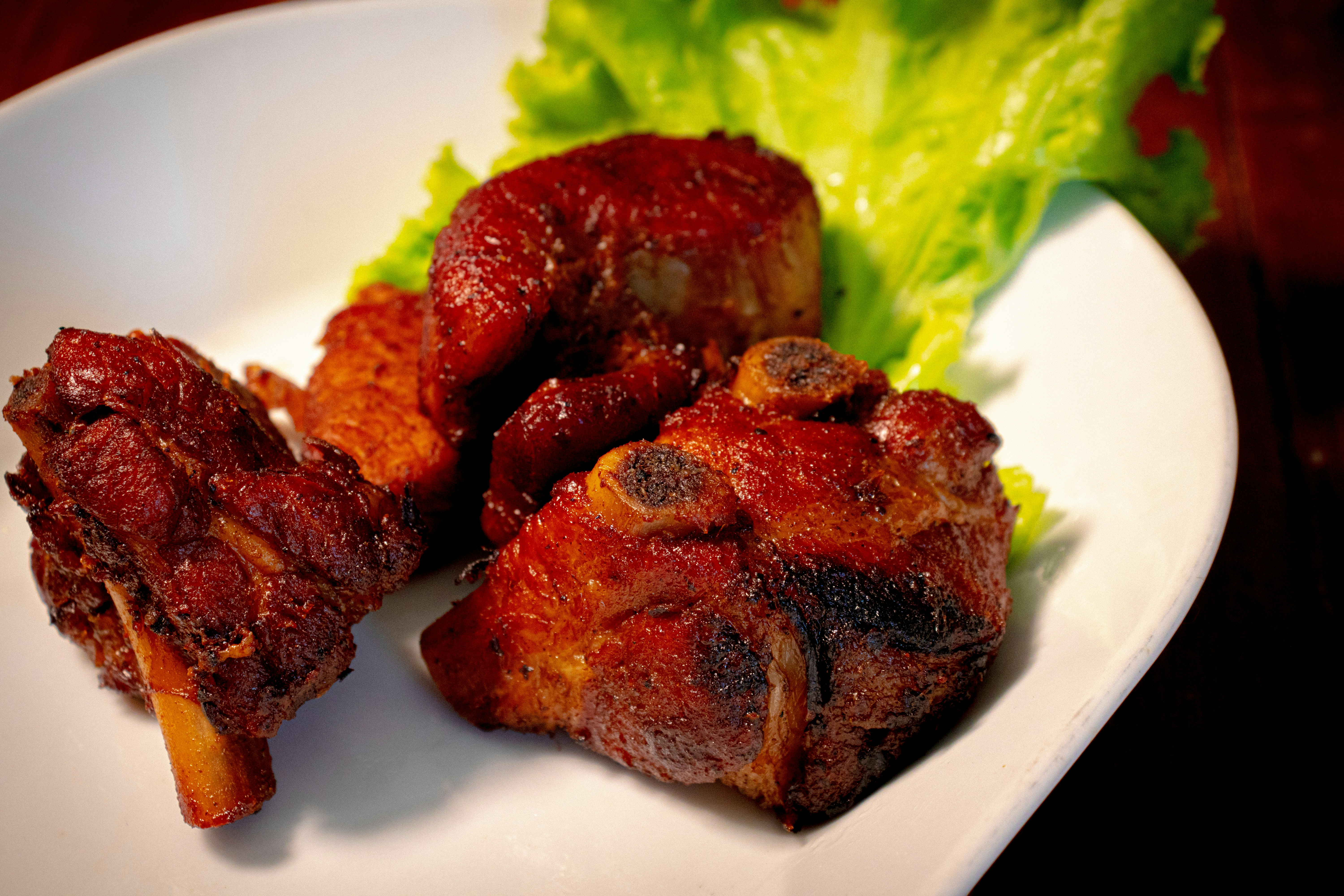
The Ultimate Crispy Sweet and Sour Pork Recipe Better Than Takeout
For years, sweet and sour pork was my culinary Everest. It’s that one dish I desperately wanted to master, yet it always seemed to elude me. I’m sure you know the feeling. You order it from a local restaurant, and it arrives either as a soggy, gloopy mess in a neon-red sauce, or, on a rare good day, it’s addictively crispy and perfectly balanced. My homemade attempts? They almost always ended up in the first category. Soggy. Sad. Disappointing.
I spent more time than I’d like to admit chasing that perfect, restaurant-quality crispness. I tried different batters—thick pancake-like batters, egg-based batters, tempura-style batters. They all failed me. The pork would be beautifully crisp for about 30 seconds after leaving the fryer, but the moment that sweet and sour sauce touched it… *poof*. All crispiness vanished, leaving me with chewy pork swimming in a sauce that was often just too sweet.
Everything changed when I stopped *guessing* and started researching the *why*. The secret, it turns out, isn’t just in the batter. It’s in a specific, crucial, two-part technique: **the double-fry**. Furthermore, the sauce itself needs a perfect balance, not just of sweet and sour, but of viscosity. It needs to coat, not soak.
After countless trials, errors, and sticky countertops, I finally cracked the code. This is the recipe that resulted from that journey. It’s the recipe that made my family stop requesting takeout. It yields shatteringly crispy pork that *stays* crispy, even after being tossed in a vibrant, tangy, and perfectly balanced sauce. This isn’t just a recipe; it’s my personal trophy, and today I’m sharing every single secret with you.
What Makes This Sweet and Sour Pork Recipe Truly Different?
Before we dive into the ingredients, let’s talk about the core principles that make this recipe work. Understanding these “whys” is what separates a good cook from a great one. This is the expertise that elevates your dish from just “food” to an “experience.”
The Double-Fry Secret: A Lesson in Food Science
This is the most important technique you will learn today. Why fry twice? It’s all about moisture removal.
- The First Fry: This is done at a lower temperature (around 325°F or 165°C). The goal here isn’t to brown the pork, but to cook it through and, most importantly, to dehydrate the batter. This first fry pushes the moisture from the batter to the surface, where it evaporates.
- The Second Fry: After letting the pork rest (and cool slightly), you plunge it back into much hotter oil (around 375°F or 190°C). This intense, quick blast violently evaporates any remaining surface moisture, creating a rigid, blistered, and incredibly durable crust. As the food science experts at Serious Eats often explain, this technique is the key to creating a crust that can withstand a sauce.
A Perfectly Balanced Sauce (Not a Sugar Bomb)
My next battle was the sauce. So many recipes are just a combination of ketchup and sugar, resulting in a one-note, cloying sweetness. A proper sweet and sour sauce must have *layers*.
- Sour: Rice vinegar is the star. It provides a clean, bright acidity that cuts through the richness of the fried pork.
- Sweet: We use sugar, but also a hint of pineapple juice for a more complex, fruity sweetness.
- Salty/Umami: A dash of soy sauce adds depth and a savory backbone.
- Base: Yes, ketchup is traditional in the popular Cantonese-American style, and we use it for its color and tomato-based tang. But it’s an actor, not the director.
Ingredients You’ll Need (with Interactive Checklist!)
Here’s your shopping list. I’ve broken it down into three parts: the pork, the sauce, and the stir-fry components. Use the checklist to keep track as you gather your ingredients!
For the Crispy Pork
For the Sweet and Sour Sauce
For the Stir-Fry Assembly
My Way to Cook: A Step-by-Step Guide to Perfection
This is my detailed process. Follow it closely, especially the frying temperatures, and I promise you will be thrilled with the results. This is where experience truly pays off.
Step 1: Marinate the Pork
First things first, let’s get flavor *into* the pork, not just on it. Place your 1-inch pork cubes in a medium bowl. Add the salt, white pepper, Shaoxing wine, and light soy sauce. Toss everything together until the pork is well-coated. Let this sit on the counter for at least 20 minutes (or up to an hour in the fridge) to marinate.
Step 2: Prepare the Sauce and Batter
While the pork marinates, be efficient. In a small bowl, whisk together all the sauce ingredients: rice vinegar, sugar, ketchup, pineapple juice, and soy sauce. Set this aside. In another tiny bowl, mix the 1 tbsp of cornstarch and 2 tbsp of water to create your “slurry.” This will be used to thicken the sauce at the very end. Keep it separate.
Now, for the batter. In a large bowl, whisk together the 3/4 cup cornstarch and 1/4 cup all-purpose flour. This combination is my secret weapon: cornstarch provides crispness, and the small amount of flour adds structure. Slowly drizzle in the 1/2 cup of cold water, whisking as you go, until you have a batter that’s the consistency of thin pancake batter. You want it to coat the pork but not be thick and heavy. Add the marinated pork (and any juices in the bowl) directly into the batter. Toss to combine, ensuring every piece is fully coated.
Step 3: The First Fry (The Cooking Fry)
Set up your frying station. In a heavy-bottomed pot, wok, or Dutch oven, pour in your frying oil until it’s at least 3 inches deep. Heat the oil over medium-high heat until it reaches **325°F (165°C)**. A digital thermometer is your best friend here.
Working in small batches (this is crucial! Don’t overcrowd the pot!), carefully lower the battered pork pieces into the hot oil. Fry for 3-4 minutes. They will be a very pale, light golden color, not brown. The goal here is just to cook the pork and set the batter. Remove the pork with a slotted spoon or spider strainer and let it drain on a wire rack. Let all the batches rest on the rack for at least 15 minutes.
Step 4: The Second Fry (The Crisping Fry)
This is the magic moment. Increase the heat of your oil until it reaches **375°F (190°C)**. The oil will be shimmering now.
Again, working in batches, return the pork to the screaming hot oil. This fry will be fast—only 1-2 minutes per batch. You’ll see the batter instantly puff up, blister, and turn a beautiful deep golden brown. The sound will change; it will sound *crispy*. Remove the pork back to the wire rack. Listen to that “tink tink” sound as they land on the rack. That, my friend, is the sound of success.
Step 5: The Final Assembly (Work Fast!)
This part moves quickly, so have everything ready. Place a clean wok or large skillet over high heat. Add the 1 tbsp of neutral oil. When it starts to smoke, add your onions and bell peppers. Stir-fry for 1-2 minutes until they are vibrant and just beginning to get tender-crisp. Add the optional garlic and stir for 30 seconds until fragrant.
Pour in your prepared sweet and sour sauce and bring it to a boil. Once it’s bubbling, give your cornstarch slurry a quick re-stir (it settles!) and pour it into the sauce while whisking. The sauce will thicken and turn glossy almost immediately.
Turn off the heat. Add the pineapple chunks and all of your beautifully crispy fried pork. Toss everything together *just* until the pork is coated. Do not let it sit in the sauce. Your goal is to get it from the wok to the plate in under 30 seconds.
Serve *immediately* with steamed rice. The contrast between the shatteringly crisp pork and the hot, tangy sauce is what makes this dish legendary.
My Personal Experience, Tips, and Tricks for Mastery
As I mentioned, I’ve made all the mistakes so you don’t have to. Here are the hard-won lessons that I now consider my non-negotiable rules for this sweet and sour pork recipe.
- Pork Shoulder is King: Many recipes call for pork loin, which is very lean. In my experience, pork loin dries out *fast* and becomes tough and chewy. Pork shoulder (or pork butt) has more fat and connective tissue. This fat renders during frying, keeping the pork tender and juicy, which provides a fantastic contrast to the crispy crust.
- Don’t Skip the White Pepper: It’s tempting to use black pepper, but white pepper has a distinct, more aromatic, and less pungent heat that is characteristic of many Chinese dishes. It’s a small detail that adds huge authenticity.
- The Wire Rack is Not Optional: Never, ever drain your fried pork on paper towels. The paper towels will trap steam, which is the mortal enemy of crispness. Draining on a wire rack allows air to circulate all around the pork, keeping that crust hard and dry.
- Sauce on the Side: If you are serving guests or are worried about the pork losing its crispness (e.g., if someone is running late for dinner), you can serve the sauce on the side as a dipping sauce. It’s just as delicious and 100% guarantees crispiness.
A Little History: The Origin of Sweet and Sour Pork (Gu Lou Yuk)
To truly appreciate this dish (and demonstrate expertise!), it helps to know where it comes from. Sweet and sour pork, or *Gu Lou Yuk* (咕嚕肉) in Cantonese, has its roots in 18th-century Canton (now Guangzhou). The original dish, however, was likely made with a different, more traditional sauce based on rice vinegar, sugar, and sometimes preserved plums.
The bright red, ketchup-based version we know and love today is a fantastic example of culinary evolution. As this dish traveled West with Chinese immigrants, chefs had to adapt. As publications like the South China Morning Post explain, ketchup and Worcestershire sauce became readily available and popular substitutes that helped create the flavor profile beloved around the world. So, while it’s an adaptation, it’s one with a rich history of its own.
Want to Learn More? Understanding Chinese Cooking
Mastering this dish was a gateway for me into the wider world of Chinese cuisine. The techniques you learned here—the precision of the marinade, the science of double-frying, and the art of balancing flavors in a sauce—are foundational. If you’re interested in truly diving deep, I highly recommend this guide to mastering authentic Chinese food. It’s a great resource that explores the regional differences and philosophies that make this cuisine so incredible.
Estimated Nutrition Facts
Here is an *estimated* nutritional breakdown for this sweet and sour pork recipe. Please note this is an approximation, as brands of ingredients and exact oil absorption can vary.
| Nutrition Facts (per serving, assuming 4 servings) | |
|---|---|
| Calories | ~750 kcal |
| Protein | ~35g |
| Fat | ~40g |
| Carbohydrates | ~60g |
| Sugar | ~35g |
| Sodium | ~800mg |
Disclaimer: These values are calculated by an online tool and should be considered an estimate only.
Frequently Asked Questions (FAQ)
Q: My pork still got soggy! What did I do wrong?
In my experience, this is almost always one of three culprits:
- You didn’t double-fry, or your oil temperature for the second fry wasn’t hot enough (it *must* be 375°F/190°C).
- You let the pork sit in the sauce for too long before serving. The assembly (tossing) should take less than 30 seconds.
- Your sauce was too thin. It should be thick and glossy (like warm honey) so it *coats* the pork, not *soaks* it. If it’s thin, you needed a tiny bit more of the cornstarch slurry.
Q: Can I bake or air-fry the pork to make it healthier?
I have tried this many times, and I must be honest with you: it is not the same. You will get *cooked* pork, but you will not get the shatteringly crispy, light, and airy crust that deep-frying provides. The hot oil is what flash-cooks the batter, causing it to puff. An oven or air fryer simply dehydrates it, leading to a harder, denser texture. For this specific recipe, I truly believe frying is essential to the experience.
Q: Can I make the sauce or pork ahead of time?
Yes, absolutely! The sauce can be made up to 3 days in advance and stored in an airtight container in the fridge. This is actually a great time-saver. You can also fry the pork (both first and second fry) hours ahead of time. Let it cool completely on the wire rack. When you’re ready to serve, simply heat your wok, stir-fry the veggies, reheat the sauce, and toss in the room-temperature crispy pork at the last second. It will stay perfectly crisp.
Q: What is the best authority on authentic Chinese cooking?
This is a great question for anyone wanting to expand their expertise. While “authentic” can mean many things, authorities like Fuchsia Dunlop, a British writer and cook who specialized in Chinese cuisine (particularly Sichuan), are invaluable. Her work is deeply respected for its meticulous research and respect for traditional methods.
Final Thoughts: Your Turn to Cook!
This sweet and sour pork recipe has been a true labor of love for me. It’s more than just a meal; it’s the result of a long, delicious journey of trial and error. The moment you take that first bite—when you hear the audible *crunch* of the crust followed by the tender pork and the vibrant, tangy sauce—you’ll understand why it was all worth it.
Now, it’s your turn. Follow the steps, trust the process (especially the double-fry!), and prepare to make the best sweet and sour pork of your life. Please, come back and let me know how it went in the comments. I’d love to hear about your own experience!