Easy Homemade Teriyaki Sauce: Better Than Store-Bought

Last Updated on 2025-10-28 by Suryo

Easy Homemade Teriyaki Sauce: Better Than Store-Bought

Walk down any international aisle in a supermarket, and you’ll inevitably encounter a bewildering array of bottled teriyaki sauces. While convenient, these often pale in comparison to the real thing. If you’re searching for a truly authentic teriyaki sauce recipe, you understand that the soul of this Japanese classic lies in its elegant simplicity and perfect balance. As a chef with decades immersed in global cuisines, I find the disparity between commercial teriyaki and the traditional version quite stark. Most bottled sauces are overly sweet, artificially thickened, and lack the nuanced depth of a homemade preparation.

Consequently, this is far more than just another recipe listing. This is a comprehensive, 2500-word exploration designed to guide you toward mastering the quintessential authentic teriyaki sauce recipe. We will delve into the cultural context and meaning of “teriyaki,” meticulously dissect the crucial core ingredients, illuminate the simple yet critical techniques for achieving that perfect balance and signature gloss, and explore its versatile applications far beyond the ubiquitous chicken teriyaki. Prepare to elevate your cooking and leave those disappointing store-bought bottles behind forever.

Furthermore, our focus will remain steadfastly on the authentic Japanese foundation. We aim to provide you with a versatile base sauce recipe that masterfully achieves the delicate equilibrium of sweet, savory, and umami, along with that characteristic lustrous sheen. This real homemade teriyaki sauce is not merely superior in taste; crucially, it grants you complete control over the quality of ingredients and the final, nuanced flavor profile. Indeed, understanding this fundamentally simple yet profound sauce serves as an excellent gateway to appreciating the subtleties of Japanese culinary arts, a world quite distinct from the bold flavors often found when mastering authentic Chinese food.

Table of Contents

Understanding the Essence: What Does “Teriyaki” Truly Mean?

Before embarking on crafting the authentic teriyaki sauce recipe, it is essential to understand the term itself. “Teriyaki” (照り焼き) in Japanese refers primarily to a cooking technique, rather than just the sauce itself. Let’s break down the components:

  • Teri (照り): This component refers to the characteristic “luster,” “shine,” or “gloss” imparted to the food. This sheen is achieved as the sugars within the soy sauce and mirin glaze caramelize beautifully during the cooking process.
  • Yaki (焼き): This component simply refers to the cooking method employed, which traditionally involves grilling, broiling, or sometimes pan-frying.

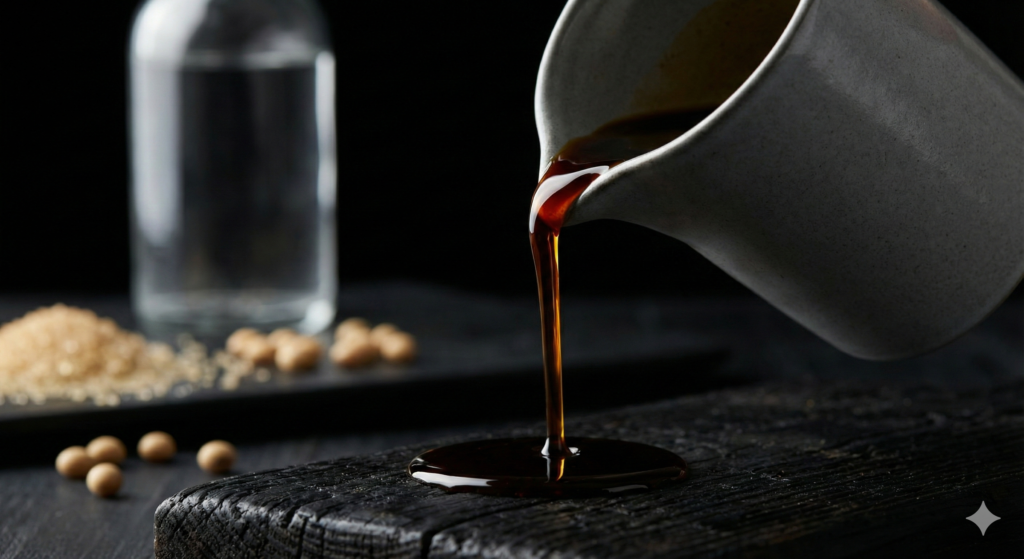
Therefore, in its most traditional sense, teriyaki sauce functions as a glaze that is brushed onto food—typically fish or meat—while it cooks over direct heat. This repeated application allows the sugars to caramelize layer by layer, creating that beautiful, appetizing sheen and deeply savory-sweet flavor. It is not typically employed as a thick, gloopy dipping sauce or a heavy, overnight marinade in classic Japanese culinary practices, although many Western adaptations frequently utilize it in these ways. An authentic japanese teriyaki sauce recipe often results in a liquid that is considerably thinner and more refined than many commercially produced versions.

A very common mistake involves assuming that teriyaki sauce must inherently possess a thick, molasses-like consistency. In truth, authentic teriyaki derives its body primarily from the natural process of reduction and the caramelization of its inherent sugars, not necessarily from the addition of external thickening agents like cornstarch (though a minimal amount can sometimes be used judiciously if a slightly thicker glaze is specifically desired).

The Foundational Quartet: Essential Ingredients for Authentic Teriyaki Sauce

The remarkable beauty of a truly authentic teriyaki sauce recipe lies significantly in its inherent simplicity. The classic, foundational recipe relies almost exclusively on just four key components, typically used in roughly equal proportions. However, the quality of these specific ingredients is absolutely paramount to achieving the correct flavor profile.

1. Soy Sauce (Shoyu – 醤油): The Savory Soul

This provides the indispensable salty, umami backbone that defines the sauce’s character.

  • Quality is Non-Negotiable: Always use a high-quality, naturally brewed Japanese soy sauce. Reputable brands such as Kikkoman, Yamasa, or San-J represent excellent choices that are readily available worldwide. Crucially, avoid generic “soy sauce” products or those produced chemically, as they lack the necessary depth of flavor and can often taste harsh or artificial.
  • Specific Type: Standard Japanese soy sauce (known as koikuchi shoyu) is perfectly suited for this application. Low-sodium versions are also acceptable if you are carefully monitoring your salt intake, although you might need to slightly adjust the sweetness level to compensate.
  • Its Role: Primarily, soy sauce contributes essential saltiness, profound savory umami (derived from the fermentation of soybeans and wheat), and also lends the sauce its characteristic dark, appealing color.

2. Mirin (味醂): The Secret to Gloss and Complexity

This ingredient is arguably the secret weapon for achieving both authentic flavor and the signature glossy finish.

  • What It Is: Mirin is a type of sweet Japanese rice wine characterized by a lower alcohol content and significantly higher sugar content compared to sake. It possesses a unique, complex sweetness coupled with a subtle tang.
  • Important Types:
    • Hon-Mirin (“True Mirin”): This variety contains approximately 14% alcohol and is produced through natural fermentation processes. Consequently, it offers the best, most complex, and nuanced flavor.
    • Aji-Mirin (“Mirin-like Seasoning”): This more common, cheaper alternative contains very little alcohol (typically less than 1%) and often includes added sweeteners like corn syrup, along with salt. While widely available, its flavor is noticeably less nuanced than hon-mirin. Use it if absolutely necessary, but hon-mirin is unequivocally superior for an authentic teriyaki sauce recipe.
  • Its Role: Mirin provides sweetness (derived from complex sugars formed during fermentation, not just simple sucrose), contributes necessary acidity for balance, helps to tenderize proteins it comes into contact with, and crucially, contains sugars that caramelize beautifully under heat, creating the signature “teri” (luster). Effectively substituting mirin remains one of the biggest challenges in replicating the true flavor; its contribution extends far beyond mere sweetness.
SEE ALSO :  5 Easy Steps Making Homemade Pink Salt Body Scrub

3. Sake (酒): Adding Depth and Umami

This ubiquitous Japanese rice wine introduces essential depth, umami, and complexity to the sauce.

  • Appropriate Type: Use a dry sake that is suitable for cooking purposes. You certainly don’t require an expensive premium drinking sake for this application, but actively avoid generic “cooking sake” varieties that often contain added salt, which will throw off your seasoning. A simple, inexpensive dry Junmai sake is generally perfect.
  • Its Role: Sake contributes additional umami notes, helps to mellow any potential harshness from the soy sauce, further aids in tenderizing meat, and its alcohol content assists other flavors in penetrating deeper into the ingredients. Importantly, the alcohol itself evaporates completely during the simmering process, leaving only its desirable flavor compounds behind.

4. Sugar (Satō – 砂糖): The Balancing Sweetness

Sugar provides the primary, straightforward sweetness needed to effectively balance the intense saltiness of the soy sauce and the inherent acidity of the mirin and sake.

  • Standard Type: Simple granulated white sugar remains the most common and traditional choice. Its neutral flavor profile allows the distinct characteristics of the soy sauce, mirin, and sake to shine through clearly.
  • Less Traditional Alternatives: While not authentic, brown sugar can be used, adding a noticeable molasses undertone. Honey or maple syrup are also possibilities but will significantly alter the final flavor profile, moving it away from classic Japanese teriyaki.
  • Its Role: Primarily, sugar balances the dominant saltiness and subtle acidity. Additionally, it actively aids in the crucial caramelization process and contributes to the sauce thickening naturally through reduction during simmering.

This foundational quartet—soy sauce, mirin, sake, and sugar—forms the indispensable basis of the best teriyaki sauce recipe. Many popular variations simply build upon this essential core structure.

Optional (But Highly Recommended) Aromatic Enhancements

While the classic four ingredients alone create a wonderfully pure and authentic teriyaki sauce recipe, the addition of fresh aromatics has become incredibly popular, particularly in Westernized interpretations, and undoubtedly adds delightful complexity. Incorporating these is often part of an easy authentic teriyaki sauce approach favored by many home cooks.

1. Fresh Ginger (Shōga – 生姜)

Fresh ginger introduces a warm, pungent spice and a distinct brightness that effectively cuts through the richness of the sauce and adds a layer of fragrant complexity. The best practice unequivocally involves using freshly grated ginger for maximum impact. Utilize a microplane or a fine grater to create a smooth paste that incorporates seamlessly into the liquid sauce. Critically, avoid substituting dried ginger powder, as it possesses a considerably duller and fundamentally different flavor profile.

2. Fresh Garlic (Ninniku – ニンニク)

Fresh garlic contributes a familiar pungent, savory depth that complements the other ingredients beautifully. Similar to ginger, employing freshly grated or very finely minced garlic provides the most vibrant and desirable flavor. Again, garlic powder is generally not considered a suitable substitute in this particular application if aiming for the best results.

When to Incorporate Aromatics: These fresh aromatics are typically added directly to the saucepan along with the four core liquid ingredients at the beginning of the process. They are then gently simmered within the sauce to allow their flavors to fully infuse. Some cooks prefer to strain the finished sauce to remove the solid aromatic pieces for a perfectly smooth texture, while others choose to leave them in for added texture and continued flavor infusion during storage.

Common Mistakes to Avoid When Making Teriyaki Sauce

Crafting the truly best teriyaki sauce recipe is straightforward in principle, yet certain pitfalls commonly trip up novice cooks. Based on our extensive analysis and experience, actively avoid these frequent errors:

  • Using Low-Quality Soy Sauce: This inevitably results in a sauce that tastes harsh, overly salty, one-dimensional, and generally unpleasant. Always invest in a decent, naturally brewed brand.
  • Making Poor Substitutions for Mirin: Attempting to replace mirin with simple sugar water or corn syrup completely misses the vital complexity, subtle acidity, and unique gloss that authentic mirin provides. A mixture of dry sake and sugar (approx. 3:1 ratio) serves as a better, though still imperfect, substitute if hon-mirin is absolutely unavailable.
  • Burning the Sugar During Simmering: Remember, teriyaki sauce contains a significant amount of sugar from both the added sugar and the mirin. Simmering the sauce over heat that is too high will inevitably cause the sugar to scorch rapidly, resulting in a bitter, burnt, and frankly ruined sauce. Gentle, controlled heat is absolutely crucial throughout the process.
  • Over-Thickening with Cornstarch Prematurely: While a small amount of cornstarch slurry (cornstarch mixed with cold water) can legitimately be used right at the very end to achieve a thicker sauce consistency (especially favored in American-style teriyaki), adding too much, too soon, will invariably create an unappetizingly goopy, unnatural texture. Authentic Japanese teriyaki often relies solely on natural reduction for its desired thickness and gloss.
  • Not Simmering Long Enough for Flavor Meld: Simply combining the raw ingredients in the pan is insufficient. A gentle simmer, typically lasting 10-15 minutes, is necessary to fully dissolve the sugar, effectively cook off the raw alcohol taste from the sake and mirin, and allow all the intricate flavors to meld harmoniously while the sauce slightly reduces and thickens.
  • Using Powdered Ginger or Garlic: The resulting flavor profile when using dried, powdered aromatics is vastly inferior and fundamentally different compared to the vibrant, pungent notes provided by their fresh counterparts. Always use fresh whenever possible for the best teriyaki sauce recipe.

Keys to the Best Homemade Authentic Teriyaki Sauce Recipe

  • Quality Ingredients are Absolutely Non-Negotiable: Prioritize using good quality Japanese soy sauce, hon-mirin (if accessible), and a decent dry sake.
  • Master the Fundamental Ratio: The classic, reliable foundation involves roughly equal parts soy sauce, mirin, and sake, with sugar added to taste (often starting with half the volume of the liquids).
  • Gentle, Controlled Heat is Crucial: Simmer the sauce slowly and patiently to completely dissolve the sugar, harmoniously meld the flavors, and crucially, prevent scorching.
  • Reduction Naturally Creates Gloss and Body: Allowing the sauce to simmer and reduce concentrates the flavors and naturally develops the signature “teri” (shine or luster).
  • Fresh Aromatics Significantly Elevate: Incorporating freshly grated ginger and garlic adds considerable complexity, brightness, and fragrance to the finished sauce.
SEE ALSO :  Easy Homemade Teriyaki Sauce: Better Than Store-Bought

The Ultimate Authentic Teriyaki Sauce Recipe (How-To)

This meticulously crafted recipe provides the classic Japanese foundation and thoughtfully includes optional aromatics for achieving maximum flavor impact. It typically yields approximately 1.5 cups of versatile sauce. This is your definitive guide on how to make teriyaki glaze from scratch or sauce perfection.

Ingredients:

  • 1/2 cup high-quality Japanese Soy Sauce (Shoyu)
  • 1/2 cup Mirin (preferably Hon-Mirin for best flavor)
  • 1/2 cup Sake (dry, suitable for cooking)
  • 1/4 cup Granulated Sugar (you can adjust this up to 1/2 cup for a sweeter, more American-style sauce, but start with 1/4 cup for better balance)
  • Optional Aromatics (Highly Recommended):
    • 1 tablespoon freshly grated Ginger
    • 2 cloves Garlic, freshly grated or very finely minced
  • Optional Thickener (Use Sparingly, if desired for glaze):
    • 1 teaspoon Cornstarch thoroughly mixed with 1 tablespoon cold Water (this creates a slurry)

Step-by-Step Instructions for the Sauce:

Step 1: Combine the Core Liquid Ingredients

In a medium-sized saucepan, carefully combine the Japanese soy sauce, the mirin, the sake, and the granulated sugar. If you have opted to use them, add the freshly grated ginger and garlic to the saucepan at this stage as well.

Step 2: Gently Dissolve the Sugar Over Low Heat

Place the saucepan over a medium-low heat setting. Stir the mixture gently but constantly just until the sugar granules have completely dissolved into the liquids. It is important not to let the mixture come to a boil during this stage; the primary goal here is simply to dissolve the sugar thoroughly without any risk of scorching it.

Step 3: Simmer Gently to Meld Flavors and Achieve Gloss

Once you are certain the sugar is fully dissolved, increase the heat slightly, just enough to bring the mixture to a gentle simmer (characterized by small, infrequent bubbles breaking the surface). Immediately reduce the heat again to the lowest setting necessary to maintain this very gentle simmer.

Allow the sauce to simmer undisturbed for approximately 10-15 minutes. During this crucial simmering period, several important transformations occur:

  • The raw alcohol notes from the sake and mirin will effectively cook off and evaporate.
  • The various individual flavors will meld together harmoniously, deepening and becoming more complex.
  • The sauce will naturally reduce slightly through evaporation, causing it to thicken and develop its characteristic attractive gloss or “teri.” Remember to occasionally skim off any foam or impurities that might rise to the surface during simmering.
Keep in mind that the longer you allow the sauce to simmer, the thicker and more glaze-like its final consistency will become. For a thinner sauce consistency, perhaps more suitable for use in marinades, 10 minutes of simmering might suffice. Conversely, for a noticeably thicker glaze intended for brushing onto grilled items, aim for 15 minutes or slightly longer, or until it lightly coats the back of a spoon.

Step 4: Optional Thickening Step (For American-Style Glaze)

If you specifically desire a significantly thicker sauce consistency, perhaps closer to many commercially bottled versions often found in Western supermarkets, you can employ the optional cornstarch slurry at this point.

  1. First, ensure the cornstarch is completely dissolved in the cold water, with no lumps remaining.
  2. While the teriyaki sauce is still simmering very gently in the saucepan, slowly whisk in about half of the prepared slurry.
  3. Continue to simmer the sauce for an additional 1-2 minutes, whisking constantly, until you observe it thickening noticeably. If you desire an even thicker consistency, carefully whisk in the remaining slurry.
  4. Important Considerations: Remember that cornstarch needs to simmer briefly not only to cook out its raw, starchy taste but also to reach its maximum thickening potential. Furthermore, keep in mind that the sauce will continue to thicken significantly as it cools down. Therefore, it’s always prudent to start by adding less slurry than you initially think you might need; you can always add more if necessary. This thickening technique is quite similar to methods commonly used in Chinese cooking, representing a core skill useful for creating the perfect stir-fry sauce.

Step 5: Cool Thoroughly and Store Properly

Remove the saucepan containing your finished teriyaki sauce from the heat source. Allow the sauce to cool completely at room temperature. Be aware that as it cools, its viscosity will increase further. Once fully cooled, carefully transfer the sauce into an airtight glass jar or bottle for storage. Properly stored in the refrigerator, your delicious homemade teriyaki sauce will typically remain fresh and flavorful for several weeks, or often even a couple of months, thanks to the preservative properties of its high salt and sugar content.

Versatile Ways to Use Your Authentic Homemade Teriyaki Sauce

Now that you have successfully crafted the truly best teriyaki sauce recipe, a world of delicious possibilities awaits! Always remember its origin primarily as a cooking glaze.

Classic Glazing Application (The “Yaki” Technique)

This remains the most authentic and traditional application.

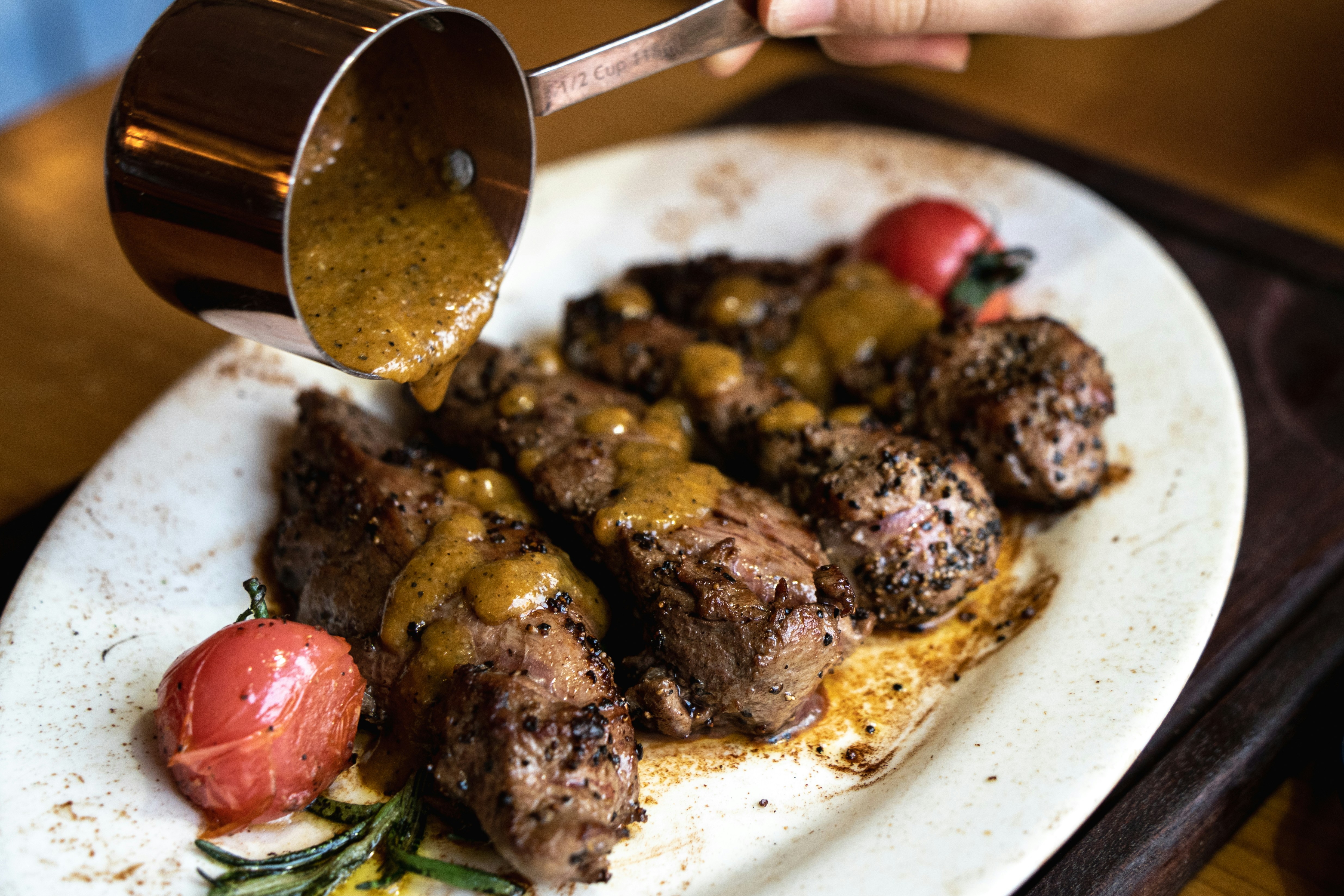
  • For Grilling or Broiling: Cook your chosen protein (such as chicken thighs, salmon fillets, beef skewers, or sliced pork) using high heat until it is almost fully cooked through. During the final few minutes of cooking time, brush the protein generously with your homemade teriyaki sauce. The intense heat will effectively caramelize the sugars present in the sauce, creating a beautiful, glossy, deeply flavorful crust. Continue to brush on another layer or two as it finishes cooking for maximum impact.
  • For Pan-Frying: Sear your protein thoroughly in a hot pan. Once it’s cooked to your liking, reduce the heat significantly, pour in a sufficient amount of teriyaki sauce, and allow it to bubble gently and reduce slightly, turning the protein frequently to ensure it becomes evenly coated in the luscious glaze.

Enhancing Stir-Fries

While not strictly traditional Japanese practice, teriyaki sauce adds a fantastic sweet-savory dimension to many stir-fries. Incorporate it near the very end of the cooking process, tossing everything quickly to coat evenly. Because the sauce contains a significant amount of sugar, exercise caution to avoid burning it over excessively high heat. Consider it more as a finishing sauce rather than a primary cooking liquid in this particular application.

Flavorful Marinades

Your homemade teriyaki sauce, especially the version enriched with fresh ginger and garlic, makes an absolutely excellent marinade. The synergistic combination of soy sauce, sake, and mirin works effectively to both flavor and tenderize the meat. Marinate proteins like chicken, beef, or pork for at least 30 minutes at room temperature, or preferably up to overnight in the refrigerator for deeper flavor penetration. Important Note: Due to the sugar content, always remember to wipe off any excess marinade clinging to the surface of the meat before grilling or broiling to minimize excessive charring or burning.

Other Creative and Delicious Uses

  • Glazed Vegetables: It tastes fantastic when brushed onto grilled vegetables such as eggplant slices, mushrooms, or asparagus spears during the last few minutes of cooking.
  • Flavorful Meatballs: Simmer pre-cooked meatballs (beef, pork, or chicken) gently in your teriyaki sauce for an incredibly easy yet impressive appetizer.
  • Unique Burger Glaze: Brush a layer onto your burger patties during the final minute or two of cooking on the grill or stovetop for an unexpected flavor twist.
  • Simple Noodle Bowls: Drizzle generously over plain cooked noodles combined with steamed vegetables and your choice of protein for a quick, satisfying meal.

Troubleshooting Your Homemade Teriyaki Sauce

Even the simple best teriyaki sauce can occasionally encounter minor issues. Here’s a quick guide to fixing common problems that may arise:

  • Problem: The sauce tastes excessively salty.
    Solution: This likely occurred because you used a particularly salty brand of soy sauce or perhaps reduced the sauce too much, concentrating the salt. To remedy this, simply add a splash more mirin (for sweetness and acidity) and a little plain water or unsalted broth to dilute the saltiness. Adding a tiny pinch more sugar can also help balance the perception of saltiness. For future batches, consider starting with a low-sodium soy sauce.
  • Problem: The sauce tastes overly sweet.
    Solution: To counteract excessive sweetness, add a splash more soy sauce (for salt and umami) or introduce a tiny drop of plain rice vinegar (avoiding Chinese Chinkiang vinegar in this case) to add a balancing acidic counterpoint. Next time you make it, simply start with a smaller amount of sugar in the initial mixture.
  • Problem: The sauce isn’t thick enough for my liking.
    Solution: You have two primary options: either continue to simmer the sauce gently for a longer period to allow further reduction (this is the best option for intensifying flavor concentration) or employ the optional cornstarch slurry method as detailed previously in Step 4. Always remember that the sauce will naturally thicken quite a bit more as it cools down.
  • Problem: The sauce has a bitter or burnt taste.
    Solution: Unfortunately, this almost certainly indicates that the sugar content scorched during the simmering process, likely due to excessive heat. There is generally no effective way to salvage burnt sugar flavor. The best course of action is usually to discard the batch and start again, paying much closer attention to maintaining a lower heat and stirring more frequently, especially during the initial stage when the sugar is dissolving.

Conclusion: Unlock Authentic Japanese Flavor, Simply and Deliciously

Ultimately, making your own authentic teriyaki sauce recipe stands as one of the easiest yet most profoundly rewarding upgrades you can introduce into your home cooking routine. With just four essential, high-quality core ingredients and a straightforward simmering process, you effectively unlock a world of genuine Japanese flavor that consistently surpasses virtually any store-bought alternative. Furthermore, it is incredibly versatile, undeniably delicious, and reassuringly free from artificial additives or excessive thickeners.

By truly understanding the specific role played by each key ingredient—the deep savory foundation of shoyu, the complex sweetness and gloss imparted by mirin, the subtle umami boost provided by sake, and the crucial balancing act performed by sugar—you transition from merely following a recipe to actively crafting nuanced flavor. This remarkably easy authentic teriyaki sauce serves as a powerful testament to the elegant Japanese culinary philosophy of extracting maximum deliciousness from minimal, yet high-quality, ingredients. Embrace its inherent simplicity, carefully control the heat during preparation, and savor the consistently delicious results in your cooking.

Mastered Teriyaki? Ready to explore the next level of sauces?

Dive into the foundational techniques that underpin all great cooking. Elevate your skills with our essential guide to stocks and sauces.

Master Stocks & Sauces Now

FAQ: Authentic Teriyaki Sauce Recipe

1. What is the difference between teriyaki sauce and teriyaki glaze?

Frequently, these terms are used interchangeably in casual conversation. However, speaking technically, a glaze is typically characterized by a thicker consistency. This thickness is achieved either through a longer reduction period during simmering or sometimes via the addition of a thickening agent like cornstarch. Glazes are usually brushed onto food during the final stages of cooking to create a shiny coating. Conversely, a teriyaki sauce might possess a slightly thinner consistency and could also function effectively as a marinade or a finishing sauce drizzled over a completed dish. Our versatile authentic teriyaki sauce recipe can be easily adjusted to achieve either desired consistency simply by controlling the total simmering time.

2. Can I substitute mirin? It seems hard to find!

Successfully substituting mirin presents a challenge because its flavor profile is uniquely complex, contributing more than just sweetness. Unquestionably, the best practice involves seeking out and using genuine Hon-Mirin (“true mirin”) for the most authentic results. However, if you absolutely cannot find it, a commonly suggested (though admittedly imperfect) substitute involves mixing dry sake (or even a very dry white wine as a last resort) with granulated sugar, typically in about a 3-to-1 ratio (three parts sake to one part sugar). Be aware that this substitution won’t possess the same depth of flavor or create the identical level of characteristic gloss, but it generally yields a better result than merely using plain sugar water.

3. How long does homemade teriyaki sauce last in the refrigerator?

Fortunately, due to the high concentration of natural preservatives—namely salt (from the soy sauce) and sugar—homemade teriyaki sauce demonstrates considerable stability. When stored properly in an airtight container within the refrigerator, it should easily remain fresh and flavorful for several weeks, and potentially for as long as 2-3 months. As with any preserved food, it’s always wise to perform a quick visual inspection and sniff test if you have any doubts about its freshness, but generally, it preserves remarkably well under refrigeration.

4. Is Japanese soy sauce different from Chinese soy sauce for this recipe?

Yes, there are significant differences relevant to this recipe. Japanese soy sauce (shoyu) is typically brewed using a blend of roughly equal parts soybeans and wheat. This process generally results in a flavor profile that is slightly sweeter, more nuanced, and less aggressively salty compared to many common Chinese soy sauces (which often utilize a higher proportion of soybeans relative to wheat, or are sometimes produced using chemical methods). Therefore, for achieving the most authentic japanese teriyaki sauce recipe flavor, utilizing a quality Japanese shoyu is highly recommended.

5. Why does my teriyaki sauce tend to burn easily when I cook with it?

This occurs primarily because the sauce contains a significant amount of sugar, originating from both the added granulated sugar and the natural sugars present in the mirin. Sugar caramelizes relatively quickly but then proceeds to burn quite rapidly when exposed to direct high heat. This chemical reality is precisely why teriyaki is often applied judiciously as a glaze during only the final minutes of cooking, or alternatively, used over more moderate heat when incorporated into stir-fries. If utilizing the sauce as a marinade, remember to wipe off any excess clinging to the surface of the food before grilling or broiling to actively minimize potential flare-ups and undesirable burning.

SEE ALSO :  Best Shaoxing Wine Substitute: A Chef's Guide to Dry Sherry

Similar Posts

Leave a Reply

Your email address will not be published. Required fields are marked *