5 Best Himalayan Salt Block Recipes for Grilling Perfection
Last Updated on 2025-11-21 by Suryo
The Alchemy of Fire and Ancient Mineral
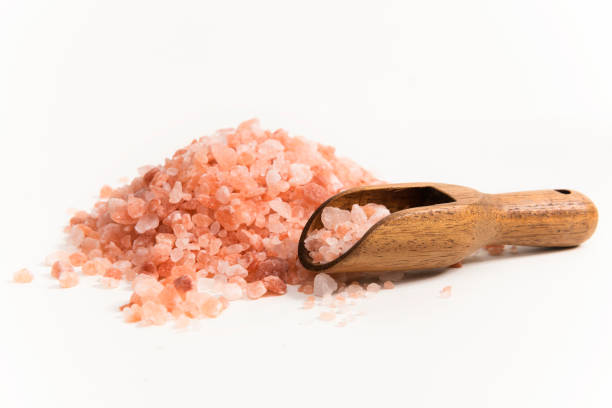
There is a specific, primal aroma that hits you when fat renders onto a superheated slab of pink salt. It isn’t just the smell of barbecue; it is the scent of the ocean locked in stone for millions of years, suddenly released by the heat of your grill. When you lay a piece of protein on that sizzling surface, it doesn’t just cook. It seasons itself from the inside out, creating a crust that is savory, complex, and impossibly crisp. Finding the best Himalayan salt block recipes for grilling is about more than just a fancy presentation technique; it is about unlocking a depth of flavor that standard charcoal grates simply cannot provide.
I still remember the first time I threw a flank steak on a block I picked up at a specialty spice shop. I was skeptical. I thought it was a gimmick. Three minutes later, I tasted the most perfectly seasoned crust of my life, and I never looked back. Whether you are a backyard pitmaster or just starting to experiment with the techniques I covered in my guide to 11 Himalayan Pink Salt Cooking Tricks and Recipes, these recipes will transform your outdoor cooking game.
Why Your Grill Needs a Salt Slab
Before we fire up the propane or charcoal, we need to understand the medium. Himalayan salt is dense and holds heat incredibly well, similar to cast iron. However, unlike a metal pan, it transmits flavor.
When you grill directly on the grate, you get char. When you grill on a salt block, you get a uniform sear and a mild, mineral salinity that penetrates the food. This creates a “brining” effect as the food cooks. But be warned: salt blocks are temperamental. You must heat them slowly—what I call the “thermal staircase”—to prevent them from exploding. Start on low heat for 15 minutes, then medium for 15, then high. Once that block hits 500°F, you are ready to cook.
The Cowboy Ribeye with Mineral Crust
This is the king of salt block cooking. The fat from a ribeye renders out instantly upon contact, lubricating the block and creating a golden, salty crust that is addictive.
Prepping the Steak
Purchase a thick-cut bone-in ribeye (at least 1.5 inches thick). Bring it to room temperature. Pat it bone-dry with paper towels. Do not salt the meat. I repeat, put the salt shaker away. The block provides the salt. Dust the steak generously with freshly cracked black pepper and garlic powder only. Brush the steak lightly with avocado oil.
The Sear
Place the block on the grill over high heat until a drop of water dances on the surface. Lay the steak down. Listen for the aggressive hiss. Sear for 4 to 5 minutes without moving it. Flip and sear the other side for 4 minutes. Remove the steak from the block and move it to a cooler part of the grill (indirect heat) to finish cooking to your desired internal temperature. The result is a steak that tastes like it was dry-aged, with a crust that shatters when you bite it.
Citrus-Glazed Shrimp Skewers
Shellfish and salt blocks are a match made in culinary heaven. Because shrimp cook so quickly, they don’t have time to absorb too much salt, resulting in a perfect balance of sweetness and brine.
Marinating the Shellfish
Toss large, peeled shrimp in a bowl with olive oil, lime zest, and chili flakes. Again, skip the salt. Thread them onto bamboo skewers (soak the skewers first so they don’t burn).
The Flash Grill
Lay the skewers directly on the hot salt slab. They will turn pink almost instantly. Cook for 90 seconds per side. The moisture from the shrimp will dissolve a tiny microscopic layer of the salt, glazing the meat. Serve immediately with a squeeze of fresh lime juice to cut the richness. This method creates a texture similar to sous-vide but with a better bite.
Crispy Skin Salmon with Lemon Butter
Fish can be tricky on a grill grate because it sticks and falls apart. The salt block acts like a plancha (a flat metal grill), giving you full contact for the skin without the risk of it falling through the bars.
Handling the Fish
Score the skin of the salmon fillets to prevent curling. Dry the skin thoroughly. Place the fillets skin-side down on the hot block. Press down gently with a spatula for ten seconds to ensure contact. Let it ride for about 4 minutes until the skin is dark and crispy. Flip carefully and cook for just 1 minute on the flesh side. The salt penetrates the skin, making it taste like a potato chip.
Charred Asparagus and Halloumi Cheese
Vegetables love salt blocks. The high heat blisters the outside while keeping the inside crisp-tender. Pairing asparagus with Halloumi (a cheese that doesn’t melt) creates a fantastic vegetarian main or side.
Vegetable Prep
Trim the woody ends of the asparagus. Toss them in oil. Slice the Halloumi into thick slabs. Arrange both on the salt block. The water content in the asparagus will steam-release, absorbing the mineral flavor. Grill for 3-5 minutes, turning often, until the cheese has grill marks and the asparagus is tender. Drizzle with balsamic glaze before serving.
The Salt-Smashed Burger
Forget the cast iron skillet; smashing a burger on a salt block is a revelation. The jagged surface of the salt creates crevices for the fat to pool, frying the meat in its own tallow.
The Smash Technique
Form ground beef (80/20 mix) into loose balls. Place them on the hot block and smash them flat with a heavy spatula. The salt will season the bottom crust instantly. Flip after 2 minutes. Top with cheese and let it melt. The saltiness cuts through the richness of the beef and cheese perfectly. Just be sure to clean your block thoroughly afterward, as beef fat can be stubborn.
Caring for Your Slab After the Cook
Once the feast is over, you are left with a dirty block. Do not scrub it while it is hot! Let it cool completely, which can take hours. Scrub it with a damp sponge (no soap!) and dry it immediately. If your block eventually cracks or breaks, don’t throw it away. You can repurpose the pieces to make mineral-rich water, which I detail in my guide on How to Make Sole Water with Pink Salt.
It is also crucial to understand that while we use this block for cooking, the salt itself is distinct from other chemical salts. Make sure you understand the difference by reading Himalayan Pink Salt vs Curing Salt so you don’t confuse your pantry staples.
Conclusion: The Flavor is in the Stone
Grilling on a salt block forces you to slow down and pay attention to the heat. It turns a standard barbecue into an interactive experience. Whether you are searing a cowboy ribeye or flash-grilling shrimp, the best Himalayan salt block recipes for grilling rely on the simplicity of the ingredients allowing the mineral nuance to shine.
Go grab a block, be patient with the heating process, and taste the difference. Do you have a favorite protein you love to cook on salt? I’ve heard rumors of people grilling watermelon on these slabs—let me know if you’ve tried it in the comments below!
Frequently Asked Questions
Can I leave the salt block on the grill overnight?
No. Salt is hygroscopic, meaning it attracts water from the air. If you leave it outside, the morning dew or humidity will dissolve your block, leaving you with a puddle of brine and a cracked slab. Bring it inside once it is cool.
Why did my food turn out too salty?
This usually happens for two reasons: either the block wasn’t hot enough, or the food was wet. If the block is cool, juices pool and dissolve the salt, which then soaks back into the food. If the block is screaming hot (500°F), the moisture evaporates instantly, searing the food without over-salting it.
Can I use butter on the salt block?
Avoid butter directly on the block. Butter contains water and milk solids. The water dissolves the salt, and the milk solids burn at high temperatures. Always use high-heat oils like avocado or grapeseed oil on the food itself, not the block.
How do I know when the block is hot enough?
Use the water test. Flick a single drop of water onto the block. If it sizzles and evaporates immediately, it is ready. If it sits there and bubbles slowly, it needs more time. You can also use an infrared thermometer; aim for 500°F.
What happens if my salt block cracks while grilling?
Don’t panic. If it’s a hairline crack, you can usually keep cooking carefully. If it splits apart, use heat-resistant gloves to push the pieces together or carefully remove them. You can still cook on the broken pieces, or grind them up for finishing salt later.

![4 Ways to Steam Fish Without a Bamboo Steamer [Chef’s Guide]](https://lezata.com/wp-content/uploads/2025/10/3c67ea0a-9945-437f-bbae-a6328259b7e9_019a2daa-6358-71bf-8a40-2290876b8ccf_files_steam_fish_without_bamboo_steamer-768x432.webp "4 Ways to Steam Fish Without a Bamboo Steamer [Chef's Guide] 4")