5 Secrets to the Best Teriyaki Sauce Recipe: A 10-Minute Guide
Last Updated on 2025-12-29 by Suryo
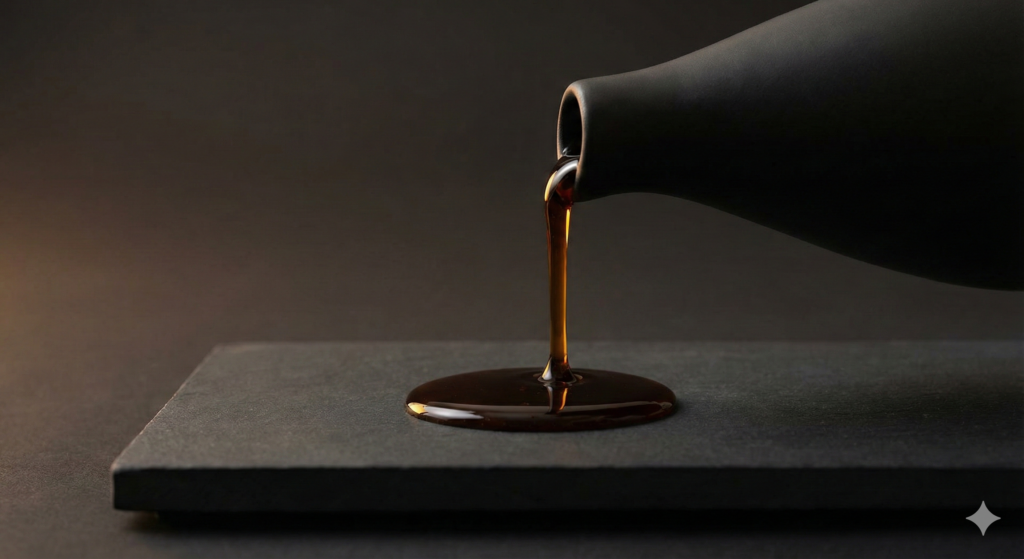
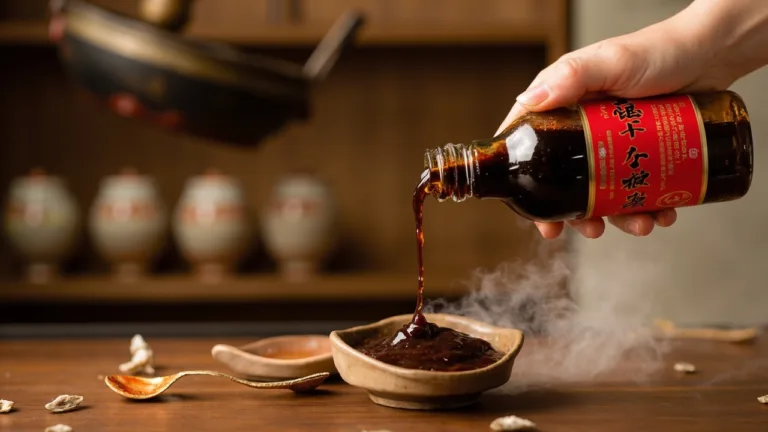
The best teriyaki sauce recipe relies on the “2:2:2:1 Golden Ratio” of soy sauce, sake, mirin, and sugar. This balance creates a natural gloss through reduction, not cornstarch, delivering a depth of flavor that is savory, sweet, and perfectly glazed without being overly salty.
Have you ever poured hours of effort into a homemade meal, only to ruin it at the very last second with a sauce that tastes like pure salt water? I have been there. In my early days running a small bento catering service, I wasted gallons of expensive soy sauce trying to replicate that sticky, addictive glaze you get at high-end Japanese restaurants. The reality is, most online recipes set you up for failure because they treat soy sauce as a generic ingredient. They don’t account for the massive sodium difference between brands, or they rely on cornstarch, which turns your beautiful glaze into a gloopy, jelly-like mess once it cools.
This guide isn’t just another recipe card; it is a breakdown of the chemistry and economics of sauce making. Whether you are a home cook wanting to impress your family or a food business owner looking to lower food costs by ditching expensive bottled suppliers, this method will change how you cook.
To understand the safety and standards of fermentation used in products like soy sauce, you can refer to general guidelines from trusted sources like usda.gov.
The 10-Minute Teriyaki Sauce Recipe That Beats Bottled (The 2:2:2:1 Method)
Why Most Homemade Teriyaki Sauces Fail (The “Salt Bomb” Effect)
The biggest complaint I hear from my culinary students is always the same: “Chef, I followed the recipe, but it’s inedible.” The culprit is almost always the soy sauce selection. In the professional kitchen, we know that not all soy sauces are created equal.
If you grab a standard bottle of Kikkoman from the grocery store, you are working with a very different salinity level compared to a traditional Japanese dark soy sauce (Koikuchi) or a sweeter Tamari. Many popular recipes call for “1 cup of soy sauce” without specifying the brand.
I remember a specific case where a client of mine, who was launching a rice bowl startup, was complaining that his chicken teriyaki was consistently too salty. We audited his kitchen and found he was using a “light” soy sauce (which is actually saltier than dark!) and reducing it for too long. By simply switching him to a low-sodium base and adjusting the sugar ratio, we saved his product line.
Important! Never measure your soy sauce by volume alone if you are producing in bulk for your business. Weigh your ingredients. A cup of Diamond Crystal kosher salt weighs significantly less than a cup of table salt, and the same logic applies to the density of different soy sauce brands.
Authentic vs American Styles
Before you fire up the stove, you need to decide what you are actually trying to achieve. In the culinary world, there is a massive divide between “Authentic Tare” and “American-Style Teriyaki.”
The authentic Japanese version is actually quite thin. It relies on the natural caramelization of sugar and mirin to coat the meat. It’s a glaze, not a gravy. On the other hand, the version most of us grew up loving in mall food courts is thick, heavy, and clings to the rice.
Is Teriyaki Sauce Just Soy Sauce With Sugar?
Technically, yes, but the magic ingredient that bridges the gap is Mirin. In my experience, omitting Mirin is the number one reason homemade sauce lacks that “restaurant quality” sheen. Mirin adds a subtle acidity and complex sweetness that plain sugar just cannot provide.
I often advise my consulting clients to stick to the authentic style if they are serving high-quality cuts of meat (like wagyu or fresh salmon) because you want the sauce to compliment, not hide, the ingredient. However, if you are running a high-volume lunch spot using frozen chicken breast, the American style (with a touch of cornstarch) is often the better business decision because it stretches further and coats the rice more generously.
The Golden Ratio Recipe Ingredients
Now, let’s talk about the formula that has never failed me. I call it the 2:2:2:1 Method. This ratio is scalable, meaning you can make a cup for dinner or five gallons for your shop, and the flavor profile will remain consistent.
The Best Pantry Swaps for Missing Ingredients
Ideally, you want:
- Soy Sauce: A standard Japanese dark soy sauce.
- Sake: Good quality cooking sake (adds umami).
- Mirin: Look for “Hon Mirin” (true mirin) if you can find it.
- Sugar: White sugar creates the best gloss.
However, I know the reality of running a kitchen. Sometimes you run out.
- No Sake? Use Chinese Shaoxing wine (be careful, it’s salty!) or just water.
- No Mirin? This is harder to replace, but a mix of water and honey can work in a pinch, though you lose the luster.
The Science of Gloss
Why do we use sugar instead of honey or maple syrup for the best teriyaki sauce recipe? It comes down to chemistry. Sucrose (table sugar) crystallizes and caramelizes in a way that creates a hard, shiny shell—the “teri” (luster) in teriyaki. Honey contains fructose, which is hygroscopic (absorbs moisture) and tends to make the sauce softer and stickier rather than glossy.
I once tested a “healthy” version using only honey for a cafe client. While it tasted good, the chicken looked dull and wet within 10 minutes of plating. For a business, visual appeal is 50% of the sale. If you want that mirror-like finish, stick to white or light brown sugar.
Step-by-Step Instructions: The Simmer & Shine Technique
Now that we have our mise en place sorted, it is time to cook. This process is surprisingly fast. In a commercial setting, we call this the “reduction method.” We aren’t just heating ingredients; we are evaporating water to concentrate flavor.
Here is how to execute the best teriyaki sauce recipe perfectly every single time:
- Dissolve the Sugar (The Clarity Stage) Combine your soy sauce, sake, mirin, and sugar in a saucepan before turning on the heat. Whisk it vigorously while cold. This ensures the sugar dissolves evenly and doesn’t scorch on the bottom of the pan as it heats up. If you are adding aromatics like crushed garlic or a slice of ginger (which I highly recommend for that restaurant-style kick), add them now.
- The Reduction (Watching the Bubbles Change) Turn the heat to medium-high. Bring the mixture to a boil. Once it boils, reduce the heat to a low simmer. This is the crucial moment. You need to watch the bubbles. Initially, the bubbles will be small and rapid (water evaporating). After about 4-5 minutes, the bubbles will become larger, slower, and “glossy.” This indicates the sugar is caramelizing and the sauce is thickening.
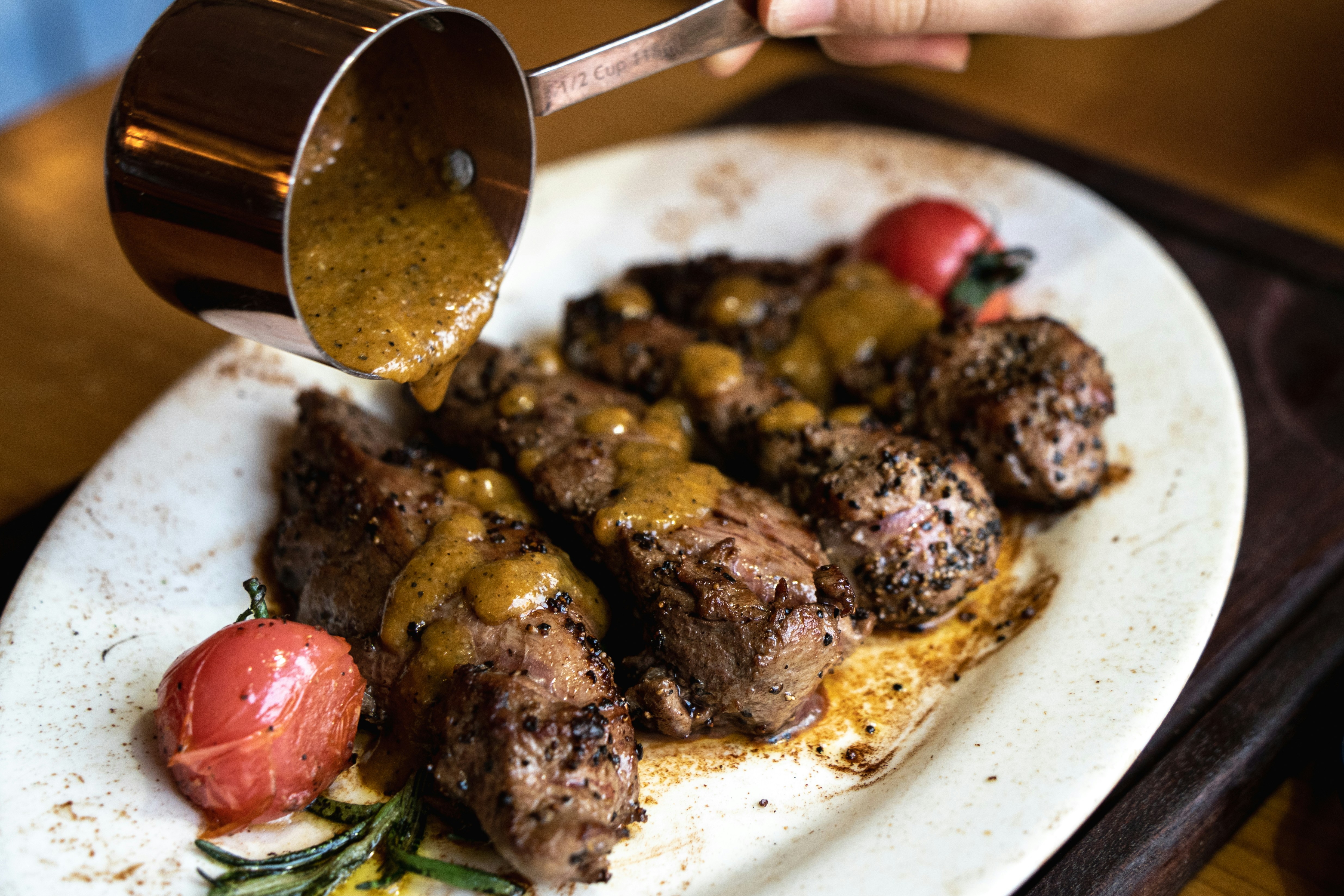
- The Spoon Test (Nappe Consistency) How do you know it is done? Do not trust a timer; trust your eyes. Dip a metal spoon into the sauce and lift it out. Run your finger down the back of the spoon. If the line stays clean and the sauce doesn’t run back together immediately, you have achieved nappe consistency. It should coat the spoon like a thin varnish. Remember, the best teriyaki sauce recipe will thicken significantly as it cools. If it looks like syrup in the pan, it will be hard toffee on the plate.
Important! If you are running a busy kitchen, do not walk away during the reduction phase. Sugar burns at approximately 350°F (175°C), but soy sauce can taste bitter long before that. If you smell burning, there is no saving it—throw it out and start over. Serving a burnt sauce is the fastest way to lose a customer.
Troubleshooting Your Sauce
Even with 15 years of experience, things can go wrong in the kitchen. Variables like the width of your pot or the strength of your stove burner change the outcome. Here is how to fix common issues without panic.
Help! My Teriyaki Sauce Won’t Thicken!
This is the most common panic point. You have simmered it for 10 minutes, but it is still watery. This usually happens if you didn’t use enough sugar or if your ratio of sake/water was too high.
In this scenario, you have two options. The purist method is to keep simmering, but be careful—this will make the sauce saltier. The “lunch rush” solution is to use a slurry. Mix 1 teaspoon of cornstarch with 1 teaspoon of cold water (never hot, or it will clump!) and whisk it into the boiling sauce. It will thicken instantly. While this deviates slightly from the traditional best teriyaki sauce recipe, it is a legitimate technique used in 90% of takeout spots to maximize yield.
How to Rescue a Burnt or Bitter Sauce
I have encountered cases where a cook gets distracted and the sauce reduces too much, becoming incredibly salty and slightly bitter.
- The Fix: You cannot remove salt, but you can dilute it. Add a splash of water and a teaspoon of fresh mirin. The fresh mirin adds raw sweetness that can mask slight bitterness.
- The Reality: If it is truly black and smells like carbon, pitch it. The cost of ingredients is lower than the cost of a bad reputation.
Storage & Shelf Life: Keeping It Crystal-Free
One aspect of the best teriyaki sauce recipe that blog posts rarely mention is crystallization. Because this recipe relies on a high sugar concentration, it can sometimes crystallize in the fridge, looking like grainy honey.
If you are prepping this for your shop:
- Sterilization: Store the sauce in a sterilized glass jar or a food-grade squeeze bottle.
- Shelf Life: Thanks to the high salt and sugar content (natural preservatives), this sauce lasts almost indefinitely in the fridge. I have kept batches for 6 months with no spoilage. However, for peak flavor in a business setting, I recommend a 1-month rotation.
- Reheating: If crystals form, simply microwave the bottle for 30 seconds or run it under warm water. The crystals will melt right back into the sauce.
Elevate Your Menu With This Master Sauce
Creating the best teriyaki sauce recipe is a skill that pays dividends. It is versatile enough to be the backbone of your menu. Don’t limit it to just chicken.
In my experience, this glaze works exceptionally well on:
- Grilled Salmon: The fatty oils of the fish mix with the salty glaze for an umami bomb.
- Tofu Steaks: Since tofu is bland, this potent sauce does the heavy lifting.
- Burger Glaze: Brush it on a beef patty and top with grilled pineapple for a Hawaiian-style burger.
By mastering this simple 2:2:2:1 ratio, you stop being dependent on suppliers and start taking control of your flavor profile. That is the true mark of a food professional.
Frequently Asked Questions
1. Can I make this recipe gluten-free? Absolutely. The only ingredient containing gluten is standard soy sauce (which contains wheat). To adapt the best teriyaki sauce recipe for gluten-sensitive customers, simply swap the soy sauce for Tamari or a certified gluten-free soy sauce. The ratio remains exactly the same, and the flavor is virtually indistinguishable.
2. Does the alcohol cook out? Is it safe for kids? Yes and no. While boiling does evaporate a significant amount of alcohol from the sake and mirin, it does not remove 100% of it immediately. However, with the 10-minute reduction method used here, the alcohol content becomes negligible. I have served this to families for over a decade without issue. If you strictly cannot use alcohol (halal), substitute the sake with water and the mirin with a mix of water and sugar, though the flavor will lack some depth.
3. Can I freeze this sauce? You can, but you don’t need to. Because of the high sugar and sodium content, the sauce won’t freeze solid—it will remain a thick slush. Since it is shelf-stable in the refrigerator for months, freezing is usually unnecessary unless you are producing industrial quantities.