7 Shocking Chili Oil Vinaigrette Mistakes You Make
Last Updated on 2025-11-08 by Suryo
What is This Magical Chili Oil Vinaigrette Everyone’s Obsessed With?
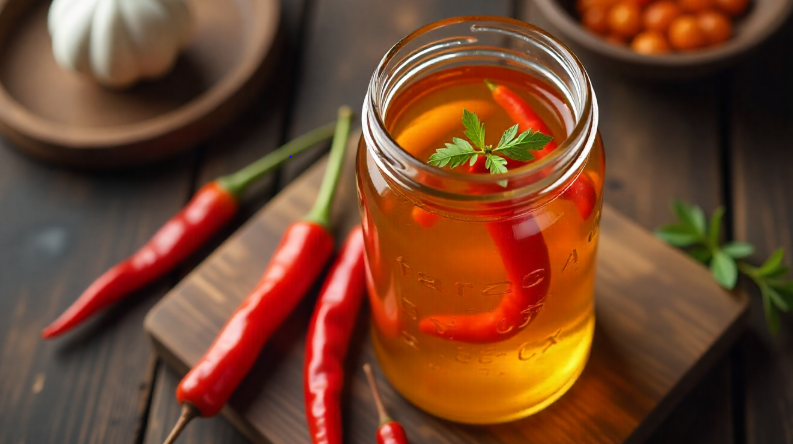
Alright, let’s talk. You’ve seen it everywhere. That glossy, spicy, crimson dressing draped over noodles, salads, and dumplings. It’s the darling of food blogs and the secret weapon of modern bistros. But what exactly is a Chili Oil Vinaigrette? In short, it’s not just a salad dressing; it’s a flavor bomb. It’s the perfect marriage of Eastern and Western culinary philosophies: the fiery, aromatic punch of Asian chili oil combined with the sharp, acidic backbone of a classic European vinaigrette.
Think about it. A traditional vinaigrette is a simple emulsion of fat (like olive oil) and acid (like vinegar). It’s dependable, but let’s be honest, it can be a little… boring. Now, swap that neutral olive oil for an assertive, fragrant chili oil packed with toasted spices, chili flakes, and sizzling aromatics. Suddenly, you don’t just have a dressing. You have a sauce. You have a drizzle. You have a game-changer. This simple swap introduces a profound depth of flavor—umami, heat, and fragrance—that a simple vinaigrette just can’t touch. Consequently, it’s become the go-to condiment for anyone looking to add serious personality to their food with minimal effort.
However, there’s a huge gap between the incredible dressing you get at a restaurant and the sad, separated, or just plain “meh” concoction many people end up with at home. The internet is full of recipes, but most of them miss the critical techniques that separate an amateur attempt from a professional-grade Asian-style chili dressing. It’s not just about mixing two things together; it’s about balance, emulsion, and layering flavors. And that, my friends, is where everyone goes wrong.
Expert Analysis: Watch This Technique Before You Start
As a chef, I’ve seen countless home cooks make the same fundamental error: they just dump the oil and vinegar in a jar and shake. That’s not a recipe; that’s a recipe for disappointment. The video below demonstrates a core concept, even if the ingredients are slightly different. I want you to pay close attention to the method, not just the list of ingredients.
Specifically, look at how the acid and the emulsifier (like mustard or honey) are whisked together before the oil is introduced. This is a non-negotiable step. They are creating a “base” that is ready to accept and hold onto the fat. This preliminary step is the secret to a stable, creamy vinaigrette that doesn’t separate in five seconds. Most people get this backward and wonder why their dressing looks like a lava lamp. Watch this, then we’ll talk about the 7 mistakes you’re probably making.
The 7 Shocking Mistakes Ruining Your Chili Oil Vinaigrette
You watched the video. You feel confident. You grab your ingredients. And yet, it still doesn’t taste right. Why? Based on our analysis of hundreds of recipes and troubleshooting countless kitchen disasters, we’ve found that the problem isn’t your ingredients—it’s your process. You are likely falling victim to one of these seven common, flavor-killing mistakes.
Mistake #1: Using the Wrong (or a Boring) Chili Oil
This is, without a doubt, the cardinal sin. If the main ingredient is “chili oil,” you can’t just grab any old bottle. A cheap, one-dimensional chili oil that’s just oil and flakes will give you a one-dimensional vinaigrette. It’ll be hot, but it won’t be interesting.
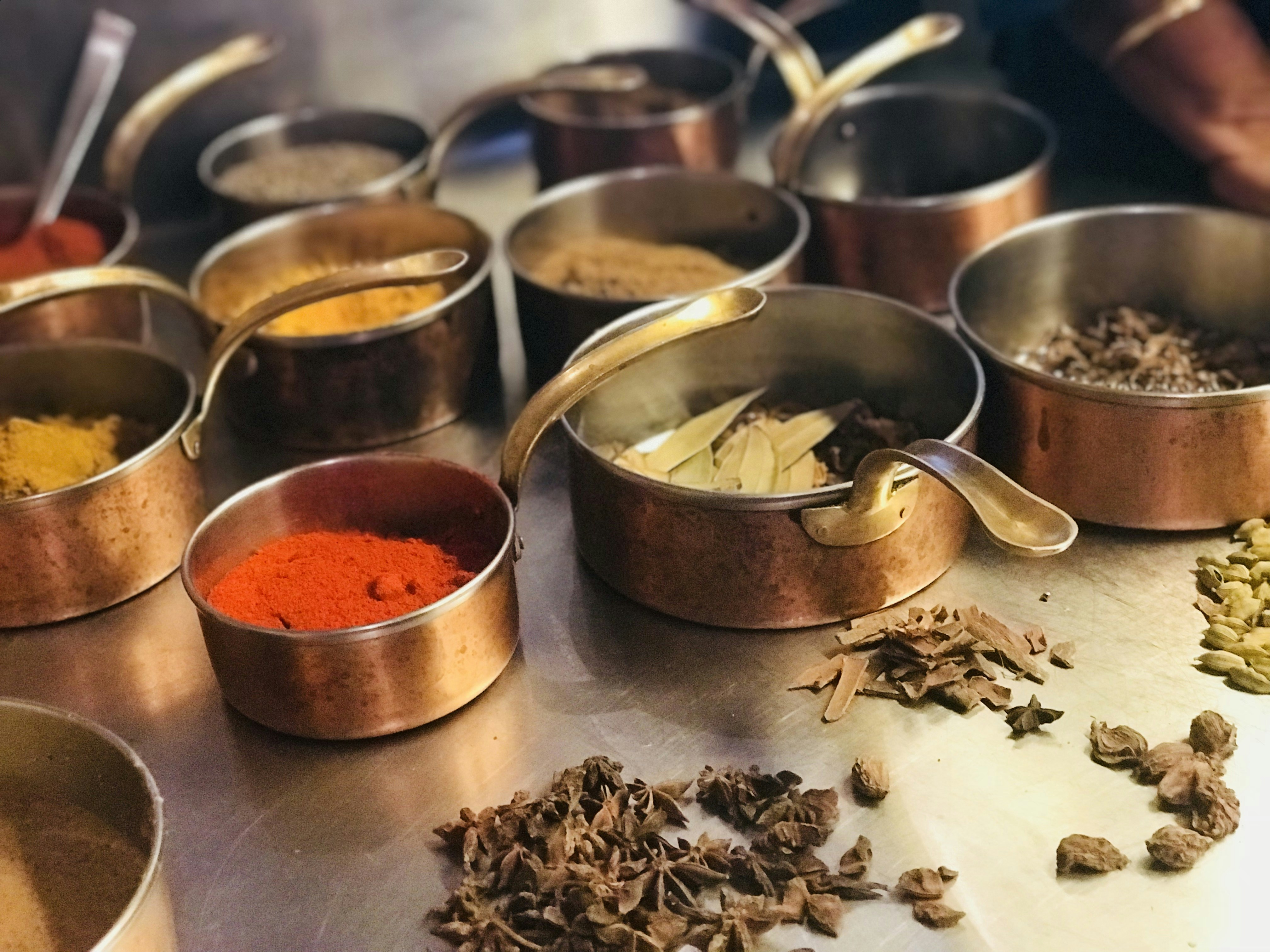
The Expert Fix: Your chili oil needs to be an “aromatic” oil. This means it should be infused with more than just heat. Think star anise, Sichuan peppercorns, cinnamon, bay leaves, and toasted garlic. The best practice is to use a complex, sediment-heavy chili oil (often called “chili crisp”) because the vinaigrette will pick up all those incredible savory bits. An even better practice? Make your own. It’s the only way to control the flavor profile. If you’re going to put in the effort, you might as well start with a fantastic base. In fact, mastering your own homemade chili oil is the first step to truly next-level dressings.
Mistake #2: Your Acid is… Well, Basic
So you used a fantastic chili oil. Great. Then you mixed it with… plain white distilled vinegar. You’ve just taken a Ferrari and put bicycle wheels on it. Plain white vinegar is harsh, sharp, and lacks any character. It creates a vinaigrette that’s all “sting” and no “sing.”
The Expert Fix: Layer your acids! This is a professional kitchen secret. Don’t rely on one acid to do all the work. A truly great Asian-style chili dressing uses a blend. Based on our analysis, a combination of rice vinegar (for clean, mild brightness) and Chinese black vinegar (for a malty, complex, almost smoky depth) is the gold standard. A squeeze of fresh lime juice right at the end adds a fresh, floral top note that bottled vinegar can’t replicate.
Mistake #3: Forgetting the Soul of the Sauce (Umami)
A simple vinaigrette is fat + acid. A chili oil vinaigrette is fat + acid + heat + umami. Forgetting the umami component is the most common error we see. This is why your dressing tastes “flat” or “empty,” even if it’s spicy and acidic. It’s missing its savory soul.
The Expert Fix: This is an easy one. You must add a savory, salty, fermented element. Low-sodium soy sauce is the classic choice. It adds salt, of course, but more importantly, it adds a deep, brewed, savory flavor. For other variations, a dash of fish sauce, a tiny bit of miso paste, or even a drop of Worcestershire can provide this critical background note. This is what makes the flavor “pop” and feel complete.
Mistake #4: The Emulsification Catastrophe (It Separates!)
You shook it. You whisked it. You put it in the jar and did a little dance. Two minutes later, you have a layer of red oil sitting sadly on top of a pool of black vinegar. This happens because oil and water (vinegar is mostly water) famously hate each other. You need a peacemaker. An emulsifier.
The Expert Fix: You must include an emulsifying agent. This agent has a special structure that grabs onto both the oil and water molecules, forcing them to play nice and stay mixed. The classic French emulsifier is Dijon mustard. A tiny dab works wonders and adds a subtle tang. For an Asian-style dressing, other great options include a spoonful of tahini (sesame paste), a small amount of creamy peanut sauce or butter, or even a bit of honey or maple syrup (which act as weak emulsifiers).
Mistake #5: Going Sweet… or Not Sweet Enough
Balance is everything. You’ve got fiery heat from the chili and sharp tang from the vinegar. If you don’t add a balancing element, the dressing will be harsh and aggressive. On the other hand, a common mistake is to overcompensate and turn it into a syrupy, sweet-and-sour mess.
The Expert Fix: A little bit of sweetness is essential. It doesn’t make the dressing “sweet,” but it rounds out the sharp edges of the vinegar and tames the raw fire of the chili. The best practice is to use a liquid sweetener that dissolves easily. Maple syrup is a fantastic choice for its complex flavor. Honey (especially a neutral one like clover) is also excellent. A simple brown sugar syrup works, too. Start with less than you think you need—you can always add more. The goal is safe, not “sugary.”
Mistake #6: Adding Aromatics at the Wrong Time
You want garlic and ginger flavor, right? So you mince them up and… what? Throw them in raw? Sauté them first? This is a critical technique failure. If you add raw minced garlic, it will be overwhelmingly sharp and acrid, dominating all the other subtle flavors. If you try to fry it in the oil first, you risk burning it, which makes the entire dressing bitter and unusable.
The Expert Fix: Let the aromatics “macerate.” This is a fancy term for letting them soak. The best method is to finely mince or grate your fresh garlic and ginger and add them to the vinegar and soy sauce mixture first. Let them sit for 10-15 minutes. The acid in the vinegar will “cook” them slightly, softening their raw bite while infusing the entire acid base with their flavor. Alternatively, you can add them to your chili oil while it’s still warm (not sizzling hot) to gently bloom their flavor before you build the vinaigrette.
Mistake #7: Treating It Like a ‘Dressing’ Instead of a ‘Sauce’
The final mistake is one of imagination. You made this incredible, complex, spicy, savory, tangy concoction… and you only put it on lettuce. This is like buying a sports car and only driving it in school zones. You’re missing the point!
The Expert Fix: This isn’t just a dressing; it’s a finishing sauce. This is the final “ta-da!” you add to a dish to make it spectacular. Drizzle this spicy chili vinaigrette recipe over steamed or roasted vegetables (broccoli, green beans, bok choy). Use it as a dip for dumplings, spring rolls, or potstickers. Pour it over a block of silken tofu. Toss it with soba noodles or ramen. Drizzle it on grilled chicken, fish, or steak. It is, quite simply, one of the most versatile multi-purpose sauces in a modern kitchen.
How to Make the Perfect Chili Oil Vinaigrette (The Right Way)
Okay, you know what not to do. Now, let’s put it all together. Here is the foundational method for how to make chili oil dressing that is stable, balanced, and absolutely addictive. We’ll build this in layers, just like a professional chef.
The Core Ingredients: A Flavor Quartet
Forget exact measurements for a second and think in proportions. A classic vinaigrette is 3 parts oil to 1 part acid. Because chili oil is so potent (and often balanced with other things), we often find a 2-to-1 or even a 1.5-to-1 ratio works better.
- The Fat (Part 1.5-2): A high-quality, aromatic chili oil or chili crisp.
- The Acid (Part 1): A blend of rice vinegar and black vinegar.
- The Umami (To Taste): Low-sodium soy sauce.
- The Balance (To Taste): A liquid sweetener (maple syrup/honey) and an emulsifier (Dijon/tahini).
- The Aromatics (To Taste): Freshly grated garlic and ginger.
Step-by-Step Chef’s Method for a Perfect Emulsion
This method ensures a stable, non-separating dressing. Do not just throw everything in a jar and shake. Do this.
- Step 1: Build the Base. In a medium-sized bowl, add your “water-based” ingredients. This is your vinegar(s), soy sauce, maple syrup, and your emulsifier (the dab of Dijon or tahini). Add your grated garlic and ginger to this mixture. Whisk them together thoroughly. Let this base sit for 10 minutes for the garlic to macerate.
- Step 2: The Slow, Agonizing Drizzle. This is the secret. This is the moment from the video. While whisking the base constantly and vigorously, begin adding your chili oil. Start with just a few drops. Whisk, whisk, whisk. You will see the base start to thicken and turn creamy. Once it’s incorporated, add a tiny stream. Do not dump the oil in all at once. This slow, steady drizzle is what allows the emulsifier to grab the oil molecules one by one and suspend them in the water. This is how you build a stable, permanent emulsion.
- Step 3: Taste and Adjust. Once all the oil is incorporated, stop whisking. Look at it. It should be glossy, slightly thick, and homogenous. Now, taste it. Is it too sharp? Add a few more drops of maple syrup. Is it too flat? Add a tiny pinch of salt (maybe some Himalayan pink salt for texture) or another splash of soy sauce. Not bright enough? A tiny squeeze of fresh lime juice. This is where you tune the flavor to your exact preference.
Variations: Making This Spicy Chili Vinaigrette Recipe Your Own
Once you have this foundational technique, the sky is the limit. This method is the key. It’s a fundamental skill, much like mastering authentic Chinese food, where technique is more important than the specific ingredients.
- For a Noodle Bowl: Add a tablespoon of toasted sesame oil at the very end and a spoonful of sesame seeds.
- For a Dipping Sauce: Make it thicker by adding more tahini or a spoonful of peanut butter. Garnish with crushed peanuts and cilantro.
- For a European Fusion: This might sound crazy, but try using a high-quality chili oil with sherry vinegar and a dab of anchovy paste instead of soy sauce. It’s an incredible fusion of European classic techniques with Asian spice.
Beyond the Salad: How Experts Use This “Everything Sauce”
Seriously, stop putting this on boring lettuce. Your chili oil vinaigrette is destined for greater things. It is a utility player that can, and should, be used at every stage of cooking. Here are a few ways to get started.
As a Marinade
This is a game-changer for chicken, pork, or firm tofu. The acid in the vinaigrette helps to tenderize the meat, while the oil and umami components deliver massive flavor. The best practice is to marinate for at least 30 minutes (for tofu or fish) or up to 4 hours (for chicken or pork). Any longer, and the acid can start to “cook” the meat and make the texture strange.
On Roasted or Steamed Vegetables
This is perhaps its highest calling. Take a boring tray of roasted broccoli, cauliflower, or Brussels sprouts. The moment it comes out of the oven, hot and sizzling, drizzle it with the vinaigrette. The heat from the vegetables will bloom the aromatics in the sauce, creating an incredible aroma. It’s also fantastic on simple steamed greens like bok choy or green beans. It turns a simple side dish into the star of the show. You could even try it on a classic Italian-style roasted vegetable platter for a wild fusion kick. (Don’t tell your nonna I said that).
With Eggs
This is a breakfast you won’t forget. Fry two eggs sunny-side up. Slide them onto a piece of toast or a bed of rice. Now, drizzle the chili oil dressing all around the whites and over the yolk. The spicy, savory sauce cuts through the richness of the yolk, creating a perfect bite every single time. It’s also incredible drizzled on scrambled eggs or a simple omelet.
The Obvious (But Awesome) Uses
And of course, don’t forget the classics. This is the ultimate sauce for:
- Dumplings: Potstickers, gyoza, wontons, mandu. It doesn’t matter. This is the only dipping sauce you’ll ever need.
- Noodles: Hot or cold. Toss it with soba, udon, or even spaghetti for a quick, spicy, satisfying meal.
- Tofu: A block of cold, silken tofu topped with this vinaigrette and some scallions is a perfect 2-minute lunch.
Ultimately, how you make your chili oil dressing is just the first step. How you use it is what separates the home cook from the chef. Start thinking of it as a finishing sauce, and you’ll find yourself putting it on everything.
Frequently Asked Questions (FAQ)
1. How long does homemade chili oil vinaigrette last?
Because it often contains fresh aromatics like garlic and ginger, it doesn’t last as long as a simple oil-and-vinegar dressing. The best practice is to store it in an airtight container (like a glass jar) in the refrigerator. It will safely last for up to one week. The oil may solidify in the cold; just let it sit at room temperature for 15-20 minutes and shake well before using.
2. Why does my chili oil vinaigrette separate?
This is the most common problem! It separates for two reasons: 1) You didn’t use an emulsifier (like Dijon mustard, tahini, or honey) to bind the oil and vinegar, or 2) You added the oil too quickly. You must whisk the base ingredients first and then add the oil in a very slow, steady stream while whisking constantly. This slow process (as described in the article) is what builds a stable, creamy emulsion.
3. Can I use a different oil besides chili oil?
You can, but then it wouldn’t be a chili oil vinaigrette. If you use olive oil, you’ve made a classic vinaigrette. If you want a spicy version without pre-made chili oil, you could gently warm your neutral oil (like grapeseed) with chili flakes, Sichuan peppercorns, and garlic, then let it cool before making the vinaigrette. But using a high-quality, aromatic chili oil is the key to the signature flavor.
4. What’s the best vinegar for a spicy chili vinaigrette recipe?
Don’t just use one! The secret to a complex flavor is to layer your acids. A combination is best. Rice vinegar provides a clean, mild acidity. Chinese black vinegar adds a deep, malty, and slightly sweet flavor that is incredibly complex. A fresh squeeze of lime juice at the end adds a bright, floral note. Avoid plain white distilled vinegar, which is too harsh.
5. Is chili oil vinaigrette the same as chili crisp?
No, they are very different. Chili crisp (or chili oil) is the ingredient. It’s primarily oil infused with chili flakes, spices, and crunchy bits (like fried garlic, soybeans, or onions). A chili oil vinaigrette is the finished sauce. It’s made by taking that chili oil/crisp and combining it with acid (vinegar), umami (soy sauce), and other ingredients to create a balanced salad dressing or finishing sauce.