Cooking Time Bone In vs Boneless Breast -The 15-Minute Rule
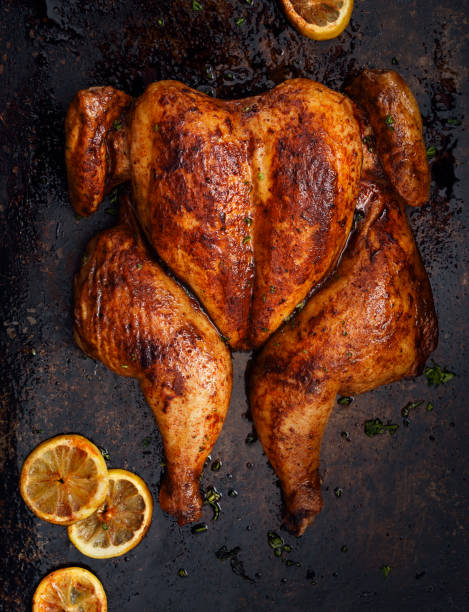
A Tale of Two Chickens
I still remember the first time I tried to impress a date with a home-cooked meal. I had a “foolproof” recipe for roasted chicken breasts. I bought the meat without looking closely at the package, tossed it in the oven for exactly twenty minutes as the recipe stated, and served it with a flourish. The knife hit the meat with a dull thud. It was raw. I mean, glistening, pink, absolutely inedible raw. I had bought bone-in split breasts, but I had cooked them like they were boneless cutlets. We ended up ordering pizza.
That embarrassment taught me a valuable lesson in thermal physics that I have carried through fifteen years of professional cooking. The cooking time bone in vs boneless breast is not a subtle difference; it is a massive divide. Treat them the same, and you will end up with either salmonella or shoe leather.
Whether you are whipping up a quick batch of my easy sweet and sour chicken recipe (which demands boneless speed) or settling in for a comforting Sunday roast with bone-in cuts, understanding how heat travels through these different shapes is the only way to guarantee a juicy dinner every single time.
The Thermodynamics of Poultry
To master the timer, you have to understand the anatomy. A boneless, skinless chicken breast is essentially a flat(ish) slab of protein. Heat hits it from all sides, penetrates quickly, and cooks the muscle fibers efficiently.
A bone-in breast (often called a split breast) is a different beast entirely. It is thicker, usually covered in skin, and attached to the rib cage and keel bone. Bones are fascinating insulators. While they eventually conduct heat, they initially act as a shield, protecting the meat attached to them from the intense oven air. According to general food science regarding chicken as food, the bone and the irregular shape significantly alter the heat distribution.
This means the heat has to work harder and longer to penetrate to the center. The trade-off? That same bone that slows you down also prevents the meat from drying out, acting as a thermal buffer.
The Boneless Sprint: Fast and Furious
Boneless breasts are the race cars of the kitchen. They are designed for speed. Because they lack the protective bone and insulating skin, they are incredibly susceptible to overcooking. A difference of three minutes can turn a succulent breast into a dry puck.
Standard Oven Timing for Boneless
If you are roasting at the culinary standard of 400°F (200°C), a standard 6-8 ounce boneless breast will take approximately 18 to 22 minutes.
However, size varies wildly. I have seen “monster” breasts in supermarkets weighing nearly a pound. Those might take 25-30 minutes. The key here is the prep work. Never throw a bulbous, uneven breast into the oven. It will be dry on the thin end and raw in the thick middle.
The Pounding Technique
Place the boneless breast between two sheets of plastic wrap. Using a meat mallet or a heavy rolling pin, pound the thickest part until the entire piece is an even thickness (about 3/4 inch). This simple step reduces your cooking time to about 12-15 minutes at 400°F and guarantees even doneness.
The Bone-In Marathon: Slow and Steady
Now, look at the split breast. It is round, robust, and heavy. If you pulled this out of the oven after 20 minutes, the center would be barely lukewarm. The bone blocks the heat from the bottom, meaning the energy has to travel all the way from the top skin layer down to the bone.
Standard Oven Timing for Bone-In
At the same temperature of 400°F (200°C), a bone-in breast typically requires 35 to 45 minutes. That is double the time of its boneless cousin.
This longer cooking time actually works to your advantage for flavor development. The skin has time to render and crisp up (something boneless breasts can’t do). Plus, the extended time in the oven creates beautiful caramelized drippings on the pan. Do not wash those away! Use that liquid gold to create a velvety pan sauce while the meat rests. It is the easiest way to elevate a simple meal.
The “Doneness” Variable: Temperature vs. Time
I am giving you time estimates because you asked for them, but I need to be honest with you as a friend: Cooking by time is a gamble. Cooking by temperature is a guarantee.
Your oven might run hot. Your chicken might be fridge-cold or room temperature. These variables shift the cooking time bone in vs boneless breast significantly. The only tool you should trust is an instant-read thermometer.
- Target Temp: 165°F (74°C).
- Pull Temp: 160°F (71°C).
Why pull it early? Carryover cooking. When you take that big bone-in breast out of the oven, the residual heat in the outer layers (and the hot bone itself) will continue to push inward, raising the internal temperature by about 5 to 10 degrees while it sits on the counter.
Visual Cues: How to Look and Touch
Batteries die. Thermometers get misplaced. You need to know what cooked chicken looks and feels like.
The Boneless Touch Test
Press your finger firmly into the center of the meat.
Rare/Raw: It feels squishy and soft, like the flesh of your cheek.
Cooked Properly: It feels firm but springy, like the tip of your nose.
Overcooked: It feels hard and unyielding, like your forehead.
The Bone-In Juice Test
Because you can’t easily squish a bone-in breast, poke it with a skewer or a small knife near the thickest part of the bone. If the juices run pink, put it back in. If the juices run clear (like water), it is done. If no juices run out at all, you have overcooked it, and you should make extra gravy.
The Economy of the Cut
Beyond the timer, there is a financial and utility argument here. Boneless breasts are convenient, but you pay a premium for the butcher’s labor. Bone-in breasts are often half the price per pound.
I prefer buying bone-in for Sunday meal prep. I roast them for the longer duration, enjoy the superior juicy meat (the bone prevents drying out), and then I have a bonus. Once I strip the meat for salads or sandwiches, I save the roasted bones and skins. Toss those into a pot with some water and aromatics to start a rich Chinese chicken broth recipe. You get two meals for the price of one.
Adapting Recipes on the Fly
What if you find a recipe that calls for boneless, but you only have bone-in? Do not panic. You don’t need a new recipe; you just need to adjust your expectations and your clock.
Scenario A: The Recipe calls for Boneless (Baking)
If you use bone-in, simply add 15-20 minutes to the cook time. Cover the chicken loosely with foil for the first 20 minutes to prevent the skin from burning before the inside cooks, then uncover for the final roast.
Scenario B: The Recipe calls for Bone-In (Baking)
If you use boneless, check it 15 minutes earlier than the recipe states. Reduce the oven temperature by 25 degrees if the recipe calls for a long, slow roast, as boneless meat will dry out under prolonged heat.
Scenario C: Stovetop Searing
This is where the substitution fails. It is very difficult to pan-sear a bone-in breast all the way through without burning the outside. If you have bone-in breasts and want to use a skillet, debone them yourself first. Save the bones for stock, pound the meat flat, and sear away.
Final Verdict: Respect the Anatomy
There is no winner in the battle of the breasts. Boneless is your weeknight warrior—fast, efficient, and easy. Bone-in is your weekend luxury—flavorful, forgiving, and juicy. The only mistake you can make is treating them like identical twins. Respect the bone, set your timer accordingly, and trust your thermometer.
Frequently Asked Questions
1. Why does bone-in chicken take longer to cook?
The bone acts as an insulator, and the overall shape of a bone-in breast is spherical and thick compared to the flattened shape of a boneless breast. Heat takes longer to penetrate to the center of a thick, round object than a thin, flat one.
2. Can I cook bone-in and boneless chicken in the same pan?
Yes, but you cannot put them in at the same time. Start the bone-in breasts first. After about 20 minutes, add the boneless breasts to the same sheet pan. This way, they will both finish cooking at the exact same moment.
3. Is bone-in chicken juicier than boneless?
Generally, yes. The bone helps structure the meat during cooking, preventing it from shrinking too much and squeezing out moisture. Also, bone-in cuts usually have skin, which acts as a basting layer of fat, keeping the meat moist.
4. At what temperature is chicken breast safe to eat?
Chicken is safe to eat once it reaches an internal temperature of 165°F (74°C). However, for the best texture, I recommend pulling the chicken from the oven at 160°F (71°C) and letting it rest for 5-10 minutes. The residual heat will finish the cooking process.
5. Do I need to wash the chicken before cooking?
No! Never wash raw chicken. It spreads bacteria around your sink and countertops via water splashing. The heat of the oven will kill any bacteria on the surface of the meat. Just pat it dry with paper towels for better browning.