3 Ingredient DIY Pink Salt Electrolyte Drink Recipe

Walk down any supermarket aisle and you’ll find a wall of neon-colored “sports drinks” promising ultimate hydration. But as a food expert, my first instinct is to read the ingredient label. What I see is often a long list of artificial colors, high-fructose corn syrup, and synthetic flavors. This is why I’ve turned to my own pantry to create a DIY pink salt electrolyte drink recipe. It’s simpler, cleaner, and built on the same principles I use in my kitchen: balancing core ingredients to create a perfect final product.
Based on our analysis, the “secret” to hydration isn’t a factory formula; it’s a scientific principle that chefs have unknowingly used for centuries. To properly hydrate, your body needs a precise blend of water, minerals (electrolytes, primarily sodium), and a small amount of sugar (glucose) to help absorb that water. This is the “recipe” we’re going to master today. Forget the lab, this is a culinary creation. This guide will provide the ultimate, expert-led recipe for a homemade pink salt rehydration drink.
The Culinary Science: Why This DIY Electrolyte Recipe Works
Before we start “cooking,” let’s understand the science from a culinary perspective. Commercial sports drinks are designed around a principle called the sodium-glucose cotransport system. It’s a fancy term for a simple concept: water is absorbed much more efficiently by your body when it’s accompanied by a little bit of salt (sodium) and a little bit of sugar (glucose).
As a chef, I call this “balance.” It’s the same reason a pinch of salt makes caramel richer, or a dash of sugar makes a tomato sauce less acidic. In our DIY pink salt electrolyte drink recipe, the ingredients aren’t just for flavor; they are functional.
- The Salt (Pink Salt): Provides the key electrolyte, sodium, which is lost in sweat. It’s the “savory” base.
- The Sweet (Honey/Maple): Provides the glucose “key” that unlocks the door for water and sodium to enter your cells. It’s the “balancing” agent.
- The Sour (Lemon/Lime): Provides flavor to make the drink palatable, and also adds its own minerals, like potassium. It’s the “brightening” agent.
The common mistake is to think “electrolytes” is a magical, complex term. It’s not. It’s the culinary term for minerals: sodium, potassium, magnesium, and calcium. And the best source for these? High-quality, unrefined pantry ingredients.
A Chef’s 3 Pillars of Hydration
- Minerals (The Salt): Replaces sodium and trace minerals lost through sweat. We’ll use Himalayan Pink Salt.
- Energy (The Sweet): Provides glucose, which is essential for activating the body’s hydration absorption mechanisms.
- Function (The Sour): Adds flavor and complementary minerals like potassium, making the drink effective and delicious.
The ‘Mise en Place’: A Food Expert’s Ingredient Deep Dive
In cooking, “Mise en Place” (pronounced *meez-on-plahs*) is the philosophy of preparing all your ingredients before you start. For our DIY pink salt electrolyte drink recipe, this means understanding *why* we’re choosing each component.
1. The Salt: Why Himalayan Pink Salt is My Choice
This is the star of the show. As a chef, I never use standard iodized table salt for cooking, and I certainly wouldn’t use it here.
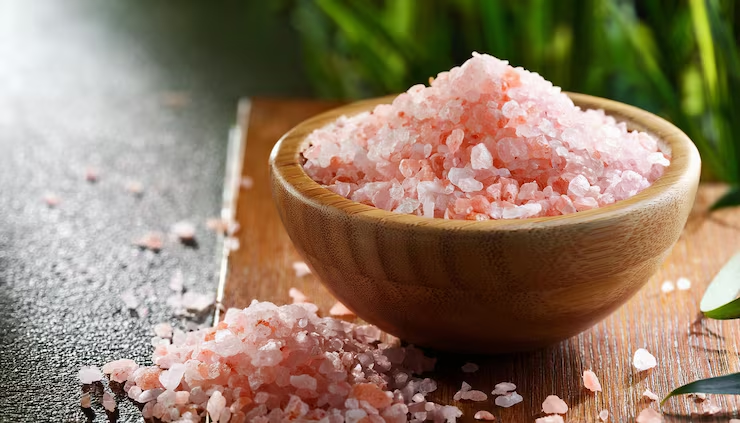
- Himalayan Pink Salt: This is an unrefined, minimally processed salt. Its beautiful pink hue comes from trace minerals, primarily iron oxide. But it also contains dozens of other trace minerals, including the electrolytes potassium and magnesium, in small amounts. It’s a whole food ingredient.
- Table Salt (The Mistake): This is heavily processed sodium chloride. It’s been bleached, stripped of all its natural trace minerals, and then “fortified” with iodine and treated with anti-caking agents (like calcium silicate). Why use a processed ingredient when a whole one is available?
- Epsom Salt (The DANGER): Never use Epsom salt (magnesium sulfate) for a drink. It’s a powerful laxative and is not the “salt” we need for this recipe.
The culinary world has long embraced pink salt for its clean flavor and mineral complexity. That’s why I use it for everything from seasoning steaks to making brines. Its versatility is incredible, and you can explore these 11 Himalayan pink salt cooking tricks and recipes to see its full potential beyond this drink.
2. The Sweet: Why You MUST Add Sugar (A Chef’s Take on Glucose)
This is the most common point of resistance. “I don’t want sugar in my health drink.” But based on our analysis of the science, the sugar is functional. The glucose it provides is the transport mechanism. Without it, you’re just drinking salty water, which isn’t absorbed as efficiently.
But we can choose *better* sugars. As a chef, I choose sweeteners for their flavor profile.
- Raw Honey: My top choice. It’s a natural source of glucose and fructose, contains its own enzymes, and adds a beautiful floral note.
- Pure Maple Syrup: Adds a wonderful, deep, mineral-rich flavor (it contains manganese and zinc) that pairs beautifully with the salt.
- Agave Nectar: A neutral flavor, but it’s mostly fructose, which is processed differently by the body. Honey or maple is the better practice here.
- White Sugar: Pure sucrose. It works perfectly for the science, but it’s a “dead” ingredient from a flavor and nutrient perspective.
3. The Sour & Flavor: The Balancing Act (Potassium Source)
This is what makes your homemade pink salt rehydration recipe palatable. Plain salt water is unappetizing. The acid is the “seasoning” that makes it bright and refreshing.
- Lemon or Lime Juice: My top choice. It’s a classic culinary pairing with salt (think margaritas or ceviche). It’s also a fantastic natural source of the electrolyte potassium, which is crucial for muscle function.
- Orange Juice: A great option, especially for a “morning” drink. It brings its own sugar (so you’d use less honey/maple) and is packed with potassium.
4. The Base: The Water Component
This is the canvas.
- Filtered Water: Use clean, filtered water. Simple.
- Coconut Water (The “Pro” Version): This is nature’s own electrolyte drink. It’s low in sugar and loaded with potassium. Using coconut water as your base (and *still* adding the pink salt) creates an incredibly powerful and effective hydration drink.
The 3-Step Core ‘Recipe’ for a DIY Pink Salt Electrolyte Drink
This is the “mother recipe”—the base from which all variations are born. In cooking, this is like mastering stocks and sauces; once you have the base, you can take it in any direction. This recipe is for one liter (about 4 cups or 32 oz).
Step 1. Assemble Your Ingredients (The Base Ratio)
- 4 cups (1 Liter) Water (Filtered or Coconut Water)
- 1/4 teaspoon (a crucial, measured amount) Himalayan Pink Salt (fine grain dissolves easiest)
- 2 tablespoons (1 oz) Raw Honey or Pure Maple Syrup
- 1/2 cup (4 oz) Fresh Lemon Juice (about 2-3 lemons)
Step 2. The Technique: Dissolve and Emulsify
This is a culinary technique. Do not just dump everything in cold water.
- Pour about 1 cup of the water into a small saucepan and warm it gently (not boiling).
- Add the 1/4 teaspoon of pink salt and the 2 tablespoons of honey/maple syrup.
- Stir or whisk until the salt and honey are completely dissolved. This creates a “base syrup” or “concentrate.”
- Pour this warm, concentrated base into your larger 1-liter pitcher.
- Add the remaining 3 cups of cold water and the 1/2 cup of lemon juice.
- Stir vigorously to combine.
By dissolving the salt and sugar in warm water first, you ensure a perfectly smooth, consistent drink every time, with no gritty salt at the bottom.
Step 3. The Chef’s Final Touch: Taste and Adjust
This is the most important part of any recipe. Taste it.
- Too sour? Add another teaspoon of honey.
- Not “bright” enough? Add another splash of lemon juice.
- Too “flat”? This is the only time you’d add more salt, but be *extremely* careful. The goal is a drink that is less salty than your own tears. It should be just a hint of savoriness that balances the sweet and sour.
Chill this mixture and drink it during or after a heavy workout, a long day in the heat, or during illness.
Pro-Level Variations on the DIY Electrolyte Drink Recipe
Now that you have the base, you can get creative. This is like adding aromatics to a stock or creating a signature sauce.
The “Ginger-Turmeric” Recovery Drink
This is my personal favorite for post-workout recovery, as ginger and turmeric are famed for their anti-inflammatory properties.
- Follow the main recipe, but in Step 2, add a 1-inch piece of thinly sliced fresh ginger and 1/4 teaspoon of ground turmeric to the warm water.
- Let it steep for 10 minutes (like tea) before straining the “syrup” into your pitcher.
- This is similar to the flavor-infusion process used when making a complex chili oil; you’re using heat to extract volatile compounds.
The “Summer Berry” Potassium-Boost Drink
- Make the base recipe as directed.
- Add 1/2 cup of fresh or frozen raspberries or strawberries.
- Use an immersion blender (or a regular blender) to blitz everything together.
- If you wish, you can strain it through a fine-mesh sieve for a smoother “juice-like” texture. Raspberries are another fantastic source of potassium.
The “Herbal Garden” Refresher
- Make the base recipe as directed.
- In your pitcher, add a few sprigs of fresh mint or basil.
- Let it sit in the fridge for at least 1 hour for the herbal oils to infuse into the drink.
- This is incredibly refreshing on a hot day.
Common Mistakes When Making a DIY Pink Salt Electrolyte Drink
From my expert analysis, here are the critical errors that can make your drink ineffective or even dangerous.
- The “More is Better” Salt Mistake. This is the single most dangerous mistake. Adding too much salt (e.g., 1-2 teaspoons per liter) creates a “hypertonic” solution. This can actually *dehydrate* you, as your body has to pull water from its own cells to dilute the salt in your gut. It can cause nausea, cramping, and an electrolyte imbalance. Stick to the 1/4 teaspoon per liter ratio.
- Skipping the Sugar/Carb. As we discussed, the sugar is functional. A zero-sugar “keto” electrolyte drink will not rehydrate you as rapidly during intense exercise because it lacks the glucose co-transporter.
- Using Cold Water to Mix. This is a simple culinary mistake. The salt won’t dissolve, and the honey will clump. You’ll get a gritty, inconsistent drink. Use the warm water technique.
- Gulping It When Not Needed. This recipe is a “functional” beverage. It’s designed for rapid rehydration (after 60+ minutes of heavy sweating, on a very hot day, or during illness). It is not a “sipping” water to drink at your desk all day. For all-day hydration, stick to plain water.
A Food Expert’s Final Word: Hydration is Balance
This entire DIY pink salt electrolyte drink recipe is, in the end, a lesson in culinary balance. It’s the same fundamental principle that governs all good cooking.
- The balance of salt, sweet, and acid in our drink is the same balance I look for in the perfect stir-fry sauce.
- The principle of using a whole, unrefined mineral base (pink salt) is the same principle behind mastering European classics, which prioritize quality ingredients over processed shortcuts.
- The concept of “functional flavor” (lemon for potassium, ginger for anti-inflammation) is identical to the philosophy of mastering authentic Chinese food, where ingredients are chosen for both taste and effect.
You have the power in your own pantry to create a drink that is cleaner, more delicious, and more effective than most of what you can buy. Trust your ingredients, and trust your palate.
For more information on the science of electrolytes and their role in the body, authoritative sources like Healthline provide a great medical overview. But for the *recipe*? Trust a chef.
Frequently Asked Questions (FAQ)
1. What is the best DIY pink salt electrolyte drink recipe?
The best and safest base recipe is: 4 cups (1 liter) of water, 1/4 teaspoon Himalayan pink salt, 2 tablespoons of raw honey or maple syrup, and 1/2 cup of fresh lemon juice. This provides the perfect balance of minerals (sodium, potassium) and glucose for absorption.
2. Can I use regular table salt instead of pink salt?
It is not recommended. Table salt is heavily processed, stripped of all beneficial trace minerals (like magnesium and potassium), and contains anti-caking agents. The practice of using unrefined Himalayan pink salt provides a more complex, whole-food mineral profile.
3. Do I really need to add sugar or honey to my electrolyte drink?
Yes. Based on scientific analysis, this is the most common mistake. A small amount of sugar (glucose from honey, maple, or sugar) is functionally necessary. It activates the body’s sodium-glucose cotransport system, which pulls water and sodium into your cells much faster.
4. How much pink salt is safe to put in my water?
The expert-recommended, safe ratio for a homemade pink salt electrolyte drink is 1/4 teaspoon of salt per 1 liter (4 cups) of water. Adding more can create a hypertonic solution, which can cause nausea and actually dehydrate you further.
5. Is it safe to drink a pink salt electrolyte drink every day?
This recipe is a “functional” drink for rapid rehydration. It’s best used during or after intense exercise (60+ minutes), on extremely hot days, or during illness. It is not meant to replace plain water. For regular, all-day hydration, plain water is the best practice.