The Ultimate Guide to the Double Frying French Fries Method
Double frying french fries method is a culinary technique that involves cooking potatoes in oil twice at two different temperatures to achieve superior texture. The first, lower-temperature fry cooks the interior to a fluffy, tender state, and the second, higher-temperature fry rapidly crisps the exterior. This process separates cooking and crisping, resulting in the perfect fry. Here’s how to master it.
The sound started quietly, almost a whisper, then grew into a roaring, hypnotic sizzle. It was the sound of a failure, a dozen times over, finally giving way to success.
I spent the first decade of my cooking life chasing the phantom of the perfect French fry. They’d be beautiful and golden fresh from the oil, only to turn limp and sad a minute later, like a deflated soufflé. I tried different potatoes, different oils, even different prayers. Nothing worked.
Then I discovered the double frying french fries method. It wasn’t a trick; it was a revelation. It’s the difference between a decent, forgettable side dish and a magnificent, life-affirming culinary creation. It’s the secret every great bistro and every Michelin-starred chef uses, and once you understand the simple science behind it, you’ll never go back to single-fry mush.
This isn’t just a recipe; it’s a deep-dive into the art of the perfect fry. Think of it as your final lesson, the one that guarantees that glorious, shattering crunch and the cloud-like fluff of potato waiting inside.
The Quest for the Perfect Crunch: Why We Double Fry
Most cooking methods try to accomplish two opposing goals at the same time: cooking the food through and creating a beautiful, crisp crust. When you attempt this with a potato in a single fry, the exterior burns before the starch inside is fully cooked and tender. Worse, the internal moisture desperately tries to escape, leading to that dreaded soft, floppy texture we all hate.
The double frying french fries method is elegant because it separates these two objectives completely. The first, lower-temperature bath is dedicated solely to cooking the potato’s interior and setting the starch. The second, high-temperature blast is dedicated solely to driving out the surface moisture and creating a shatteringly crisp, golden shell. It’s a two-stage process that guarantees excellence.
The Science of Sizzle: How Starch and Water Play the Game
Potatoes are essentially bundles of starch and water. For a perfect fry, you need the starch to gelatinize (become tender and creamy) and the water to leave the surface.
Fry 1 (Blanching): We heat the oil to a medium temperature. This gently heats the potato, allowing the starch molecules to cook and expand without burning the outside. Critically, it begins the process of pushing water to the surface.
The Rest: As the potatoes cool, the surface moisture evaporates further. The internal structure stabilizes, creating a protective, ready-to-crisp layer.
Fry 2 (Crisping): The high heat blasts the remaining surface moisture into steam. This intense, rapid dehydration creates the final, magnificent, porous, and crunchy crust—a perfect shell that locks in the fluffy interior.
Selecting Your Tuber Titan: The Best Potatoes for Frying
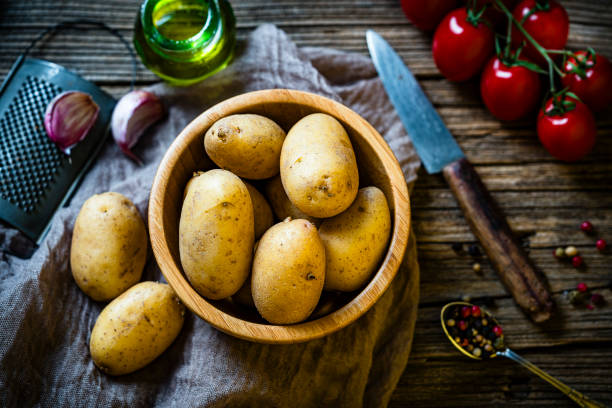
To truly master the double frying french fries method, you have to start with the right foundation. Forget the waxy, low-starch varieties. We are looking for a high-starch potato.
My absolute champion is the Russet potato. Known in some parts as a baking potato, its high starch content and low moisture profile are the perfect combination. They break down beautifully in the first fry to give you that incredible internal fluffiness.
The Cut: Aim for an even, consistent thickness—about to of an inch thick. Consistency is key for even cooking. If some are thin and some are thick, you’ll end up with a few burnt soldiers and a few raw recruits.
Pre-Game Prep: The Essential Soak and Dry Routine
This is the non-negotiable step most home cooks skip. Immediately after slicing your Russets, plunge them into a large bowl of ice-cold water.
The Soak: Let them luxuriate for at least 30 minutes, or even better, a couple of hours. This process draws out the surface starch. Removing this excess starch is crucial; it’s what causes the potatoes to stick together and turn grey or prematurely dark when frying.
The Dry: After soaking, you must dry them completely. You’re trying to remove moisture, so don’t introduce a bunch right before frying. Lay them out on a few layers of paper towels or a clean kitchen towel and pat them until they are undeniably, thoroughly dry. Any water hitting hot oil is an invitation to a violent, splattering mess.
The Kitchen Arsenal: Oil, Temperature, and the Right Tools
A heavy-bottomed pot, like a Dutch oven, is your best friend for maintaining consistent oil temperature. Do not try this in a thin saucepan. You also need a reliable deep-fry thermometer. Guessing the temperature is the number one cause of soggy fries.
Choosing the Ultimate Frying Medium
The oil needs a high smoke point. Don’t use your delicate, extra-virgin olive oil here! My recommendations for achieving that signature maillard crust:
Peanut Oil: My personal favorite. High smoke point, neutral flavor, and great results.
Canola or Vegetable Oil: Excellent, affordable, and readily available high-heat options.
First Fry: The Starch-Setting Blanching Stage
This is a gentle process—a bath, not a blast furnace. We are simply coaxing the starch to yield.
Pour enough oil into your pot to cover the potatoes completely, allowing a few inches of clearance from the rim.
Heat the oil slowly to a controlled temperature.
Monitoring the Thermometer: The Crucial Temperature for the Blanch
The target temperature for the first stage is ().
Carefully add the dried potatoes to the oil in small batches. Overcrowding the pot drastically drops the oil temperature and leads to steaming, not frying.
Fry the potatoes for 5 to 8 minutes. They should cook through, but show very little color. They will look pale, slightly translucent, and cooked.
Use a spider or slotted spoon to lift them out and drain them thoroughly on a wire rack lined with paper towels (the rack is better for airflow).
The Rest: The Golden 15-Minute Rule
The time between the two fries is just as important as the fries themselves. Let the blanched potatoes rest for at least 15 minutes.
As they rest, the surface moisture continues to evaporate, and the heat from the center of the potato dissipates. This cooling period is essential for creating the temperature differential needed for the spectacular second fry. You can rest them for a couple of hours at room temperature, or even refrigerate them for several hours if preparing ahead!
Second Fry: The High-Heat Crispification Stage
It’s time for the grand finale—the hot, fast, and aggressive finish.
Increase the heat of your oil to the final, high temperature.
Once again, ensure you fry in small batches.
The Final Fry Temperature: Bringing the Color to Life
The target temperature for the second, crisping stage is ().
Carefully drop the rested fries into the screaming hot oil.
Fry for only 2 to 4 minutes. They will transform rapidly, turning from pale to a deep, magnificent golden-brown. Watch them like a hawk!
When they are the perfect color, lift them out quickly.
Finishing Touches: The Secret Seasoning Sprinkle
This detail matters. As soon as the fries exit the oil, while they are dripping hot and porous, transfer them to a bowl lined with fresh paper towels. Immediately shower them with fine sea salt. The heat and oil will absorb the seasoning right into the crust, rather than letting it just sit on the surface.
👨🍳 Pro Tip: Never season your fries over the oil pot! The falling salt accelerates the breakdown and degradation of your clean frying oil. Instead, use a separate, large mixing bowl for seasoning immediately after draining.
Toss them gently once or twice and serve them immediately. That glorious crunch won’t wait.
Troubleshooting Your Fries: Why They Might Be Soggy
If you followed the double frying french fries method and still ended up with a slightly less-than-perfect result, it almost certainly comes down to one of these three common issues:
Overcrowding: If you try to cook too many fries at once, the oil temperature drops dramatically, turning the pot into a steamer instead of a fryer. Use small batches!
Insufficient Drying: If the potatoes weren’t completely dry after the cold soak, the moisture has to boil off before the crisping can begin, extending the cook time and creating a dense, tough fry. Pat them dry!
No Rest/Improper Rest: Skipping the rest period or putting warm fries back into the oil is a recipe for internal mush. The cool-down is mandatory for surface dehydration and structural integrity.
Ready to Serve? Achieving Fry Perfection at Home
There you have it—no more soggy spuds, no more pale, sad sticks. You now possess the secret to the world-class French fry, the double frying french fries method. It requires a little extra time and a thermometer, but the difference in texture and taste is so profound it’s almost a different food. Go forth and create that perfect, golden crunch.
Can I use the double frying french fries method with frozen fries?
Yes, but you only perform the second, high-heat fry. Frozen fries are typically blanched (the first fry) commercially before freezing. Simply skip the first stage, let them thaw slightly, and cook them at until golden brown and crispy, following the second-stage instructions.
What is the ideal oil temperature for each stage of the double frying method?
The ideal temperatures are: First Fry (Blanching) at () for cooking the interior, and the Second Fry (Crisping) at () for creating the crust.
How do I safely dispose of the used frying oil?
Allow the oil to cool completely back to room temperature. Pour it back into its original container or a non-recyclable sealed container (like a plastic milk jug) and dispose of it in the regular trash. Never pour oil down the sink or drains, as it will solidify and cause clogs.
Can I prepare the first fry batch ahead of time?
Absolutely. This is one of the best parts of the double frying french fries method. After the first fry, let them cool completely and store them in an airtight container in the refrigerator for up to 2-3 days. When you’re ready to serve, pull them out and proceed directly to the second, high-heat crisping fry.
How long should I soak the cut potatoes before frying?
The minimum soaking time in cold water is 30 minutes, but 1-2 hours is ideal. This process extracts the excess starch, which prevents the fries from sticking together and ensures they achieve a cleaner, paler color after the first cook.
Would you like me to suggest the perfect dipping sauce to pair with your new, ultra-crispy fries?