Fixing Scrambled Carbonara: The Ultimate Guide to Avoiding a Pasta Catastrophe
Last Updated on 2025-11-06 by Suryo

Introduction to Scrambled Carbonara
Scrambled carbonara is often a topic of contention among pasta enthusiasts. This very popular Italian dish, traditionally composed of spaghetti, eggs, cheese, and pancetta or guanciale, can sometimes morph into a culinary disaster, resembling scrambled eggs rather than the creamy lusciousness that is the hallmark of a well-executed carbonara. The transition from a velvety sauce to a plate of scrambled eggs is a phenomenon that can leave the best of cooks scratching their heads.
The fundamental confusion seems to arise from misunderstandings about technique and timing. When preparing carbonara, the goal is to create a smooth, cohesive sauce that clings to the pasta, enhanced by the heat of the freshly cooked noodles. Unfortunately, if the eggs are added to the pan too vigorously or if the pasta cools down too quickly, the result can be a curdled mess. As amusing as the term “scrambled carbonara” may sound, it is a misstep that many aspiring chefs can easily fall victim to, igniting spirited debates within culinary circles.
The Classic Carbonara: What You’re Aiming For
When discussing authentic carbonara, one must acknowledge the delicate balance between simplicity and richness that characterizes this classic Italian dish. Traditional carbonara, originating from the Lazio region, primarily consists of just a handful of high-quality ingredients: spaghetti, guanciale (or pancetta), Pecorino Romano cheese, eggs, and freshly cracked black pepper. The aim is to create a creamy, flavorful sauce that adheres beautifully to the pasta without becoming overly heavy or grainy, which is essential to avoiding the dreaded scrambled carbonara.
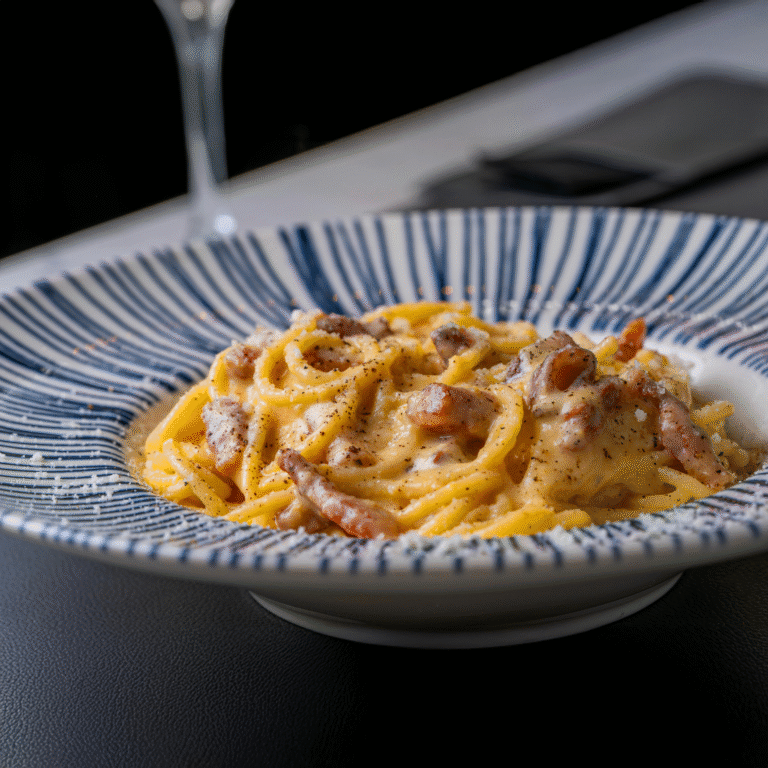
The texture of authentic carbonara is often described as silky and smooth, providing a luscious mouthfeel that enhances each bite. The warmth of the cooked pasta gently emulsifies the eggs and cheese, resulting in a sauce that clings to the strands, rather than a clumpy dish that resembles scrambled eggs. When prepared correctly, the dish should present a glossy appearance, with each ingredient visible yet harmoniously blended, embodying the essence of Italian culinary excellence.
In contrast, the infamous scrambled carbonara arises when the dish is mishandled, often due to excessive heat or improper mixing techniques. This unfortunate outcome results in curdled eggs rather than the creamy emulsion one seeks. Visual clues include a separated, unappetizing texture that fails to envelop the pasta, along with an overly rich flavor profile, where the subtleties of the ingredients are diminished. With such clear distinctions, it becomes imperative to understand the traditional methods of preparing carbonara to appreciate the artistry involved in crafting this beloved dish.
In your pursuit of fixing scrambled carbonara, recognize the significance of each component and the techniques that create that perfect, creamy consistency. Raising your pasta standards starts with embracing the original qualities of this iconic meal.
Common Mistakes When Making Carbonara
When it comes to crafting the perfect carbonara, several common mistakes often lead to a less-than-desirable outcome, resulting in what many refer to as scrambled carbonara. Understanding these pitfalls can significantly improve your chances of success in this classic Italian dish.
One frequent error is overcooking the eggs. Carbonara relies on the gentle heat from the pasta to create a creamy sauce without scrambling the eggs. When the eggs are whisked with cheese prior to being mixed with the hot pasta, they must be tempered gradually to avoid curdling. If you pour the egg mixture directly onto the pan or over too much heat, you risk transforming your luxurious sauce into scrambled bits. Instead, it is vital to remove the pasta from the heat before incorporating the egg and cheese mixture, allowing the residual heat to do the work.
Another common mistake is using the wrong kind of cheese. Authentic carbonara typically calls for Pecorino Romano, which imparts a sharp, salty flavor that complements the dish beautifully. Substituting it with other cheeses, such as parmesan, can alter the fundamental taste profile. Furthermore, skimping on the amount of cheese may result in a bland carbonara, failing to deliver that rich indulgence that is a hallmark of this dish.
Additionally, many cooks overlook the importance of pasta water. This starchy water is essential for achieving the desired consistency of the sauce. Adding pasta water gradually helps emulsify the sauce, ensuring it clings perfectly to the pasta. Failing to reserve enough water can lead to a dry, sticky mixture instead of the silky sauce that is characteristic of a well-made carbonara.
In light of these common issues, being mindful of your cooking process from egg handling to cheese selection and water usage can dramatically improve your carbonara and prevent the dreaded scrambled outcome. Making these simple adjustments will help you enjoy a satisfying and authentic Italian experience in your kitchen.
How to Fix Scrambled Carbonara: Step by Step
Fixing scrambled carbonara can be a straightforward process if approached with care and attention. The first step to rectify the issue is to immediately remove the pan from the heat. This action helps to prevent further cooking of the eggs, which is often the primary cause of the scrambled texture. Allowing the pasta to cool slightly can also aid in stopping the cooking process.
Next, incorporating a ladle of reserved pasta water is crucial. This water, which contains starch, assists in creating a silky sauce when combined with the other ingredients. Gradually add the water while stirring continuously, allowing the mixture to emulsify. This emulsification will help achieve the creamy consistency typical of a well-executed carbonara.
Should the dish appear too thick or clumpy, consider incorporating additional ingredients, such as freshly grated cheese or a small amount of cream. These additions can lend richness and improve the overall texture. Remember to use authentic Pecorino Romano or Parmigiano-Reggiano, as these cheeses contribute significantly to the flavor profile of the dish.
Moreover, it is essential to maintain the correct temperature throughout the process. After removing the pan from heat, opt for residual warmth instead of direct heat, as this allows the sauce to come together without scrambling the eggs. Stirring vigorously will help distribute the heat evenly, ensuring a smooth blend of ingredients.
Finally, the moment of truth comes when plating your dish. Toss in freshly cracked black pepper and a sprinkle of cheese for a final touch. Your carbonara should now showcase a beautifully creamy and velvety texture. Mastering these steps in fixing scrambled carbonara not only rescues your meal but also enhances your culinary skills for future pasta adventures.
Pasta Water: The Unsung Hero
Pasta water is often an overlooked ingredient in the quest for the perfect carbonara. This starchy, slightly salty water holds the key to achieving that coveted creamy texture in your sauce. When cooking pasta, it absorbs some of the starches released during the cooking process, resulting in a liquid that can thicken and bind your sauce effectively. In the realm of fixing scrambled carbonara, understanding and utilizing pasta water can be a game-changer.
The importance of pasta water cannot be overstated. When you combine your al dente spaghetti with the egg and cheese mixture, the temperature needs to be just right to avoid scrambling the eggs. Here, pasta water acts as a bridge. The heat from the pasta gently cooks the eggs, while the starch from the water helps to emulsify the sauce, creating a luscious and creamy consistency. Without it, you risk a lumpy, scrambled mess—definitely not the ideal outcome for your carbonara.
For those seeking to salvage a dish that may have turned out less than perfect, remember to reserve a cup of pasta water before draining your noodles. Start by adding a tablespoon at a time to your sauce, mixing thoroughly until the desired consistency is achieved. This method allows you to control the creaminess of your carbonara and ensures that you do not dilute the flavor. Additionally, it’s not uncommon to find oneself in the kitchen, experimenting with varying amounts of pasta water in search of the ultimate creamy sauce. Each trial contributes to culinary expertise.
One fun anecdote involves a cooking attempt where too much pasta water was added, resulting in a soup-like consistency. While daunting at first, that experience taught the valuable lesson of moderation and careful integration of the starchy liquid. Thus, pasta water, when used wisely, becomes a steadfast ally in fixing scrambled carbonara and elevating your dish to new heights.
Ingredient Alternatives for a Better Carbonara
One of the most essential aspects of fixing scrambled carbonara lies in selecting the right ingredients. While traditional carbonara is made with guanciale, eggs, Pecorino Romano cheese, and black pepper, some ingredient substitutions can enhance your dish or prevent the dreaded scrambled consequence when preparing it. For individuals looking for bacon alternatives, pancetta is a suitable choice, offering a similar flavor profile with a slightly different texture. If neither pancetta nor guanciale is available, turkey bacon or even beef bacon may serve as a viable alternative, though these may alter the dish’s traditional taste.
For those seeking vegetarian options, understanding how to replicate the rich flavors of carbonara becomes crucial. Smoky tempeh or mushrooms, especially varieties like shiitake or portobello, can provide a savory umami flavor that complements the remaining ingredients. Combining these with a touch of smoked paprika can help mimic the traditional bacon flavor while keeping the meal plant-based. Moreover, using nutritional yeast instead of Pecorino Romano cheese can not only lend a cheesy taste but also enhance the nutritional value of the dish for vegans and lactose-intolerant individuals.
Eggs are pivotal in achieving the creamy sauce of carbonara, but for a non-dairy alternative, silken tofu blended with nutritional yeast can create a rich and creamy texture without the eggs’ risk of scrambling. Another approach is to use a mixture of cornstarch and almond milk, which can act as a thickening agent while providing a smooth consistency. By exploring these creative ingredient alternatives, you can elevate your carbonara while minimizing the risk of an unappetizing scrambled result. These substitutions encourage experimentation, providing opportunities to create a version of the dish that caters to various dietary preferences and taste preferences.
Pro Tips from the Experts
When it comes to fixing scrambled carbonara, the insights from seasoned chefs can make all the difference in achieving that creamy, savory texture. One of the foremost pieces of advice is to use the right type of pasta. Opt for spaghetti or fettuccine, as their long strands hold the sauce better, contributing to a more cohesive dish. Additionally, make sure to cook the pasta al dente, as this ensures it will not overcook during the mixing process.
Temperature is also crucial. Chefs emphasize the importance of combining hot pasta with the egg and cheese mixture immediately after draining it. This allows the residual heat from the pasta to gently cook the eggs, preventing the formation of a scramble. Avoid rinsing the pasta, as it will cool it down and hinder proper emulsification. For an extra layer of flavor, consider adding a splash of reserved pasta water to the mixture, aiding in achieving the desired creamy consistency.
Another secret shared by culinary experts is the use of high-quality ingredients. Opt for fresh egg yolks and the best cheese you can find, such as Pecorino Romano or Parmigiano-Reggiano. These ingredients not only enhance the flavor but also ensure that the sauce remains luxurious and rich. Additionally, the proper timing of incorporating your cooked guanciale or pancetta is essential, as it helps to create a flavorful base without overpowering the dish.
Lastly, don’t rush the process. Many chefs recommend taking your time when mixing the ingredients. Slowly blend the pasta with the sauce until it reaches the desired creaminess. With consistency and patience, you can learn how to avoid a pasta catastrophe. Remember, the key to fixing scrambled carbonara lies in attentiveness and practice, ensuring every plate is a delightful experience.
Serve and Impress: Plating Your Carbonara
When it comes to cooking, presentation is nearly as important as the taste, especially when preparing a classic dish like carbonara. Fixing scrambled carbonara might be a culinary challenge, but with a touch of creativity, you can transform it into a dish that not only pleases the palate but also looks appealing on the plate. A well-plated carbonara sets the stage for an impressive dining experience, whether you’re serving guests or photographing for social media.
To achieve an eye-catching presentation, start by selecting the right plate. Opt for a simple, wide, white bowl or plate to let the colors of your carbonara shine. Using a warm plate helps maintain the temperature of the dish and creates a more inviting appearance. Additionally, pay attention to the arrangement of ingredients. Gently twirl the pasta into a nest-like shape in the center of the plate, allowing the creamy sauce to cascade attractively over the top.
Finishing touches can elevate your dish even further. A sprinkle of freshly cracked black pepper, a light dusting of grated Pecorino Romano cheese, and a few fresh parsley leaves provide vibrant color contrasts and enhance the visual appeal. For an Instagram-ready touch, consider placing a few cooked guanciale or pancetta pieces artfully on top or at the side to highlight the key components of the dish.
Humorously, one could say that the culinary world is ruled by aesthetics as much as by taste. Your guests are likely to be impressed not only by your culinary skills in fixing scrambled carbonara but also by how it looks on the plate. So, take the time to artfully present your dish, and remember: a beautiful plate is often the first step in ensuring that the meal is thoroughly enjoyed!
Frequently Asked Questions (FAQ)
When it comes to fixing scrambled carbonara, many home cooks have a number of questions. Understanding the nuances of this classic dish can significantly improve the experience and outcome. Below, we address some common inquiries related to this Italian delicacy.
Q1: Why did my carbonara turn out scrambled?
A common issue with carbonara is the eggs cooking too quickly, resulting in a scrambled texture instead of a smooth, creamy sauce. To avoid this, ensure you are not adding the egg mixture to the pasta while it is still on high heat. Remove the pan from the heat and let it cool slightly before combining the ingredients. This method allows the residual heat to cook the eggs gently, preventing them from scrambling.
Q2: Can I use different types of pasta for carbonara?
While traditional carbonara is made with spaghetti, you can use other types of pasta such as fettuccine, linguine, or even penne. The primary goal is to achieve a good coating of the sauce. Remember that the cooking time may vary depending on the pasta shape chosen, so adjust accordingly.
Q3: What are the best ingredients for a creamy carbonara sauce?
Using fresh, high-quality ingredients is crucial for the best flavor. Opt for large eggs, preferably organic, and good-quality Pecorino Romano cheese for that authentic taste. Guanciale or pancetta is preferred for the meat component, offering rich flavor essential in fixing scrambled carbonara. If you’re concerned about dietary restrictions, you can use alternatives; however, the traditional ingredients provide the most authentic outcome.
With these common questions addressed, you are now better equipped to tackle your next carbonara adventure. Remember, practice makes perfect, and soon you’ll be serving a flawless plate of this beloved dish!