5 Ways Fixing Soggy Chinese Fried Rice Errors (Chef’s Rescue Guide)
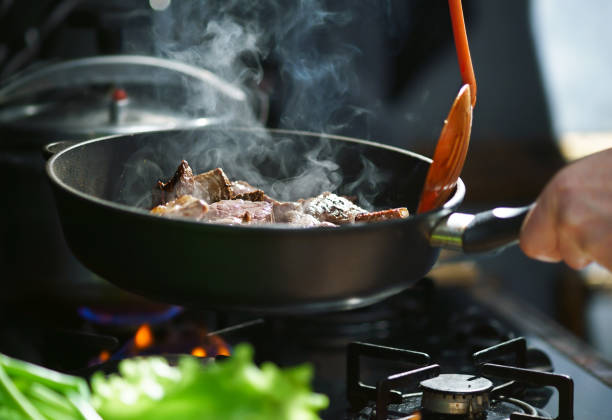
The Quick Rescue: The most effective way for fixing soggy Chinese fried rice errors immediately is the “Spread and Sear” method. Increase your heat to high, spread the rice in a thin layer up the sides of the wok, and stop stirring for 30-60 seconds. This increases the surface area for evaporation, allowing the excess moisture to steam off and the grains to crisp up before they turn into mush.
There are few culinary tragedies more disheartening than craving a plate of individual, golden grains of fried rice, only to end up with a heavy, clumpy risotto-like mash. I remember my first time cooking for a dinner party in Sydney; I tried to double the recipe in a small pan, poured in too much soy sauce, and watched in horror as my vibrant dish turned into a grey, wet sludge. It felt heavy, greasy, and completely unappetizing. We often think fried rice is the easiest dish to throw together, but it is deceptively technical. It requires a balance of heat, timing, and moisture control. If you are currently staring at a wet pan of rice, don’t panic. We can salvage this by understanding exactly what went wrong and applying some aggressive heat management.
Before we dive into the fixes, it helps to understand the benchmark we are aiming for. As detailed in our guide to perfect fried rice secrets from restaurant chefs, the goal is distinct grains that have been “kissed” by the wok, not drowned in it.
The Science of Starch Retrogradation
To fix the problem, we must understand the chemistry of the grain. Rice is packed with starch. When hot and fresh, these starches are gelatinized and sticky—they act like little glue traps holding onto water. This is why every recipe tells you to use day-old rice. This process, called retrogradation, allows the starch structure to crystallize and harden, making it resistant to clumping.
However, simply using old rice isn’t a magic bullet. If you overcrowd the pan or add liquid seasonings too quickly, you re-hydrate those starches and create a steam bath instead of a stir-fry. When you are fixing soggy Chinese fried rice errors, you are essentially fighting against this re-hydration process. You need to drive moisture out faster than the rice can absorb it.
The “Spread and Sear” Rescue Method
If your rice is already in the pan and looking wet, stirring it frantically will only make it worse. Agitation releases more starch, creating a stickier mess. Instead, you need to use the surface area of your cookware to your advantage. This technique mimics the intense heat of a commercial burner on a home stove.
- Crank the Heat: Turn your burner to the absolute maximum setting. You need immediate evaporation.
- Create a Crater: Push the rice from the center of the wok or skillet up towards the sides, creating a thin layer across the entire heated surface. It should look like a bowl made of rice.
- The Hands-Off Rule: Let it sit undisturbed for 45 to 60 seconds. You want to hear a crackling sound, which indicates the water is boiling off and the oil is frying the grain.
- Fold and Repeat: Once you see steam reducing and smell a toasted aroma, fold the rice over and repeat the process.
Sauce Management: The “Rim Drizzle” Technique
A major culprit for mushy rice is dumping soy sauce, oyster sauce, or wine directly onto the rice in the center of the pan. The rice absorbs this liquid instantly like a sponge before it has a chance to cook off. This is a rookie mistake that kills the texture immediately.
The correct method, which contributes to getting real wok hei flavour, is to drizzle your liquid seasonings around the smoking hot rim of the wok. This sears the sauce, caramelizing the sugars and evaporating the bulk of the water content before it even touches the rice. You get the flavor and the aroma without the added water weight that leads to sogginess.
Ingredient Overloading and Temperature Drop
We often get ambitious and toss in shrimp, chicken, peas, carrots, and eggs all at once. In a home kitchen, this mass of ingredients acts as a heat sink. The temperature of the wok plummets, and instead of frying, your ingredients begin to braise in their own juices. The liquid released from vegetables pools at the bottom, boiling your rice into submission.
To avoid this, cook your proteins and high-moisture vegetables (like onions or bok choy) separately first, then remove them. Only return them to the pan at the very end, once the rice is crispy and hot. This ensures that the rice has exclusive access to the heat source for the majority of the cooking time.
The Microwave Hack for Fresh Rice
Sometimes, despite your best efforts at high heat, the rice just feels heavy and wet. This often happens if the rice was cooked with too much water to begin with. In this scenario, the wok cannot save you alone. You need to dehydrate the grains internally.
According to food science principles discussed by experts like Serious Eats, removing surface moisture is key. Spread your soggy fried rice onto a large plate and microwave it for 1-2 minutes on high. The microwave excites the water molecules specifically, driving them out as steam more efficiently than a pan can. Once slightly dried out, toss it back into the hot wok with a touch of oil to revive the crisp texture. It is an unconventional trick, but it works wonders in a pinch.
Saving Your Dinner
Fried rice should be a celebration of texture, a dish that eats light but tastes rich. By controlling the moisture and respecting the heat capacity of your stove, you can turn a potential disaster into a smoky, delicious meal. Remember, if it looks wet, stop stirring and start searing.
Common Fried Rice Troubleshooting (FAQ)
- Why is my fried rice sticky and clumpy?
This is usually because the rice was either too fresh (too much moisture inside) or you overcrowded the pan, causing the temperature to drop and the rice to steam instead of fry. - Can I use jasmine rice for fried rice?
Yes, but jasmine rice is naturally softer and stickier. You must use less water when steaming it initially (a 1:1 ratio) if you plan to fry it later. - How do I fix soggy rice without a wok?
If using a flat skillet, cook in very small batches. Divide your rice into 2 or 3 portions. Frying smaller amounts ensures the heat stays high enough to crisp the grains. - Should I rinse the rice before cooking?
Absolutely. Rinsing removes excess surface starch. If you don’t rinse it, that starch turns into a gluey paste when fried, making fixing soggy Chinese fried rice errors much harder later. - What implies that the fried rice is done?
You should see individual grains popping or “dancing” in the pan. The rice should have a matte finish, not a wet gloss, and there should be a distinct toasted aroma.