Master the Sear: How to Cook Steak on a Himalayan Salt Block
Last Updated on 2025-11-21 by Suryo
The Sizzle of Ancient Minerals
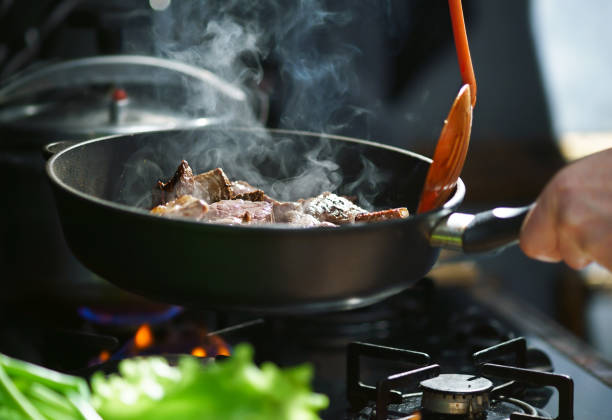
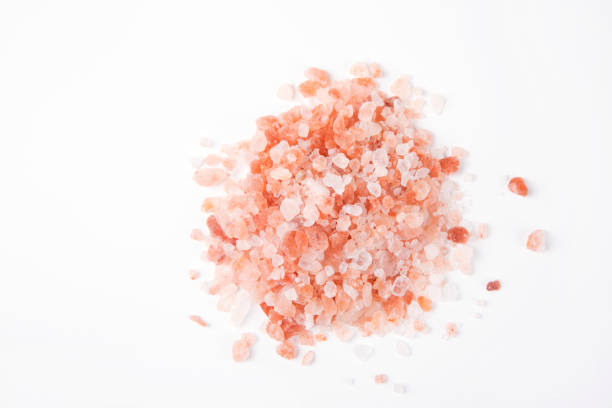
Imagine the sound of a thick-cut ribeye hitting a surface heated to 500 degrees Fahrenheit—a violent, appetizing hiss that instantly fills the kitchen with the aroma of rendered fat and toasted spices. But this isn’t cast iron. It is a slab of pink crystal mined from the earth, radiating a heat that doesn’t just cook the meat but seasons it simultaneously. Learning how to cook steak on a Himalayan salt block is the ultimate flex for any home cook. It creates a crust that is impossibly savory, mineral-rich, and crisp, offering a depth of flavor that a standard grill grate simply cannot achieve.
I admit, the first time I bought a salt block, it sat in my cupboard for six months because I was terrified of cracking it. But once I finally worked up the courage to use it, I realized I had been missing out on the best steak of my life. The salt draws moisture out of the beef instantly, creating a rapid sear that locks in juices while imparting a subtle salinity that penetrates deep into the muscle fibers. If you have already explored my guide on 11 Himalayan Pink Salt Cooking Tricks and Recipes, you know this tool is a game-changer. Now, we are going to master the specific art of the perfect beef sear.
Why the Stone Beats the Skillet
You might ask, “Why bother with a heavy rock?” The answer lies in the unique thermal properties of the mineral. Himalayan salt has an incredibly low porosity and holds temperature for a long time. When you drop a steak on it, the temperature of the block doesn’t drop drastically like a thin metal pan might.
This sustained high heat creates a uniform Maillard reaction—that beautiful browning we all crave. But unlike a skillet, the surface itself is the seasoning. As the steak cooks, microscopic layers of salt dissolve into the meat juices and re-absorb into the beef. It is a flavor transfer that feels almost alchemical.
The Thermal Staircase: Heating Your Block Safely
This is the most critical step. Salt is a crystal, not a metal. If you shock it with sudden heat, the internal stress will cause it to explode or crack violently. You must treat it gently.
Step 1: Low and Slow
Place your completely dry salt block on the gas burner (or over a spacer ring on an electric coil). Turn the heat to low. Leave it alone for 20 minutes. You want the heat to slowly permeate the center of the block.
Step 2: The Medium Climb
Increase the heat to medium. Let it heat for another 20 minutes. At this point, if you splash a drop of water on it, it should sizzle lightly.
Step 3: High Intensity
Turn the heat to high for a final 15 minutes. The block should reach around 500°F (260°C). Check the temperature with an infrared thermometer or the water test—the water should dance and evaporate instantly.
Selecting and Prepping the Beef
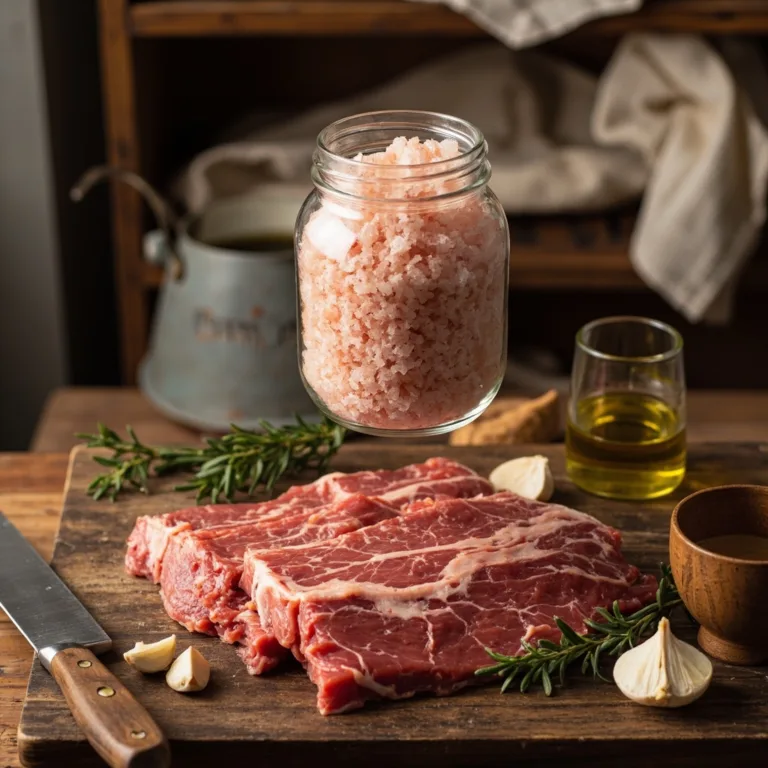
Not every cut is suitable for this method. Because the salt block imparts flavor rapidly, you want a cut that cooks relatively quickly but has enough fat to lubricate the surface.
The Best Cuts: Ribeye, New York Strip, or Flank Steak. Avoid super thick filets unless you plan to finish them in the oven, as the outside will get too salty before the inside is cooked.
The “No-Salt” Rule
This is where muscle memory will try to sabotage you. Do not salt your steak. The block is the salt. If you season the meat beforehand, you will end up with an inedible salt lick. Instead, pat the steak bone-dry with paper towels. Rub it lightly with a high-smoke point oil like avocado oil. Season generously with freshly cracked black pepper, garlic powder, or fresh herbs like rosemary.
The Searing Technique
Once your block is screaming hot, it is time to cook. This process moves fast, so have your tongs ready.
The Contact
Lay the steak away from you onto the block to avoid oil splatter. Press down gently with your tongs to ensure the entire surface of the meat is touching the crystal. You want maximum contact for maximum crust.
The Flip
For a 1-inch thick steak, sear for about 3 to 4 minutes per side for medium-rare. If the steak sticks when you try to lift it, wait thirty seconds. The protein will release naturally once the crust has formed. Flip it and sear the other side.
The Rest
Remove the steak from the block immediately. Do not turn the heat off and leave the steak there; the block retains heat for hours and will overcook your meat. Let the steak rest on a cutting board for 10 minutes to allow the juices to redistribute.
Understanding Curing vs. Cooking
It is important to distinguish this high-heat method from curing. When we cook on the block, we are using salt for immediate flavoring and texture. This is different from using salt to preserve meat over days or weeks. As I discuss in my article on Pink Salt Safe for Curing Meat, preservation requires specific conditions. Similarly, ensure you aren’t confusing your block with nitrates; read about the differences in Himalayan Pink Salt vs Curing Salt to keep your pantry organized.
Aftercare: Cleaning the Slab
Dinner is eaten, the wine is finished, and now you have a black, crusty stone on your stovetop. Do not panic. The discoloration is just carbonized protein and fat. It is a sign of a well-loved tool.
Allow the block to cool completely to room temperature. This takes a long time—often overnight. Do not attempt to clean a hot block, or it will crack.
Scrub and Dry
Take the cool block to the sink. Dampen a scouring pad or a stiff brush. No soap. Salt is antimicrobial, so bacteria cannot survive on it. Scrub the stuck-on bits vigorously. Use a damp cloth to wipe away the residue. Minimize the amount of water you use, as water dissolves the salt. Dry it immediately with a clean towel and place it on a drying rack.
If your block eventually breaks into chunks (which happens to all of them eventually), don’t throw it away. Dissolve the pieces to create mineral-rich “Sole” water. You can find the full guide on How to Make Sole Water with Pink Salt to utilize every last grain.
Conclusion: Elevate Your Tuesday Night
Knowing how to cook steak on a Himalayan salt block adds a touch of theater to your cooking routine, but more importantly, it produces a superior steak. The combination of intense heat and mineral seasoning creates a bite that is juicy, savory, and perfectly crusted.
Don’t be intimidated by the stone. Respect the heat, skip the salt shaker, and enjoy the sizzle. Do you have a favorite side dish to serve with salt-seared steak? I love grilled asparagus right on the same block. Tell me your pairings in the comments below!
Frequently Asked Questions
Can I reuse the salt block?
Absolutely. A high-quality salt block can last for dozens of cooking sessions if cared for properly. It will slowly erode and become thinner over time. Once it becomes too thin to handle safely, break it up and use it as finishing salt.
Why did my salt block crack?
Cracking usually happens due to thermal shock—heating it up too fast. Always follow the “Thermal Staircase” method of increasing heat in 15-minute increments. Moisture trapped inside the block can also cause cracks, so ensure it is perfectly dry before use.
Will the steak be too salty?
Not if the block is hot enough. If the block is at 500°F, the moisture on the surface of the steak evaporates instantly, creating a steam barrier that prevents it from absorbing too much salt. If the block is too cool, the steak will act like a sponge and absorb the brine.
Can I use butter on the salt block?
Avoid butter. Butter contains water and milk solids. The water will dissolve the salt surface, and the solids will burn and turn bitter at high searing temperatures. Stick to avocado oil, grapeseed oil, or tallow.
Can I use the salt block on a charcoal grill?
Yes, and it adds a fantastic smoky flavor. Place the block on the grate over indirect heat first to warm it up, then move it over the coals to get it to searing temperature. Just be careful moving it, as it will be extremely hot.