How to Cook the Perfect Sunday Roast Beef: A Chef’s Fail-Proof Method
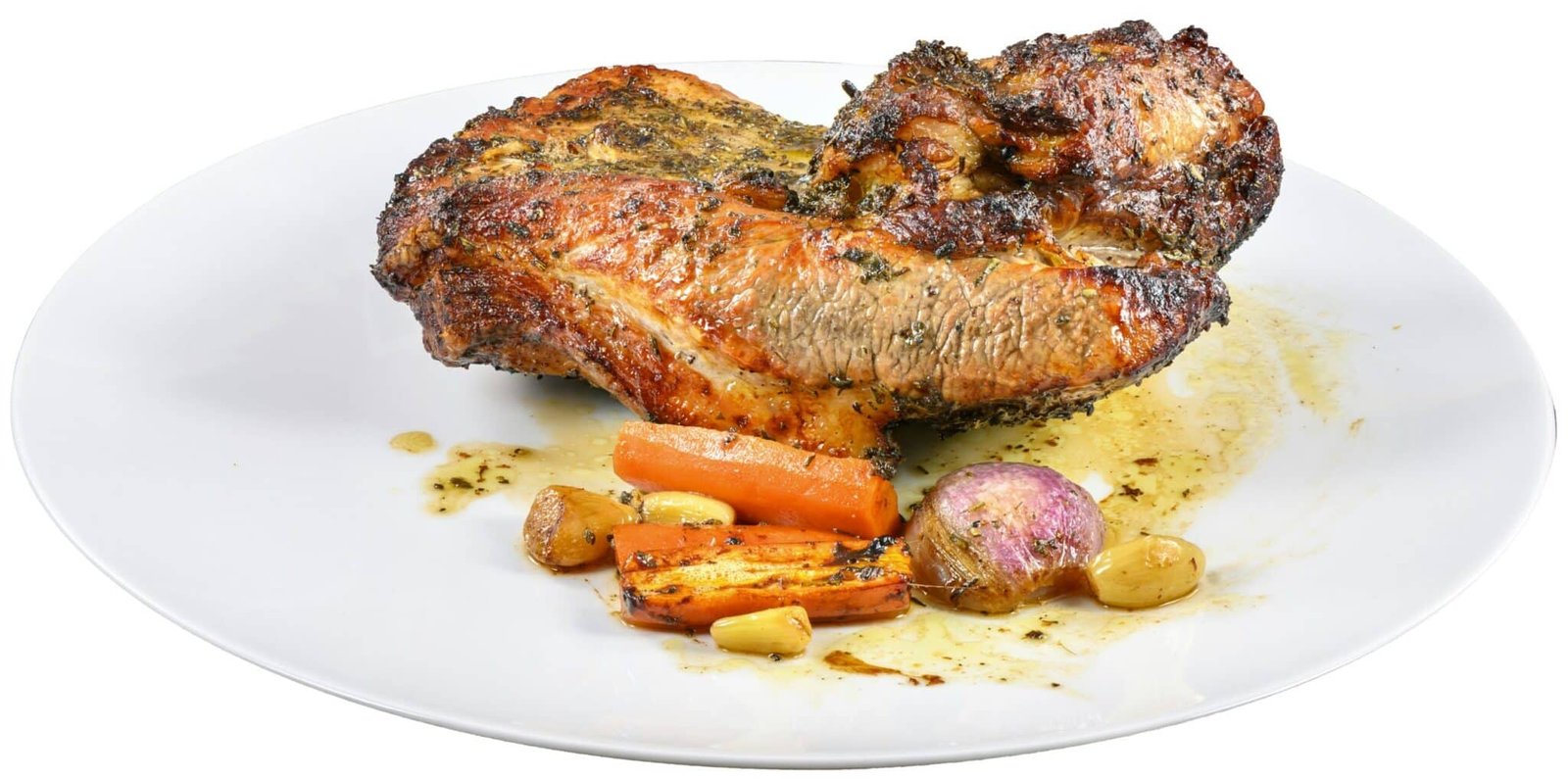
Introduction to Sunday Roast Beef
The Sunday roast is a cherished tradition in British culture, representing more than just a meal; it embodies family unity and social connection. Rooted in centuries of history, the practice of gathering around the dining table for a roast dinner on Sunday has become an integral part of many households across the UK. It is a time when families come together, sharing not only food but also stories and laughter, reinforcing bonds that contribute to a sense of community.
At the heart of this beloved tradition is the roast beef, often regarded as the centerpiece of the Sunday feast. This cut of meat, typically cooked slowly to perfection, showcases the rich flavors and textures that are unique to well-prepared beef. The process of roasting is not merely about following a recipe; it involves skill, patience, and an understanding of how to achieve the right balance of seasoning and cooking techniques. When done correctly, the result is a succulent roast beef that tantalizes the senses, inviting everyone to indulge.
The significance of the Sunday roast extends beyond its culinary aspects; it serves as an opportunity to disconnect from the hustle and bustle of everyday life. In a fast-paced world, this meal provides a moment of respite where individuals can linger over their plates, savoring the dish and each other’s company. Furthermore, the preparation and cooking of a roast can foster a sense of joy and accomplishment, especially as everyone gathers around the table to enjoy the fruits of their labor.
As we delve deeper into the specifics of crafting the perfect Sunday roast beef, this foundational understanding of its significance enriches the experience, transforming a simple meal into a memorable occasion that honors tradition and nurtures relationships.
Choosing the Right Cut of Beef
When it comes to preparing a Sunday roast, selecting the right cut of beef is paramount to achieving a flavorful and tender result. There are several cuts that can be considered for roasting, each with its unique characteristics and cooking requirements. Among these, ribeye and sirloin are two popular choices that stand out.
Ribeye is renowned for its rich flavor and marbling, which contributes to its tenderness. This cut comes from the rib section of the cow and contains a higher fat content than many other cuts, making it exceptionally juicy when roasted. The marbling allows for even cooking and results in a mouthwatering, satisfying meal. However, this richness can also make ribeye a pricier option, which may not align with all budgets.
On the other hand, sirloin, which is sourced from the rear of the animal, provides a good balance of flavor and tenderness at a more affordable price point. It is less fatty than ribeye but still offers a robust flavor that many find appealing. Sirloin roast can be cooked using various methods, such as roasting or grilling, and adapts well to a marinade or dry rub if you wish to enhance its taste further.
While ribeye appeals to those craving a deeply satisfying meat experience, sirloin is a versatile option appropriate for those on a budget or seeking a leaner alternative. Ultimately, the choice between these cuts comes down to personal preference and financial considerations. Both options can yield a delightful Sunday roast when prepared correctly, so it is beneficial to consider your taste and resources when making a selection.
The Art of Salting in Advance: Dry-Brining
One of the critical components in achieving a perfectly cooked Sunday roast beef lies in the technique of salting in advance, commonly referred to as dry-brining. This method not only enhances the flavor but also contributes significantly to the overall texture and juiciness of the meat. Understanding the principles behind dry-brining can transform a regular roast into a glorious centerpiece that pleases both the eye and the palate.
When salt is applied to the surface of the beef ahead of time, it begins the process of drawing out moisture from the meat. Initially, the salt creates a brine solution that seeps back into the beef, allowing it to absorb the flavors effectively. This process helps to season the meat thoroughly, ensuring that every bite is infused with rich flavor. Additionally, the effects of dry-brining extend beyond mere seasoning; the salt also alters the protein structure, leading to a more tender and enjoyable texture.
Timing plays a crucial role in the effectiveness of dry-brining. Ideally, one should apply salt at least 24 hours prior to cooking, although salting for up to 48 hours can yield even better results. This waiting period allows adequate time for the salt to work its magic, penetrating the meat deeply. The most effective method involves using kosher salt or sea salt, which dissolves easily and provides an even coating. To begin, generously sprinkle salt over all surfaces of the beef, ensuring that it is evenly distributed. For enhanced flavor, consider adding herbs and spices at this stage.
In summary, the practice of dry-brining is an essential technique that chefs utilize to accomplish a flavorful and succulent roast beef. By taking the time to salt the meat in advance, home cooks can elevate their culinary skills and ensure a memorable Sunday roast that is tender, juicy, and full of rich flavor.
Understanding the Reverse Sear Method
The reverse sear method is a culinary technique that has gained popularity for producing perfectly cooked beef with a desirable texture and flavor profile. This method entails cooking the beef at a low temperature first, allowing for even heat distribution, before finishing it with a high-heat sear to develop a crust. The primary benefit of the reverse sear technique lies in its ability to achieve exceptionally even cooking, resulting in pinkness that extends uniformly from edge to edge. This contrasts with traditional roasting methods where the exterior often overcooks before the interior reaches the desired doneness.
To successfully execute the reverse sear method, select a high-quality cut of beef, such as a ribeye or a prime rib. Start by preheating your oven to a low temperature, typically around 225°F (107°C). Season the beef generously with salt and any desired spices to enhance the flavor. Place the beef on a wire rack set over a baking sheet, allowing for air circulation. Insert a meat thermometer into the thickest part of the cut to monitor the internal temperature.
Cook the beef slowly, monitoring it until it reaches an internal temperature of about 10-15°F below your targeted doneness level—135°F (57°C) for medium-rare, for example. Once the desired temperature is achieved, remove the beef from the oven and let it rest for 15-20 minutes. This resting period is crucial as it allows the juices to redistribute, ensuring a moist final product.
After resting, heat a skillet or grill over high heat until it is sizzling hot. Sear the beef on all sides for about 1-2 minutes per side, creating a deliciously browned crust. This final step adds an irresistible texture and flavor to the roast, making the reverse sear method one of the most effective approaches for preparing a Sunday roast beef. By following this method, home cooks can elevate their beef dishes with consistent results.
Perfecting the Cooking Temperature
One of the most critical aspects of preparing a perfect Sunday roast beef lies in achieving the desired internal cooking temperature. Each level of doneness demands precise temperature management, which can significantly influence the overall flavor and texture of the meat. Understanding these cooking temperatures is essential for any aspiring chef looking to create a memorable dining experience.
For a rare roast, the target internal temperature should be around 125°F (52°C). This level of doneness results in a juicy, tender cut with bright red meat. For those who prefer a medium-rare roast, aim for 135°F (57°C). Medium-rare is often considered the sweet spot, as it balances flavor and tenderness, providing a warm center while still retaining moisture. If you desire a medium roast, the internal temperature should register at 145°F (63°C). At this point, the meat will exhibit a warm pink hue, catering to the preferences of many roast enthusiasts.
For those who opt for well-done beef, the cooking temperature should reach approximately 160°F (71°C) or higher. It is crucial to note that while this doneness level ensures safety, the meat may lose some of its natural juices and tenderness. To achieve these desired temperatures effectively, utilizing a reliable meat thermometer is highly advisable. A digital meat thermometer can provide an accurate reading, ensuring that you pull your roast out of the oven at precisely the right moment.
Position the thermometer into the thickest part of the meat, making sure not to touch any bones, which could give a false reading. Monitoring the cooking temperature regularly will ultimately empower you to achieve the perfectly cooked roast beef, tailored to your preferences and those of your guests.
The Importance of Resting the Meat
Resting the meat after cooking is an essential step that should never be overlooked in the preparation of a Sunday roast beef. This crucial process allows the juices within the meat to redistribute, ensuring that each slice you carve is packed with flavor and tenderness. When meat is cooked, the heat causes moisture to move toward the surface, which can result in drier meat once it is cut. By allowing the beef to rest, you give the juices time to settle back into the fibers, creating a more succulent dish.
The ideal resting time for roast beef typically ranges from 15 to 30 minutes, depending on the size of the cut. For smaller cuts, around 15 minutes should suffice, while larger roasts may benefit from a longer resting period of about 30 minutes. It is advisable to cover the meat loosely with aluminum foil during this time to retain warmth without trapping steam, which can cause the outer layer to become soggy.
There are multiple methods to keep the roast warm while it rests. Utilizing a warming drawer, if available, can help maintain the perfect serving temperature. Alternatively, placing the roast in a low oven (approximately 200°F or 93°C) can ensure it remains warm without continuing to cook. Some individuals also find it effective to wrap the roast in an insulated towel or blanket to trap the heat effectively while resting. Regardless of the method chosen, the key takeaway is that resting the meat enhances the overall dining experience, resulting in a meal that is not only visually appealing but also deliciously satisfying.
Printable Recipe Card
Cooking the perfect Sunday roast beef can be an enjoyable and rewarding experience, especially when having an organized recipe card at hand. This printable recipe card provides a structured outline of essential ingredients, cooking steps, and necessary temperatures to ensure a delicious roast every time. Follow these instructions for best results.
Ingredients:
- 3 to 4 pounds of beef roast (preferably ribeye, sirloin, or top round)
- 2 tablespoons olive oil
- Salt and freshly cracked black pepper
- 4 cloves of garlic, minced
- 1 tablespoon fresh rosemary, chopped
- 1 tablespoon fresh thyme, chopped
- 2 cups beef stock
- Optional: Vegetables (carrots, onions, and potatoes) for roasting
Instructions:
- Preheat your oven to 450°F (232°C).
- Prepare the roast by patting it dry with paper towels and rub with olive oil, ensuring an even coating.
- Season generously with salt and black pepper on all sides, followed by the minced garlic, rosemary, and thyme.
- Place the beef in a roasting pan, and if using, surround it with chopped vegetables.
- Roast the beef for 20 minutes at 450°F (232°C) to achieve a beautiful sear.
- Reduce the oven temperature to 325°F (163°C) and continue cooking until a meat thermometer inserted into the thickest part of the roast reads 135°F (57°C) for medium-rare, usually around 1-1.5 hours depending on size.
- Once at desired temperature, remove from the oven, tent with foil, and let the meat rest for at least 20-30 minutes before slicing.
This printable recipe card serves as a handy reference to ensure you have all the necessary information while cooking. By following these detailed steps and utilizing quality ingredients, you will be well on your way to serving the perfect Sunday roast beef.
FAQs About Cooking Roast Beef
When it comes to preparing roast beef, several questions frequently arise, particularly among those trying their hand at this classic dish for the first time. One popular query relates to the reverse sear method. This technique involves slow-cooking the beef at a low temperature until it reaches the desired internal temperature, followed by a high-heat finishing step to develop a flavorful crust. By cooking in this manner, the meat retains its juiciness, and the achieved crust is splendidly crisp.
Another common question is about how long one should rest the beef after cooking. Resting is essential as it allows the juices, which have migrated towards the surface during cooking, to redistribute throughout the meat. Ideally, roast beef should rest for at least 15 to 30 minutes, depending on the size of the cut. This resting period ensures that the meat remains moist and tender when sliced, enhancing the overall dining experience.
A key concern for many cooks is determining the best internal temperature for medium-rare roast beef. Culinary experts typically recommend an internal temperature of 130-135°F (54-57°C). At this range, the beef is luxuriously tender with a pink center. Utilizing a reliable meat thermometer is a foolproof way to achieve the desired doneness and ensure food safety simultaneously. Remember, carryover cooking can raise the meat’s temperature an additional 5-10°F, so it’s wise to remove the roast from the oven slightly before it reaches the target temperature.
In addressing these common inquiries, cooks of all skill levels can confidently approach the preparation of roast beef, armed with the knowledge necessary for success. Each tip serves to enhance both the cooking process and the final outcome, ultimately leading to a deliciously satisfying meal.
Conclusion and Final Thoughts
Cooking the perfect Sunday roast beef is not just a culinary endeavor; it is an opportunity to create a memorable dining experience. By following the guidelines laid out in this guide, you can navigate through the intricacies of seasoning, cooking, and resting your beef to achieve outstanding results. Experimenting with flavors, cooking techniques, and side dishes can help you personalize your roast beef, making each Sunday meal unique to your household traditions.
As with any cooking skill, practice will enhance your abilities. Therefore, do not hesitate to try different cuts of beef and various cooking times to discover the ideal combination that suits your taste preferences. Consider pairing your roast with traditional sides such as Yorkshire pudding, roasted vegetables, or creamy mashed potatoes to elevate the meal further. Utilizing a meat thermometer can be an invaluable tool to help you achieve the desired doneness, whether you prefer rare, medium, or well-done beef.
We encourage you to share your experiences in the comments section – whether it pertains to your cooking successes or any challenges you may have encountered while preparing your roast. Engaging with others allows for the exchange of tips and techniques that could benefit future endeavors in the kitchen. Moreover, your feedback can inspire others to embrace this timeless cooking tradition. Ultimately, the journey of perfecting your Sunday roast beef can become a cherished ritual that brings family and friends together, fostering a sense of community and connection over a shared meal.

![3 Sichuan Peppercorns Recipe Secrets to Master the Ma La Tingle [Pro Guide]](https://lezata.com/wp-content/uploads/2025/10/image-56-768x419.png "3 Sichuan Peppercorns Recipe Secrets to Master the Ma La Tingle [Pro Guide] 4")
![7 Best Shaoxing Wine Substitute Options for Authentic Flavor [Chef Approved]](https://lezata.com/wp-content/uploads/2025/10/1000115228-768x432.webp "7 Best Shaoxing Wine Substitute Options for Authentic Flavor [Chef Approved] 6")