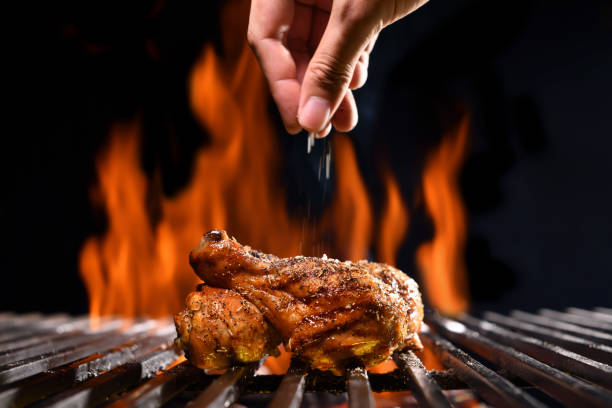
5 Steps: How to Debone Chicken Thighs Quickly & Save Money
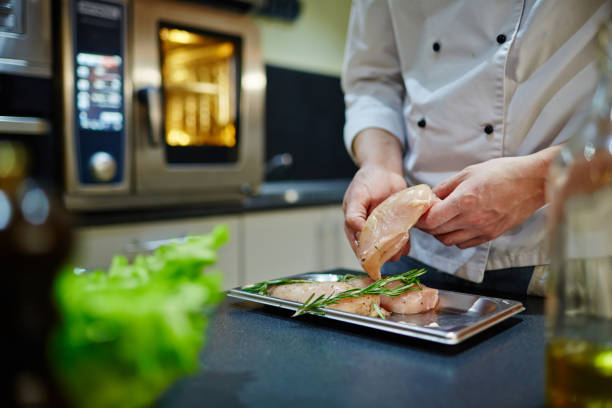
The Price of Convenience vs. The Joy of Butchery
I vividly remember being a broke culinary student standing in the meat aisle of a massive supermarket. I looked at the price of boneless, skinless chicken thighs and then glanced at the bone-in, skin-on packs. The price difference was staggering—almost double for the convenience of having someone else remove a single bone. I bought the cheap pack, went home to my tiny apartment kitchen, and spent an hour wrestling with slippery poultry. It was messy, but when I finished, I felt a surge of accomplishment (and my wallet thanked me).
Since that day, I rarely buy pre-prepped meat. Learning how to debone chicken thighs quickly is not just a budget hack; it is a rite of passage for any serious home cook. It gives you total control over the cut, leaves you with scraps for stock, and honestly, the meat just stays fresher longer when it is left on the bone until the last minute.
Whether you are prepping a massive batch of meat for my easy sweet and sour chicken recipe or just getting dinner ready for the grill, mastering this skill will change your relationship with cooking. Put on your apron and sharpen your knife; we are going to save some money today.
Essential Tools for Surgical Precision
Before you touch the bird, look at your knife. If you are holding a massive 8-inch chef’s knife, put it down. A chef’s knife is designed for chopping and rocking, not for the delicate curves of a femur bone. You will end up hacking the meat and losing precious edible bits.
You need agility here. A boning knife is ideal—it is thin, flexible, and sharp enough to glide right against the bone. If you don’t have one, a sharp paring knife is your next best friend. You want a blade that feels like an extension of your index finger. You also need a stable cutting board. If your board slides around, place a damp paper towel underneath it. Slipping while deboning is the fastest way to need stitches.
Anatomy of the Thigh: Know Your Enemy
To move fast, you have to know what you are cutting. The chicken thigh is relatively simple. It contains one main bone (the femur) running through the center. It is attached at two points: the hip joint and the knee joint.
Your goal is to separate the meat from this bone with minimal waste. The challenge lies in the cartilage. The ends of the bone are knobby and irregular. If you just slice straight down, you will hit these knuckles and dull your blade. You need to follow the natural seam of the muscle.
Mastering the 4-Cut Method
Stop looking at the chicken as a confused lump and start seeing the lines. Follow this workflow to process a thigh in under 60 seconds.
1. The Exposure Cut
Lay the chicken thigh skin-side down (if it has skin) on the board. Locate the bone running down the center by feeling it with your finger. Take the tip of your knife and run it along the length of the bone, slicing through the meat to expose the white bone underneath. Do not cut all the way through to the board! You just want to open the “jacket” of the meat.
2. Freeing the Sides
Now that the bone is visible, use short, scraping motions with the tip of your knife to peel the meat away from the sides of the bone. Angle your knife towards the bone, not the meat. Imagine you are shaving the bone. This ensures you leave the maximum amount of meat on the filet, not on the trash pile.
3. The Joint Disconnect
Lift one end of the bone (the hip or knee joint). Slip your knife under the bone and slice through the connective tissue attaching it to the meat. You might feel a little resistance—that is the tendon. Slice through it confidently. Repeat this on the other end of the bone.
4. The Final Sweep
Once both ends are disconnected, hold the bone vertically. Run your knife under the length of the bone to detach the final strip of meat connecting it to the bottom. The bone should come away clean, leaving you with a flat, beautiful fillet.
Don’t Trash the Treasures: Utilizing the Bones
Congratulations, you have a pile of boneless meat. But if you throw those bones in the garbage, you are throwing away flavor gold. You paid for those bones by weight; you might as well use them.
Chicken bones are full of collagen. When simmered, that collagen breaks down into gelatin, which gives soups a luxurious, silky mouthfeel. Toss those raw bones into a freezer bag. Once you have a full bag, roast them and simmer them into a rich Chinese chicken broth recipe. Store-bought stock tastes like salty water compared to the liquid gold you can make from these “scraps.”
Trim and Polish: Finalizing the Cut
Now that the bone is gone, inspect your work. Run your fingers over the meat to check for any rogue cartilage fragments or bone shards. This is also the time to trim excess fat.
While fat is flavor, chicken thighs often have a flap of skin and fat that hangs off the edge. Trim this to make the piece uniform. According to culinary standards regarding chicken preparation, trimming excess fat prevents flare-ups on the grill and ensures the meat cooks evenly in a pan.
However, don’t go crazy. You want some fat to render out and keep the meat juicy. If you plan to pan-sear these, that rendered fat becomes the base for a delicious sauce. You can use those drippings to build a velvety pan sauce with just a few aromatics and a splash of wine.
Skin On or Skin Off?
This depends entirely on your dinner plans. If you are making a stir-fry, curry, or stew, remove the skin. It will just get flabby and rubbery in liquid.
However, if you are roasting or searing, leave that skin on! Now that the bone is gone, you can lay the thigh perfectly flat in a skillet. This allows for maximum skin contact with the hot pan, resulting in the crispiest chicken skin imaginable—far crispier than you can get with a round, bone-in piece. Weigh it down with a heavy pot (a brick wrapped in foil works too) to make “Chicken Al Mattone.”
Safety Sanitation Check
You have just handled raw poultry extensively. Cross-contamination is the enemy here. Once you are done deboning:
- Wash everything: The board, the knife, and your hands need hot, soapy water.
- Sanitize the counter: Splatter happens, even if you don’t see it. Wipe down the surrounding area with a disinfectant.
- Launder the towel: If you used a towel to stabilize your board, it is now contaminated. Do not use it to dry your hands. Throw it in the wash.
Speed Comes with Repetition
Your first thigh might take you two minutes. Your second will take 90 seconds. By the time you get through a family pack of eight, you will understand how to debone chicken thighs quickly and efficiently. You will likely be down to 30 or 40 seconds per piece.
The savings are real. In many markets, you pay a $2 to $3 premium per pound for the butcher to do this for you. For five minutes of work, you are saving enough money to buy a better bottle of wine for dinner. That is a trade I will make every single time.
Frequently Asked Questions
1. Can I use kitchen shears instead of a knife?
Absolutely. In fact, for beginners, heavy-duty kitchen shears can be safer and faster. You can snip down the side of the bone and clip the tendons at the joints without ever worrying about a knife slipping.
2. Is it better to debone before or after cooking?
For speed and even cooking, debone before. Boneless meat cooks faster and is easier to slice for stir-fries. However, if you are slow-roasting or braising, leaving the bone in adds moisture and flavor. It depends on the recipe.
3. How much weight do I lose when I remove the bone?
Generally, the bone and trim account for about 20-25% of the total weight of the thigh. So, if you buy 1 pound of bone-in thighs, expect to end up with about 12 ounces of edible meat. Keep this in mind when shopping for a recipe.
4. Can I debone chicken drumsticks the same way?
Yes, the anatomy is similar, but drumsticks have many more tough, needle-like tendons that are difficult to remove. It is much more tedious work for less meat, which is why thighs are the preferred cut for deboning.
5. My knife keeps hitting the bone and getting stuck. What am I doing wrong?
You are likely cutting too deep or trying to slice through the knuckle. Remember to use the tip of the knife to make small scraping motions against the bone rather than long, deep slicing strokes. Let the knife follow the curve.