5 Secrets How to Dry Chicken Skin Before Baking for Ultimate Crunch
Last Updated on 2025-11-28 by Suryo

The Sound of Success: That Elusive Snap
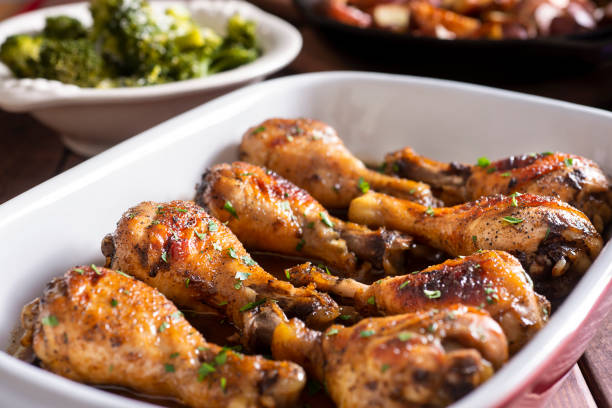
Close your eyes and imagine the perfect roast chicken. You aren’t thinking about the color or even the smell first. You are thinking about the sound. It’s that audible crack when your fork hits the surface, followed by the shattering of golden, salty skin. It is the holy grail of home cooking. But too often, reality is a disappointment. You pull the tray out of the oven, and instead of a crispy masterpiece, you find a pale, flabby, rubbery disappointment that slides off the meat.
The culprit is almost always moisture. If your bird goes into the oven wet, it steams instead of roasts. Steam is the enemy of crunch. Over the last decade in professional kitchens, I’ve learned that knowing how to dry chicken skin before baking is more important than your marinade, your oven temperature, or even the quality of the bird itself.
Whether you are prepping a Sunday roast or getting pieces ready for a crispy easy sweet and sour chicken recipe, the battle for texture is won or lost before you ever turn the dial on your stove. We are going to banish rubbery skin from your kitchen forever using science, air, and a little bit of patience.
Physics 101: Water vs. The Maillard Reaction
To get that deep, golden-brown color and crisp texture, you need to trigger the Maillard reaction. This chemical browning begins around 300°F (150°C). Here is the problem: water boils at 212°F (100°C).
If the surface of your chicken is wet, the heat of the oven has to waste energy evaporating that water before it can start browning the skin. While that water is evaporating, it creates a steam cloud around the bird. That steam keeps the surface temperature stuck at 212°F, effectively poaching your chicken in its own juices. By the time the water is gone, the meat inside is often overcooked. To win, you must remove the water first.
Technique 1: The Aggressive Paper Towel Blot
This is the absolute minimum requirement. Never, ever put chicken straight from the package into the pan. Poultry packaging contains liquid (mostly water and myoglobin) that soaks the skin.
Grab a handful of high-quality paper towels. Do not be gentle. Press the towels firmly onto the skin, getting into every crevice, especially under the wings and around the drumsticks. You want the skin to feel tacky to the touch, not slick. If you skip this, no amount of oil or butter will save you.
Technique 2: The “Fridge Cure” (Air Drying)
If you have time, this is the professional secret that separates restaurant roast chicken from the home version. It is often called “air-drying” or leaving the bird “naked.”
The refrigerator is essentially a dehumidifier. It constantly cycles dry air to keep things cold. We can use this dry environment to pull moisture out of the chicken skin slowly and thoroughly.
The Setup
Place your salted chicken on a wire rack set over a rimmed baking sheet. The rack is crucial because it allows air to circulate 360 degrees around the meat. If you put it on a plate, the bottom will sit in liquid and get soggy.
The Wait
Clear a shelf in your fridge. Place the chicken there, completely uncovered. Leave it for at least 4 hours, but ideally 24 hours. When you pull it out the next day, the skin will look translucent, tight, and hard. It might look a little ugly and dried out. That is perfect. That tight skin will puff and crisp instantly in the heat.
Technique 3: The Baking Powder Hack
This sounds strange, but it is pure kitchen chemistry. If you are wondering how to dry chicken skin before baking quickly while also altering the pH for better browning, reach for the baking powder.
Baking powder is alkaline. When you rub a small amount onto the chicken skin, it raises the pH level. This breaks down the peptide bonds in the skin, accelerating the browning process and allowing the skin to get impossibly crisp and bubbly.
Mix 1 part baking powder (NOT baking soda, which tastes metallic) with 4 parts Kosher salt. Rub this mixture all over the dry chicken. Let it sit for an hour or combine this with the fridge cure method above. The result is similar to the texture of deep-fried wings, without the oil.
Utilizing the Trimmings
Since you are putting in the effort to prep this bird perfectly, don’t waste the parts that don’t roast well. If you are spatchcocking the chicken (removing the backbone) to flatten it for better drying, save that spine! The tips of the wings often burn before they crisp, so snip those off too.
Toss those collagen-rich bony bits into a pot. They are the foundation for a rich Chinese chicken broth recipe that you can freeze for later. Waste nothing, flavor everything.
Technique 4: The Dry Brine
Salt does two things. First, it draws moisture out via osmosis. Second, if left long enough, that moisture dissolves the salt and gets reabsorbed, seasoning the meat deep down. But for the skin, that initial moisture draw is what we want.
Generously salt your chicken. You will see beads of water form on the surface after about 10-15 minutes. This is the “sweating” phase. If you cook it now, it will be wet. You must wait for the brine to reabsorb, or pat that moisture off if you are in a rush. According to food science resources on chicken preparation, this salinity also denatures surface proteins, helping them firm up rather than dissolve into mush.
Oven Management for Maximum Crisp
You have dried the skin perfectly. Now, don’t ruin it with humidity in the oven.
- Don’t Overcrowd: If you pack eight thighs into a small lasagna pan, they will release moisture that has nowhere to go. They will steam each other. Use a large baking sheet with plenty of space between pieces.
- Convection is King: If your oven has a fan setting (Convection Roast), use it. The moving air whisks away the steam evaporating from the chicken, keeping the environment dry.
- Use the Drippings: As the fat renders out of that crispy skin, it will pool on the pan. This liquid gold is full of flavor. While you shouldn’t let the chicken swim in it (or the skin will get soggy), you should absolutely pour it off carefully to make a pan sauce recipe while the chicken rests.
Final Thoughts on the Perfect Roast
Achieving that glass-like, shattering skin isn’t about luck. It is about moisture management. The next time you buy a bird, resist the urge to throw it straight into the heat. Take a moment. Pat it dry. Let it rest in the cold air of your fridge. Treat the skin like a separate entity that needs specific care. Your patience will be rewarded with the best chicken you have ever tasted.
Frequently Asked Questions
1. Can I use a hair dryer to dry chicken skin?
Yes, actually! It sounds crazy, but many chefs use a hair dryer (on the cool or warm setting, not hot) to blast the skin dry quickly. It is faster than the fridge method, though it requires you to stand there holding a blow dryer at your food. Just sanitize the area afterward to avoid blowing raw chicken particles around.
2. What is the difference between baking soda and baking powder for chicken?
Huge difference. Baking soda is pure sodium bicarbonate and has a very harsh, metallic taste if used alone on meat. Baking powder is baking soda mixed with an acid (cream of tartar) and cornstarch. Use baking powder for crisping; it is much more palatable.
3. Do I need to put oil on the skin after drying it?
Yes. While the skin contains fat, adding a thin layer of oil or clarified butter helps conduct the heat evenly and jumpstarts the browning process. Rub the fat on after you have dried the skin thoroughly.
4. How long is too long to leave chicken uncovered in the fridge?
You generally want to limit the air-drying phase to 24 to 48 hours. Beyond that, the meat itself can start to dry out, and the skin can become tough and leathery rather than crispy. Also, verify your fridge maintains a temperature below 40°F.
5. Why is my chicken skin still rubbery even after drying?
If you dried it well and it is still rubbery, your oven temp might be too low. Skin needs a blast of heat (400°F/200°C+) to crisp up. If you slow roast at 300°F the whole time, the fat won’t render fast enough to fry the skin.