5 Pro Secrets How to Keep Chicken Breast Juicy Every Single Time
Last Updated on 2025-11-21 by Suryo
The Tragedy of Chalky Poultry (And How to Fix It)
There is nothing quite as disappointing as slicing into a beautifully golden chicken breast, anticipating a rush of savory juices, only to be met with the texture of a dry sponge. We have all been there. You chew, you chew, and you reach for your water glass just to get it down. It’s a culinary crime, but one that happens in home kitchens everywhere.
Chicken breast is notoriously unforgiving because it is incredibly lean. Unlike a fatty thigh or a marbled steak, it has no internal “safety net” of fat to keep it moist during high-heat cooking. However, when treated with respect and a little bit of science, it transforms into the most versatile protein in your arsenal. Whether you are prepping meat for my favorite Easy Sweet and Sour Chicken Recipe or just a simple weeknight salad, the texture must be perfect.
Forget everything you know about “cooking it until it’s safe.” We are going to talk about cooking it until it is spectacular.
The Wet Brine Equation: Salt + Water = Magic
If you take only one thing away from this guide, let it be this: Brine your bird. Brining is not just for Thanksgiving turkeys. It is the single most effective insurance policy against dry meat.
When you submerge chicken in a saltwater solution, a process called denaturing occurs. The salt loosens the muscle fibers, allowing the water to get trapped between them. Essentially, you are forcing moisture into the meat before it even hits the pan. Even if you slightly overcook it later, that extra water content keeps the texture forgiving.
Quick Brine Ratio
- 4 cups of warm water
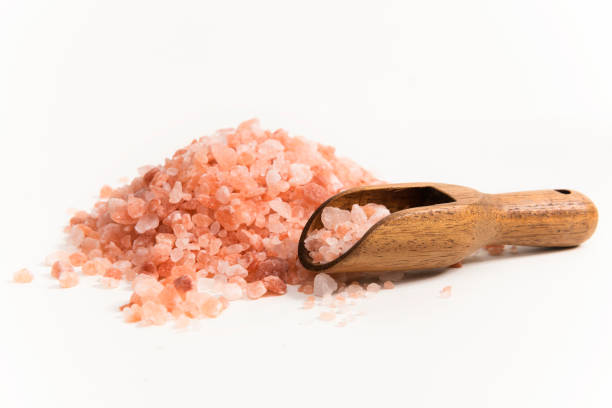
- 1/4 cup Kosher salt (use less if using table salt)
- Optional aromatics: Lemon peel, peppercorns, crushed garlic, or fresh herbs.
Dissolve the salt in the water. Submerge your chicken breasts completely. Let them sit in the refrigerator for at least 30 minutes, or up to 4 hours. Do not go longer than that, or the texture can become mushy. Rinse them thoroughly and pat them bone-dry before cooking to ensure a good sear.
The Even-Cook Strategy: Pound It Flat
Look at a natural chicken breast. It is tear-drop shaped: thick and bulbous on one end, thin and tapered on the other. If you throw this into a skillet as-is, the thin end will turn into leather before the thick end is safe to eat.
Grab a meat mallet or a heavy rolling pin. Place the chicken between two sheets of plastic wrap or parchment paper. Strike the thickest part of the breast firmly, working your way out, until the entire piece of meat is one uniform thickness (about 3/4 inch is ideal). This ensures that every bite reaches the finish line at the exact same moment.
Temperature Control: The 165°F Myth
We need to have a serious talk about temperature. The FDA recommends an internal temperature of 165°F (74°C) for instant safety. However, if you take your chicken off the heat at 165°F, carry-over cooking will push it to 170°F or higher while it rests. That is the definition of overcooked.
Pull your chicken at 160°F (71°C).
As the meat rests, the residual heat will finish the job, bringing it up to a safe 165°F gently. This small adjustment preserves a significant amount of moisture. Invest in a digital instant-read thermometer. It is cheaper than ruining dinner.
Chicken has been a staple source of protein for centuries, but modern breeding has made breasts larger and faster-growing, which can sometimes impact texture according to food history sources. This makes precise temperature control even more vital today than it was fifty years ago.
Sealing the Deal: The Pan-Sear Technique
Now that your meat is brined and pounded, it is time to cook. Do not overcrowd your pan. If you pack too many breasts in at once, the pan temperature drops, and the chicken releases its juices, boiling itself in a sad, gray pool of liquid.
- Heat a heavy-bottomed skillet (cast iron or stainless steel) over medium-high heat. Add a high-smoke-point oil like avocado or grapeseed.
- Lay the chicken away from you to avoid splashing.
- Don’t touch it. Let it sear undisturbed for 5-6 minutes until it releases naturally from the pan.
- Flip and cook for another 4-5 minutes until your thermometer reads 160°F.
Once you remove the chicken, look at the bottom of the pan. Those brown bits? That is flavor gold (fond). Do not scrub it away! Deglaze that pan immediately to create a sauce. If you are unsure how to do that, check out my guide on The Easiest Pan Sauce Recipe to elevate your dish instantly.
The Art of Patience: Resting the Meat
You are hungry. The kitchen smells amazing. You want to cut into that chicken immediately. Stop.
Cutting into meat straight off the fire causes all the internal juices, which are currently bunched up in the center due to the heat, to bleed out onto your cutting board. You want those juices in your mouth, not on the wood.
Tent the chicken loosely with foil and let it rest for 5 to 10 minutes. During this time, the muscle fibers relax and reabsorb the liquid, redistributing it throughout the breast. This is the difference between a dry dinner and a juicy one.
If you happen to be cooking a whole bird or dealing with bone-in cuts, remember to save those carcasses. They are the foundation for my Rich Chinese Chicken Broth Recipe, which is liquid gold for future soups.
Common Mistakes That Dry Out Your Dinner
Even with the best intentions, things go wrong. Watch out for these pitfalls:
Cooking Cold Meat
Taking chicken straight from the fridge to a hot pan shocks the meat, causing it to seize up and cook unevenly. Let your chicken sit on the counter for 15-20 minutes to take the chill off before cooking.
Poaching in an Open Pot
If you prefer poaching over searing, never let the water boil vigorously. A rolling boil makes muscle fibers contract tightly, squeezing out moisture. Aim for a gentle simmer, barely bubbling.
Mastering the Juice
Keeping chicken breast juicy is not about luck; it is about controlling the variables of salt, thickness, and heat. Once you master the brine and the pound, you will never look at this humble cut of meat the same way again. It becomes a canvas for flavors rather than a chore to eat.
Go buy a thermometer, grab some salt, and give this method a try tonight. If this guide saved your dinner, leave a comment below or pin this to your “Cooking Basics” board on Pinterest!
Frequently Asked Questions
Why is my chicken breast rubbery?
Rubbery chicken usually comes from one of two things: either the chicken was severely overcooked, causing proteins to tighten up, or you encountered “Woody Breast,” a condition in modern mass-produced chickens where the muscle fibers are hard. If cooked correctly and it’s still rubbery, try buying from a different butcher or organic source next time.
Can I fix chicken breast that is already dry?
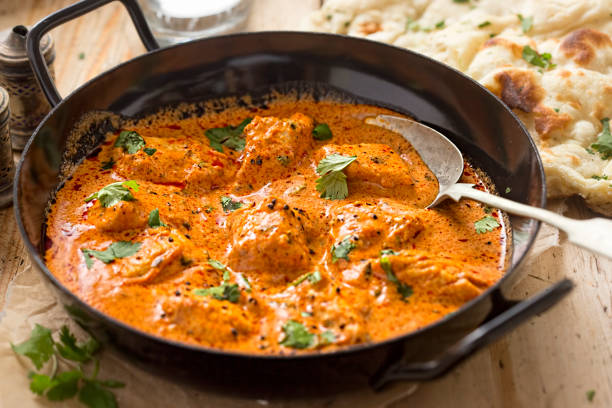
Honestly? You cannot inject juice back into cooked meat. However, you can mask the dryness. Shred the meat and toss it in a fat-heavy sauce (like mayonnaise for chicken salad) or simmer it briefly in a rich gravy or curry sauce to coat the fibers.
Is marinating better than brining?
They serve different purposes. Marinades (acid + fat) add surface flavor but barely penetrate the meat. Brines (salt + water) actually change the cell structure to retain moisture deep inside. For pure juiciness, brining wins. You can combine them by adding salt to your marinade, but watch the timing so the acid doesn’t turn the meat mushy.
How do I cook chicken breast without oil?
If you want to avoid added fats, poaching or steaming is your best bet. Use a flavorful liquid like broth, add aromatics (ginger, scallions), and keep the heat very low. A gentle poach yields incredibly tender meat perfect for shredding.
Does baking chicken keep it juicier than pan-frying?
Not necessarily. Baking takes longer, which can dry out the meat if not covered. A quick, high-heat pan sear often retains more moisture because the cooking time is shorter. If you do bake, try the “hot and fast” method: 450°F (230°C) for 15-18 minutes.