
How to Make a Perfect Béchamel Sauce: The Easiest Method
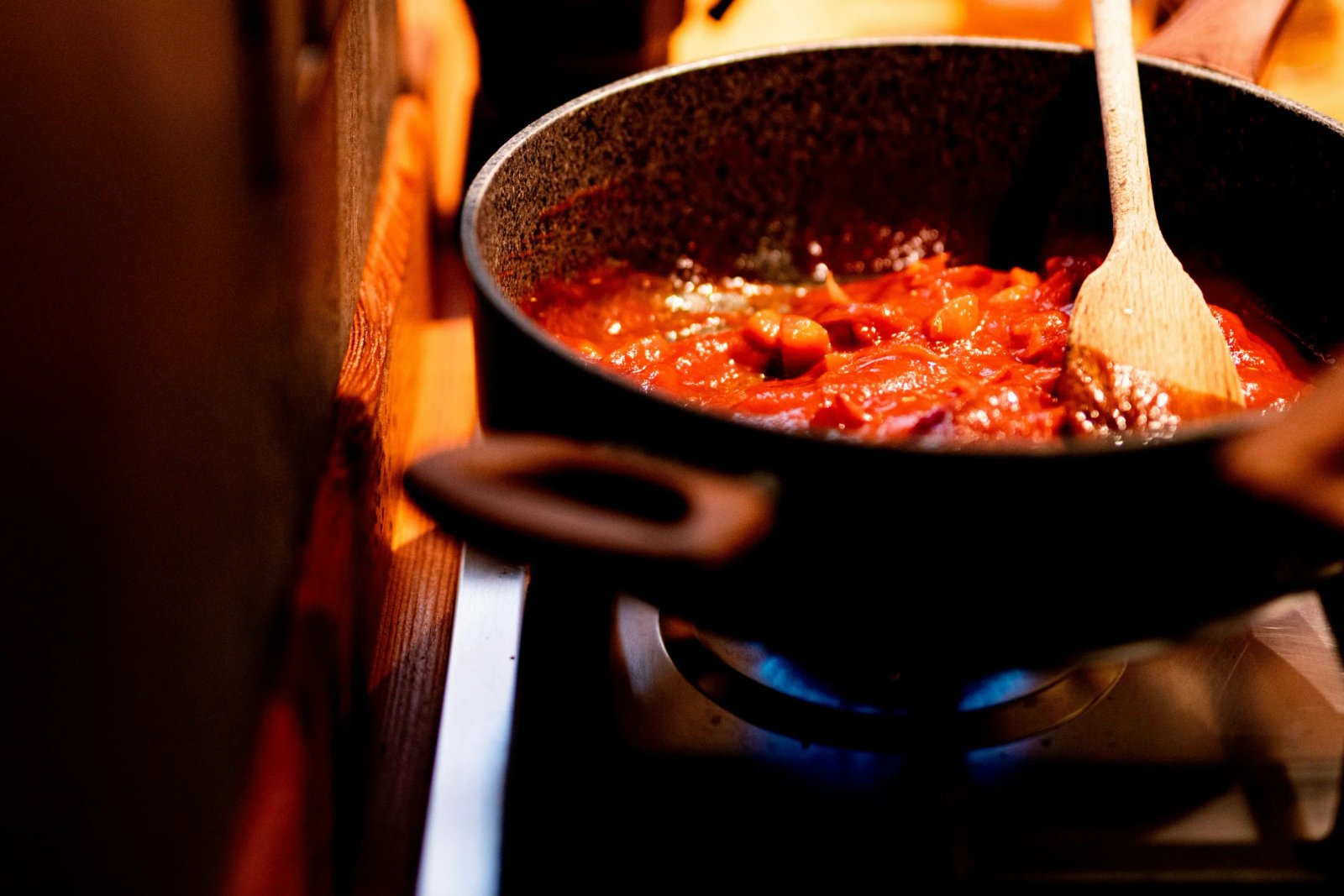
Introduction to Béchamel Sauce
Béchamel sauce, often regarded as one of the five mother sauces in classical French cuisine, serves as a cornerstone in the culinary world. This smooth and creamy white sauce is primarily made from milk, flour, and butter, forming the basis for countless dishes across various culinary traditions. The significance of béchamel lies not only in its simplicity but also in its remarkable versatility. Its mild flavor profile allows it to complement a wide array of ingredients, making it a popular choice in both savory and sweet applications.
This foundational sauce is commonly utilized in iconic recipes such as lasagna, macaroni and cheese, and gratins, effectively binding flavors and textures while adding a rich creaminess. Additionally, béchamel can act as a springboard for other sauces, such as Mornay sauce, which includes cheese, or mustard sauce, thus expanding its role within the kitchen. Learning to prepare béchamel sauce is an essential skill for home cooks, as it forms the base for numerous classic and contemporary dishes alike.
Moreover, mastering béchamel can enhance one’s overall cooking repertoire, providing the knowledge to create a variety of comforting meals. Whether one is enhancing a traditional lasagna with several layers of béchamel or creating a decadent mac and cheese, the sauce’s ability to enrich flavors and textures is unparalleled. Thus, understanding the intricate balance of ingredients and techniques involved in making béchamel is crucial for any aspiring chef. Embracing the art of creating this foundational sauce can pave the way for culinary creativity, empowering cooks to develop delicious and memorable meals that can impress family and friends.
Understanding the Roux: The Key to Success
The foundation of a perfect béchamel sauce lies in the roux, a mixture of fat and flour that acts as a thickening agent. Achieving the ideal consistency requires a precise ratio of butter to flour; generally, a common guideline is to use equal parts by weight. This balance ensures that the roux has enough thickening power without becoming overly dense. A typical starting point for a béchamel sauce may include two tablespoons of butter for every two tablespoons of flour, but adjustments can be made based on the desired thickness of the final sauce.
Roux can be classified into three primary types: white, blond, and brown. Each type signifies a different level of cooking, impacting both flavor and coloration of the sauce. White roux is cooked for just a few minutes until the flour loses its raw taste while maintaining a pale color. This is the traditional base for béchamel. A blond roux is cooked slightly longer, resulting in a nuttier flavor suitable for more complex sauces. Lastly, a brown roux is cooked until it attains a rich dark hue, which is more appropriate for dishes requiring deeper flavors, like gumbo or gravies. When making béchamel, it is vital to limit the cooking time to prevent the roux from taking on too much color, which may alter the sauce’s intended taste.
When preparing the roux, measuring ingredients accurately is critical. Melting the butter slowly over medium heat prevents it from burning and allows the flour to integrate smoothly when added. Stirring continuously with a wooden spoon or whisk helps achieve a uniform mixture, reducing the risk of lumps. By adhering to these techniques, you will not only create a solid base for your béchamel but also elevate the overall quality of your culinary creations.
The Best Techniques to Avoid Lumps
Creating a smooth béchamel sauce can seem daunting, particularly when dealing with the potential for lumps. However, by employing certain techniques and paying attention to key aspects of the preparation process, a flawless sauce can be achieved. One of the most critical factors in ensuring a lump-free béchamel is the temperature of the milk being incorporated into the sauce. Using warm milk is often preferable as it allows for a more even integration with the roux, which consists of equal parts flour and fat cooked together to create a thickening agent.
When the roux is combined with cold milk, the sudden temperature difference can cause the fat to seize, leading to clumping. To combat this, heat the milk gently in a separate saucepan or microwave until it is warm, but not boiling. Once the milk is warmed, you can begin the process of adding it to the roux. A step-by-step approach is beneficial here: start by adding a small amount of warm milk to the roux while whisking vigorously. This initial addition should form a smooth paste, often termed a ‘slurry’. Gradually incorporate more milk, continually whisking to maintain a smooth consistency.
As you proceed with this technique, it is essential to keep the saucepan over medium heat. This allows the sauce to thicken as you add more liquid. Gradually increasing the volume of the milk while constantly whisking reduces the risk of any lumps forming. The goal is to ensure that every bit of roux is thoroughly combined with the milk before adding more. With patience and attention, you will find that achieving a silky, lump-free béchamel sauce is not only possible but also relatively straightforward.
Printable Béchamel Sauce Recipe Card
Creating a perfect béchamel sauce can be an essential skill in the culinary arts, and having a clear recipe card at your disposal can simplify the process. Here is a straightforward and concise printable recipe card to guide you through the preparation of this classic white sauce.
Ingredients:
- 2 tablespoons unsalted butter
- 2 tablespoons all-purpose flour
- 2 cups whole milk
- Salt, to taste
- Freshly grated nutmeg, to taste (optional)
Instructions:
- In a medium saucepan, melt the unsalted butter over medium heat. Do not let it brown.
- Once the butter has melted, add the all-purpose flour and whisk constantly for about 2 minutes to create a roux. This should develop a light golden color without browning.
- Gradually pour in the whole milk while continuing to whisk vigorously. This will help prevent lumps from forming in your béchamel sauce.
- Increase the heat to medium-high and bring the mixture to a simmer. Continue to whisk until the sauce thickens, which should take about 5-10 minutes.
- Once thickened, season with salt and freshly grated nutmeg, if desired. Stir well to combine.
- Remove from heat, and your béchamel sauce is ready to use or can be stored for later use.
This recipe card serves as a user-friendly reference for making béchamel sauce, ideal for both novice cooks and experienced chefs alike. Keeping ingredients pre-measured and following our clear step-by-step instructions will ensure the best results every time you prepare this essential sauce.
Common Mistakes When Making Béchamel
Creating a perfect béchamel sauce requires precision and attention to detail, yet several common mistakes can hinder even experienced cooks. One prevalent issue is using milk that is not at the optimal temperature. Cold milk can shock the roux, which is the flour and fat mixture that forms the sauce base, causing lumps to form instead of a smooth consistency. To avoid this, it is advisable to warm the milk gently before adding it to the roux, helping to ensure a seamless integration.
Another frequent pitfall is improper cooking time for the roux itself. The roux must be cooked until it reaches a pale golden color, which enhances the flavor profile of the béchamel. If it is undercooked, the flour may impart a raw taste to the sauce, while overcooking can lead to a darker shade and a more pronounced nutty flavor that might not be desirable. Monitoring the roux closely and recognizing the right moment to add the milk is crucial for achieving the desired flavor and texture.
Additionally, failing to whisk continuously during the preparation of béchamel is a mistake that can result in unwanted clumps. Continuous whisking helps to evenly disperse the flour in the mixture and ensures that the sauce thickens uniformly. Neglecting this step can lead to a sauce that is gritty rather than smooth. To circumvent this issue, one should keep a steady hand while whisking and maintain a consistent pace throughout the process.
By being aware of these common mistakes—including temperature control, roux cooking time, and poor whisking technique—cooks can significantly improve the outcome of their béchamel sauce. By practicing mindfulness and focusing on these critical aspects, anyone can master this essential foundational sauce with ease.
How to Flavor Your Béchamel
Béchamel sauce, often referred to as white sauce, serves as a foundational element in many dishes. To enhance its flavor profile and elevate its culinary appeal, various flavoring techniques can be employed. The key is to incorporate these additional flavors without overpowering the mild, creamy nature of the base sauce.
One popular method is the addition of nutmeg, which lends a warm, aromatic quality to the béchamel. A small pinch of freshly grated nutmeg can make a significant difference, enhancing the sauce’s richness. It is advisable to add nutmeg towards the end of the cooking process to preserve its bright flavor. This spice pairs exceptionally well with sauces that accompany pasta, vegetables, or gratins.
Another technique involves infusing the milk with aromatics prior to combining it with the roux. For this, a bay leaf can be placed in the milk while it gently heats. Infusion can also be achieved by adding a halved onion and allowing it to simmer in the milk. This method imparts a subtle sweetness and complexity to the béchamel. Once the infusion is complete, strain the milk to eliminate any solids before it is mixed with the roux.
Additionally, incorporating a dash of white pepper can provide a mild heat without altering the sauce’s color. Whereas black pepper is more noticeable against the white backdrop, white pepper blends seamlessly, allowing the béchamel to maintain its aesthetic appeal.
Ultimately, the careful selection of flavorings can transform a basic béchamel into a delightful component of many dishes. By exploring these techniques and finding the perfect balance of flavors, home cooks and chefs alike can create a béchamel sauce that stands out while still celebrating the simplicity of its core ingredients.
Béchamel Sauce Variations
Béchamel sauce, often regarded as one of the mother sauces in classical French cuisine, serves as a versatile base for numerous culinary creations. While the traditional version of béchamel consists simply of milk, butter, and flour, various adaptations can be made to suit a wide range of palates and dishes. One of the most popular variations is Mornay sauce, which incorporates cheese, typically Gruyère or Parmesan, creating a rich, creamy addition ideal for pasta, gratins, and vegetable dishes.
In addition to Mornay, cooks can experiment with enriching the basic béchamel by infusing it with different herbs and spices. Adding nutmeg, for instance, imparts a warm depth to the sauce, making it perfect for creamy pasta dishes or serving over vegetables. Incorporating garlic or onion powder can also lend a savory note, enhancing the flavor profile without overwhelming the original béchamel taste.
Vegetable or seafood stock can be utilized instead of milk to create a foundation that complements specific dishes, such as seafood casseroles or vegetable bakes. Furthermore, adding puréed vegetables, like spinach or roasted red peppers, can not only elevate the sauce’s nutritional value but also introduce vibrant colors and flavors, making it appealing to both the eye and the palate.
For a luxurious twist, incorporating cream or crème fraîche will produce a richer and thicker texture, suitable for use in lasagnas or creamy casseroles. As a culmination of these variations, it is evident that béchamel sauce can be transformed into a multitude of flavors by incorporating diverse ingredients. This adaptability encourages culinary creativity, allowing chefs and home cooks to customize the sauce to their specific recipes and dietary preferences.
Using Béchamel Sauce in Recipes
Béchamel sauce, one of the mother sauces in classical French cuisine, serves as a versatile base for countless culinary applications. Its creamy texture and subtle flavor allow it to enhance a myriad of dishes. A classic use of béchamel is in lasagna, where it acts as a binding agent between layers, complementing the richness of meat and cheese while adding moisture. The smooth consistency of the sauce helps to create a harmonious blend of flavors, resulting in a dish that is both comforting and satisfying.
Another popular application involves creamy pasta dishes. By adding béchamel to cooked pasta, one can create a silky sauce that elevates simple ingredients to gourmet status. Incorporating ingredients such as grated cheese, herbs, or spices can further personalize the dish, making it unique and flavorful. This technique is particularly effective in recipes like macaroni and cheese, where the béchamel sauce becomes the foundation for the creamy, cheesy goodness that many find irresistible.
Gratins also benefit significantly from the inclusion of béchamel sauce. Whether one opts for a classic potato gratin or a modern interpretation featuring seasonal vegetables, the béchamel adds richness and depth to the dish, creating a delightful contrast with a crispy, golden topping. This adaptability invites experimentation; one may choose to infuse the sauce with garlic, nutmeg, or cheese to enhance its flavor profile, correspondingly tailoring it to individual tastes.
Beyond traditional uses, béchamel sauce can be applied in innovative ways, such as in savory soufflés or as a unique base for pizza. By varying the ingredients and complementing flavors, cooks can explore new culinary horizons. The key is to embrace creativity, allowing béchamel to inspire a myriad of dishes while showcasing its versatility and enhancing any meal.
FAQ: Troubleshooting Your Béchamel Sauce
Béchamel sauce, often referred to as white sauce, can sometimes present challenges during preparation. Many home cooks encounter issues that may cause frustration. Below are answers to some frequently asked questions that will help you troubleshoot your béchamel sauce effectively.
One common issue is lumpy béchamel. This typically occurs when the milk is added too quickly to the roux or when the mixture is not whisked vigorously. To rectify this, it is advisable to strain the sauce through a fine-mesh sieve to remove lumps. For future attempts, consider warming the milk slightly before adding it to the roux, which can prevent lumps from forming. Additionally, employing a whisk instead of a spoon can improve the emulsification of the mixture.
If your béchamel sauce is too thick, it can be adjusted by gradually adding milk while continuously stirring. Begin with small amounts, allowing the sauce to incorporate the milk fully before adding more. This method allows you to reach your desired consistency without compromising the flavor or integrity of the sauce. On the other hand, if the sauce is too thin, you can continue to cook it over low heat, stirring constantly, allowing it to thicken naturally. Alternatively, creating a slurry with equal parts cornstarch and cold water, then stirring it into the sauce, can also help thicken the mixture effectively.
Many also seek to transform their béchamel into Mornay sauce by incorporating cheese. It is recommended to add grated cheese slowly, allowing it to melt completely before adding more. Common options for cheese include Gruyère or Parmesan, both of which provide rich flavor. Remember to adjust seasoning accordingly, as cheese can enhance the saltiness of the sauce.
Ultimately, with a little patience and practice, these troubleshooting tips can help you master the art of making a velvety, delicious béchamel sauce.
![7 Best Heavy Cream Substitutes Alfredo Sauce That Go Viral [Insider Tips]](https://lezata.com/wp-content/uploads/2026/01/image-1-768x419.png "7 Best Heavy Cream Substitutes Alfredo Sauce That Go Viral [Insider Tips] 6")