How to Make a Perfect French Onion Tart
Introduction to French Onion Tart
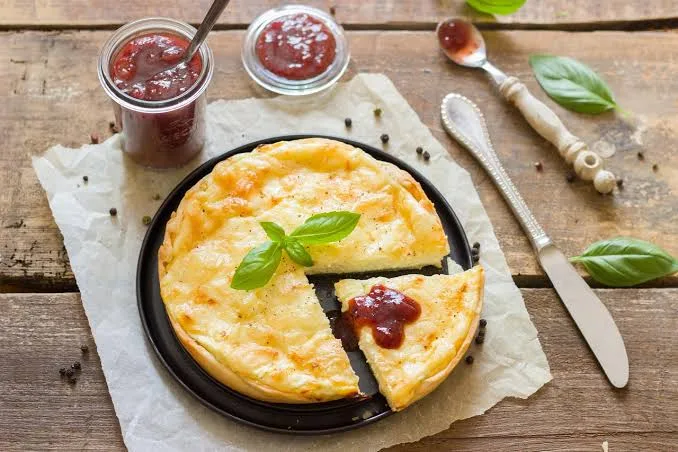
The French onion tart is a delightful culinary creation that distinguishes itself from the classic French onion soup by incorporating elements that elevate the dish to new heights. This savory pastry offers a unique combination of flavors and textures, making it a standout option for any meal, be it a casual gathering or a more formal dining experience. At the heart of this tart lies the essential component: deeply caramelized onions. The slow-cooking process transforms these humble vegetables into sweet, golden morsels that provide a rich, intense flavor base.
What sets the French onion tart apart is not just the sweet and savory profile of the caramelized onions but also the addition of a luscious custard. Made from a blend of eggs and cream, this custard adds a creamy richness that beautifully complements the onions. When baked, the custard envelops the onions, creating a harmonious interplay of textures that is both satisfying and indulgent.
The tart’s foundation is equally important; a well-chosen pastry serves as the canvas for this dish. Whether opting for a flaky pâte brisée or a buttery puff pastry, the crust plays a crucial role in enhancing the overall experience. The contrast between the crispy exterior and the soft, flavorful filling is essential to the enjoyment of the French onion tart.
In essence, this dish embodies the heart of French cooking, showcasing the art of transforming simple ingredients into a sophisticated and yet comforting meal. As one delves into the preparation of a French onion tart, the delightful aromas and vibrant colors will serve to entice and elevate the dining experience, promising a culinary encounter that is both memorable and delectable.
Ingredients Needed
To create a perfect French onion tart, it is essential to gather a selection of high-quality ingredients that contribute to the dish’s distinct flavor and texture. The primary component is onions, and for an authentic experience, a combination of yellow and sweet onions is recommended. Yellow onions provide a rich, caramelized base, while sweet onions add a touch of natural sweetness to balance the flavors.
Next, you will require a selection of seasonings to enhance the overall taste of the tart. Fresh thyme is a classic herb that complements the sweet onions beautifully, providing an aromatic uplift. Additionally, a pinch of salt and freshly cracked black pepper is necessary to season the onion mixture and draw out the flavors effectively.
The custard part of the tart involves dairy products, primarily eggs and cream. Using large eggs will ensure proper structure and binding for the filling, while heavy cream adds a luxurious richness to the custard. For extra depth, consider incorporating grated Gruyère or Emmental cheese. These cheeses contribute a creamy texture and melted richness, characteristic of traditional French dishes.
Lastly, you will need a suitable pastry base for your tart. The choice between puff pastry and shortcrust is significant, as each variety offers different textural qualities. Puff pastry will create a light and flaky crust, whereas shortcrust provides a more crumbly and buttery experience. Both options serve as an excellent foundation for the savory fillings and should be pre-baked to achieve an optimal texture.
By ensuring each ingredient is thoughtfully selected, the French onion tart can reach its full potential, delivering a satisfying and memorable culinary experience.
The Onion Caramelization Technique
The caramelization of onions is a crucial step in crafting a perfect French onion tart, as it transforms the onions into a rich, sweet, and aromatic base. This process requires patience and attention to detail, as the goal is to develop deep flavors over a slow cooking process. To begin, select high-quality onions, such as yellow or sweet onions, which provide the best flavor profile. Aim for approximately two to four medium-sized onions, depending on the size of your tart.
To start caramelizing, slice the onions thinly to ensure even cooking. Heat a large, heavy-bottomed skillet or sauté pan over low to medium heat. Add a tablespoon or two of olive oil or unsalted butter, allowing it to melt and coat the bottom of the pan. Introduce the sliced onions into the skillet, stirring gently to distribute the heat uniformly. It is essential to monitor the temperature closely; too high of a heat can cause the onions to burn, negating the desired caramelized flavor.
Maintaining a low and steady temperature will encourage the natural sugars in the onions to break down and caramelize slowly. Stir the onions every few minutes, allowing them to soften and gradually take on a golden brown hue. This process typically takes 30 to 45 minutes, depending on the volume of onions and the exact heat level. Patience is key; rushing the process can lead to uneven cooking or bitterness. Knowing when the onions are perfectly caramelized involves observing their color—aim for a rich golden-brown color—and their texture, which should be soft and silky. This level of caramelization contributes significantly to the depth of flavor in the French onion tart.
Preparing the Pastry Base
The foundation of a perfect French onion tart lies in its pastry base. The choice between using homemade or store-bought pastry can significantly influence the outcome of your tart. While store-bought pastry is convenient and can save time, homemade pastry allows for customization of flavors and textures. If you choose to make your own pastry, combine equal parts of all-purpose flour and chilled butter in a mixing bowl, then incorporate a pinch of salt. Gradually add ice water until the dough comes together, and be careful not to overwork it. Once your dough is ready, wrap it in plastic wrap and refrigerate for at least 30 minutes.
For those opting for store-bought pastry, this can be a practical time-saver. Simply roll out the pastry on a floured surface, ensuring it reaches an adequate thickness, typically about 1/8 inch. Using a rolling pin, carefully transfer the rolled pastry into the tart pan, gently pressing it into the edges and ensuring there are no air pockets beneath. It’s crucial to trim any excess pastry hanging over the edges of the pan to create a tidy presentation.
After shaping the dough into a tart pan, pre-baking the crust, commonly known as blind baking, is essential to prevent a soggy bottom. To do this, line the pastry with parchment paper and fill it with pie weights or dried beans to weigh it down. Place the pan in a preheated oven at 375°F (190°C) for approximately 15-20 minutes, or until the edges are lightly golden. This method allows the base to firm up, ensuring it holds its shape and provides a delicious contrast to the rich onion filling. A well-prepared pastry base is the first step in achieving a delightful French onion tart that will impress all who partake.
Making the Custard Filling
The custard filling is a pivotal component of a perfect French Onion Tart, imparting a rich and creamy texture that complements the sweet caramelized onions. To create this filling, start with a base of eggs and cream, which will provide the necessary structure and silkiness.
For a standard tart serving six to eight people, gather the following ingredients: four large eggs, one cup of heavy cream, and one cup of whole milk. The combination of heavy cream and whole milk is crucial, as it balances richness with lightness, resulting in a custard that is neither overly dense nor too creamy. It is equally important to season your custard mixture. Adding a teaspoon of salt and a quarter teaspoon of freshly ground black pepper will enhance the flavors. For an extra depth of taste, consider incorporating a pinch of nutmeg, which pairs beautifully with both onions and cream.
To create a harmonious mixture, begin by cracking the eggs into a large mixing bowl. Whisk them vigorously until the yolks and whites are thoroughly combined. Gradually add the heavy cream and whole milk, continuing to whisk until the mixture is smooth. This step is essential, as incorporating air into the custard will help in achieving that light texture upon baking.
Once your custard is well blended, taste it to ensure the seasoning is balanced. If necessary, adjust with extra salt, pepper, or nutmeg to suit your preference. Carefully pour the custard mixture over the prepared caramelized onions in your pre-baked tart shell. This gentle layering not only prevents the custard from disrupting the onions but also ensures an even distribution of flavors throughout the tart.
As a final note, ensure the tart is properly baked at a moderate temperature to allow the custard to set without curdling. With the right proportions and careful preparation, you will achieve a custard filling that complements the savory profile of your French Onion Tart flawlessly.
Assembling the Tart
Once the caramelized onions and custard have been prepared, the next step in creating a perfect French onion tart is the assembly. Begin by preheating your oven to the recommended temperature, usually around 375°F (190°C). This warming will help ensure even cooking once the tart is in the oven.
Take your pre-baked tart shell, which should be cooled to room temperature. Start by evenly distributing the caramelized onions over the base of the pastry. It is essential to spread the onions uniformly to ensure that each slice of the tart contains a balanced amount of flavor and texture. Aim for a single-layer distribution, as stacking could lead to uneven cooking of the onions.
After layering the onions, it is time to pour the custard mixture over them. Using a ladle or measuring cup, gently pour the custard into the tart shell, ensuring it seeps through the layers of onions without disrupting their placement. An even distribution of the custard is crucial for both the final taste and appearance of the tart. You may want to use a spatula to gently push the custard around if necessary, ensuring that it fills in gaps and coats the onions adequately.
Before placing the tart in the oven, consider sprinkling additional cheese or herbs on top for enhanced flavor and presentation. Gruyère cheese is a popular choice, as it melts beautifully and complements the sweetness of the onions. Once the tart is garnished to your liking, carefully transfer it to the preheated oven. Baking time will typically range from 25 to 30 minutes or until the custard is set and the top is golden brown, resulting in an invitingly aromatic and visually appealing French onion tart.
Baking the Tart to Perfection
Baking a French onion tart to perfection requires careful attention to temperature and timing, which significantly influence the texture and flavor of the final dish. To begin, preheat your oven to 375°F (190°C). This temperature is optimal for allowing the crust to bake evenly while ensuring that the filling is heated thoroughly without burning.
Once the oven has reached the desired temperature, carefully place your assembled tart into the center of the oven. The tart should be baked for approximately 30 to 40 minutes. Keep a close eye on it throughout the baking process, as ovens can vary in temperature, leading to different baking times. As the tart bakes, it is essential to look for visual cues indicating that it is ready to be taken out: the crust should turn a rich golden brown, and the filling should be bubbling gently around the edges.
It’s helpful to rotate the tart halfway through the baking time to ensure even cooking. This step mitigates any hot spots in your oven that could cause uneven browning. Additionally, if the crust begins to brown too quickly before the filling has cooked through, consider covering the outer edges with aluminum foil to prevent burning while allowing the center to continue to cook.
Once the baking time is reached, and the tart has met the desired visual indicators, carefully remove it from the oven. Allow the French onion tart to cool for at least 10 to 15 minutes before slicing. This resting time helps the flavors to meld beautifully and gives the filling time to set, making it easier to serve. Throughout this process, it is essential to listen to the aromas and visual cues that indicate when your tart has reached culinary perfection.
Serving Suggestions
When it comes to serving a French onion tart, presentation and complementary pairings can elevate the dining experience. This delightful tart, with its rich flavors and golden, flaky crust, can be enjoyed in various settings, whether it be a casual family dinner or an elegant gathering with friends. To enhance its visual appeal, consider garnishing with fresh herbs such as thyme or chives, which not only add a pop of color but also complement the savory profile of the dish.
For side dishes, a light, crisp salad works wonderfully as a counterpoint to the indulgent tart. A simple arugula salad dressed with lemon vinaigrette can provide a refreshing contrast that balances the richness of the caramelized onions and cheese. Alternatively, a mixed green salad featuring seasonal vegetables can add texture and flavor, ensuring that every bite remains compelling.
Wine pairings can amplify the flavors of the meal significantly. A crisp white wine, such as a Sauvignon Blanc or a Chardonnay, can enhance the taste of the onion while cut through the tart’s richness. For red wine enthusiasts, a light-bodied Pinot Noir serves as an excellent accompaniment, enriching the meal without overwhelming the palate. If you’re aiming for a more unique pairing, consider a sparkling wine, which can bring a celebratory feel to the occasion.
When presenting your French onion tart, slice it into generous wedges and arrange these on a rustic wooden board or a classic porcelain plate. This not only highlights the tart’s beautiful golden crust but also provides an inviting, sharable element. Encourage guests to enjoy the tart warm, optionally accompanied by a dollop of crème fraîche or a drizzle of balsamic glaze for an added layer of flavor. Emphasizing these serving suggestions can create a memorable meal experience, turning your French onion tart into the centerpiece of any dining occasion.
Printable Recipe Card
If you are looking to create the perfect French Onion Tart, having a concise recipe card can greatly enhance your cooking experience. This recipe card will summarize the essential ingredients, measurements, and step-by-step instructions, ensuring you have everything needed at your fingertips. You can easily print this card and refer to it while preparing this delightful dish.
Ingredients:
- 1 pre-made puff pastry sheet
- 4 large onions, thinly sliced
- 2 tablespoons olive oil
- 2 tablespoons unsalted butter
- 1 teaspoon sugar
- 1 tablespoon balsamic vinegar
- 1 teaspoon thyme leaves
- Salt and pepper, to taste
- 1 cup grated Gruyère cheese
- 1 egg, beaten (for egg wash)
Instructions:
- Preheat the oven to 400°F (200°C).
- In a large skillet, heat olive oil and butter over medium heat. Add the sliced onions and sugar, stirring well.
- Cook the onions until they are caramelized, approximately 20-25 minutes. Stir occasionally to prevent burning.
- Add the balsamic vinegar and thyme, cooking for an additional 2 minutes. Season with salt and pepper to taste.
- Roll out the puff pastry on a floured surface and place it in a tart pan, trimming the excess.
- Spread the caramelized onions evenly over the pastry, then sprinkle the grated Gruyère cheese on top.
- Brush the edges of the pastry with the beaten egg.
- Bake in the preheated oven for 25-30 minutes, or until the pastry is golden and the cheese is bubbly.
- Allow to cool slightly before serving warm.
Now, with this printable recipe card, you are set to cook an exquisite French Onion Tart effortlessly. Enjoy the process and the delightful flavors that unfold in your kitchen!
Frequently Asked Questions
When it comes to crafting a perfect French onion tart, many home cooks find themselves with a plethora of questions. This section aims to dissect some of the most common inquiries, providing clarity and actionable advice.
What is the difference between a French onion tart and a quiche? While both dishes share a pastry base and can be filled with a range of delicious ingredients, the primary difference lies in their filling and texture. A French onion tart is typically characterized by its rich onion filling, often caramelized and seasoned with herbs. It may have a custard-like filling but tends to focus more on the onion flavor. On the other hand, a quiche usually includes eggs and cream, resulting in a creamier consistency. In essence, the French onion tart emphasizes the distinct taste of onions, while quiche offers a broader range of ingredients.
Can I use store-bought pastry for the tart? Absolutely! Many home cooks opt for convenience when preparing dishes, and store-bought pastry is a viable option for creating a French onion tart. It can save time and still yield delicious results. However, if you choose this route, ensure that the pastry is thawed properly and fits the intended tart pan to avoid any gaps that can lead to leaks during cooking.
How can I prevent a soggy bottom in my French onion tart? A common challenge in tart preparation is achieving a flaky, crisp base. To prevent a soggy bottom, consider blind baking the pastry before adding the filling. Line the crust with parchment paper and fill it with weights, baking for a short time until lightly golden. Additionally, allowing the onion mixture to cool slightly before filling the tart can help minimize moisture absorption.
By addressing these frequently asked questions, home cooks will be better equipped to take on the challenge of making a perfect French onion tart, enhancing their culinary skills and confidence.

![7 Foolproof Hacks: Master European Classics & Impress Everyone [Tonight!]](https://images.unsplash.com/photo-1698952120266-e8903097b241 "7 Foolproof Hacks: Master European Classics & Impress Everyone [Tonight!] 5")