7 Secrets How to Make Authentic Italian Cooking
Last Updated on 2025-11-02 by Suryo
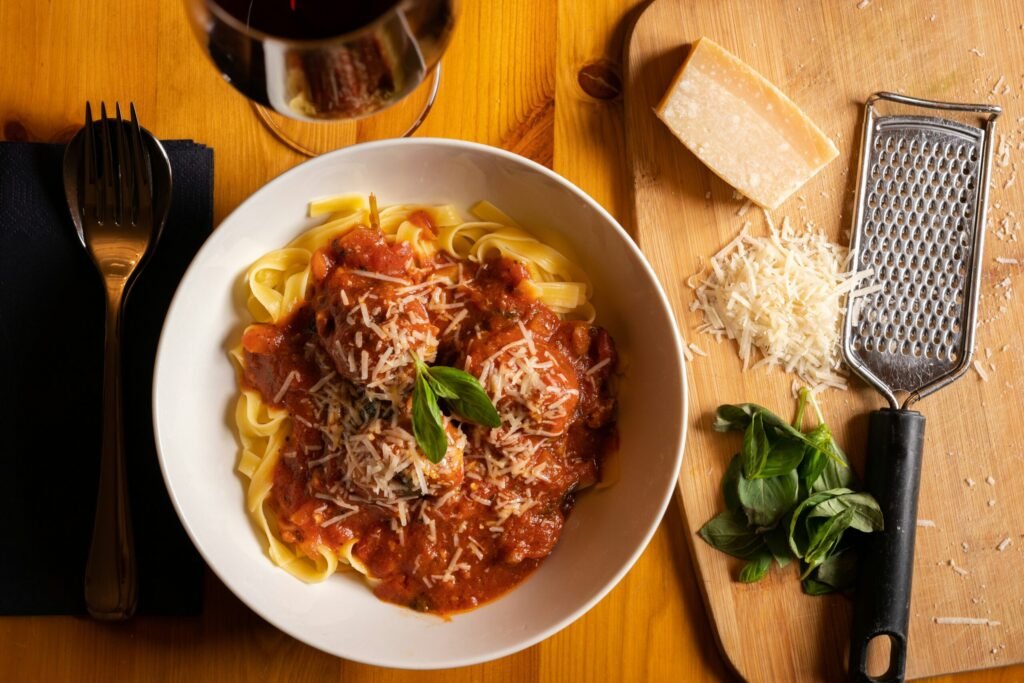
Let’s have a chat. You, me, and that dusty jar of “Italian Seasoning” in your pantry. As a food expert who has spent years in real Italian kitchens, I’m here to tell you (with all the love in my heart): you’ve been lied to. That “Chicken Alfredo” you love? It’s about as Italian as a cheeseburger. That garlic bread dripping with butter? Not a thing. And spaghetti with meatballs? A delicious, wonderful lie, born and raised in New York City. If you’re here, you’re looking for how to make authentic Italian cooking. You’re ready for the real deal.
And I’m here to spill the sugo (sauce). The best part is that cooking real Italian food is actually simpler than the imposter dishes. It’s not about a long list of complicated recipes; it’s a philosophy. It’s a way of life built on one single, gorgeous concept: respect the ingredients. This guide isn’t just a list of recipes; it’s the 7 core secrets, the actual principles of authentic Italian food, and the ultimate guide to making authentic Italian food. This is how to make food like an Italian Nonna, starting tonight.
What Real Italian Cooking vs American Fakes Looks Like
Before we learn the “how-to,” we have to un-learn the myths. Based on my analysis, these are the biggest culinary crimes being committed right now in the name of “Italian food.”
Myth 1: The Pasta is a Swimming Pool for the Sauce
This is the most common mistake. We’re all guilty of it. We make a mountain of pasta and then drown it in a gallon of sauce. In authentic Italian cooking, the pasta is the star. The sauce is the (very light) costume. Consequently, the goal is to just kiss each strand of pasta with sauce, not suffocate it. This is why the technique of finishing the pasta in the sauce pan is so critical. It’s about coating, not drowning.
Myth 2: “Italian Seasoning” is a Thing
I challenge you. Go to any kitchen in Italy. You will not find a single jar of “Italian Seasoning.” Why? It’s absurd! A Sicilian chef using oregano for a fish dish would be horrified if a Roman chef used that same blend for a carbonara. Making real Italian food means using specific fresh herbs for specific dishes. For instance, fresh basil for tomato sauce. Rosemary for roast lamb. Parsley for… well, almost everything.
Myth 3: The “Fake” Dishes (Chicken Alfredo, We See You)
Let’s just rip this band-aid off. This is a key difference in real Italian cooking vs American interpretations.
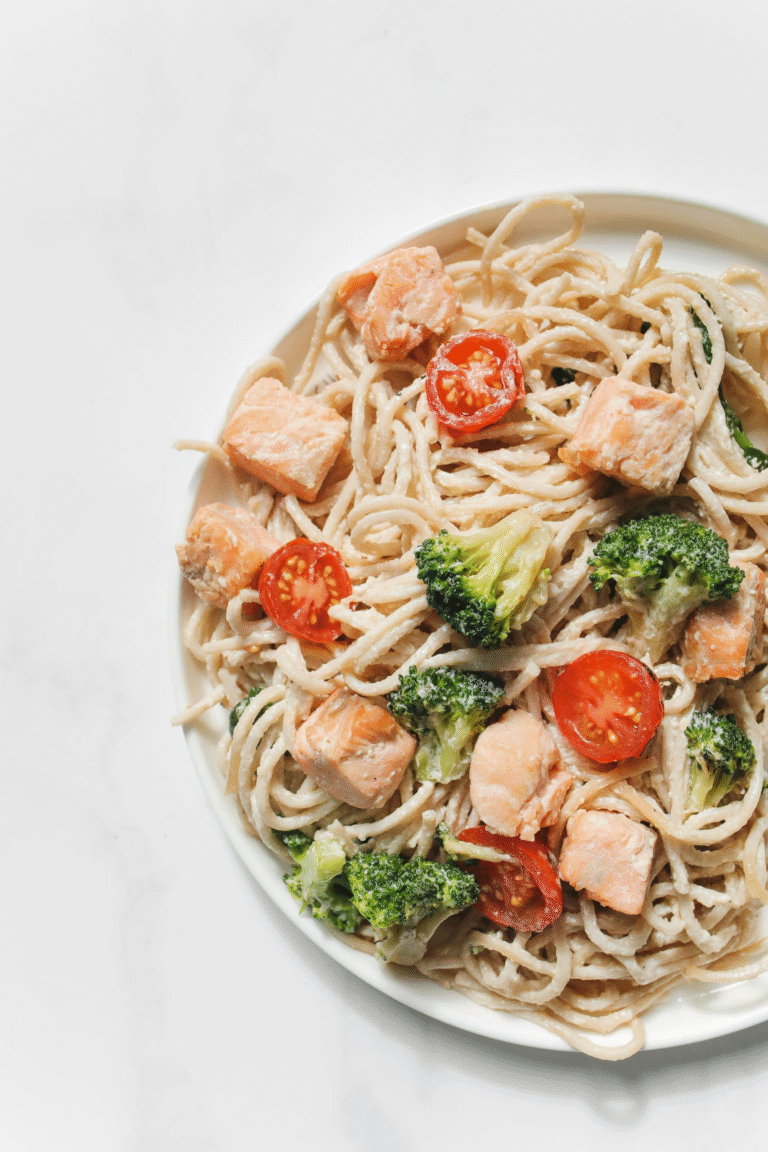
- Fettuccine Alfredo: The American version (a heavy, gloopy sauce of cream, garlic, and butter) is a glorious heart attack, but it is NOT Italian. The real Roman “Alfredo” is a simple, beautiful emulsion of hot pasta water, butter, and finely grated Parmigiano-Reggiano. No cream, no garlic.
- Spaghetti and Meatballs: This is 100% Italian-American. In Italy, polpette (meatballs) are a dish unto themselves, served as a secondo (main course). You would almost never find them sitting on top of spaghetti.
- Chicken on Pasta: This is the biggest sin. For 99% of Italy, chicken is a secondo, and pasta is a primo (a first course). They do not mix. Ever. If you’re learning how to cook real Italian food, this is the first rule to remember.
Secret 1: How to Make Authentic Italian Cooking with “La Materia Prima” (The Ingredients)
This is the most important of all principles of authentic Italian food. Italian cooking is not about a chef’s complicated technique; it’s about the farmer’s perfect ingredient. The entire philosophy is built on La Materia Prima—the raw material.
The best practice is to use fewer ingredients, but better ingredients.
A real Caprese salad isn’t just tomato, mozzarella, and basil. It’s a specific, sun-ripened San Marzano tomato from the vine, real bufala mozzarella (which is soft, milky, and tears apart), a single leaf of fresh basil, and a fruity, peppery extra-virgin olive oil. That’s it. You’re not cooking; you’re assembling. You are a curator, showcasing the perfection of the ingredients. A common mistake is thinking “more is more.” In Italy, “less is more.”
Your 3 “Must-Buy” Authentic Ingredients
If you’re serious about making real Italian food, upgrade these three things:
- Olive Oil: You need two. A cheap “light” olive oil for cooking (like for your soffritto), and an expensive, fruity, peppery Extra-Virgin Olive Oil (EVOO) that you never cook with. The good stuff is for finishing—drizzled over soup, salad, or pasta right before eating.
- Tomatoes: Stop buying the cheapest canned tomatoes. For sauce, invest in Canned San Marzano D.O.P. tomatoes. They have a lower acidity and a sweeter, more intense flavor. It’s a night-and-day difference.
- Cheese: Ditch the pre-grated “Parmesan” in a plastic shaker. It’s often cut with wood pulp (cellulose). Buy a real, wedge of Parmigiano-Reggiano (or Pecorino Romano for Roman dishes). Grate it fresh. The flavor is nutty and complex, not sour and dusty.
Secret 2: A Guide to Making Authentic Italian Food by Region (Regionalità)
This is what is authentic Italian cuisine: it’s not one thing. There is no such thing as “Italian food.” There is Roman food, Sicilian food, Tuscan food, and Milanese food. In fact, they are as different as Mexican food is from Chinese food. When you are mastering genuine Italian cuisine, you are mastering a region.
Northern Italy (Milan, Bologna): The Butter & Cream Zone
It’s cool, mountainous, and borders France. Consequently, the food is rich, hearty, and decadent.
- Fats: Butter and Lard (not olive oil)
- Carbs: Polenta (cornmeal), Risotto (Arborio rice), and fresh Egg Pasta (like Tagliatelle).
- Signature Dishes: Risotto alla Milanese (saffron risotto), Ragu alla Bolognese (a slow-cooked meat sauce with very little tomato), Osso Buco.
Central Italy (Rome, Tuscany): The Earthy “Cucina Povera”
This is the “poor cooking” heartland, where nothing is wasted and flavors are bold and simple.
- Fats: Olive Oil and Pork Fat (Guanciale)
- Carbs: Dried Pasta (Spaghetti), unsalted bread (to sop up sauce).
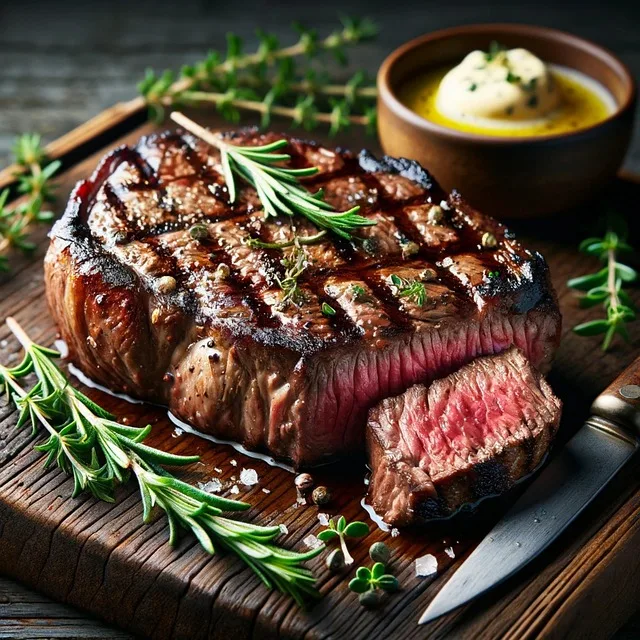
- Signature Dishes: Cacio e Pepe (cheese and pepper), Carbonara (Guanciale, egg, Pecorino. NO CREAM. EVER.), Bistecca alla Fiorentina (grilled steak), Ribollita (bean soup).
Southern Italy (Naples, Sicily): The Sun & Sea
Bright, spicy, and “Mediterranean.” This is what most Americans think of as Italian.
- Fats: Exclusively Olive Oil.
- Carbs: Dried Pasta (lots of shapes).
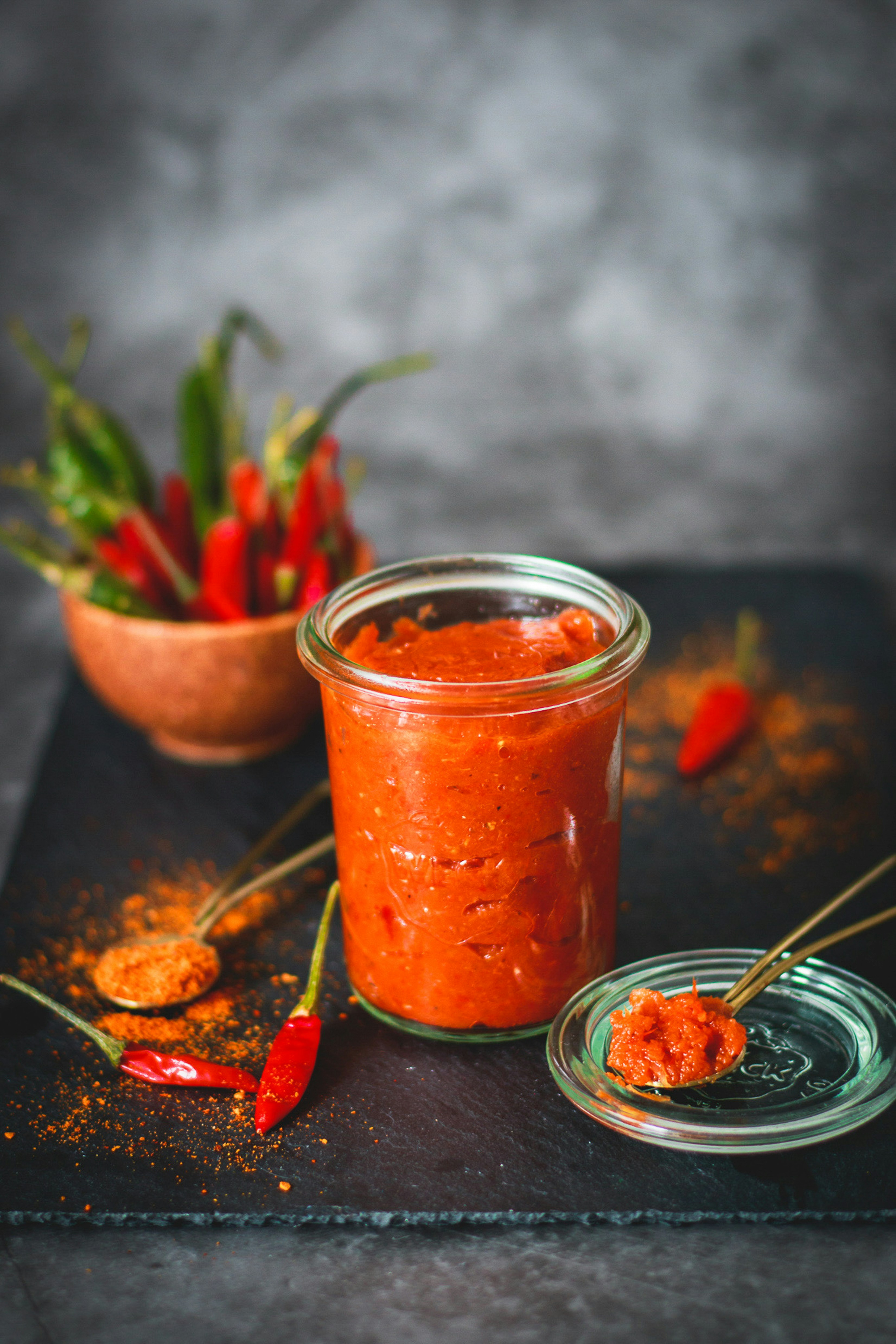
- Signature Dishes: Pizza (born in Naples), Pasta alla Norma (eggplant), Caponata, dishes loaded with fresh tomatoes, capers, anchovies, and… chili! This region loves spice. A drizzle of your own homemade chili oil is not out of place here.
Secret 3: The Soffritto – The Flavor Base for Real Italian Cooking
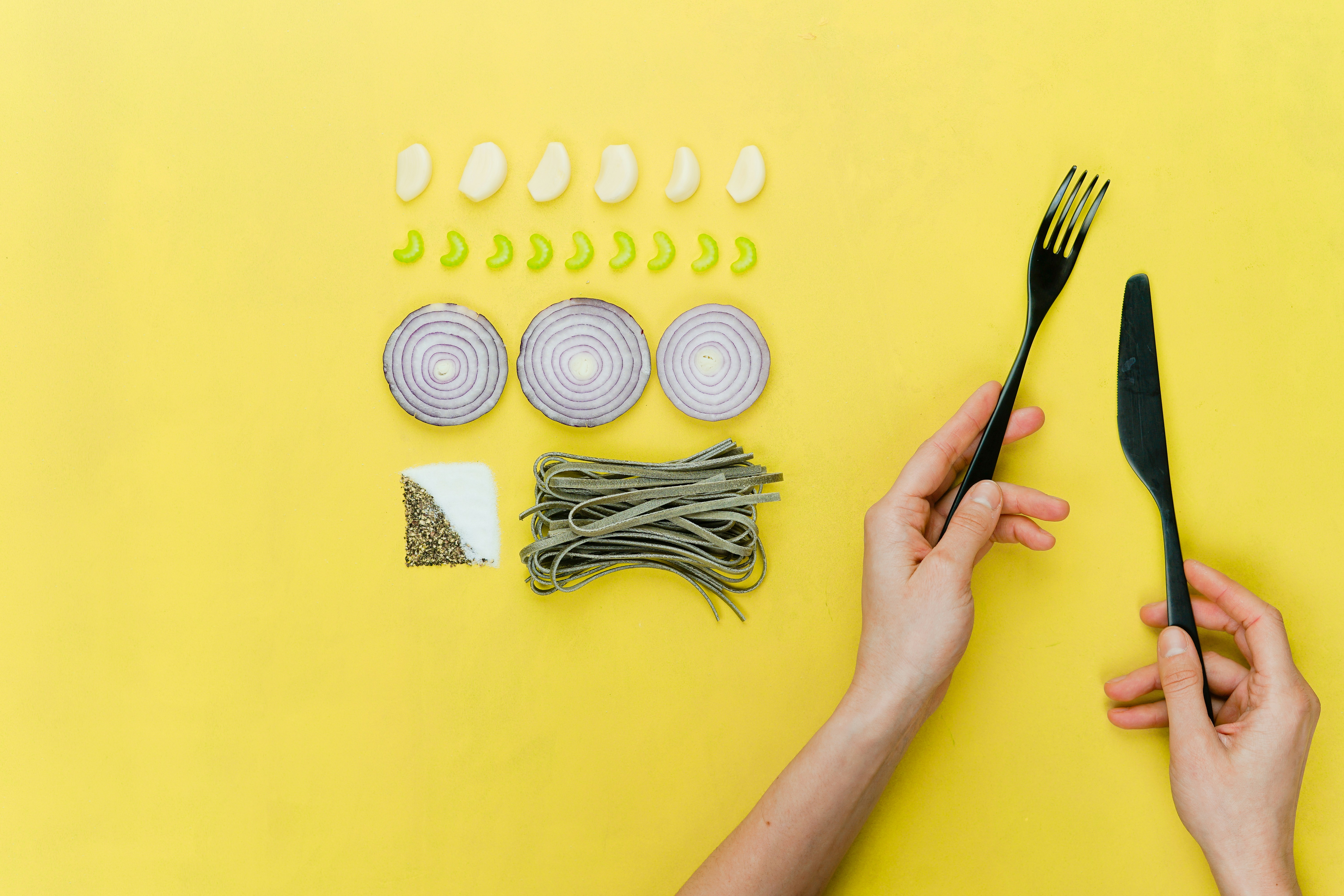
This is the holy trinity, the aromatic base for… well, almost everything. A soffritto is a slow, patient sauté of finely diced onion, carrot, and celery.
A common mistake is to just fry them quickly for 5 minutes. That’s not a soffritto. That’s just fried onions.
The best practice is to cook them in good olive oil over low heat for at least 20-30 minutes. You don’t want them to brown; you want them to “sweat” and melt, releasing their deep, sweet, aromatic flavors. This fragrant paste is the secret foundation for soups, stews, and, most importantly, the Ragu (meat sauce) in our guide to European classics. This is the first step in mastering stocks and sauces.
Secret 4: How to Make Pasta Like a Nonna (The 5 Unbreakable Rules)
Okay, pay attention. This is where how to cook real Italian food gets serious. Break these rules, and a Nonna will cry. These are the non-negotiable Italian cooking rules.
- The Water Must Be “As Salty as the Sea.” No, really. You need at least 1-2 tablespoons of coarse salt per pot of water. (Yes, coarse pink salt works great). This seasons the pasta from the inside out. It’s your only chance.
- You NEVER Break Your Spaghetti. I don’t care if it doesn’t fit in the pot. It’s a sin. It’s bad luck. You just… don’t. Push it down gently as it softens.
- You NEVER Rinse Your Pasta. Oh, the horror. That cloudy, starchy water you’re pouring down the drain? That’s liquid gold. It’s the emulsifier that helps your sauce cling to the pasta and gives it a creamy texture.
- The Sauce WAITS for the Pasta. Your sauce should be 100% finished and simmering quietly on a back burner. The second your pasta is al dente, you drain it and it goes immediately into the sauce. Pasta waits for no one.
- The “Marriage” (La Mantecatura). This is the most important step. You must finish cooking the pasta in the sauce. Drain your pasta when it’s 1 minute under al dente. Toss it into the sauce pan with a splash of that magic, starchy pasta water. Cook for 60 seconds over high heat, tossing vigorously. This is where the pasta and sauce become one beautiful, emulsified, perfect dish.
Secret 5: Master Simplicity (The “Less is More” Principle of Italian Cooking)
This is a major difference between real Italian cooking vs American interpretations. American-Italian food is about abundance. Piles of garlic. Mountains of cheese. Rivers of sauce.
Authentic Italian Cooking is about balance and subtlety. This is a core principle of authentic Italian food.
The Great Garlic Misunderstanding
Is garlic used? Of course. But often, a single clove is sautéed whole in olive oil to infuse the oil, and then removed before the other ingredients are added. It’s a subtle background note, not a punch in the face. Using eight cloves of garlic is decidedly *not* how to make authentic Italian cooking.
The Role of Cheese and Sauce
Furthermore, cheese is a seasoning, not a blanket. A light dusting of Pecorino or Parmigiano is all you need. And the biggest rule of all? NO CHEESE ON SEAFOOD PASTA. Ever. It’s considered a culinary war crime. Similarly, the sauce is the supporting actor. You should always see the shape of the pasta through the sauce.
Secret 6: Expand Your Menu (It’s Not Just Pasta)
When you learn how to make authentic Italian cooking, you learn about the structure of a meal. Pasta is just the primo (first course). There’s a whole world beyond.
- Antipasti: “Before the meal.” This is your cured meats, cheeses, olives, and bruschetta.
- Primi: The “first course.” This is where your pasta, risotto, polenta, or soup lives. It’s a smaller portion than in the US.
- Secondi: The “second course.” This is the main protein. A simple grilled fish, a roasted chicken (no pasta!), or a braised meat like Osso Buco.
- Contorni: The “side dishes.” These are your vegetables, served alongside the secondi, not on the same plate.
You don’t eat all these courses every night! But this structure shows how ingredients are respected, each getting its own moment to shine. This is a key part of mastering European classics.
Secret 7: The Final Step – Cook with “Il Dolce Far Niente” (The Joy of It)
This is the last secret, and it’s the most important. Authentic Italian Cooking is not about stress. It’s not about Michelin stars or complicated techniques (I’m looking at you, authentic Chinese cooking).
It’s about joy. It’s about Il Dolce Far Niente—the “sweetness of doing nothing.” It’s about simple, fresh food, eaten slowly, with people you love. It’s about a 2-hour lunch. It’s about making something incredible from almost nothing, like a simple Karedok on the other side of the world. Ultimately, it’s rustic, it’s simple, and it’s from the heart. That’s the real tradition.
Don’t just take my word for it. Culinary authorities constantly reinforce these “rules.” Food & Wine has a fantastic guide on the “10 Italian Food Rules You Should Never Break,” which confirms that these principles are the real deal.
Frequently Asked Questions (FAQ) about Authentic Italian Cooking
1. What’s the biggest mistake in learning how to make authentic Italian cooking?
Based on our analysis, the biggest mistake is “overdoing it.” Too many ingredients, too much sauce, too much cheese. Authentic Italian Cooking is about simplicity and letting 1-2 high-quality ingredients (like a perfect tomato) be the star. And yes, putting chicken on your pasta is a cardinal sin.
2. Is “Alfredo” sauce not authentic at all?
The American “Alfredo” (heavy cream, garlic, butter) is not authentic. The original Roman dish, “Fettuccine al Burro,” (which inspired “Alfredo”) is just three ingredients: hot pasta, butter, and Parmigiano-Reggiano. The creamy “sauce” is an emulsion created by vigorously mixing those three things with starchy pasta water.
3. What is one ingredient I should buy to cook real Italian food?
A bottle of truly good, extra-virgin olive oil. A high-quality EVOO is used as a finishing oil (drizzled on top of soup, salad, or pasta) and it adds a peppery, fruity flavor that is non-negotiable. After that? A real block of Parmigiano-Reggiano or Pecorino Romano (and a grater!).
4. Why is it a “rule” not to put cheese on seafood pasta?
This is one of the strictest Italian cooking rules. The best practice is to never mix cheese and fish. The strong, salty, funky flavor of aged cheese (like Pecorino) is seen to completely overwhelm the delicate, briny flavor of fresh seafood. It’s considered a major flavor clash.
5. What’s the real secret to a perfect, simple tomato sauce?
Simplicity. The secret is not adding a million ingredients. The first step in how to make authentic Italian cooking sauce is a slow-cooked soffritto (onion, carrot, celery), then add high-quality canned San Marzano tomatoes, a pinch of salt, and a single sprig of fresh basil. Let it simmer slowly for at least 45 minutes. That’s it. Let the tomatoes do the work.