How to Make Classic Sole Meunière: The Easiest French Fish Dish
Introduction to Sole Meunière
Sole Meunière, a quintessential French dish, has garnered a remarkable reputation among culinary enthusiasts and professionals alike. Originating from France, this classic preparation highlights the delicate flavors of sole, a flatfish recognized for its fine texture and subtle taste. The dish embodies the essence of French cuisine, which often prioritizes simplicity and quality ingredients. As such, Sole Meunière consists primarily of fresh sole fillets, flour, butter, and lemon juice, making it surprisingly straightforward to prepare.
One of the reasons Sole Meunière enjoys widespread adoration is the cultural significance attached to it. It has been a staple in French households for generations, often served on special occasions and gatherings. Its status as a beloved classic is further solidified by its inclusion in the menus of prestigious restaurants around the world, showcasing the dish’s versatility and universal appeal. Additionally, the name “Meunière,” which translates to “in the miller’s style,” signifies the method of preparation, emphasizing tradition over complexity.
The beauty of Sole Meunière lies in its simplicity and the technique involved in its execution. The entire process—from lightly dusting the fish with flour to frying it in butter—fosters an environment where the natural flavors shine through. This attention to detail is essential, as even minor variations can impact the dish’s outcome. For aspiring cooks, mastering Sole Meunière not only teaches valuable culinary skills but also instills confidence in one’s ability to create a celebrated French classic. With the right approach and a focus on quality ingredients, anyone can recreate this elegant dish in their own kitchen, demonstrating that sometimes less truly is more.
Ingredients You Will Need
To create a traditional Sole Meunière, sourcing the right ingredients is crucial for an authentic flavor experience. The star of this classic French dish is the sole fish, renowned for its delicate taste and firm texture. When selecting sole, look for fish that have bright, clear eyes and a mild smell, indicating freshness. Sole can often be found in both fresh and frozen forms; however, fresh sole yields the best results. If sole is unavailable, other flatfish like flounder or plaice may serve as suitable substitutes.
Flour is essential for dredging the fish, creating a light crust that enhances the dish’s texture. A fine all-purpose flour is recommended, though you could experiment with rice flour for a gluten-free alternative. Be sure to season the flour lightly with salt and pepper to add another layer of flavor to the dish.
Butter plays a significant role in achieving the classic nutty flavor associated with Sole Meunière. Use high-quality unsalted butter for this recipe, as it allows for greater control over the dish’s seasoning. If necessary, a blend of butter and olive oil can be utilized; however, this may alter the dish’s traditional character.
A zesty lemon is used to add brightness and balance to the rich flavors of the butter and fish. Choose lemons that feel heavy for their size and have a bright yellow skin. Lastly, freshly chopped parsley provides a vibrant finish, adding color and enhancing flavor. If fresh parsley is not available, dried parsley can serve as a last resort, but fresh is strongly recommended for the best taste.
Ensuring all ingredients are fresh and of high quality is paramount for creating an authentic Sole Meunière, elevating this simple dish to a culinary delight.
Equipment Required
To prepare the classic Sole Meunière, a few essential kitchen tools are needed to ensure a seamless cooking process. First and foremost, a heavy-bottomed skillet is crucial. This type of pan conducts heat evenly, which is vital for achieving the perfect sear on the sole fillets. A stainless steel or cast iron skillet is highly recommended, as they both offer excellent heat retention and distribution.
Next, a fish spatula is an indispensable tool for flipping and serving the delicate fillets. This specialized spatula has a thin, slotted design that allows for easy maneuvering without breaking the fish apart. If a fish spatula is not available, a regular flat spatula can suffice but may require extra care to prevent damaging the fillets.
Measuring cups and spoons are also necessary for accurately portioning ingredients, especially when working with butter, lemon juice, and flour. Precision in these measurements is key for achieving the authentic flavor profile attributed to Sole Meunière. While standard measuring units will suffice, consider investing in a digital scale for more accuracy if you often cook with various ingredients.
In addition, having a pair of tongs on hand can be beneficial, particularly when transferring the cooked sole fillets from the skillet to the serving platter. The right equipment not only aids in cooking efficiency but also enhances the presentation of the dish.
Lastly, a good quality knife is important for trimming the fish and cutting lemon wedges for garnish. While not strictly necessary, a cutting board with adequate space will help in preparing the ingredients securely and efficiently.
By ensuring you have these essential tools and equipment, your experience making Sole Meunière will be much more enjoyable and successful.
Step-by-Step Instructions for Preparation
Preparing Sole Meunière, a classic French fish dish, can be both enjoyable and fulfilling. To begin, gather your ingredients: fresh sole fillets, all-purpose flour, unsalted butter, lemon, fresh parsley, and salt. It’s crucial to ensure that your ingredients are of high quality for the best results.
Start by patting the sole fillets dry with paper towels to remove excess moisture. This step is important as it helps achieve a perfect golden crust. Dredge each fillet lightly in all-purpose flour, ensuring that both sides are well-coated. Tap off any excess flour, which prevents a clumpy texture when cooking.
Next, heat a generous amount of unsalted butter in a large skillet over medium-high heat. The butter should melt and foam but avoid letting it brown too much or it may impart a bitter taste. Once the butter is hot, gently place the fillets in the skillet, making sure not to overcrowd the pan. Sauté the fillets for about 2-3 minutes on each side, depending on their thickness. The goal is to create a beautifully golden crust while ensuring the fish is cooked through yet tender.
Once cooked, transfer the sole fillets to a serving platter, covering them loosely with aluminum foil to keep them warm. In the same skillet, utilize the remaining butter and brown bits to create a pan sauce. Add a splash of fresh lemon juice, scraping the bottom of the pan to incorporate all flavor elements. Allow the sauce to simmer for a minute before adding finely chopped parsley and a sprinkle of salt to enhance the flavor.
Finally, drizzle the sauce generously over the plated sole fillets. Serve immediately while the dish is hot, pairing it with steamed vegetables or a light salad for a complete meal. The meticulous attention to detail throughout each cooking stage will ensure a delectable Sole Meunière, true to its French roots.
Creating the Perfect Pan Sauce
To achieve the quintessential pan sauce for Sole Meunière, one must begin with the essential ingredient: brown butter. This technique involves melting unsalted butter in a skillet over medium heat, allowing it to bubble and foam. As the water evaporates, the milk solids will eventually sink to the bottom and brown, contributing a nutty flavor that is characteristic of this sauce. For optimal results, it is crucial to monitor the butter closely, as it can quickly transition from perfectly golden brown to burnt. The ideal color resembles that of toasted hazelnuts.
Once the butter has reached the desired hue, it is pivotal to remove it from the heat to prevent further cooking. At this point, incorporating acidity is essential to balance the richness of the brown butter. Fresh lemon juice should be introduced carefully, stirring rapidly to combine it with the fat. The acidity not only enhances the overall flavor profile, but also provides brightness that cuts through the richness, allowing the fish to shine.
For the final flourish, fresh parsley is added to the sauce, imparting a vibrant green color and herbaceous notes. Chopped finely, the parsley should be stirred in just before serving to maintain its freshness and vitality. This addition elevates the dish, creating a harmonious blend of flavors that complement the delicate Sole Meunière.
In the process of preparing the pan sauce, it is vital to avoid common pitfalls such as overcooking the butter or failing to balance the acidity. Regularly taste the sauce, adjusting the lemon juice and seasoning as necessary. The perfect pan sauce is achieved through a delicate balance of flavors—richness from the brown butter, zest from the lemon, and freshness from the parsley—culminating in an exquisite accompaniment to elevate your Sole Meunière.
Serving Suggestions
When it comes to serving Sole Meunière, the presentation and accompanying dishes play a vital role in enhancing the overall dining experience. This classic French fish dish, known for its delicate flavors and subtle richness, can be beautifully complemented with thoughtful side dishes and garnishes. A light, fresh side salad featuring mixed greens, sliced cucumbers, and a lemon vinaigrette can provide the perfect contrast to the buttery sauce of the fish. Additionally, roasted or sautéed seasonal vegetables, such as asparagus or green beans, can add color and texture to the plate.
In terms of starch, consider serving Sole Meunière alongside a fluffy herb-infused rice or classic garlic mashed potatoes. Both options can absorb the delicious sauce, making every bite even more delightful. For those seeking a more traditional approach, crusty French bread serves not only as an excellent vehicle for the decadent sauce but also adds an authentic touch to the meal.
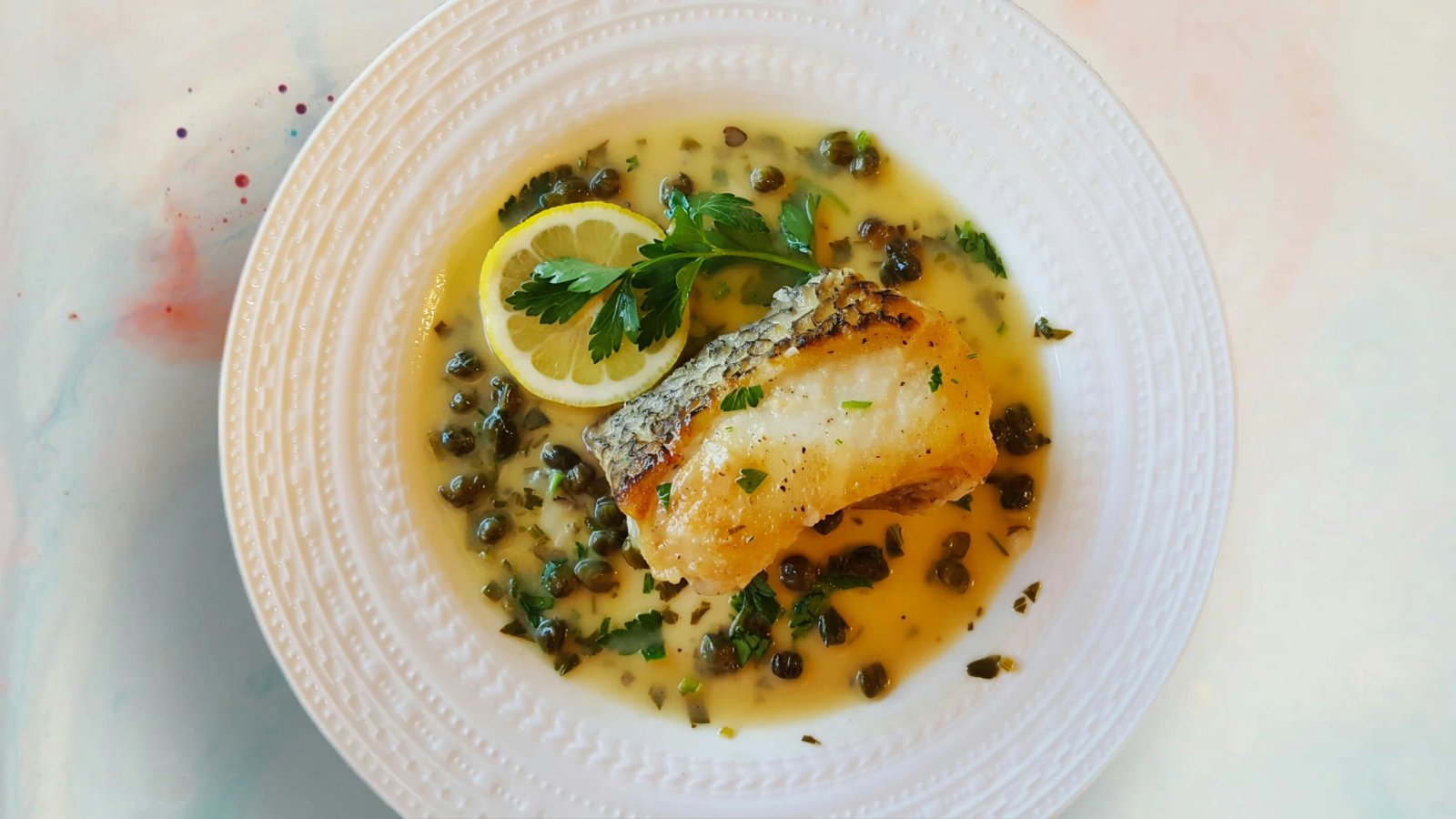
Plating is another crucial element in presenting Sole Meunière. A white plate can provide a striking contrast to the golden-brown fish, allowing it to take center stage. Place the fish gently on the plate, spooning the meunière sauce generously over it, and add a few herbs, such as parsley or chives, for a pop of color. A wedge of lemon on the side adds a bright visual element and encourages diners to enhance the dish’s flavors further.
Pairing the fish with an appropriate wine can also elevate the dining experience. A crisp Sauvignon Blanc or a light Chardonnay complements Sole Meunière effectively, balancing the richness of the fish. For those who prefer a non-alcoholic option, sparkling water with a twist of lemon can refresh the palate. Creative garnishing ideas, such as finely chopped capers or a sprinkle of paprika, can also enhance the dish’s presentation and flavor profile, making it a truly memorable meal.
Printable Recipe Card
To make your cooking experience as seamless as possible, we have prepared a printable recipe card for Classic Sole Meunière. This card consists of all necessary ingredients, their quantities, cooking time, and step-by-step instructions, making it easy for you to follow along in your kitchen.
Ingredients:
- 2 sole fillets (around 6-8 ounces each)
- Salt and pepper to taste
- 1/2 cup all-purpose flour
- 4 tablespoons unsalted butter
- 1 tablespoon lemon juice (freshly squeezed)
- 2 tablespoons fresh parsley (chopped, for garnish)
Cooking Time: Approximately 15 minutes
Instructions:
- Begin by seasoning the sole fillets with salt and pepper.
- Place the all-purpose flour on a plate and lightly coat each fillet with flour, shaking off any excess.
- In a large skillet, melt 2 tablespoons of butter over medium heat. Once melted, carefully add the floured fillets and cook for about 3-4 minutes on each side, or until they are golden brown and cooked through.
- Once the sole is cooked, transfer the fillets to a serving plate and cover with aluminum foil to keep warm.
- In the same skillet, add the remaining 2 tablespoons of butter and let it melt. Cook the butter until it turns a light brown color and develops a nutty aroma, which typically takes about 2-3 minutes. Be careful not to let it burn.
- Remove the skillet from the heat and stir in the lemon juice. Pour the browned butter over the fillets.
- Garnish the sole with fresh chopped parsley before serving.
This printable recipe card can be easily accessed from any device, allowing you to refer to it while cooking. For best results, print it out and keep it near your workspace in the kitchen. Enjoy your homemade Classic Sole Meunière with minimal fuss!
FAQs About Sole Meunière
Sole Meunière is a classic French dish that captures the essence of simple and elegant cooking. However, many people have questions about its preparation and variations. Below, we address some common queries to help you master this delightful recipe.
What is ‘brown butter’ (beurre noisette)? Brown butter, known as beurre noisette in French, is a crucial component of Sole Meunière. To make brown butter, you start by melting unsalted butter in a pan over medium heat. As the butter melts, it will foam and begin to sizzle. Watch it closely; it will eventually turn from pale yellow to a golden hue, releasing a nutty aroma. This transformation occurs due to the milk solids in the butter caramelizing. Brown butter adds richness and depth of flavor to the dish, elevating both the fish and the accompanying ingredients.
What fish can I use besides real Dover sole? While traditional Sole Meunière employs Dover sole, several other fish varieties can also be used. Flounder, if available, is an excellent substitute due to its delicate flavor and texture. Other suitable alternatives include tilapia or halibut, which can also provide a satisfying result. Each of these fish varieties cooks well in the brown butter sauce and achieves a similarly tender finish, making them viable options for this classic recipe.
How do I stop the fish from sticking? To prevent the fish from sticking during preparation, it is essential to use a well-seasoned skillet or a non-stick pan. Preheating the pan is critical; a hot pan allows the fish to sear properly and release more easily. Additionally, ensure that the fish is patted dry with paper towels before cooking to remove excess moisture, which can cause steaming and sticking. Using enough brown butter or oil in the pan can also help, creating a delicious crisp on the fish’s surface without compromising its integrity during cooking.
Conclusion and Additional Tips
Mastering the art of cooking Sole Meunière at home is a rewarding endeavor that can elevate your culinary skills. This classic French fish dish is not only straightforward to prepare, but it also offers a delightful taste experience that is sure to impress family and friends. Embracing the essence of Sole Meunière involves understanding its fundamental technique: pan-frying the fish in butter until golden and achieving the perfect balance of flavors with a sprinkle of lemon. As you practice, you may find your own rhythm and style emerge, allowing you to bring a personal touch to this traditional recipe.
As you delve into this dish, consider experimenting with variations that can enhance its flavor profile. For instance, adding fresh herbs such as parsley or tarragon can introduce a new layer of complexity. Additionally, try pairing the dish with different sides, such as a crisp salad, roasted vegetables, or even a bed of creamy mashed potatoes, to create a well-rounded meal that suits your taste preferences.
Encouragement to share your experiences with preparing Sole Meunière will not only enhance your culinary journey but will also foster a sense of community among fellow home cooks. Social media platforms and cooking forums can serve as excellent venues for exchanging tips, showcasing your culinary successes, and even discussing challenges you encounter along the way. By connecting with others, you can gain insights that refine your technique and inspire new ideas.
In conclusion, the joy of mastering this classic dish lies not only in the process but also in the shared experiences that come with it. Embrace the journey of cooking Sole Meunière, and revel in the delicious results of your efforts. With practice and creativity, this elegant dish can become a frequent highlight on your dining table.