How to Make Creamy Mushroom Risotto the Right Way
Introduction to Risotto
Risotto is a traditional Italian dish that has become synonymous with comfort food for many across the globe. Originating from Northern Italy, this rice-based dish is characterized by its creamy consistency and rich flavors, making it a beloved staple in Italian cuisine. Its versatility allows for a wide array of ingredients to be incorporated, but the classic version often includes broth, white wine, and parmesan cheese, resulting in a luxurious texture that is both satisfying and hearty.
The mastery of risotto is considered an essential skill in the culinary world, particularly when it comes to crafting a creamy mushroom risotto. This variation not only highlights the umami flavors of mushrooms but also exemplifies the technique required to achieve the perfect creamy texture. The focus lies in the gradual incorporation of liquid and constant stirring, which releases the starches from the rice, creating that characteristic creaminess without the need for heavy creams or excessive fat.
Perfecting the art of risotto is not merely about following a recipe; it involves understanding the parameters that influence the dish’s final outcome. Factors such as the choice of rice, the quality of broth, and the timing of when to add ingredients can significantly impact the flavor and texture. By paying careful attention to these elements, one can elevate their culinary prowess, while ensuring that every serving of creamy mushroom risotto is a testament to their skill and dedication in the kitchen.
As we explore the intricacies of how to make creamy mushroom risotto, it will become evident that the process is as rewarding as the end result, making it an essential dish for both novice cooks and seasoned chefs alike.
Key Ingredients
To prepare a delightful creamy mushroom risotto, it is essential to gather several key ingredients which contribute to the dish’s rich flavor and creamy texture. The primary ingredient is short-grain rice, specifically Arborio or Carnaroli rice. These types of rice are high in amylopectin, a starch that helps achieve the signature creaminess of risotto as it cooks. The choice between Arborio and Carnaroli may vary, but both produce excellent results.
Fresh mushrooms are another critical element, providing an earthy flavor that complements the creaminess of the dish. Varieties such as cremini, shiitake, or porcini mushrooms can elevate the risotto’s taste profile and should be chosen based on personal preference and availability. The quality of mushrooms can significantly impact the overall outcome, making fresher ingredients more desirable.
A flavorful liquid, such as vegetable or chicken stock, is also essential for cooking the rice and developing depth in the risotto. Opting for homemade stock can enhance the dish, but quality store-bought alternatives will suffice when prepared properly. Adding white wine introduces acidity that balances the richness of the risotto, enhancing the flavors of the mushrooms and the other ingredients.
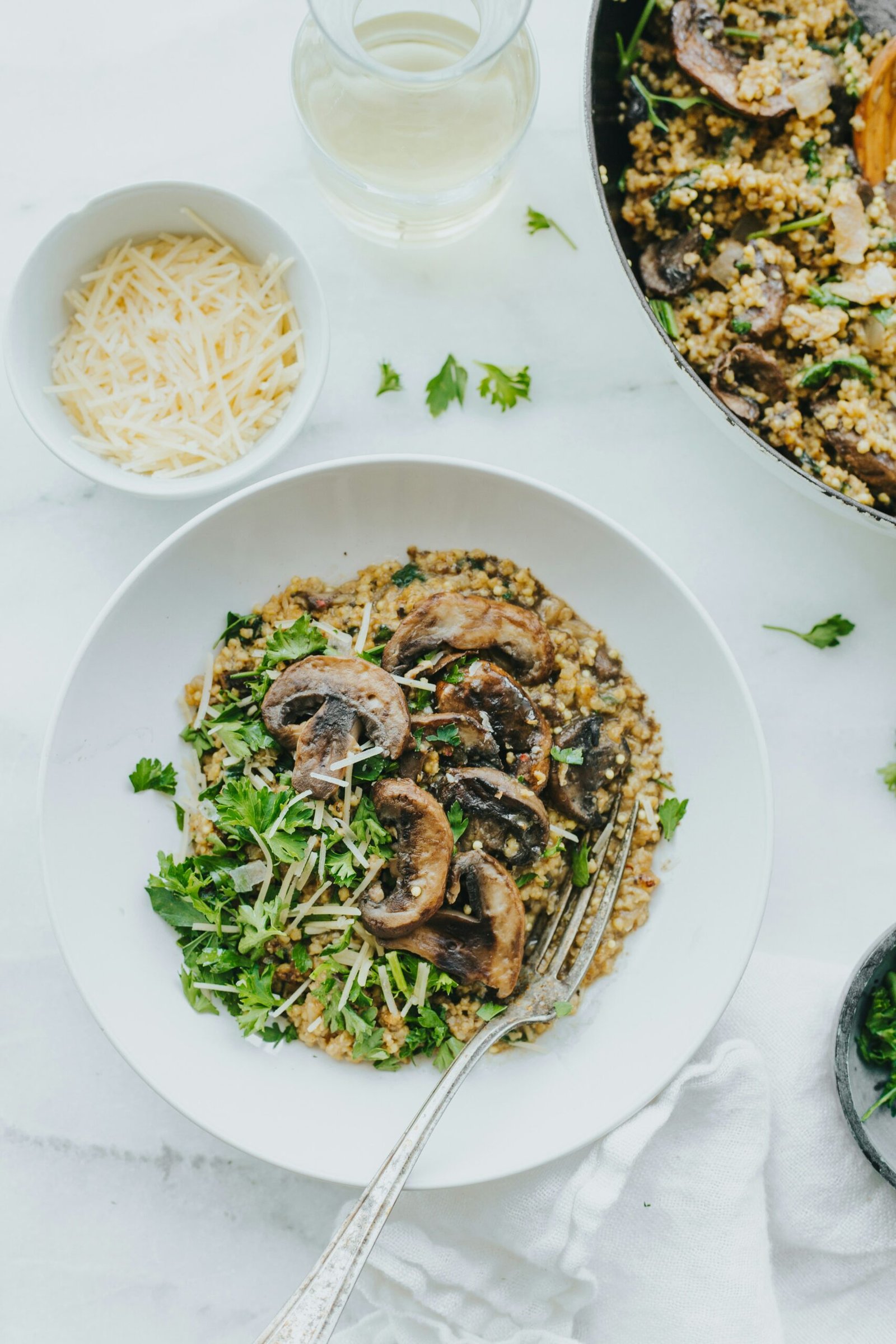
Furthermore, finely chopped onion and garlic serve as aromatic bases, enriching the dish’s flavor. Their gentle sautéing allows their natural sweetness to emerge. Parmesan cheese is another fundamental ingredient in creamy mushroom risotto; it adds a savory element and creamy texture when incorporated towards the end of cooking. Lastly, cold butter folded in just before serving creates an unparalleled creaminess and richness.
Optional herbs, such as thyme or parsley, can provide a fresh finish to the dish and make it visually appealing, though the primary focus should remain on the main ingredients for a genuinely creamy mushroom risotto.
Non-Negotiable Techniques
Creating a rich and luxurious creamy mushroom risotto involves a series of essential techniques that are crucial for achieving the desired texture and flavor. Each of these methods plays a significant role in how the dish develops its signature creaminess and consistency.
The first technique is toasting the rice. This step involves briefly sautéing the Arborio rice in olive oil or butter until it becomes slightly translucent. This process enhances the nutty flavor of the rice and primes it to absorb flavors from the stock during cooking. Toasting helps to create a firm outer layer on the rice grains, which is essential for allowing the starches to release gradually as you cook, contributing to the creaminess of the final dish.
Next, it is crucial to add the hot stock ladle by ladle. By pouring in small amounts of hot stock instead of all at once, you enable the rice to absorb the liquid gradually while continuously stirring. This method not only promotes even cooking but also ensures that the starches are released properly, which thickens the risotto and gives it a creamy texture. The gentle heat helps to control the cooking process, making each grain tender without becoming mushy.
Constant stirring is another pivotal technique. By engaging in this action, you allow for even heat distribution and prevent the rice from sticking to the bottom of the pot. Additionally, stirring continuously encourages the starch to leach from the grains, which is vital for achieving that creamy consistency associated with a well-made risotto. This step requires patience and attention; however, the reward is well worth the effort.
Finally, the final ‘mantecatura’ process is crucial to achieving that velvety finish. This involves stirring in butter and Parmesan cheese at the end of cooking, which enhances the creaminess and adds a rich flavor. The warmth from the risotto melts the cheese and butter, creating a luxurious, smooth texture. These non-negotiable techniques form the foundation for how to make creamy mushroom risotto that is both memorable and delicious.
Preparing the Ingredients
When embarking on the journey of how to make creamy mushroom risotto, successful preparation of ingredients is essential for a smooth cooking experience. Begin by selecting fresh mushrooms, as they are the heart of the dish. Common varieties include cremini, shiitake, or porcini, each bringing unique flavors. To clean the mushrooms, gently wipe them with a damp cloth to remove any dirt. Avoid soaking them in water, as they are porous and may absorb excess moisture, leading to a diluted taste.
Once the mushrooms are clean, proceed to slice them. Aim for uniform thickness to ensure even cooking. A sharp knife will facilitate this process, allowing for clean cuts and reducing the risk of browning. As the mushrooms will take center stage in your risotto, consider slicing them into bite-sized pieces that can intensify the dish’s creamy texture once cooked.
Next, finely chop the onion and garlic, both of which are crucial for depth of flavor. A non-reactive bowl can help contain the chopped ingredients as you prepare them. Start with the onion; aim for small, even cubes that will cook down smoothly in the pan. Follow with the garlic, which should be minced to release its potent aroma. The aroma developed from sautéing the onion and garlic creates a solid flavor base for the creamy mushroom risotto.
Finally, measure out your Arborio rice and stock. Arborio rice is essential for achieving the desired creaminess in risotto due to its high starch content. Measure about one cup of rice for a standard serving, and ensure the stock is warm, as this will facilitate the cooking process and help release the starch as the rice absorbs it.
By properly preparing each ingredient, you are setting the stage for a well-executed dish. Having everything ready before the actual cooking begins will enhance the efficiency and enjoyment of the process, allowing you to focus on creating a delicious creamy mushroom risotto.
Cooking the Risotto
To embark on the culinary journey of how to make creamy mushroom risotto, one must begin with selecting the right type of rice, preferably Arborio. This short-grain rice is key in achieving a creamy texture due to its high starch content. Begin by measuring out about one cup of Arborio rice, which is sufficient for approximately four servings. Start the preparation by toasting the rice in a large, heavy-bottomed saucepan over medium heat for about 2-3 minutes. This process enhances the nutty flavor of the rice and also helps to seal the grains, improving their ability to absorb broth later on.
Next, gradually introduce the liquid. For a traditional risotto, use homemade or high-quality vegetable or chicken stock. Heating the stock separately in a saucepan ensures it remains warm, which is crucial since adding cold stock can disrupt the cooking process. Ladle in the broth one cup at a time, allowing the rice to absorb the liquid fully before adding more. This technique is a non-negotiable step when learning how to make creamy mushroom risotto, as it contributes to the dish’s signature creamy consistency.
Continuous stirring is vital throughout this process. It not only prevents the rice from sticking to the pan but also encourages the release of starches, creating that desired creaminess. After about 18-20 minutes of adding stock, the rice should be tender yet al dente, showcasing a slight bite in the center. The risotto is perfectly cooked when it flows slightly on the plate but still holds its shape. Look for a glossy appearance to indicate the release of starch, ensuring a deliciously rich outcome. Once the desired consistency is achieved, the risotto is ready for the final touches, such as the addition of sautéed mushrooms and Parmesan cheese, enhancing both flavor and creaminess.
The Final Mantecatura
The final steps in making creamy mushroom risotto are crucial, as they greatly influence the dish’s ultimate texture and flavor. This process, known as ‘mantecatura,’ involves incorporating cold butter and grated Parmesan cheese into the risotto to achieve a glossy, creamy finish. It is essential to perform this step after removing the risotto from the heat to preserve the integrity of the ingredients and prevent the butter from melting too quickly.
To begin, once the rice has reached the desired al dente texture, remove the pot from the heat source. This pause is critical to prevent overcooking the grains. Next, take about two tablespoons of unsalted butter and cut it into small pieces. Gradually whisk in these cold butter cubes into the risotto using a wooden spoon or a spatula, ensuring that each piece is fully incorporated before adding more. This technique will create an emulsion, resulting in a luxurious and creamy consistency that enhances the overall flavor of the dish.
Following the addition of the butter, it is recommended to include freshly grated Parmesan cheese, typically around half a cup, although this can be adjusted according to personal taste preferences. The cheese not only adds a rich, savory depth but also contributes to the creaminess of the risotto. Stirring continuously will help the cheese melt evenly and integrate into the dish smoothly.
It is also advisable to taste the risotto at this stage to assess the seasoning and consistency. You may adjust salt and pepper as necessary. If the risotto appears too thick, a splash of warm vegetable or chicken broth can help achieve the desired creaminess. Ultimately, the final mantecatura elevates the risotto, making it a rich and satisfying dish, ready for serving.
Printable Recipe Card
Creating the perfect creamy mushroom risotto can be a delightful culinary experience. Below is a user-friendly recipe card that presents a concise version of the dish along with the necessary ingredient measurements and step-by-step instructions. This format is not only easy to read but also ready for printing, allowing you to have it handy while you cook.
Ingredients
- 1 cup Arborio rice
- 4 cups chicken or vegetable broth
- 1 cup mushrooms, sliced (preferably a mix of cremini and shiitake)
- 1 medium onion, finely chopped
- 2 cloves garlic, minced
- 1/2 cup dry white wine
- 1/2 cup grated Parmesan cheese
- 2 tablespoons olive oil
- 2 tablespoons unsalted butter
- Salt and pepper, to taste
- Fresh parsley, chopped, for garnish (optional)
Instructions
- In a saucepan, heat the broth over low heat, keeping it warm.
- In a large skillet, heat the olive oil and 1 tablespoon of butter over medium heat. Add the chopped onion and cook until translucent, about 5 minutes.
- Stir in the garlic and sliced mushrooms, cooking until the mushrooms are tender and browned, around 7-10 minutes.
- Add the Arborio rice to the skillet, stirring well to coat the grains with the oil and butter. Cook for about 2 minutes until the rice is lightly toasted.
- Pour in the white wine, stirring until it is mostly absorbed by the rice.
- Gradually add the warm broth, one ladleful at a time, stirring frequently and allowing each addition to be absorbed before adding the next. This process should take about 18-20 minutes.
- Once the rice is creamy and al dente, remove from heat. Stir in the remaining tablespoon of butter and the Parmesan cheese. Season with salt and pepper to taste.
- Serve immediately, garnishing with fresh parsley if desired.
This printable recipe card offers a structured approach to preparing a delicious creamy mushroom risotto. Whether you are a novice or an experienced cook, following these steps will enhance your cooking journey.
Common Mistakes to Avoid
When learning how to make creamy mushroom risotto, it is vital to recognize and avoid common mistakes that can compromise the integrity of this dish. One significant error is rushing the cooking process. Risotto requires patience; the rice must be cooked slowly while being consistently stirred. This technique releases the starches in the rice, resulting in that desired creamy texture. If the rice is cooked too quickly, it can lead to undercooked grains and an uneven texture.
Another frequent mistake is neglecting to stir consistently. Stirring not only aids in even cooking but also encourages the rice to absorb the broth gradually. Infrequent stirring can result in gummy and sticky rice that lacks the smoothness typical of a well-made risotto. Therefore, maintaining a steady stirring rhythm while adding broth slowly is crucial for achieving the creamy consistency.
Furthermore, using the wrong type of rice can detract from the quality of the dish. Although there are several rice varieties available, Arborio rice is the most commonly recommended for risotto due to its high starch content. Using long-grain rice instead will lead to a less creamy result, as it does not possess the same ability to absorb liquid and release starch. Selecting the proper rice is essential for those keen on perfecting their culinary skills in crafting a creamy mushroom risotto.
Lastly, failing to season the dish properly can result in bland flavors. The gradual addition of broth allows you to monitor the seasoning throughout the cooking process. Tasting the risotto as it cooks is vital, and adding additional salt or spices can greatly enhance the flavor profile. By staying attentive to these details, you can elevate your risotto from mediocre to extraordinary.
Frequently Asked Questions about Risotto
When learning how to make creamy mushroom risotto, many home cooks encounter a variety of questions. Here, we address some of the most common inquiries to help ensure a successful cooking experience.
Why do I have to add the stock slowly?
Adding stock slowly is crucial because it allows the rice to absorb the liquid gradually, ensuring an even cooking process. If stock is added all at once, the rice may not release its starch properly, leading to a less creamy texture. By incorporating the stock gradually, you enable the rice to cook uniformly while achieving the desired creaminess that characterizes risotto.
Why is my risotto gummy or hard?
The texture of risotto can be affected by various factors. If your risotto is gummy, it may be due to overcooking the rice or using too much liquid. The rice should be cooked al dente, which means it should still retain a slight bite. Conversely, if your risotto is hard, it might not have absorbed enough liquid during the cooking process. To remedy this, ensure you’re adding enough stock and monitoring the rice as it cooks to achieve the right consistency.
Do I have to stir it the whole time?
While constant stirring is not mandatory, it is recommended to stir frequently when making creamy mushroom risotto. Stirring helps to release the starches from the rice, which contributes to the dish’s signature creaminess. However, it is important to balance this with patience, allowing the rice to absorb the stock fully. A gentle but attentive approach to stirring will enhance the final texture of your risotto.
By understanding these key points, anyone can master the art of making creamy mushroom risotto. Remember, patience and technique are essential components in this culinary endeavor.