How to Make Deep Brown Beef Stock for Rich Stews and Gravy
Introduction to Deep Brown Beef Stock
Deep brown beef stock serves as a fundamental component in the culinary arts, particularly noted for enhancing the flavor profiles of various dishes, including stews and gravies. The process of crafting this stock goes beyond mere flavor enhancement; it exemplifies the craftsmanship of home cooking and the joy derived from using homemade ingredients.
When prepared correctly, deep brown beef stock provides a robust, rich flavor that can elevate the simplest of meals. The depth of flavor attained through the slow roasting of bones and vegetables transforms ordinary dishes into gourmet experiences. This layer of complexity not only enriches stews but also creates a satisfying base for sauces, giving a profound taste that is unattainable with store-bought alternatives.
One of the primary benefits of making your own deep brown beef stock lies in its versatility. The stock can be utilized in a variety of recipes, from hearty soups to risottos, and can also serve as a base for numerous sauces. This adaptability ensures that a batch of homemade stock can stretch across multiple meals, making it a resourceful choice for any home cook.
Moreover, preparing your own stock allows for control over the ingredients used, which can lead to healthier meals. By selecting high-quality bones, fresh vegetables, and aromatic herbs, one can avoid preservatives and additives commonly found in commercial stocks. This attention to quality not only enhances the final dish but also aligns with a growing trend toward mindful cooking practices.
Ultimately, the experience of creating deep brown beef stock is rewarding. The aroma of simmering ingredients fills the kitchen with warmth, indicating a loving attention to detail. This stock not only serves as a culinary foundation but also embodies a commitment to quality home cooking, promising to enrich both meals and moments shared around the table.
The Essential Ingredients
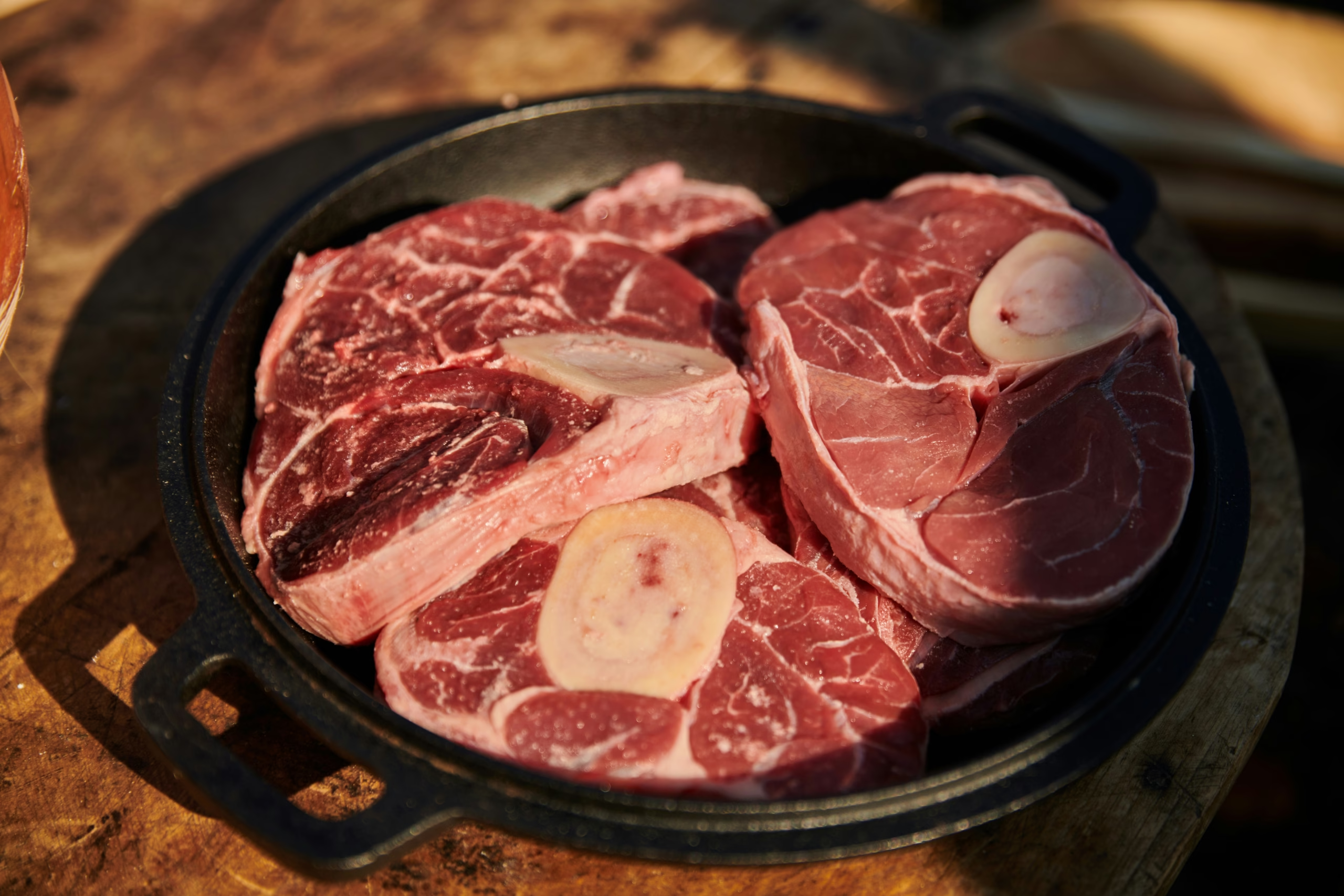
Creating a rich deep brown beef stock begins with selecting the right ingredients. The primary component is beef bones, ideally marrow bones and oxtail, which provide both flavor and gelatin. Marrow bones impart a richness and enhance the stock’s mouthfeel, while oxtail contributes depth and a robust base that is renowned for making flavorful stews and gravies.
The next crucial element is mirepoix, which consists of carrots, celery, and onions. This aromatic mixture lays the groundwork for the stock, bringing sweetness and depth to the overall flavor profile. Carrots offer a natural sweetness, which balances the savory notes of the beef, while celery adds earthiness. Onions, often caramelized before adding, are essential for developing the color and complex flavors that elevate the stock.
To further intensify the richness of the stock, tomato paste is added. This ingredient not only enhances the color but also deepens the flavor, creating a more rounded and satisfying taste. When roasted alongside the bones and mirepoix, it caramelizes and develops an umami punch that is critical in creating a deep brown color and well-rounded flavor.
Herbs and seasonings are equally important in this culinary endeavor. Fresh bay leaves, thyme, and parsley stems are common choices. These herbs infuse the stock with fragrant notes that complement the hearty flavor of the beef. Additionally, seasoning with salt and pepper enhances the overall taste, allowing the other ingredients to shine without overpowering them. Each component plays a vital role in achieving a well-balanced and richly flavored beef stock that is ideal for stews and gravies.
Preparation of Bones and Mirepoix
The foundation of a robust deep brown beef stock lies in the careful selection and preparation of bones and mirepoix. To begin, choosing the right bones is paramount. Ideally, utilize a combination of marrow bones, knuckles, and oxtails. These cuts are rich in collagen and flavor, which will enhance the stock’s overall texture and depth. A good ratio to follow is approximately 2 parts meaty bones to 1 part bony bones, ensuring a balanced flavor profile.
Next, it is essential to focus on the mirepoix, which is a mixture of onions, carrots, and celery. The traditional ratio for mirepoix is 2 parts onions to 1 part each of carrots and celery. This blend contributes sweetness and complexity to the stock. When preparing the vegetables, they should be cut into large chunks that are manageable; this allows for even roasting and easier removal later. Additionally, using high-quality, fresh vegetables will greatly influence the stock’s flavor.
Utilizing a sturdy roasting pan is critical for this process. The pan must be large enough to accommodate the bones and mirepoix in a single layer, allowing for proper caramelization. Overcrowding can lead to uneven browning and sogginess, inhibiting the desired rich, deep color. Arrange the bones and mirepoix in the pan, making sure they are well spaced. This promotes optimal roasting and enhances the Maillard reaction, which is responsible for the desirable brown flavors in the stock.
Before roasting, it is advisable to lightly coat the ingredients with oil and season them with salt and pepper. This not only enhances the flavors but also encourages further caramelization during the roasting process. Once prepared, roast the bones and mirepoix at a high temperature until they are deeply browned, which typically takes about 30-45 minutes. This initial step is crucial for creating a flavorful base for your deep brown beef stock.
Roasting for Depth of Flavor
Roasting bones and mirepoix is a crucial step in developing a robust deep brown beef stock, which serves as a flavorful base for rich stews and gravies. The process begins with selecting high-quality bones, ideally from beef shank, neck, or oxtails, as these parts contain a wealth of marrow and collagen. Additionally, mirepoix—comprising onions, carrots, and celery—should be prepared to complement the savory notes of the stock.
Preheat your oven to a temperature of 425°F (220°C). This high heat is essential for achieving the deep caramelization that will contribute to the stock’s rich color and flavor. Arrange the bones on a roasting pan, ensuring they are spaced out to allow for even browning. The mirepoix can be added to the pan after the bones have roasted for about 30 minutes; this timing allows the bones to begin caramelizing before the vegetables are introduced. It is important to toss the mirepoix lightly with a bit of oil to avoid scorching.
Roasting times typically range from 45 minutes to 1 hour. Keep an eye on the bones and mirepoix, rotating them occasionally for consistent browning. The visual cue for doneness is a deep, golden-brown color. If the ingredients begin to char too quickly, reduce the temperature slightly or cover them with foil. For best results, consider using a high-sided roasting pan, which helps contain splatter while ensuring thorough exposure to the oven’s heat.
Once caramelized, remove the pan from the oven and let it cool briefly. Scrape the bottom of the pan to release the fond, or browned bits, which contain intense flavor. This process of roasting is integral to creating a deep brown stock, enriching stews and gravies with unparalleled depth and authenticity.
The Pincage Technique: Enhancing Flavor with Tomato Paste
The pincage technique is an essential culinary method that plays a significant role in improvising the depth of flavor and color in beef stock. The word “pincage” stems from the French term meaning “to prick,” but in this context, it refers to the process of caramelizing tomato paste, which is used to enrich stocks, sauces, and stews. This technique not only contributes a deeper hue to the stock but also amplifies its umami profile, making it a key element in achieving rich, flavorful outcomes.
To effectively employ the pincage technique, one must start with high-quality tomato paste. Begin by heating a large, heavy-bottomed pot or roasting pan over medium heat. Add a moderate amount of oil, allowing it to coat the bottom of the pan. Once the oil shimmers, add the tomato paste to the pan. Stir it gently but continuously for several minutes until the tomato paste darkens and begins to caramelize, forming sticky bits on the pan’s surface. This stage is crucial, as the toasted paste imparts a rich, complex flavor that elevates the overall quality of the stock.
After the tomato paste has reached a desirable darkness, deglaze the pan by adding a bit of water or stock. Scrape the browned bits from the bottom of the pan using a wooden spoon. These flavorful morsels, known as fond, are critical as they contain concentrated flavors that enhance the overall profile of the beef stock. Incorporating the flavors from the deglazing step allows for a fuller-bodied stock, essential for deep-flavored stews and gravies.
In conclusion, mastering the pincage technique using tomato paste is an invaluable practice for anyone looking to elevate their cooking. The method not only enriches the flavor and color of the stock but also ensures that no robust flavors are wasted, leading to a truly exceptional culinary experience.
Deglazing the Roasting Pan
Deglazing is an essential technique in the culinary process, particularly after roasting meats in a pan. This method involves adding a liquid to the hot roasting pan, which helps to dissolve the flavorful browned bits stuck to the bottom. These bits, known as fond, are packed with concentrated flavors from the meat and seasonings, making them a crucial component for creating a rich deep brown beef stock that enhances stews and gravies.
To deglaze the roasting pan effectively, you should first allow the pan to cool slightly after removing the meat. This helps prevent the liquid from evaporating too rapidly while also reducing the risk of burns. Once the pan is at a safer temperature, you can add your choice of liquid. Common deglazing liquids include red wine, broth, or water. Red wine is particularly popular as it adds depth and complexity to the flavor profile, enriching the stock significantly. However, be sure to choose a wine that you would enjoy drinking for the best results.
After adding the liquid, use a wooden spoon or spatula to gently scrape the bottom of the pan. This action loosens the fond, allowing it to mix with the liquid. It is important to stir continuously until the liquid reduces slightly, as this helps concentrate the flavors further. If using a higher-acid deglazing liquid, like vinegar or lemon juice, balance it with richer liquids to avoid an overly tangy stock.
Ultimately, deglazing not only helps in creating a robust beef stock but also invokes the natural flavors from the roasting process. By meticulously scraping the browned bits and incorporating the right liquids, you will enhance your final stock, leading to more flavorful stews and gravies.
Simmering for Perfection
Once all the ingredients for your deep brown beef stock are assembled in the stock pot, the simmering process becomes crucial in extracting the rich flavors needed for your stews and gravies. Begin by placing the stock pot over medium-high heat, allowing the mixture to come to a gentle boil. It is important to monitor the heat closely as you do not want a rolling boil; instead, the goal is to reduce the heat to maintain a low simmer. This gentle cooking method allows flavors to meld together harmoniously, yielding a stock that is both robust and nuanced.
A key element of successful simmering is the time commitment involved; ideally, the stock should simmer for a minimum of four to six hours. Some recipes may recommend even longer simmering times, extending up to 12 hours, to maximize flavor extraction from the bones and mirepoix. With longer simmering, the collagen in the bones will break down, leading to a rich and velvety texture, perfect for enhancing your dishes. The longer the stock simmers, the deeper and more complex the flavors become.
Throughout the simmering process, it is essential to keep an eye on the surface of the stock. As it simmers, impurities and foam will rise to the top, which can cloud the liquid if left unchecked. Skimming these impurities away using a ladle or spoon ensures that your stock remains clear and visually appealing. Regular skimming also contributes to a cleaner flavor profile, as it removes any unwanted bitterness associated with these surface elements. Hence, taking the time to properly monitor and skim during this critical simmering phase is vital for achieving a deliciously rich beef stock that will elevate your culinary creations.
Printable Recipe Card
Creating a rich deep brown beef stock is essential for enhancing the flavor of stews and gravies. Below is a clear and concise printable recipe card designed for your convenience. You can take this card into the kitchen with you for easy reference while cooking.
Ingredients
- 4 pounds of beef bones (preferably marrow and knuckle bones)
- 2 tablespoons vegetable oil
- 2 medium onions, quartered
- 2 carrots, chopped
- 2 celery stalks, chopped
- 6 garlic cloves, crushed
- 2 bay leaves
- 1 teaspoon whole black peppercorns
- Fresh herbs (such as thyme and parsley)
- Water (enough to cover the ingredients)
Instructions
- Preheat your oven to 450°F (230°C). Place the beef bones on a roasting pan and roast for 30-45 minutes until they are browned.
- In a large stockpot, heat the vegetable oil over medium heat. Add the quartered onions, carrots, and celery. Sauté until they are lightly browned, about 5-8 minutes.
- Add the roasted bones to the pot, along with the crushed garlic, bay leaves, peppercorns, and herbs.
- Pour in enough water to cover the bones and vegetables completely. Bring the mixture to a boil, then reduce the heat to a simmer.
- Skim off any foam that rises to the surface during the first hour of cooking. Let it simmer for 6 to 8 hours, adding more water as needed to keep the ingredients submerged.
- Once done, strain the stock through a fine mesh sieve into a large bowl. Discard solids.
- Allow the stock to cool, then refrigerate or freeze for future use.
Tips
- For an even richer flavor, consider adding a splash of red wine or a few mushrooms to the stock.
- Store the stock in portioned containers for easy use in future recipes.
This useful printable recipe card offers a straightforward guide to making deep brown beef stock that is perfect for enhancing your favorite stews and gravies. Keep this card handy to simplify your cooking experience.
FAQ Section
When embarking on the process of making deep brown beef stock, several questions may arise that can impact the outcome of your culinary endeavors. Understanding these common concerns can help ensure that your stock is rich, flavorful, and free of mishaps.
One frequent query is, “How dark is ‘dark enough’ for the bones?” The answer lies in the roasting process of the bones. Ideally, the bones should achieve a deep, caramelized brown color before being added to the pot. This usually translates to roasting them in the oven at around 400°F (200°C) for 30 to 45 minutes. The deeper the color, the more pronounced the flavor becomes, contributing to a robust and richly-colored stock. However, be cautious not to burn the bones, as this can impart an undesirable bitterness.
Another common concern is, “My stock is bitter, what did I do wrong?” Bitterness in beef stock can arise from several factors. Overroasting the bones or vegetables can lead to a burnt flavor that carries bitterness into the final product. Additionally, if you include certain types of greens or herbs that are too strong in flavor and over-simmer them, you may encounter a similarly displeasing taste. To ensure balance, monitor the roasting process carefully and avoid introducing overly bitter ingredients.
Lastly, many people wonder, “Can I use a slow cooker for this?” Yes, using a slow cooker to prepare deep brown beef stock is entirely feasible and can yield equally delicious results. It is essential to brown the bones in an oven first to develop rich flavors before transferring them to the slow cooker. Additionally, maintaining a low setting for an extended duration, typically 8 to 12 hours, allows flavors to meld beautifully. Remember to add water gradually to maintain the desired level of liquid as evaporation occurs.