How to Make Espagnole Sauce: The Classic French Brown Sauce
Introduction to Espagnole Sauce
Espagnole sauce, often referred to as brown sauce, is one of the five mother sauces of classical French cuisine. Its significance cannot be overstated, as it serves as the backbone for numerous derivative sauces and culinary creations. This sauce embodies the intricate balance of flavors essential to French cooking, making it a staple in any serious chef’s repertoire.
The preparation of Espagnole sauce involves a meticulous process that includes the use of key ingredients such as brown stock, mirepoix (a mix of onions, carrots, and celery), and a roux, which acts as a thickening agent. By understanding and mastering the technique of making this sauce, aspiring cooks gain invaluable skills in sauce-making, which can elevate their culinary competence significantly. The ability to create a smooth, rich sauce like Espagnole serves not only to enhance dishes but also to form the foundation for many contemporary sauces, including demi-glace, which integrates Espagnole with additional stock and is further reduced for deeper flavor.
This classic sauce epitomizes the essence of French cooking, highlighting both the complexity and the simplicity that can exist within a single recipe. Chefs are encouraged to experiment with herbs, spices, and various stocks to develop a personal touch, which while respecting traditional methods, can allow for innovation. Understanding and perfecting Espagnole sauce not only enriches one’s skills but also offers a deeper appreciation for the art of sauce-making in French gastronomy.
Ingredients Required for Espagnole Sauce
To prepare a classic Espagnole sauce, selecting high-quality ingredients is paramount, as the flavors of these components significantly influence the final result. Below is a list of essential ingredients needed for an authentic preparation:
1. **Brown Roux**: The foundation of Espagnole sauce, brown roux is made by cooking equal parts flour and fat (typically butter) until it achieves a rich, dark color without burning. This process develops a nutty flavor that adds depth to the sauce.
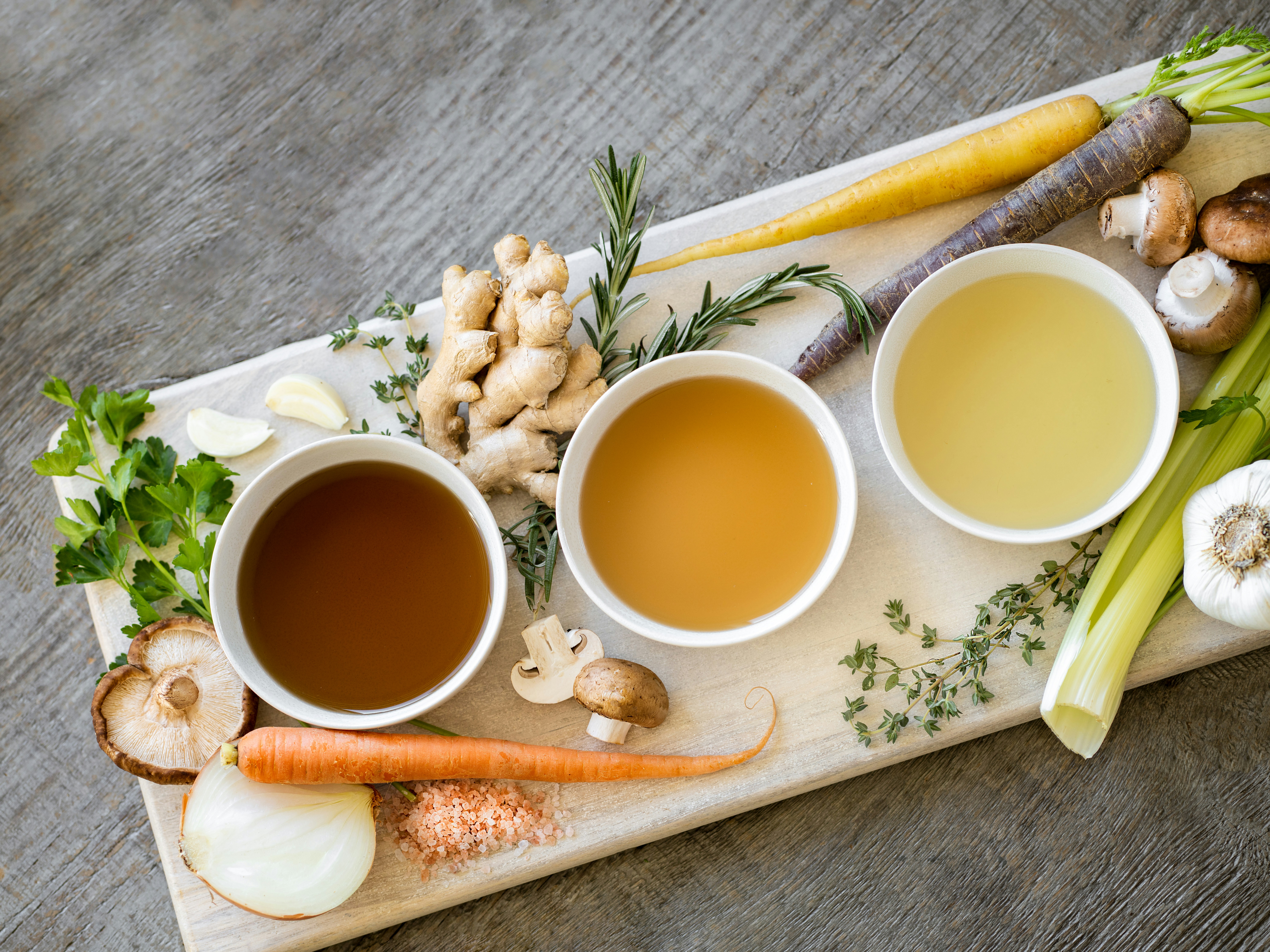
2. **Mirepoix**: This aromatic vegetable mixture consists of diced carrots, celery, and onions, approximately in a 2:1:1 ratio. Mirepoix is crucial as it forms the flavor backbone of the sauce, providing a natural sweetness and enhancing the overall taste profile.
3. **Brown Stock**: Ideally, the brown stock should be homemade, crafted from roasted bones, vegetables, and herbs. A well-prepared stock lends a robust richness to the sauce, contributing both flavor and body. The quality of the stock can significantly elevate the Espagnole sauce compared to using store-bought alternatives.
4. **Tomato Puree**: This ingredient introduces acidity and a hint of sweetness to the sauce. It balances the richness of the other components and should be of premium quality to avoid any canned taste that could detract from the sauce’s overall quality.
5. **Herbs**: Fresh or dried herbs such as thyme, bay leaves, and parsley are essential for adding complexity and aromatic notes. Using high-quality herbs, preferably fresh, enhances the flavor of the sauce considerably.
In summary, the selection of quality ingredients for making Espagnole sauce cannot be overstated. Each component plays a vital role in developing the desired flavor profile, making it crucial to choose the best available options for optimal results.
Tools and Equipment Needed
Preparing Espagnole sauce requires specific tools and equipment to ensure proper technique and optimal results. One of the essential items is a heavy-bottomed saucepan. This type of cookware is imperative because it allows for even heat distribution, which is critical when building the foundation of the sauce through the browning of the roux and the sautéing of vegetables. A pan that distributes heat evenly prevents the ingredients from scorching, contributing to a rich, deep flavor.
Alongside a heavy-bottomed saucepan, a whisk is another vital tool. A whisk is instrumental when incorporating the roux into the broth and for stirring to prevent clumping. This tool provides control over the consistency of the sauce, ensuring a smooth texture, which is a hallmark of well-made Espagnole sauce. A ladle is also recommended, as it aids in portioning the sauce precisely during both preparation and serving, allowing for a clean transfer of sauce to other dishes.
Additionally, a strainer is crucial for achieving the desired smoothness. After cooking, straining the sauce removes any solids, such as vegetables or impurities, providing a velvety consistency that elevates the finished product. Measuring cups are necessary for precise ingredient proportions, particularly when balancing flavors and nutrients within the recipe. Correct measurements ensure that the final sauce adheres to the traditional guidelines of Espagnole sauce, thus retaining the authenticity of this classic French culinary staple.
Having the right equipment not only facilitates the preparation process but also enhances the quality of the final product. With the right tools at hand, cooks can experience greater confidence in their methods, ultimately leading to a successful outcome when crafting Espagnole sauce.
Preparing the Brown Roux
To create the foundation of an Espagnole sauce, mastering the preparation of a brown roux is essential. A brown roux is made by cooking equal parts of flour and fat—typically butter, though oil or other fats can also be used—over moderate heat. The process begins by melting the fat in a heavy-bottomed saucepan. Once the fat is fully melted, an equal weight of all-purpose flour is added to the pan.
The next step involves stirring the mixture continuously. This ongoing agitation is vital to prevent the roux from burning and ensures even cooking. As the flour is incorporated into the melted fat, it begins to form a paste. The cooking process will cause the mixture to transition from a beige to a deeper brown color. This coloration is crucial, as it directly influences both the flavor and depth of the Espagnole sauce.
The ideal brown roux should have a rich, nutty aroma, which signifies that the flour has been sufficiently cooked. It is essential to achieve a deep brown color; however, this requires careful attention, as the roux can quickly progress from perfectly cooked to burnt. If the roux darkens too much, it may impart bitter flavors to the final sauce, undermining the intended rich and complex taste of the Espagnole sauce. Generally, the cooking process may take around 10 to 15 minutes, but this can vary depending on the heat level and specific ingredients used.
Once the desired color and aroma are achieved, the roux is ready to form the basis of the Espagnole sauce. Incorporating the roux into the sauce will provide a thick and velvety texture, along with the essential flavor profile that distinguishes classic French cuisine. Mastery over this step is vital for those seeking to prepare authentic Espagnole sauce.
Building the Flavor with Mirepoix
Mirepoix serves as the cornerstone for creating a rich and complex flavor profile in Espagnole sauce, a classic French brown sauce. Traditionally, mirepoix consists of a mixture of onions, carrots, and celery, typically in a ratio of 2:1:1. This blend not only enhances the overall taste of the sauce but also contributes to its aromatic qualities. Preparation starts with selecting fresh, high-quality vegetables to ensure maximum flavor.
To begin, peel and finely dice the onions; their sweetness is key to balancing the sauce. Next, trim and chop the carrots into small, uniform pieces to promote even cooking. Finally, wash and chop the celery. The goal is to achieve a fine dice that allows each component to cook uniformly while releasing their flavors efficiently.
Once the mirepoix is prepared, it’s crucial to sauté these vegetables properly. Start by heating a heavy-bottomed saucepan over medium heat and add a suitable amount of oil or clarified butter. It’s essential to let the fat warm up before introducing the mirepoix, as this allows the vegetables to soften without burning. Add the onions first, giving them a couple of minutes to become translucent before adding the carrots and celery. Stir frequently to promote even cooking and avoid browning, which can impart a bitter flavor to the sauce.
As the mirepoix cooks, aim for a gentle sweat over medium heat rather than high heat, which can cause the vegetables to caramelize prematurely. The goal is to soften the vegetables and release their natural juices. This process typically takes around 10-15 minutes. Once the mirepoix is tender and aromatic, it is ready to be incorporated into the sauce, having set a flavorful foundation for the rich layers that will follow in the preparation of the Espagnole sauce.
Incorporating Brown Stock and Tomato Puree
To achieve a high-quality Espagnole sauce, the incorporation of brown stock and tomato puree is a crucial step that significantly influences the overall flavor and texture. Begin this process by ensuring that both the brown stock and tomato puree are readily available and at a warm temperature. Cold liquids can negatively affect the emulsion of the sauce. Gradually adding the brown stock is essential in creating a smooth and well-blended mixture. Start by adding a small amount of stock to the roux, whisking continuously to prevent lumps from forming.
Once the initial volume is smoothly blended, incrementally increase the amount of brown stock. It is advisable to integrate the stock in stages, allowing each addition to fully incorporate before adding the next. This gradual integration not only aids in achieving a cohesive sauce but also allows for careful observation of its thickening process. The goal is to create a velvety consistency that will serve as a rich base for the final sauce.
After the brown stock is completely incorporated and the desired consistency is reached, it is time to add the tomato puree. Much like the stock, the tomato puree should be added gradually to maintain the balance of flavors. Start by mixing in a few tablespoons and taste as you go. The acidity and sweetness from the tomato puree plays a vital role in enhancing the sauce’s depth without overwhelming it. Adjust the quantity based on your recipe’s requirements and personal taste preferences.
As you combine these liquids, always strive for a balanced flavor profile. The robust characteristics of the brown stock should harmonize with the tanginess of the tomato puree, resulting in a complex and delicious base for your Espagnole sauce. Pay attention to the seasoning as well, which may need to be adjusted once both components have been fully integrated. Ensuring a well-rounded, flavorful, and smooth sauce lays the foundation for countless culinary creations.
The Long Reduction Process
The reduction process is a fundamental technique in crafting Espagnole sauce, allowing the flavors to concentrate and the sauce to achieve its characteristic thickness. This procedure requires both time and patience, as it is not merely about cooking the ingredients but about coaxing the flavors to their fullest expression. When preparing Espagnole sauce, the initial stage involves combining the essential ingredients, including a mirepoix of onions, carrots, and celery, alongside tomatoes and a rich brown stock, typically made from roasted meat bones.
Once these components have been assembled, the mixture must be brought to a simmer. It is crucial to maintain a gentle heat throughout this process; too high a temperature can lead to undesired caramelization or burning, while a too-low simmer may prolong the reduction unnecessarily. The goal is to reduce the volume of the liquid—essentially evaporating the water content—while allowing the flavors to meld and deepen. This is where patience becomes paramount.
As the sauce simmers, it is essential to monitor its consistency and flavor. You may observe the sauce gradually thickening; a telltale indicator of readiness is the ability to coat the back of a spoon. Additionally, the aromatic profile should transition to showcase more profound and robust flavors. The process can take anywhere from an hour to several hours, depending on the volume of liquid initially used. Ultimately, the reduction process not only enhances the sauce’s flavor and texture but also contributes significantly to the complexity that defines Espagnole sauce. It is a meticulous step that transforms simple ingredients into a rich and delicious foundation for various culinary applications, making it an invaluable element in classical French cooking.
Final Touches and Straining the Sauce
Once the Espagnole sauce has simmered for an adequate period, it is time to focus on the final touches that will elevate its overall quality. The initial step in this process is straining the sauce to obtain a smooth, velvety finish. Use a fine-mesh sieve or a chinois to carefully strain the sauce into a clean saucepan. This procedure removes any solids, such as the mirepoix, which consists of onions, carrots, and celery, along with any herbs or spices incorporated during cooking. The result should be a glossy brown sauce, free from any textural interruptions.
After straining, it is crucial to assess the sauce’s consistency and taste. If the sauce appears too thin, it can be returned to the heat for further reduction, allowing the flavors to concentrate. Conversely, if it is too thick, a small amount of stock or water can be added to achieve the desired consistency. It is also essential to taste the sauce throughout this process to ensure the flavor meets expectations. Seasoning is a vital aspect; judicious additions of salt or pepper may be necessary to enhance the overall taste.
Tasting as you go helps in creating a balanced sauce. Each ingredient contributes to the complexity of flavor, and it is important to adjust accordingly. Should additional depth be required, consider incorporating a dash of red wine or a hint of vinegar to brighten the profile. Such adjustments not only refine the taste but also ensure that the sauce complements the accompanying dish perfectly. Overall, the final stages in preparing Espagnole sauce are pivotal in achieving the renowned quality and sophistication associated with this classic French brown sauce.
Printable Recipe Card for Espagnole Sauce
Creating the classic French Espagnole sauce is a rewarding culinary endeavor. Below is a concise yet comprehensive recipe card to guide you through the process of making this rich brown sauce. This card includes all the necessary ingredients, detailed steps, and pro tips to ensure your success in the kitchen.
Ingredients
- 4 tablespoons unsalted butter
- 1/4 cup all-purpose flour
- 1 medium onion, finely chopped
- 1 medium carrot, finely chopped
- 1 celery stalk, finely chopped
- 1 cup beef or veal stock
- 1/2 cup red wine (optional)
- 2 tablespoons tomato paste
- 1 bay leaf
- 2 sprigs of fresh thyme
- Salt and pepper to taste
Instructions
- In a medium saucepan, melt the butter over medium heat.
- Add the chopped onion, carrot, and celery to the pan. Sauté until the vegetables are soft and caramelized, about 10-15 minutes.
- Sprinkle in the flour, stirring constantly for 2-3 minutes to create a roux. The mixture should turn a light brown color.
- Gradually whisk in the beef or veal stock, ensuring no lumps form. If using red wine, add it now for enhanced depth of flavor.
- Stir in the tomato paste, bay leaf, and thyme. Season with salt and pepper.
- Bring the mixture to a simmer, then reduce the heat to low. Allow it to cook uncovered for 45 minutes, stirring occasionally.
- After 45 minutes, remove from heat. Strain the sauce through a fine-mesh sieve for a smooth consistency, discarding the solids.
- Your Espagnole sauce is now ready to be used or stored for later! It can be refrigerated for up to a week or frozen for future use.
Tips for Success
For best results, use high-quality stock and fresh herbs. Adjust the thickness of the sauce by adding more stock if needed. This versatile sauce serves as a base for numerous classic dishes, including sauces like Bordelaise and demi-glace. Enjoy your culinary adventure with Espagnole sauce!
FAQs about Espagnole Sauce
Espagnole sauce, a foundational element in classical French cuisine, often raises several questions due to its complexity and rich flavor profile. One common query is whether the effort to create this sauce is worth it. The answer largely depends on one’s culinary goals. While Espagnole requires time and meticulous attention to detail, the depth of flavor it brings to dishes is unparalleled. This sauce forms the basis for a variety of derivative sauces, making it a worthwhile endeavor for those looking to enhance their culinary repertoire.
Another frequently asked question revolves around the difference between Espagnole and demi-glace. Espagnole sauce is a brown sauce made from a roux, mirepoix, and brown stock, typically enriched with tomatoes. On the other hand, demi-glace is a sauce that combines equal parts Espagnole and brown stock that is then reduced to concentrate the flavors. This results in a thicker, richer sauce, revered for its luxurious taste. Both sauces play pivotal roles in French cuisine, but understanding their differences can help chefs choose the right one for their dishes.
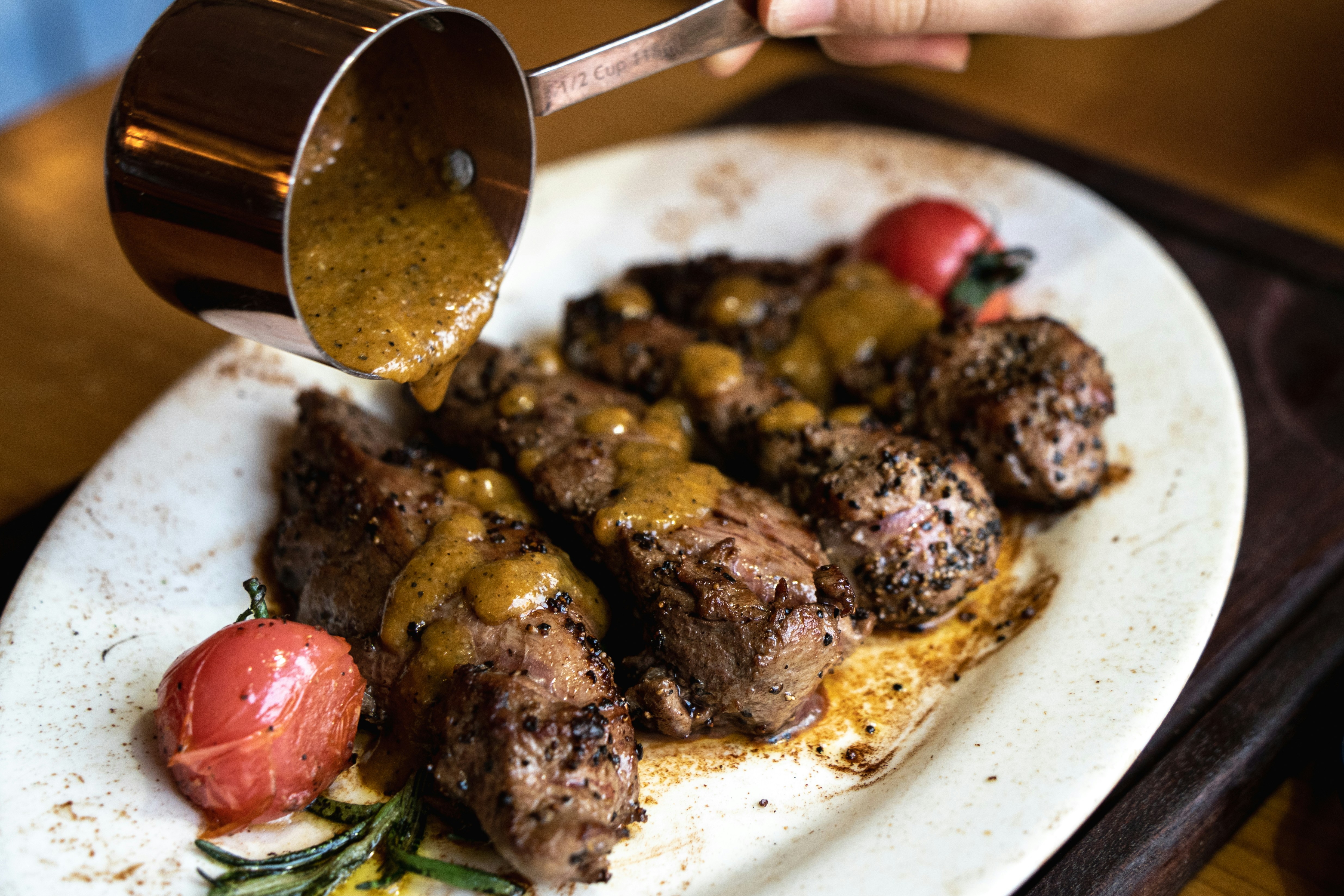
Finally, the versatility of Espagnole sauce often prompts inquiries regarding its culinary applications. This sauce serves as a base for numerous sauces and complements a variety of dishes, especially in meat preparations. It enhances gravies, stews, and braises, lending a robust flavor that elevates both everyday meals and special occasions. Additionally, when combined with game meats, roasted vegetables, or even in a savory pie, Espagnole sauce showcases its adaptability. Ultimately, mastering this classic brown sauce can greatly enhance the quality and taste of many culinary creations.
![7 Best Heavy Cream Substitutes Alfredo Sauce That Go Viral [Insider Tips]](https://lezata.com/wp-content/uploads/2026/01/image-1-768x419.png "7 Best Heavy Cream Substitutes Alfredo Sauce That Go Viral [Insider Tips] 7")