
How to Make Perfect Homemade Mayonnaise in 2 Minutes: A Chef’s Guide
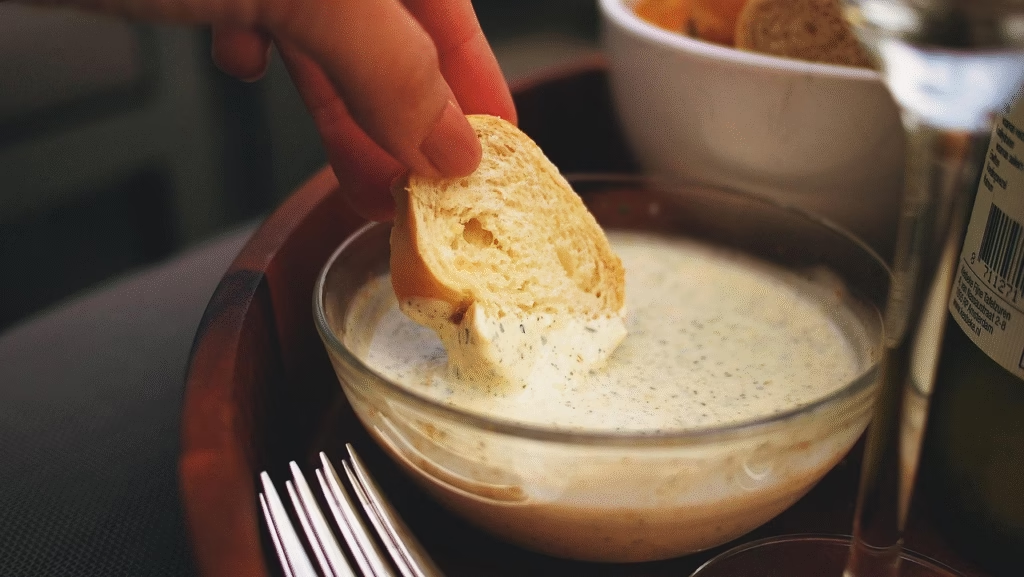
Introduction to Homemade Mayonnaise
Homemade mayonnaise is a culinary staple that has garnered immense popularity due to its freshness and exceptional taste. Unlike store-bought alternatives, which often contain preservatives and artificial flavors, homemade mayonnaise allows for a personalized flavor profile and ingredient selection. This versatility invites culinary creativity, enabling one to experiment with various seasonings, oils, and even add-ins to tailor the mayonnaise to specific dishes or preferences.
The process of making mayonnaise hinges significantly on the science of emulsification, a method where two immiscible liquids, such as oil and water, are combined into a stable mixture. Understanding emulsification is crucial for achieving that rich, creamy texture that characterizes high-quality mayonnaise. By ensuring that these ingredients are combined in a manner that allows for proper emulsification, one can create a consistent and smooth product. The key lies in the gradual incorporation of oil into the egg yolk and vinegar or lemon juice mixture, allowing the emulsifier in the egg yolk to stabilize the oil droplets.
Moreover, the freshness of homemade mayonnaise is incomparable. The use of fresh eggs and high-quality oils contributes to a flavor that elevates sandwiches, salads, and countless other dishes. The richer, more complex flavor of fresh mayonnaise can significantly enhance culinary experiences, making it a worthy addition to any kitchen repertoire. For cooking enthusiasts, mastering the art of homemade mayonnaise not only enhances one’s cooking but also deepens appreciation for food preparation processes. With just a few simple ingredients and a basic understanding of the emulsification process, one can enjoy a flavorful and customizable mayonnaise that surpassed anything found on supermarket shelves.
Understanding Emulsification
Emulsification is a crucial culinary process that allows the combination of two immiscible liquids, such as oil and water (or vinegar), into a stable emulsion. In the context of making mayonnaise, understanding this process is fundamental for achieving the desired creamy texture and consistency. The primary agent responsible for this emulsification in mayonnaise is the egg yolk, which contains both lecithin and protein. Lecithin acts as an emulsifier, enabling the oil and water to mix seamlessly.
The process of emulsification begins when the egg yolk is whisked vigorously, introducing air and initiating the formation of a temporary emulsion. As oil is slowly added, the proteins in the egg yolk begin to unfold and encapsulate the tiny droplets of oil. This action prevents the oil droplets from coalescing, ensuring a stable mixture. If the oil is added too quickly, however, the emulsion can break, leading to a separate liquid layer instead of a unified mayonnaise.
Acidity also plays a pivotal role in the emulsification process. It is commonly introduced through the addition of vinegar or lemon juice, which not only imparts flavor but also helps stabilize the emulsion. The increase in acidity adjusts the pH level, promoting the functional ability of the proteins and assisting in the binding of the oil to the water. A delicate balance is necessary, as too much acid can inhibit the emulsification process, leading to a failed mixture.
Proper technique is essential when making mayonnaise at home. It involves a gradual incorporation of oil while continuously whisking to maintain the emulsion and achieve the right thickness. Understanding the science behind emulsification enhances the ability to create homemade mayonnaise with perfect consistency, transforming a simple recipe into a culinary triumph.
Ingredients Needed for Homemade Mayonnaise
To create the perfect homemade mayonnaise, it is essential to gather the right ingredients. The primary components include egg yolks, oil, vinegar or lemon juice, mustard, and salt. Each of these ingredients plays a crucial role in achieving the desired texture and flavor.
Starting with the egg yolks, they are vital for emulsifying the mayonnaise. Using fresh, high-quality egg yolks will ensure a rich and creamy base. Typically, one large egg yolk is sufficient for a small batch, but if you desire a larger quantity, feel free to adjust the number accordingly.
Next, choose a neutral oil, such as canola, vegetable, or grapeseed oil. These oils not only provide the necessary fat content for creaminess but also allow the other flavors to shine. It is advisable to use about one cup of oil to one egg yolk for optimal results.
Acid is another key ingredient; options include vinegar or fresh lemon juice. These not only add a tangy flavor but also help stabilize the emulsion. Typically, one to two tablespoons of acid should suffice, allowing you to adjust based on your taste preference.
Mustard contributes both flavor and helps with emulsification. Dijon mustard is a popular choice, though you can experiment with other varieties according to your palate. About one teaspoon is usually ideal.
Finally, adding salt enhances the overall taste and balances the flavors in your mayonnaise. Start with a pinch of salt, then adjust as needed, considering any additional ingredients you might incorporate later. Optional ingredients for flavor enhancement include garlic, herbs, or even spices, allowing for personalized variations of the basic recipe.
Method 1: Classic Bowl-and-Whisk Technique
Creating homemade mayonnaise using the classic bowl-and-whisk technique is a straightforward process that yields rich, flavorful results. To begin, gather your ingredients: one large egg at room temperature, one tablespoon of Dijon mustard, one cup of neutral oil (such as canola or grapeseed oil), and a pinch of salt. It is essential that your egg is at room temperature; this makes emulsification much easier.
Start by placing the egg into a mixing bowl, followed by the Dijon mustard and salt. Using a whisk, beat the mixture until it is fully combined. The mustard not only enhances the flavor but also acts as an emulsifier, helping the oil to blend seamlessly with the egg. As you whisk, very slowly begin to drizzle in the oil. This initial addition should be minor—literally a few drops at a time—to allow the emulsification process to start without splitting the mixture. Patience is key in this step.
Once you notice the mixture starting to thicken, you can gradually increase the amount of oil you pour in. Continue whisking vigorously while incorporating the oil in a steady, thin stream. This is crucial to ensure a proper emulsification; if added too quickly, the mixture may separate instead of combining into a creamy consistency. If the mayonnaise becomes too thick, you can add a teaspoon or two of water to loosen it up, and keep whisking until the desired consistency is achieved.
If your mayonnaise does happen to split, there is no need to be discouraged. You can rescue the mixture by whisking a new egg in a clean bowl and then slowly incorporating the split mixture back into this new base. With these simple steps and a bit of practice, your classic homemade mayonnaise will become a cornerstone in your kitchen, perfect for sandwiches, salads, and more.
Method 2: Fail-Proof 2-Minute Immersion Blender Method
In this method, the immersion blender serves as a game-changing tool for achieving perfectly emulsified mayonnaise in just two minutes. The simplicity of this technique makes it a favorite among both novice and seasoned home cooks. To begin, gather the necessary ingredients: one large egg at room temperature, a cup of neutral-flavored oil (such as sunflower or canola), a teaspoon of Dijon mustard, a tablespoon of white vinegar or lemon juice, and a pinch of salt. It is important that the egg is at room temperature, as this will facilitate better emulsification.
For the immersion blender technique, prepare a tall, narrow jar (like a mason jar) that can accommodate the blender. Start by adding the egg to the bottom of the jar, followed by the mustard, vinegar or lemon juice, and salt. Finally, pour the oil on top of the other ingredients. It is crucial to layer the ingredients in the correct order, as this influences the emulsion process. The egg and other ingredients must be placed at the bottom to enable efficient blending.
Next, insert the immersion blender into the jar all the way to the bottom, ensuring it touches the egg. Turn on the blender and move it up and down slowly while blending. You should see the mixture starting to emulsify within seconds. Once the mayonnaise has thickened and reached a creamy consistency, it can be adjusted to taste with additional salt or acidity as preferred. Should you desire a thinner mayonnaise, simply add a small amount of water and blend again. This method not only minimizes effort but also significantly reduces the time needed, making it an ideal solution for quick meal preparations.
Printable Recipe Card
Creating homemade mayonnaise has never been easier. Below is a concise, printable recipe card that summarizes both methods—using a whisk or an immersion blender—making it a breeze to follow. With this recipe card, you can replicate the delightful taste of fresh mayonnaise in just two minutes.
Ingredients:
- 1 large egg (room temperature)
- 1 tablespoon Dijon mustard
- 1 tablespoon white wine vinegar or lemon juice
- 1 cup light oil (such as canola or avocado oil)
- Salt to taste
- Optional: pinch of cayenne pepper for a subtle kick
Preparation Time: 2 minutes
Method 1: Whisking by Hand
- Start by placing the egg, mustard, and vinegar in a mixing bowl.
- Whisk together until well combined.
- Gradually add the oil while whisking continuously, ensuring the mixture emulsifies.
- Continue until all the oil is incorporated, achieving a thick and creamy texture.
- Season with salt and optional cayenne pepper to taste.
Method 2: Immersion Blender
- In a tall, narrow container, combine the egg, mustard, and vinegar.
- Pour in the oil on top, without mixing.
- Insert the immersion blender and push it to the bottom of the container. Blend for about 30 seconds.
- Slowly pull the blender upwards as the mixture emulsifies.
- Once fully thickened, season with salt and optional cayenne pepper to taste.
Serving Suggestions: Use your homemade mayonnaise immediately as a condiment for sandwiches, salads, or as a base for dressings and dips. Store leftovers in an airtight container in the refrigerator for up to one week.
Common Mistakes and How to Avoid Them
Making mayonnaise at home can feel daunting, especially for those who are not familiar with the process. However, several common mistakes can hinder your efforts to produce a smooth and creamy homemade mayonnaise. By identifying these pitfalls and understanding how to avoid them, you can achieve the desired results more easily.
One prevalent issue occurs due to the choice of oil. Many individuals default to using extra virgin olive oil, which, while flavorful, can impart a bitter taste to the mayonnaise. Instead, opt for neutral oils such as canola, safflower, or light olive oil. These options provide the necessary fat content without overwhelming the flavor profile, allowing the other ingredients to shine. If the desired taste includes the richness of olive oil, consider blending it with a neutral oil to maintain balance.
Another common mistake is not allowing the eggs to reach room temperature before blending. Cold eggs can create a difficult emulsification process, resulting in a broken or separated mixture. To avoid this, allow the eggs to sit out for about 30 minutes prior to use. This simple adjustment can make a significant difference in achieving a well-emulsified and creamy texture.
Improper blending techniques are also a frequent source of trouble. Many beginners use too high a speed when blending, which can lead to a broken emulsion. Instead, start blending at a low speed and gradually increase once the ingredients begin to combine. Additionally, ensure that you are incorporating the oil slowly in a thin stream, allowing the mayonnaise to emulsify properly rather than becoming greasy.
Lastly, seasoning may be overlooked or added too late in the process. It is advisable to season your mayonnaise while blending to ensure the salt and acid are well-integrated. A touch of lemon juice or vinegar not only enhances flavor but also aids in emulsification. By being mindful of these common mistakes, you can confidently make perfect homemade mayonnaise every time.
FAQs: Your Mayonnaise Questions Answered
Homemade mayonnaise is a delightful addition to various dishes, but it can sometimes create confusion. One common issue is when mayonnaise turns out oily or split. This often occurs due to over-processing or incorporating the oil too quickly. To prevent this problem, it is advisable to add the oil in a slow, steady stream while blending on low speed initially. Allowing the emulsion to form gradually helps to create a stable mayonnaise, achieving the creamy consistency that is desired.
Another frequently asked question pertains to the benefits of using an immersion blender. An immersion blender offers a significant advantage when making mayonnaise, as it can create a smooth, thick emulsion quickly. The immersion blender combines the ingredients thoroughly without the need for transferring them to a different bowl, simplifying the entire process. With a powerful hand blender, the mayonnaise can be prepared in just two minutes, making it an efficient choice for busy kitchens.
Regarding storage, many people wonder how long homemade mayonnaise can last in the refrigerator. Generally, homemade mayonnaise can be stored for about one week when properly kept in an airtight container. However, since it lacks the preservatives found in store-bought varieties, it is crucial to monitor its freshness. If there are any signs of separation, off-smells, or changes in color, it is best to discard the mayonnaise to ensure food safety.
Adhering to these tips can enhance your experience of creating homemade mayonnaise, ensuring it remains a luscious and delightful condiment for your culinary endeavors. If you encounter any other issues while preparing this classic sauce, feel free to consult reputable culinary resources for additional advice, as understanding the nuances can lead to perfect results every time.
Conclusion and Final Thoughts
In conclusion, making homemade mayonnaise in just two minutes is not only a straightforward process, but it also offers a rewarding culinary experience. This guide has walked you through the essential steps needed to achieve a creamy, flavorful mayonnaise that can elevate your dishes. By using fresh ingredients and simple techniques, anyone can confidently create this classic condiment in the comfort of their own kitchen.
One of the most appealing aspects of homemade mayonnaise is the flexibility it offers. As you gain experience, do not hesitate to experiment with various flavors and ingredients. Whether adding garlic for a delicious aioli, incorporating herbs for a refreshing twist, or using infused oils for depth, the possibilities are limited only by your creativity. Homemade mayonnaise can cater to your personal tastes, making it a delightful addition to salads, sandwiches, and other culinary creations.
Furthermore, the satisfaction of crafting a product from scratch is immensely gratifying. Knowing exactly what ingredients are going into your mayonnaise and controlling its texture and taste fosters a deeper connection to the food you prepare. This act of creation not only enhances the quality of your meals but also creates a sense of accomplishment that is hard to replicate with store-bought options. The next time you find yourself craving mayonnaise, consider taking a few moments to whip up a fresh batch at home. You’ll likely find that the taste and richness surpasses any pre-packaged alternative, solidifying homemade mayonnaise as a staple in your kitchen repertoire.


![7 Best Heavy Cream Substitutes Alfredo Sauce That Go Viral [Insider Tips]](https://lezata.com/wp-content/uploads/2026/01/image-1-768x419.png "7 Best Heavy Cream Substitutes Alfredo Sauce That Go Viral [Insider Tips] 8")