7 Authentic Steps to Crafting Unforgettable Salsa Macha Flavor
Last Updated on 2025-12-26 by Suryo

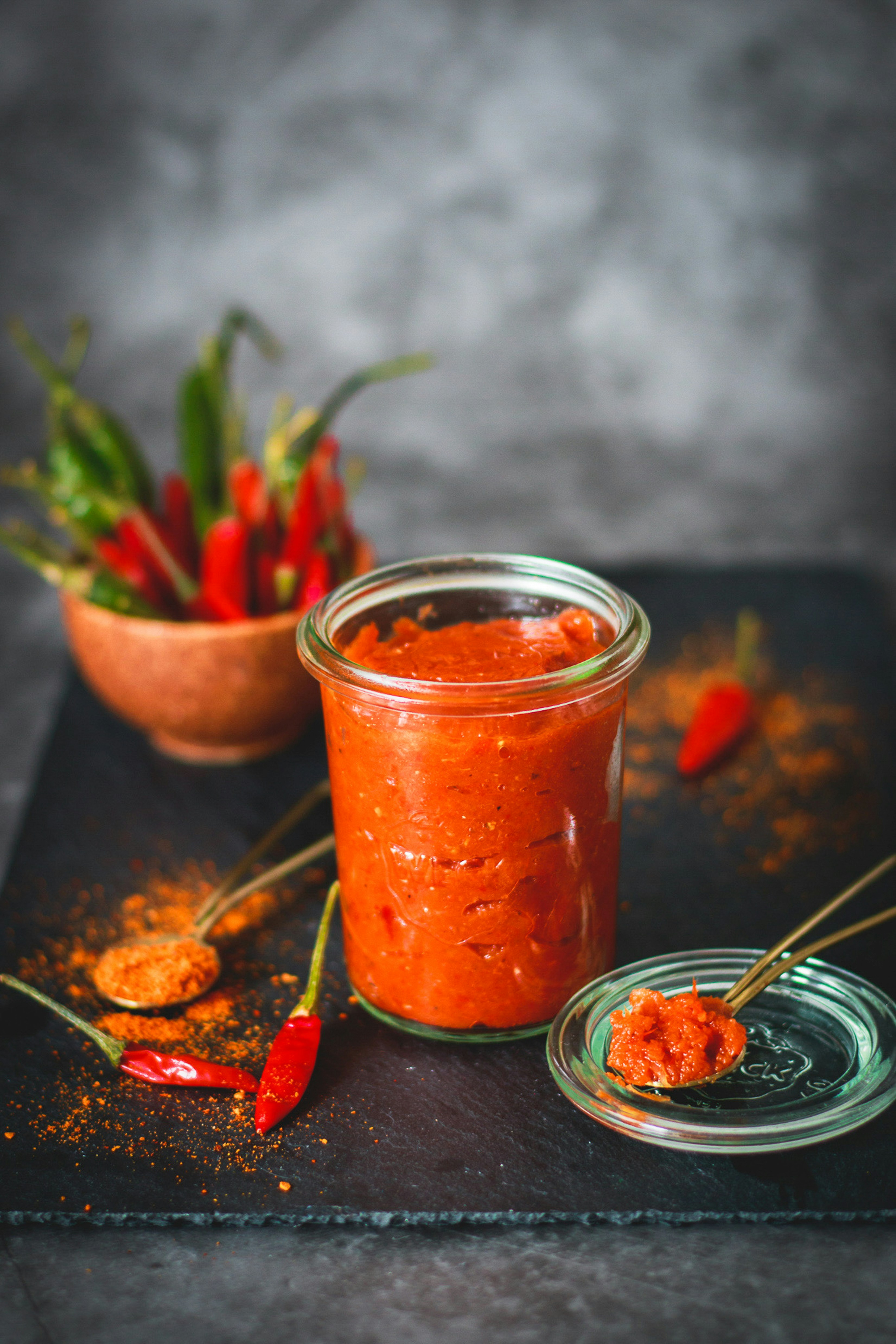
Learning how to make salsa macha transforms dried chilies, nuts, and oil into a deeply flavored, smoky, and textural condiment. This traditional Mexican chili oil offers a perfect balance of heat and umami, elevating countless dishes with its irresistible crunch and rich aroma when prepared correctly.
As a chef, few things bring me more joy than sharing the secrets behind truly exceptional flavors, especially when it comes to something as versatile and beloved as salsa macha. Perhaps you’ve tried making a batch at home, only to find it lacking that authentic depth, or maybe it ended up a little bitter, or just plain… flat. It’s a common dilemma, feeling that gap between the vibrant salsa macha you crave from a great restaurant and what emerges from your own kitchen. Many home cooks struggle with achieving the perfect balance of smoky heat, nutty richness, and satisfying crunch that defines a truly remarkable salsa macha. This isn’t just another chili oil; it’s a culinary experience waiting to unfold. Through this guide, I promise to equip you with the knowledge and techniques needed to consistently create a salsa macha that will impress every palate and become a staple in your pantry. We’ll dive deep into the craft, ensuring your next batch is nothing short of spectacular, turning a simple condiment into a statement piece. For more on the rich history of Mexican cuisine and its vibrant flavors, you can explore resources like the New York Times food section, which often features cultural culinary stories.
The Problem with Bland Salsa Macha and How to Solve It
When you set out to create something as promising as salsa macha, discovering that your efforts result in a bland or one-dimensional flavor profile can be incredibly disheartening. This common pitfall often stems from a misunderstanding of its fundamental components and the precise techniques required to unlock their full potential. I’ve seen countless attempts where enthusiasm outstrips technique, leading to an underwhelming condiment rather than the rich, complex experience it should be. The solution lies in a meticulous approach to ingredient selection and a deep appreciation for the transformation that occurs with proper heat and preparation.
Understanding the Difference Between Simple Chili Oil and Authentic Salsa Macha
Simply put, authentic salsa macha is far more complex and nuanced than a basic chili oil, often mistakenly thought of as the same. While both use oil and chilies, a simple chili oil might feature one or two types of chilies infused into oil, perhaps with a touch of garlic. Based on my experience in professional kitchens, the biggest mistake people make is treating salsa macha like an afterthought, merely combining ingredients without respect for their individual characteristics. True salsa macha, however, involves a careful selection of dried chilies, often several varieties, each contributing unique smoky, fruity, or earthy notes. It also prominently features toasted nuts and seeds for texture and additional depth, along with aromatics like garlic and sometimes even a hint of sweetness or acidity. It’s a symphony of textures and flavors, not just a spicy kick.
Why Homemade Versions Often Lack Depth and Texture
Many homemade salsa macha recipes fall short on depth and texture because they skip crucial steps that allow flavors to fully develop and ingredients to achieve their ideal consistency. Have you ever wondered why your salsa macha feels greasy instead of rich, or why it lacks that satisfying crunch? It’s often due to improper toasting of chilies, nuts, and seeds, or an incorrect blending technique. These elements are not just additions; they are foundational to the salsa’s character. In the field, it often happens that cooks rush the frying process, burning some ingredients while undercooking others, leading to a bitter taste or a raw, undeveloped flavor. The perfect texture involves a delightful interplay between the soft, infused chili pieces, the crunchy nuts, and the velvety oil—a balance that demands patience and precision.
The 7 Authentic Steps to Crafting Unforgettable Salsa Macha
Mastering how to make salsa macha isn’t about following a recipe blindly; it’s about understanding the “why” behind each step, allowing you to create a condiment that truly sings. Each stage, from selecting your chilies to the final storage, plays a critical role in developing its signature smoky, nutty, and savory character. Embrace this journey, and you’ll find your confidence in the kitchen soaring as you unlock a world of flavor.
Step 1: Selecting the Perfect Chili Blend for Smoky Flavor and Heat
The foundation of any great salsa macha begins with the chilies. Don’t just grab any dried chilies; think about the flavor profile you want to build. Based on my experience, a balanced blend typically includes a smoky, fruity chili like ancho or guajillo, combined with a spicier one like chile de árbol for that necessary kick. The root problem here is using too few varieties or chilies that are stale. The best way to create a complex and inviting flavor is to combine varieties. For instance, I love using dried Pasilla chilies for their rich, chocolatey notes, paired with guajillo for fruitiness, and a handful of árbol chilies to deliver a consistent warmth. Always inspect your chilies; they should be pliable, not brittle, and have a rich, earthy aroma.
Step 2: Preparing the Aromatics and Nuts for Optimal Infusion
Once your chilies are sorted, focus on the supporting cast: garlic, nuts, and seeds. These ingredients are paramount for adding layers of flavor and texture that elevate the salsa macha beyond mere heat. I know how it feels to have garlic burn or nuts turn rancid, leading to off-flavors that ruin an entire batch. To avoid this, garlic should be peeled and lightly smashed, not finely minced, to prevent burning during frying. For nuts like peanuts, almonds, or even sesame seeds, ensure they are raw and unsalted. The action here is simple yet critical: prepare these ingredients by having them ready to go, perhaps by lightly chopping larger nuts, as they will be introduced to hot oil and need quick handling to prevent burning and ensure even cooking.
Step 3: The Art of Toasting and Frying Ingredients for Maximum Flavor Release
This step is where the magic truly begins; it’s the heart of how to make salsa macha truly special, transforming raw ingredients into fragrant, flavorful powerhouses. Without proper toasting and frying, your salsa will taste flat, missing the deep, roasted notes that make it so addictive. The biggest mistake I see home cooks make is using oil that’s either too cold (leading to soggy ingredients) or too hot (causing burning). The best way to extract maximum flavor is to gently toast dried chilies in a dry pan until fragrant and slightly pliable, then briefly fry them in hot oil along with garlic, nuts, and seeds. I once encountered a case where a student rushed this step, burning the garlic to a crisp. The solution is to work in batches if necessary, maintaining a medium heat, ensuring each ingredient is perfectly golden and aromatic before removing it from the oil to cool.
Step 4: Mastering the Blending Process for Ideal Texture and Consistency
Achieving the perfect texture is crucial for an unforgettable salsa macha; it should be chunky and textural, never a smooth paste. Many recipes simply say “blend,” but the nuances matter immensely. Have you ever ended up with a runny salsa or, conversely, a pasty one? This usually happens from over-blending or not adding enough of the flavorful frying oil. The ideal consistency allows for a delightful bite from the nuts and chili pieces, suspended in a rich, chili-infused oil. The action requires a pulsed blending approach. First, add your fried chilies, aromatics, nuts, and a pinch of salt to a food processor or blender. Then, gradually add the reserved chili-infused oil in slow, controlled pulses, stopping when you achieve a coarse, textured sauce, ensuring the ingredients are well combined but still retain distinct pieces.
Step 5: Balancing the Salsa Macha with Acid and Sweetness
A truly great salsa macha possesses a well-rounded flavor profile, where heat, smokiness, and nuttiness are perfectly balanced by subtle hints of acidity and sweetness. Omitting these elements is a common pitfall that leaves the salsa feeling one-dimensional or harsh. Did you know that a touch of acid can brighten the flavors, while a hint of sweetness can deepen the richness and temper the heat? I always find that a dash of apple cider vinegar or a squeeze of lime juice, along with a tiny pinch of piloncillo (Mexican brown sugar) or regular brown sugar, makes all the difference. Add these components gradually at the end of the blending process, tasting as you go, to achieve a harmonious blend that makes every spoonful irresistible.
Step 6: The Importance of Infusion Time for Flavor Development
Patience, my friends, is a virtue, especially when it comes to flavor development in dishes like salsa macha. Many people expect instant gratification, but rushing from blending to serving can rob your salsa of its full potential. The root problem here is not allowing the flavors to truly meld and deepen over time. Have you noticed how some sauces taste better the next day? That’s infusion at work! The best way to ensure maximum flavor integration is to allow your freshly made salsa macha to rest. Transfer it to a clean jar and let it sit at room temperature for at least an hour, or even better, refrigerate it overnight. This resting period allows the chilies, nuts, and aromatics to fully infuse the oil, creating a richer, more complex, and deeply satisfying flavor experience.
Step 7: Final Adjustments and Storage for Long-Lasting Freshness
The final touch for your incredible salsa macha involves fine-tuning its flavor and ensuring it lasts. It’s often at this stage that small omissions can lead to a good salsa, but not a great one, or worse, one that spoils quickly. I always recommend a final taste test, adjusting salt, acidity, or a touch more sweetness as needed. The best way to guarantee longevity and maintain that fresh, vibrant flavor is proper storage. Store your cooled salsa macha in a clean, airtight jar, ensuring the chili solids are fully submerged in oil. This creates a protective barrier, preventing oxidation and extending its shelf life significantly. This simple step ensures every scoop of your salsa macha tastes as fantastic as the first.
Essential Facts and Common Mistakes to Avoid
Creating the perfect salsa macha involves understanding the nuances of ingredients and avoiding common missteps that can compromise flavor and texture. Even seasoned cooks can fall prey to these pitfalls if they aren’t mindful. I always tell my students that cooking is as much about what not to do as what to do, and salsa macha is a prime example of this philosophy.
Selecting the Best Oils for Salsa Macha
Choosing the right oil is paramount for the flavor and stability of your salsa macha, yet it’s an area where many make a crucial oversight. Using oils with a low smoke point or strong flavor can either burn easily or overpower the delicate chili notes. Unlike the theory in books, the reality is that the oil isn’t just a medium for heat; it’s a flavor carrier. The best way to ensure a beautiful, stable, and delicious salsa is to opt for neutral oils with a high smoke point.
| Oil Type | Smoke Point (°F / °C) | Flavor Profile | Best Use in Salsa Macha |
|---|---|---|---|
| Canola Oil | 400°F / 204°C | Neutral, light | Excellent base, allows chili flavors to shine. My personal go-to. |
| Grapeseed Oil | 420°F / 216°C | Very neutral, clean | Great for delicate chilies, ensures pure flavor. |
| Vegetable Oil | 400°F / 204°C | Neutral | Widely available, reliable choice for everyday use. |
| Olive Oil (Light) | 390°F / 199°C | Mildly fruity | Acceptable, but can impart a slight olive flavor. Use sparingly. |
I strongly recommend canola or grapeseed oil as your primary choice. They provide a clean canvas that allows the complex flavors of the chilies and nuts to truly shine without any interference.
Common Mistakes: Avoiding Bitterness and Off-Flavors
Bitterness is the most common and disappointing outcome for aspiring salsa macha makers, often stemming from easily preventable errors. This harsh, unpleasant taste can quickly ruin an entire batch. Did you know that burnt garlic or chilies are the prime culprits? Over-toasting chilies to the point of charring, or allowing garlic to turn dark brown instead of golden, will infuse your oil with an acrid flavor that’s impossible to fix. The best way to prevent bitterness is vigilance. Toast chilies in a dry pan over medium-low heat until fragrant, just a minute or two, ensuring they don’t burn. When frying aromatics and nuts, keep the oil at a moderate temperature and remove ingredients as soon as they are golden, never dark brown. Working quickly and in small batches can help manage the heat.
The Role of Nuts and Seeds in Achieving Authentic Crunch
The delightful textural contrast of salsa macha, a key component that separates it from mere chili oil, comes primarily from the thoughtful inclusion of nuts and seeds. Omitting them or improper preparation leads to a salsa that lacks body and that satisfying bite. Have you ever had a salsa macha that felt flat on the palate, missing that exciting pop of texture? That’s often because the nuts and seeds were an afterthought. The best way to achieve authentic crunch is to select raw, unsalted varieties like peanuts, almonds, sesame seeds, or even pepitas. Toast and fry them carefully, as detailed in Step 3, until they are golden and fragrant, ensuring they maintain their crispness without becoming brittle or burnt. Their contribution is not just textural but also adds a crucial nutty depth to the overall flavor.
Shelf Life and Proper Storage Techniques for Homemade Salsa Macha
Understanding how to store your homemade salsa macha is critical for both safety and maintaining its exquisite flavor. A common problem is assuming it will last indefinitely, leading to spoilage or diminished taste. Unlike many fresh salsas, a properly prepared and stored salsa macha, being oil-based, has a surprisingly good shelf life. I’ve learned that once cooled, it must be transferred to a clean, sterilized, airtight glass jar. The most important rule? Ensure all solid ingredients are completely submerged under the oil. This barrier prevents air exposure, significantly slowing down oxidation. Stored this way in the refrigerator, your beautiful salsa macha can last for a minimum of 1-2 months, allowing you to enjoy its rich flavors over an extended period.
Achieving Your Signature Salsa Macha Flavor Profile
Crafting salsa macha is more than just following a recipe; it’s an art that invites personal expression. While the foundational steps ensure authenticity, the true mastery lies in adapting and refining the flavors to create your signature blend. Don’t be afraid to experiment after you’ve nailed the basics. This condiment is a canvas waiting for your unique touch, whether it’s adding a special type of nut, a hint of exotic spice like star anise, or playing with different chili combinations.
Final Thoughts on Mastering this Versatile Condiment
My culinary journey has taught me that the finest dishes are often born from a blend of tradition and personal innovation. Mastering how to make salsa macha offers an incredible opportunity to hone your instincts, understanding how flavors interact and textures enhance. This versatile condiment isn’t just for tacos; imagine it drizzled over eggs, swirled into soups, or even as a marinade for grilled vegetables. Your kitchen is a laboratory, and each batch of salsa macha is a chance to refine your craft, to understand heat, fat, acid, and salt in a new light. So, roll up your sleeves, embrace the process, and soon you’ll be creating a salsa macha that’s not only unforgettable but uniquely yours, a testament to your growing skill and passion for delicious food.
FAQ
1. What are the essential ingredients for an authentic salsa macha
An authentic salsa macha typically requires a blend of dried chilies (like ancho, guajillo, and árbol), neutral oil, garlic, various nuts (peanuts, almonds), seeds (sesame, pumpkin), and often a touch of salt, sugar, and vinegar for balance.
2. Can I use fresh chilies instead of dried for salsa macha
No, for an authentic salsa macha, dried chilies are essential. They provide the deep, smoky, and earthy flavors that fresh chilies cannot replicate, and they transform wonderfully when toasted and fried in oil.
3. How do I prevent my salsa macha from becoming bitter
To prevent bitterness, ensure your chilies are not burned during the dry toasting phase and that garlic and other aromatics are fried to a golden color, never dark brown or charred. Use moderate heat and remove ingredients promptly once fragrant.
4. What is the best way to store homemade salsa macha
Store homemade salsa macha in a clean, airtight glass jar in the refrigerator. Crucially, ensure all solid ingredients are fully submerged in the oil to prevent spoilage and maintain freshness; it can last for 1-2 months.
5. What dishes can I use salsa macha with
Salsa macha is incredibly versatile! It’s fantastic drizzled over tacos, quesadillas, eggs, grilled meats or vegetables, roasted potatoes, rice, and even as a flavorful addition to soups or stews for an extra layer of complexity and heat.

![7 Best Heavy Cream Substitutes Alfredo Sauce That Go Viral [Insider Tips]](https://lezata.com/wp-content/uploads/2026/01/image-1-768x419.png "7 Best Heavy Cream Substitutes Alfredo Sauce That Go Viral [Insider Tips] 6")