9 Ways How to Rescue an Overbaked Cake Before Guests Arrive
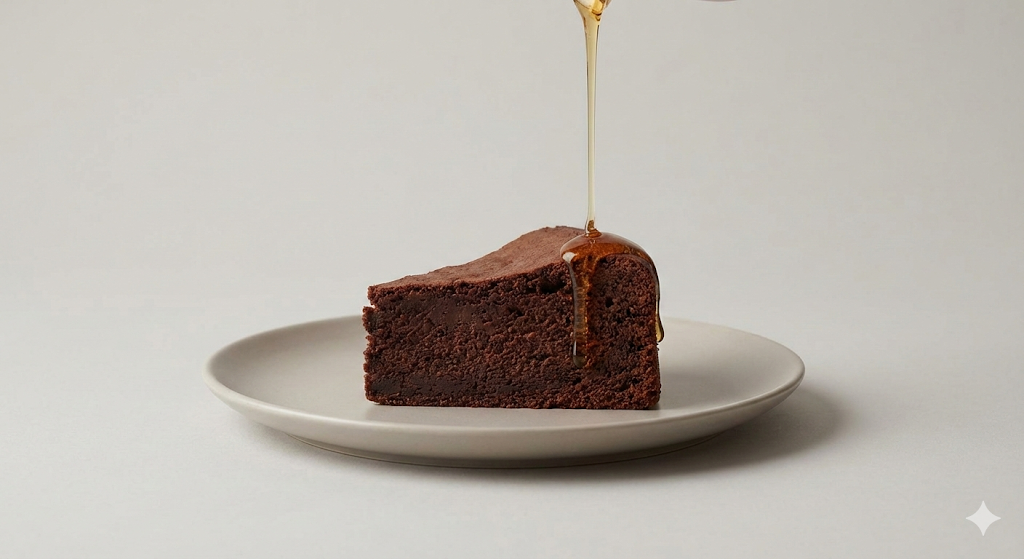
How to rescue an overbaked cake effectively depends on the severity of the dryness. For slightly dry crumbs, use the “Poke and Soak” method by injecting a warm liquid like simple syrup or milk into the cooled cake. If the edges are burnt, use a microplane grater to gently shave off the char without damaging the structure. For severely overbaked cakes that resemble a brick, repurpose them into trifles, cake pops, or bread pudding to avoid total inventory loss.
The Panic Moment When the Timer Betrays You
We have all been there. You pull the pan out of the oven, and instead of a springy, moist sponge, you are staring at something that looks more like a desert landscape or a hockey puck. The panic is real, especially if this is for a client’s order or a high-stakes family gathering. Your first instinct might be to toss it in the bin, but as someone who has run a bakery for over 15 years, I can tell you that throwing away inventory is the fastest way to kill your profits.
In my early days, I once overbaked three tiers of a wedding cake because I trusted a faulty oven thermometer. I nearly cried. But instead of starting over and losing hours of labor and costly ingredients, I learned the art of “cake triage.” The truth is, most baking mistakes are fixable if you catch them before serving. You don’t need a miracle; you just need to understand the science of re-introducing moisture and masking textures. So, take a deep breath, put down the trash bag, and let’s get to work saving your hard work.
Don’t Panic Assess the Damage Before You Toss It
Before you start pouring syrup everywhere, you need to play doctor. Not all overbaked cakes are created equal, and treating a slightly dry sponge like a burnt brick will only result in a soggy mess. In my professional kitchen, we categorize the “disaster” into three distinct levels. This triage system saves us time and money.
Level 1: The Sahara Crumb The cake looks fine on the outside, maybe a little darker than usual, but when you touch the top, it lacks that characteristic “spring back.” It feels firm. When you cut a test slice, the crumb is tight and dry. This is the most common issue and the easiest to fix.
Level 2: The Crusty Armor The inside might still be salvageable, but the outside is hard, thick, and perhaps a shade too dark. It sounds hollow when you tap it. This happens often with high-sugar batters that caramelize too quickly.
Level 3: The Charcoal Brick The smell of burnt sugar is in the air. The bottom is black, and the cake is stiff as a board. This is usually where home bakers give up, but for a business owner, this is still raw material that can be transformed into a sellable product, just not as a slice of cake.
⚠️ Important! Never try to frost a warm, overbaked cake in a panic. The residual heat will melt the buttercream and the trapped steam will make the texture gummy. Always let it cool completely before attempting any rescue mission.
Why is my cake dry even though I followed the recipe
This is the question I get asked most often during my workshops. “I measured everything perfectly, so why is it dry?” You might blame yourself, but frankly, your equipment is often the liar here.
In my experience auditing various bakery setups, the number one culprit is oven calibration. Most home ovens and even some commercial convection ovens run 25-50 degrees hotter than the dial says. If a recipe calls for 350°F and your oven is secretly at 380°F, the proteins in the flour set too fast, squeezing out the moisture before the structure is fully formed.
Another hidden factor is the pan material. Dark, non-stick pans absorb heat aggressively. I remember consulting for a small shop that couldn’t figure out why their brownies were always hard on the edges. They were using dark metal pans. We switched them to light aluminum, and the problem vanished instantly.
Furthermore, over-mixing is a silent killer. When you beat the batter too aggressively, you develop gluten. Strong gluten networks trap less moisture and result in a tough, chewy texture rather than a tender melt-in-your-mouth crumb. It is a delicate balance. You can check more about food safety and standards at fda.gov to ensure your rescue methods remain hygienic.
Level 1 Rescue The Injection Method for Slightly Dry Cakes
If you have identified your problem as a “Level 1” dryness, congratulations. You can fix this so well that your customers won’t even know there was an issue. In fact, many professional bakeries do this on purpose to extend shelf life. We call it the “Poke and Soak” or the Injection Method.
The goal here is to re-introduce liquid into the crumb structure. But here is the secret that most internet hacks miss: Temperature matters.
If you pour cold syrup over a cold cake, it just sits on top and makes it soggy. The trick I swear by is using warm syrup on a cooled cake (or vice versa). This temperature difference creates a capillary action that pulls the liquid deep into the center of the cake.
The “Magic Potion” Matrix: Don’t just use sugar water. Match the liquid to your flavor profile to add value.
- Vanilla Sponge: Warm milk with a splash of vanilla bean paste. (This creates a “Tres Leches” vibe without the sogginess).
- Chocolate Cake: Hot brewed coffee or a thin chocolate ganache. The coffee amplifies the cocoa flavor.
- Lemon Cake: A tart lemon glaze thinned with warm water.
How to execute the Poke and Soak
- Let the cake cool completely on a wire rack.
- Use a wooden skewer or a fork to poke holes all over the surface. Don’t go all the way to the bottom; stop about 3/4 of the way down.
- Brush your warm soaking liquid over the top. Do this in layers. Brush once, let it soak for 5 minutes, then brush again.
- Wrap the cake tightly in plastic wrap and chill it in the fridge for at least 2 hours. This “cures” the moisture into the crumb.
Level 2 Rescue The Surgical Approach for Burnt Crusts
Now we are dealing with a tougher patient. The inside is okay, but the outside is an inedible shell. If you try to serve this as is, your customers will complain about the bitter taste. You need to perform surgery.
Many people grab a serrated bread knife and try to saw off the burnt parts. Don’t do this. A knife is too aggressive and you will end up hacking your cake into a strange geometric shape that is impossible to frost.
Instead, I use a tool you probably already have for zesting lemons: a Microplane or a fine grater.
This technique is gentle. You hold the cooled cake firmly and lightly “sand” away the burnt edges. The grater takes off just the charred layer without tearing the soft crumb underneath. It creates a bit of a mess with crumbs, but it preserves the round shape of your cake layers.
Once you have shaved off the offensive crust, you are left with a naked, vulnerable cake. You must seal it immediately. I recommend a “crumb coat” of simple syrup followed by a thin layer of buttercream. This locks in the remaining moisture and hides your surgical work.
Level 3 Rescue Total Metamorphosis When it is Beyond Saving
Sometimes, despite our best prayers, a cake is just too far gone to be served as a slice. It’s dry, it’s tough, or it collapsed in the middle. In a professional kitchen, we never call this “trash.” We call it “profit in disguise.”
If you run a food business, you know that food cost is your biggest enemy. Throwing away a batch of batter is like flushing cash down the toilet. So, when how to rescue an overbaked cake turns into “how to hide a disaster,” we turn to total metamorphosis.
The “Brionuts” Strategy This is a trick I picked up from a pastry chef in France. If a cake was too dry, they would crumble it, mix it with a binder, and fry it.
- Crumble the entire overbaked cake into a bowl.
- Mix it with just enough ganache or cream cheese to form a dough (similar to a cake pop texture).
- Shape them into small donuts or balls.
- Deep fry them quickly and roll them in cinnamon sugar. Suddenly, you have “Cake Doughnuts” or “Brionuts.” The frying adds fat back into the equation, and the sugar coating provides a crunch that feels intentional, not accidental.
The High-End Trifle Trifles are the ultimate forgiveness dessert. They are literally designed to soak up liquid. Cut your dry cake into cubes. Layer them in a glass jar (mason jars sell very well) with custard, whipped cream, and fruit compote. The dry cake acts as a sponge for the fruit juices and custard. By the time the customer eats it, that “dry” texture has transformed into a luxurious, soaked bite.
Prevention The Moisture Insurance Ingredients for Next Time
While knowing how to fix a mistake is crucial, preventing it is cheaper. After years of tweaking recipes for my shop, I’ve found that certain ingredients act as “insurance policies” against drying out.
If you are scaling up recipes for your business, consider swapping out some of the butter for oil. Butter tastes amazing, but it is about 20% water. When that water evaporates in the oven, you lose volume and moisture. Oil is 100% fat and stays liquid at room temperature, keeping the cake sensationally moist even if you accidentally overbake it by 5 minutes.
Another secret weapon is Sour Cream or Greek Yogurt. The acidity in these ingredients relaxes the gluten strands (remember the toughness we talked about?), and the thick texture adds density without making the batter heavy. I never bake a chocolate cake without a dollop of sour cream now.
⚠️ Important! Invest in an oven thermometer today. They cost less than $10. Place it in the center of your oven and check it against your dial. You will be shocked at the difference. Knowledge is your best defense against burnt bottoms.
Final Verdict When to Serve and When to Start Over
As a business owner, your reputation is your currency. While I am a huge advocate for rescuing food, there is a line you must not cross.
Serve It If:
- The dryness is only detectable when you eat the cake plain (without frosting).
- The burnt taste is completely gone after shaving the crust.
- The structure is stable enough to be sliced.
Start Over If:
- The cake tastes bitter even after trimming.
- The texture is rubbery (this means too much gluten, which no amount of syrup can fix).
- You are serving a wedding cake or a high-profile client. The risk of a bad review is more expensive than the cost of a bag of flour.
Baking is a science, but business is about management. Knowing how to rescue an overbaked cake gives you the flexibility to manage your margins and reduce waste. It’s not about being perfect; it’s about being resourceful.
FAQ Frequently Asked Questions
1. Can I put a hot cake in the fridge to cool it down faster? No, please don’t! Putting a steaming hot cake in the fridge traps the steam inside the plastic wrap (if you wrap it), creating a gummy, wet surface. It also raises the temperature of your fridge, risking the safety of other ingredients. Let it cool at room temperature first.
2. Does simple syrup make the cake too sweet? It can if you aren’t careful. That’s why I prefer a 1:1 ratio (equal parts sugar and water) or even a milk soak. If your cake is already very sweet, add a splash of lemon juice or liqueur to the syrup to cut the sweetness while still adding moisture.
3. How long can I keep a “rescued” cake? A cake revived with a soak actually has a decent shelf life because the sugar in the syrup acts as a preservative. However, because you’ve added moisture, it’s best to keep it refrigerated and sell or consume it within 3-4 days.
If you found these tips helpful for your kitchen or bakery business, try them out the next time the timer goes off a little too late. You might just turn a disaster into your new best-seller.