
5 Hacks How to Tenderize Chicken Without Hammer
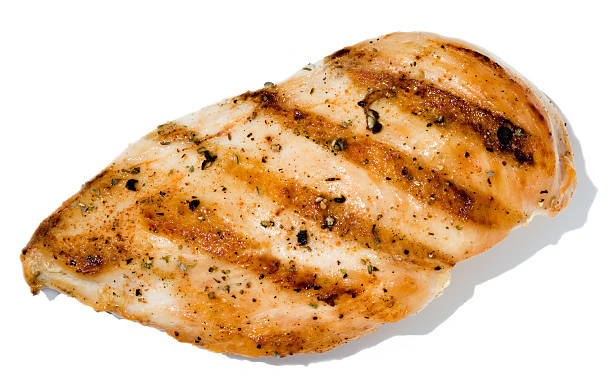
The Airbnb Kitchen Nightmare
I will never forget the first time I tried to cook a proper dinner in a vacation rental. The kitchen looked beautiful in the photos, but when I opened the drawers, I found one bent fork, a dull paring knife, and absolutely no meat mallet. I had four thick, uneven chicken breasts staring at me, destined to be rubbery and dry if I didn’t intervene. I panicked for a second, but then I remembered that cooking is just physics and chemistry. You don’t need a specialized medieval weapon to soften meat; you just need to know how to tenderize chicken without hammer using what you have on hand.
Whether you are a student with a bare-bones kitchen or just someone who hates cluttering drawers with single-use gadgets, mastering these techniques is essential. We are going to break down muscle fibers using blunt force from everyday objects and, more importantly, use chemical reactions to relax the protein strands. These methods are actually what I use most often for dishes requiring consistent, soft textures, like our family-favorite easy sweet and sour chicken recipe. You need that meat to be pillowy, not chewy.
Method 1: The “Heavy Object” Technique
If you lack a dedicated mallet, look around. You likely have something heavy, flat, and sturdy. The goal here is mechanical tenderization—physically smashing the muscle fibers so they can’t tighten up during cooking. It also evens out the thickness of the breast, ensuring the thin tail doesn’t burn while the thick center stays raw.
The Saucepan Smash
This is the most effective alternative. A heavy-bottomed skillet (cast iron is king here) or a sturdy stainless steel saucepan acts as a perfect press.
- Protect the Meat: Never hit bare meat with a pan. Place the chicken breast between two sheets of plastic wrap, parchment paper, or inside a heavy-duty zip-top bag. Leave the bag slightly open to let air escape so it doesn’t pop like a balloon.
- The Swing: Hold the pan by the handle. Use the flat bottom to strike the meat firmly. Do not swing wildly; use controlled, heavy thuds. Start from the center (the thickest part) and work your way out to the edges.
- Check Thickness: Stop when the chicken is an even half-inch thickness.
The Rolling Pin Press
If swinging a skillet feels too chaotic, grab a rolling pin. Instead of rolling it like dough, use it as a baton. It delivers focused force that is great for breaking down specific tough spots in the meat.
Method 2: The Velvet Touch (Chemical Tenderization)
Sometimes, pounding isn’t an option. Maybe you are making a stir-fry, or you just don’t want to wake up the neighbors with loud banging. This is where science saves the day. “Velveting” is a technique used in Chinese cuisine to create that silky, impossible-to-overcook texture found in restaurant dishes.
The Baking Soda Soak
This is the secret weapon. Baking soda is alkaline, and raising the pH of the chicken meat prevents the proteins from bonding tightly when heated. It keeps the fibers loose and tender.
- Slice your chicken into bite-sized pieces or strips.
- Toss the chicken with 1 teaspoon of baking soda for every pound of meat.
- Let it sit for 20 to 30 minutes.
- Rinse thoroughly. This step is non-negotiable. If you don’t rinse it well, your dinner will taste like soap.
- Pat dry and cook.
This method transforms even the cheapest, toughest supermarket poultry into luxury bites. It is practically mandatory if you are prepping meat for a soup, perhaps utilizing leftovers for a rich Chinese chicken broth recipe for perfect wonton soup.
Method 3: Enzymatic Marinades
Nature provides its own tenderizers in the form of enzymes and acids. Unlike mechanical pounding which breaks fibers, enzymes dissolve the connective tissues holding the fibers together. This is a gentler, more flavorful approach.
The Power of Yogurt and Buttermilk
You might think acid (like lemon juice or vinegar) is best, but harsh acids can actually “cook” the surface of the meat (like ceviche), making it rubbery if left too long. Dairy is superior. The calcium and lactic acid in yogurt or buttermilk activate enzymes within the meat itself, slowly softening the protein structure without turning the exterior into mush.
Submerge your chicken in plain Greek yogurt or salted buttermilk for at least 4 hours, or overnight. Wipe off the excess before cooking. The result is incredibly juicy meat with a slight tang that pairs beautifully with roasting or frying.
Fruit Enzymes (Handle with Care)
Pineapple (bromelain), papaya (papain), and kiwi (actinidin) contain aggressive enzymes that digest protein. Puree a small amount of these fruits into your marinade. Be warned: these work fast. Do not marinate for more than 30 to 60 minutes, or your chicken will turn into a weird, mealy paste.
Method 4: Knife Skills and Scoring
If you have no heavy pans and no yogurt, you surely have a knife. Scoring is a technique often reserved for duck breast or ham, but it works wonders for chicken too. By cutting shallow slits into the meat, you physically sever the long muscle fibers that cause the meat to contract and toughen during cooking.
The Cross-Hatch Technique
Lay the breast flat. Use the tip of a sharp knife to make shallow diagonal cuts across the surface, spaced about half an inch apart. Go only about 1/8th of an inch deep. Rotate the breast 90 degrees and repeat, creating a diamond pattern.
This does three things:
- It severs the surface tension of the muscle.
- It increases the surface area for browning (more flavor!).
- It creates channels for your seasoning and sauce to penetrate deeper.
This is my go-to method when I plan to make a pan-seared dish. Speaking of searing, once you have scored and cooked your meat, those little grooves hold onto sauce perfectly, making it the ideal candidate for the easiest pan sauce recipe for any steak, chicken, or pork.
Method 5: The Salt Brine Strategy
We often think of salt just for flavor, but it is a powerful texture modifier. Brining—either wet or dry—changes the protein structure. Salt causes the muscle filaments to swell and hold onto water. More importantly, it dissolves some of the muscle proteins, meaning there are fewer structures left to tighten up and squeeze out moisture.
According to general food science regarding Chicken as food, muscle fibers lose water as they contract. Salt interrupts this contraction. Simply salting your chicken heavily and letting it sit in the fridge (uncovered) for an hour before cooking acts as a “dry brine.” The salt draws moisture out, dissolves into a brine on the surface, and then gets reabsorbed, carrying the seasoning deep into the center.
Cooking Temperature Matters
You can pound, marinate, and brine all day, but if you overcook the bird, it will still be tough. The “hammerless” tenderizing doesn’t stop at prep; it continues to the stove.
Chicken breast is lean. It has no fat to lubricate the fibers once the water evaporates. Stop cooking breast meat when it hits 155°F (68°C). I know the FDA says 165°F, but if you take it off the heat at 155°F and let it rest for 5-10 minutes, the residual heat will carry it over to a safe temperature. That 10-degree difference is the valley between “succulent” and “sawdust.”
Final Thoughts on Texture Mastery
Tenderizing chicken without a hammer isn’t just a workaround for a missing tool; it is an opportunity to become a better cook. By using chemical tenderizers like baking soda or yogurt, you aren’t just smashing meat; you are engineering a better bite.
Next time you are staring at a pack of chicken breasts, put the heavy pan away and try the baking soda velvet technique, or use your knife to score it. You might find that the “lazy” way actually produces a superior dinner. Cooking is about adaptation, and now you have five new ways to adapt.
Do you have a weird kitchen hack for softening meat? Did your grandmother use a specific marinade? Tell me your stories in the comments below!
Frequently Asked Questions
-
Can I use a glass bottle to pound chicken?
Technically yes, but it is risky. If you use a glass wine bottle or olive oil bottle, wrap it securely in a dish towel first. If the glass shatters, the towel will catch the shards and save your dinner (and your hands). -
How long should I marinate chicken in yogurt to tenderize it?
Aim for at least 4 hours, but overnight (up to 12 hours) is best. The enzymes work slowly. However, don’t go beyond 24 hours or the texture can become mushy and soft. -
Does vinegar tenderize chicken?
Yes, but be careful. Acid breaks down fibers, but if left too long (over 2 hours), it tightens the surface proteins, making the outside rubbery while the inside turns mushy. Use vinegar for short marinades only. -
What is the difference between baking soda and baking powder for tenderizing?
Baking soda is pure sodium bicarbonate and is much stronger (more alkaline). It is best for the velveting technique where you rinse it off. Baking powder is weaker and contains acid; it’s better used in breading for crispy skin, not necessarily for deep tissue tenderizing. -
Why is my chicken tough even after pounding it?
You likely overcooked it. Pounding makes the meat thinner, which means it cooks much faster. If you cook a pounded breast for the same amount of time as a thick one, it will be dry and leather-like. Reduce your cooking time significantly for flattened meat.

![7 Foolproof Hacks: Master European Classics & Impress Everyone [Tonight!]](https://images.unsplash.com/photo-1698952120266-e8903097b241 "7 Foolproof Hacks: Master European Classics & Impress Everyone [Tonight!] 8")