How to Use Chinese Five-Spice Powder Without Overpowering Your Dish
Introduction to Chinese Five-Spice Powder
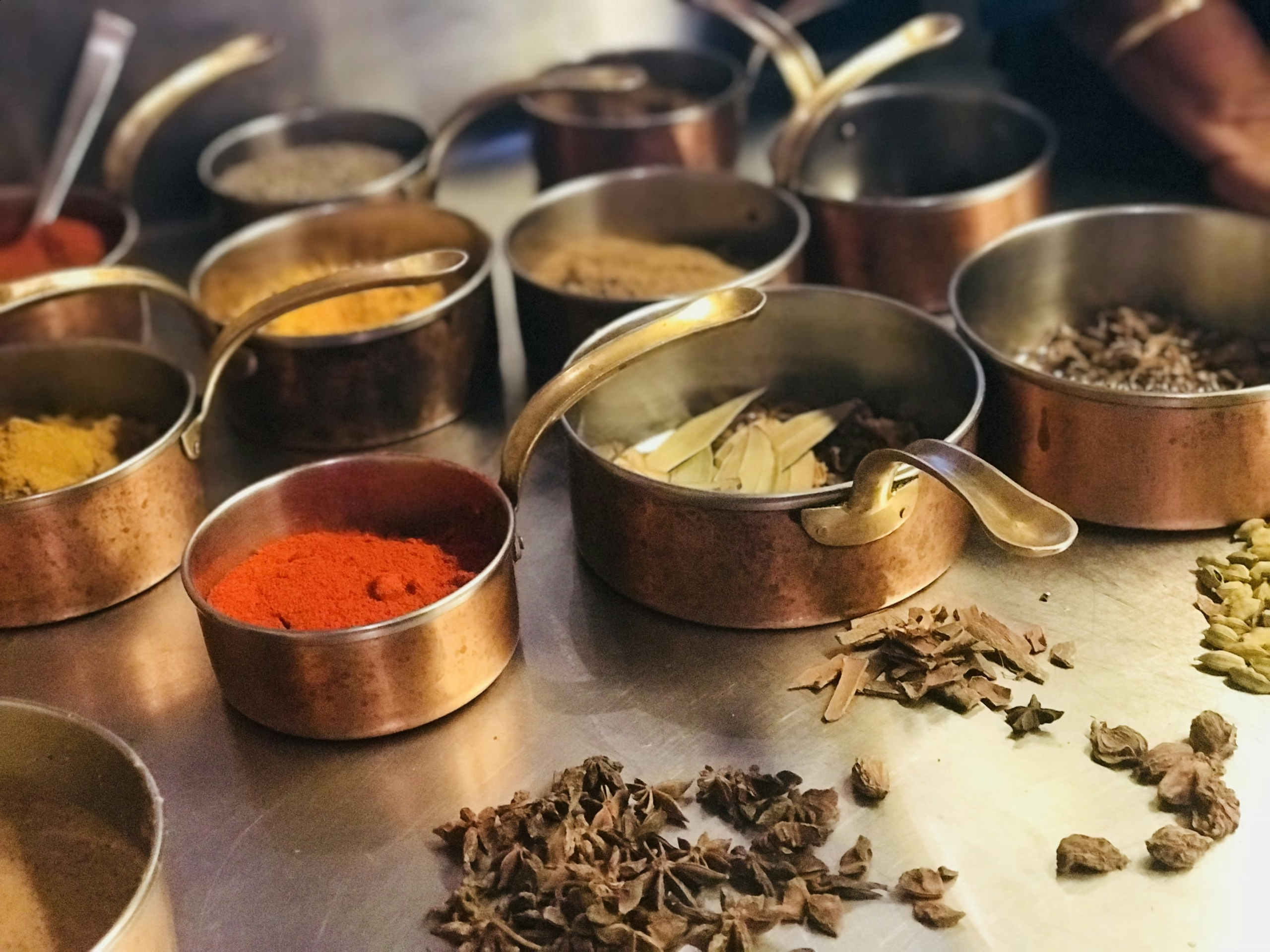
Chinese five-spice powder is a remarkable spice blend that encapsulates the culinary heritage of China. It is composed of five primary spices, each meticulously chosen to create a harmonious balance of flavors. The blend typically includes star anise, cloves, Chinese cinnamon (also known as cassia), Sichuan peppercorns, and fennel seeds. Each of these spices contributes distinct notes, ranging from sweetness to pungency, and offers a complex flavor profile that makes five-spice powder an essential ingredient in numerous dishes.
The origins of this spice blend can be traced back to ancient China, where it was used not only in cooking but also in food preservation and traditional medicine. Its cultural significance extends beyond the kitchen; it symbolizes the concept of balance in Chinese philosophy, which is often expressed through the five elements: wood, fire, earth, metal, and water. Utilizing this blend in your cuisine allows for a taste of historical depth, as it has been cherished and refined over centuries.
In Chinese cuisine, five-spice powder serves as a crucial seasoning for various preparations, including braised meats, marinades, and stir-fried dishes. When artfully integrated, this spice blend elevates the overall taste experience while imparting an aromatic quality that is uniquely Asian. However, due to its potency, it is vital to understand how to use this spice properly to prevent overpowering the other components in a meal. A measured approach in incorporating five-spice powder can lead to delightful results, transforming simple dishes into culinary masterpieces.
Given its wide applications, mastering the art of using Chinese five-spice powder can significantly enhance your cooking repertoire and allow for a deeper appreciation of its cultural roots. As we delve further into this spice blend, we will explore effective strategies for its use in everyday cooking without overwhelming the palate.
Breaking Down the Flavor Profile
Chinese five-spice powder is a nuanced blend that typically includes star anise, cloves, Chinese cinnamon (or cassia), Sichuan peppercorns, and fennel seeds. Each of these components contributes unique flavors and aromas that together create a complex and delicate seasoning. Understanding the flavor profile of each spice is essential for effectively using this blend without overwhelming your dish.
Star anise introduces a sweet and licorice-like flavor, imparting a warming sensation that enhances the overall richness of the spices. This ingredient is particularly potent, and its sweet notes can easily dominate if not balanced with other flavors. Cloves add a pungent and aromatic touch, providing depth with their warm intensity. Their slightly sweet flavor complements the star anise, but also necessitates careful measurement to ensure that the blend does not become too overpowering.
Next is Chinese cinnamon, known for its sweet and woody notes. This spice acts as a grounding element in the blend, harmonizing the contrasting flavors of the other spices. Its warmth also lends a comforting undertone, further adding to the complexity of the five-spice profile. Sichuan peppercorns bring a numbing spiciness and citrusy undertone, distinguishing this blend from other spice mixtures. The combination of warmth and tingling sensation created by Sichuan peppercorns can enhance the dish’s overall flavor without overwhelming it.
Lastly, fennel seeds introduce a sweet, herbal aroma with a slightly anise-like flavor, rounding out the blend. This component works synergistically with the other spices to create a harmonious background note, adding to the blend’s overall balance. By understanding the individual characteristics of these spices, one can effectively use Chinese five-spice powder to elevate dishes without diminishing their primary flavors. In the right amounts, it serves as a subtle complement, enriching your culinary creations with its delightful complexity.
The Golden Rule: Less is More
When it comes to incorporating Chinese five-spice powder into your culinary creations, adhering to the principle of “less is more” is essential. This particular spice blend, known for its robust flavor profile, consists of five main components: star anise, cloves, Chinese cinnamon, Sichuan pepper, and fennel seeds. While these ingredients each impart distinct flavors, their combined strength can easily dominate a dish if not applied judiciously. Therefore, using a minimal amount of five-spice powder allows the unique characteristics of your main ingredients to shine through without being overpowered.
To achieve balance in your dishes, start with a small quantity of the spice blend, typically one-quarter to one-half teaspoon, depending on the overall volume of the dish. It is essential to remember that you can always add more later, but reducing the spice once it has been incorporated can be challenging. Thus, gradual addition becomes a key technique in mastering the use of five-spice powder. One effective method to implement this approach is to mix the spice blend with a neutral base, such as oil or broth, before adding it to the dish. This not only helps in distributing the flavor more evenly but also allows for better control of the intensity.
Moreover, consider the cooking method when incorporating five-spice powder. Incorporating it early in the cooking process allows the heat to mellow the flavors, whereas adding it towards the end can provide a fresher, more pronounced taste. Observe the dish’s evolving flavors as you work, and remember that balance is key. Following the tenet of “less is more” will ensure your dishes remain harmonious and that the enchanting aroma and flavor of five-spice powder enhance rather than overpower the final result.
Using Five-Spice in Marinades
Marinades are a crucial element in enhancing the flavors of both meats and vegetables, and Chinese five-spice powder can add a unique depth to these preparations. When using this aromatic blend, finding the right balance is essential to avoid overpowering the dish. The five-spice mixture traditionally includes star anise, cloves, Chinese cinnamon, Sichuan pepper, and fennel seeds, offering a diverse flavor profile that harmonizes well with various ingredients.
For meats, particularly poultry such as chicken and duck, five-spice powder can be integrated seamlessly into marinades. A typical marinade can include soy sauce, garlic, ginger, and a teaspoon of five-spice powder. Allowing the chicken to marinate for at least 30 minutes, or up to several hours, ensures that the flavors penetrate the meat without overwhelming it. For beef, especially cuts like flank or sirloin, consider combining the five-spice with balsamic vinegar or Worcestershire sauce, marinating for 2-4 hours to achieve a rich yet balanced taste.
When dealing with vegetables, five-spice powder can enhance earthy flavors remarkably well. For example, mushrooms and eggplant benefit greatly from a marinade that includes five-spice in conjunction with olive oil and a splash of rice vinegar. A shorter marinating time of 20-30 minutes is often sufficient for vegetables, allowing the spice to complement rather than dominate their natural flavors.
In general, a good rule of thumb is to start with a smaller quantity of five-spice powder, about half a teaspoon, and adjust according to taste. The goal is to enhance the dish without masking the individual flavors of the ingredients. Through careful craftsmanship of your marinades, incorporating Chinese five-spice powder can result in a delectable balance that showcases the complexity of your dish.
Five-Spice in Braises and Slow-Cooked Dishes
Chinese five-spice powder serves as a versatile seasoning that enhances the depth and complexity of various braised dishes and slow-cooked meats. This unique blend typically consists of star anise, cloves, Chinese cinnamon, Sichuan pepper, and ginger, contributing both aroma and flavor. When used correctly, it can elevate stews and braises without overwhelming the palate.
To effectively incorporate five-spice powder into braised dishes, it is advisable to start with a small quantity—usually about half a teaspoon per pound of meat or vegetables. The spice should be introduced at the beginning of the cooking process, allowing it to dissolve into the braising liquid or stock. This technique ensures the flavors permeate the meat or vegetables thoroughly as they cook slowly. As the dish simmers, the long cooking times work to mellow the bold flavors, allowing a harmonic balance to develop. The challenge lies in finding the right amount that enhances but does not dominate the final dish.
When preparing stews, it is also essential to consider the other ingredients in the recipe. Pairing five-spice with complementary elements such as soy sauce, garlic, or ginger can create a robust yet balanced flavor profile. Additionally, aromatic vegetables like scallions and onions can benefit from the fragrance of the spice, contributing to an overall fragrant experience. This careful integration not only highlights the dish’s complexity but also marries the traditional flavors expected in Chinese cuisine.
Incorporating Chinese five-spice powder into your braised and slow-cooked dishes can transform a simple meal into a culinary delight when done with precision. Taking advantage of the extended cooking time allows for the spices to infuse gradually, lending depth and richness that enhances the enjoyment of the dish.
Complementing Five-Spice with Other Ingredients
Chinese five-spice powder, a blend traditionally comprising star anise, cloves, Chinese cinnamon, Sichuan peppercorns, and fennel seeds, is known for its complex flavor profile. When incorporating this distinctive seasoning into your culinary creations, it is essential to balance its warmth and sweetness with other ingredients that offer acidic, savory, or herbal notes. This balance is crucial to create a harmonious dish that enhances rather than overpowers the palate.
For example, incorporating citrus elements such as lime or lemon juice can provide a refreshing acidity that counters the sweet undertones of the five-spice powder. Dishes like five-spice chicken can be uplifted by marinating the meat in a mixture that includes citrus juice. This not only adds brightness but also tenderizes the protein, enhancing the overall experience.
Equally effective are savory ingredients like soy sauce or miso paste, which not only deepen the umami flavors but also create a well-rounded palate. A stir-fry combining vegetables with a splash of soy sauce, five-spice powder, and perhaps some ginger serves to underline the versatility of the spice while ensuring the dish remains savory rather than overly sweet.
Herbs such as cilantro, basil, and green onions can further complement five-spice powder. These fresh ingredients add a layer of complexity and brightness, allowing the warmth of the spices to shine without dominating the dish. A five-spice braised pork belly topped with a garnish of fresh herbs can illustrate this effective pairing.
Additionally, root vegetables like carrots or sweet potatoes can introduce earthiness that balances the spice blend. Roasting these vegetables with five-spice powder enhances their natural sweetness while adding depth to the overall flavor profile.
In creating dishes that utilize Chinese five-spice powder, the key lies in harmonizing these diverse elements. By thoughtfully selecting complementary ingredients, one can craft well-balanced meals that celebrate the unique essence of this intriguing spice blend.
Tips for Balancing Flavors
When incorporating Chinese five-spice powder into your dishes, achieving a well-balanced flavor profile is crucial. The robust and aromatic blend of star anise, cloves, Chinese cinnamon, Sichuan pepper, and fennel can easily become overpowering. To maintain harmony in your culinary creations, consider integrating adjustments of acidity, sweetness, and saltiness.
One effective approach is to introduce acidity through the use of vinegar, citrus juices, or tamarind. Acidity helps to cut through the richness of the spices and enhances the overall flavor experience. For instance, a splash of rice vinegar or a squeeze of lime can brighten a dish infused with five-spice powder. Aim to complement the spices rather than mask their flavor; a subtle addition of acidity can work wonders.
In addition to balancing acidity, introducing sweetness can offset the intense flavors of five-spice. Natural sweeteners such as honey, maple syrup, or even fruits like pineapple can create a delightful contrast. When adding sweetness, start with a small amount, adjusting gradually until the balance feels right. The key is to enhance the dish’s complexity without allowing sweetness to dominate.
Saltiness also plays a vital role in flavor balance. Consider incorporating soy sauce, sea salt, or miso to provide depth and umami. These ingredients can temper the assertiveness of the five-spice powder, allowing the spices to shine while still contributing to the overall harmony of the dish.
An important step in flavor balancing is tasting throughout the cooking process. Regularly sampling the dish can guide your adjustments, ensuring that each element contributes positively. Remember, achieving balance is often a matter of small tweaks rather than drastic changes. With practice, you’ll develop an instinct for harmonizing flavors, allowing the unique qualities of Chinese five-spice powder to enhance your dishes without overwhelming them.
Common Mistakes to Avoid
When utilizing Chinese five-spice powder in your culinary endeavors, several common mistakes can undermine the dish’s overall flavor. Firstly, one of the most frequent pitfalls is the overuse of this spice blend. Five-spice powder is potent, and its primary goal is to enhance, not dominate, the dish. A common recommendation is to start with a small quantity, perhaps half a teaspoon, and adjust according to taste. This adjustment allows the spices to intermingle with other ingredients without overpowering them.
Another mistake that often occurs is neglecting to consider the cooking method. Different techniques can alter the intensity and characteristics of flavors. For example, using high heat in stir-frying may amplify the spices, whereas slow-cooking methods can mellow their impact. It is critical to match the spice application with the appropriate culinary method, ensuring a harmonious balance in taste and aroma.
Moreover, cooks sometimes forget to account for other flavor elements in the dish. Balancing sweet, salty, and sour flavors is essential when working with five-spice powder. Incorporating complementary ingredients, such as garlic or ginger, can create a well-rounded profile that supports the spices, rather than competing with them. Additionally, experimenting with various acids, such as vinegar or citrus juice, can provide contrast and enhance the flavors present in the dish.
Lastly, another common error relates to the timing of spice addition. Introducing five-spice powder too late in the cooking process may result in a less integrated flavor, whereas adding it too early can lead to a bitter taste. Therefore, a judicious approach is key. By being mindful of these common mistakes, cooks can benefit from the aromatic and complex flavors of Chinese five-spice powder, achieving a delicious balance in every dish.
FAQs about Chinese Five-Spice Powder
Chinese Five-Spice Powder is a complex and aromatic blend that typically includes star anise, cloves, Chinese cinnamon (or cassia), Sichuan peppercorns, and fennel seeds. The taste profile of this seasoning is both warm and fragrant, with sweetness from the star anise and cloves, spiciness from the Sichuan peppercorns, and a hint of herbal notes from the fennel seeds. When incorporated judiciously, it can elevate the flavor of various dishes without overpowering them.
Many home cooks wonder whether they can create their own version of five-spice powder. The answer is yes; making a homemade five-spice blend allows for personalization based on taste preferences. To do this, you can combine equal parts of the five primary spices or adjust the ratios according to your palate. For instance, if you prefer a sweeter blend, you might increase the quantity of star anise. Alternatively, using pre-ground spices can be convenient, although fresh spices generally yield more robust flavor.
When it comes to food pairings, Chinese Five-Spice Powder complements a variety of proteins and vegetables. It is especially renowned for its synergy with meats such as pork and duck, enhancing the richness and bringing depth to sauces. Additionally, it can also work well with roasted vegetables, tofu, and in marinades to impart a distinct flavor. For those seeking to explore this spice further, experimenting with its incorporation in stir-fries, soups, and stews may yield delightful results, showcasing the versatility of five-spice powder in various culinary contexts.
![9 Essential Chinese Pantry Staples to Boost Your Menu Profits [Insider Tips]](https://lezata.com/wp-content/uploads/2025/10/3c67ea0a-9945-437f-bbae-a6328259b7e9_019a2daa-6358-71bf-8a40-2290876b8ccf_files_essential_chinese_pantry_staples-768x432.webp "9 Essential Chinese Pantry Staples to Boost Your Menu Profits [Insider Tips] 4")