
The 185°F Secret – Internal Temp for Chicken Thighs for Juicy Bites
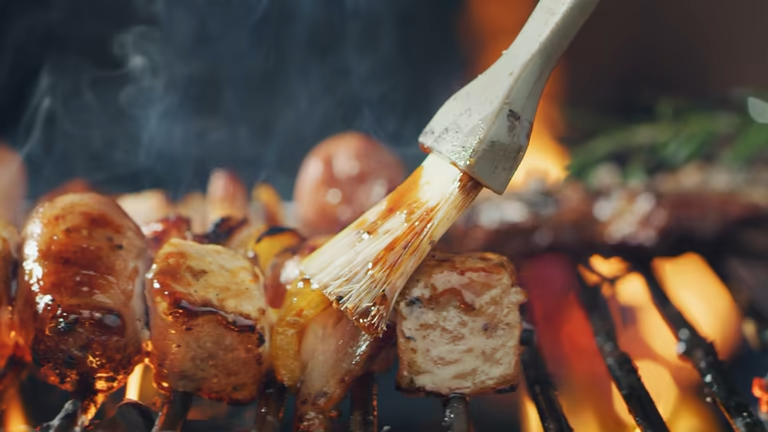
The Texture That Tells a Story
Bite into a perfectly cooked chicken thigh, and the experience is visceral. It isn’t just “cooked”; it is an explosion of rendered fat, gelatinous richness, and meat that separates effortlessly. Now, contrast that with a thigh pulled from the oven the second it hit the government-mandated safety number. It pulls back. It’s rubbery. It fights your teeth. It’s safe, sure, but it certainly isn’t enjoyable.
For years in professional kitchens, I watched rookies treat thighs exactly like breasts, pulling them out the moment the thermometer beeped at 165°F. They were technically following the rules, but they were serving mediocrity. Mastering the internal temp for chicken thighs for juicy results requires unlearning what you know about white meat. We aren’t just trying to kill bacteria here; we are trying to melt collagen.
Whether you are searing meat for a quick weeknight dinner or prepping the protein for my easy sweet and sour chicken recipe, understanding the thermal sweet spot of dark meat is the difference between a chewy jaw workout and a melt-in-your-mouth masterpiece.
The Anatomy of Dark Meat: Why 165°F Fails
To understand why the thermometer rules change, look at the biology. A chicken breast is lean muscle. It has very little connective tissue. Once it hits 165°F (74°C), the protein fibers contract and squeeze out moisture. Go past that, and it becomes dry as chalk.
Chicken thighs are different. They are the working muscles of the bird. They are loaded with collagen and intramuscular fat. At 165°F, that collagen is still tough and rubbery. It hasn’t had time to break down yet. If you eat a thigh cooked to exactly 165°F, it will feel “underdone” even though it is safe.
For the collagen to transform into gelatin—that sticky, lip-smacking substance that makes dark meat succulent—you need higher heat. This conversion accelerates rapidly between 175°F and 190°F.
The Magic Number: 175°F to 185°F
If you want the absolute best texture, ignore the “safety minimum” and aim for the “culinary optimum.”
Target 175°F – 185°F (80°C – 85°C).
At this temperature range, three magical things happen:
- Collagen Dissolves: The tough connective tissue melts into gelatin, basting the meat from the inside out.
- Fat Renders: The fat liquefies, frying the meat internally and ensuring it stays moist.
- Meat Relaxes: Unlike breast meat which tightens up, thigh meat actually becomes more tender the longer it cooks (up to a point).
According to food science principles regarding chicken as food, dark meat can withstand internal temperatures up to 200°F without drying out, although I find the texture gets a bit too shredded past 195°F.
Tool of the Trade: Probing Correctly
You cannot judge a chicken thigh by looking at it, nor by cutting it open (which lets all the juice run out). You need an instant-read digital thermometer. However, sticking the probe in randomly will give you false data.
Finding the Thermal Center
Insert the probe into the thickest part of the thigh. If you are cooking bone-in thighs, this is usually right alongside the main femur bone. You want the tip of the probe to be in the absolute center of the meat.
Carryover Cooking: The Hidden Heat
Physics doesn’t stop when you open the oven door. Heat energy continues to move from the hot exterior of the chicken to the cooler interior even after you take it off the heat source. This is called carryover cooking.
For a dense piece of meat like a bone-in thigh, the internal temperature can rise by 5 to 10 degrees while it rests. This means you should pull the chicken from the heat when it reads about 170°F to 175°F. Let it rest on a board for 5 to 10 minutes, and it will coast perfectly into that 180°F+ zone.
While the chicken is resting and releasing those delicious juices, don’t let that flavor go to waste. That is the perfect time to deglaze your skillet and whip up a velvety pan sauce to pour over the top.
Bone-In vs. Boneless: Same Temp, Different Time
Does the internal temp for chicken thighs for juicy texture change if you remove the bone? No. The target temperature remains the same because the meat composition is the same. However, the speed at which you get there changes drastically.
- Boneless Thighs: These cook fast. At 400°F, they might hit the sweet spot in 20-25 minutes. Keep a close eye on them.
- Bone-In Thighs: The bone acts as an insulator. These take longer, usually 35-45 minutes. The benefit is that the bone helps retain moisture, making it even harder to dry them out.
If you do debone them yourself, save those bones! They are packed with flavor. Toss them in a freezer bag and use them later for a rich Chinese chicken broth recipe.
Visual Cues to Back Up Your Thermometer
Batteries die. Sometimes you find yourself at a friend’s barbecue without your tools. While I always recommend a thermometer, you should know the sensory signs of properly cooked dark meat.
The Shrink Test
Properly cooked thighs will shrink significantly. If the meat looks voluminous and the skin is flabby, it isn’t ready. Look for the meat to pull away from the bone, exposing the “knuckle” at the end of the drumstick or thigh bone.
The Juice Clarity
Pierce the thickest part with a skewer. If the juice runs pink or cloudy, the collagen hasn’t broken down yet. You want the juices to run clear and yellow (from the rendered fat). Note that pink meat near the bone is sometimes just pigment leaching from the bone marrow and is safe to eat, but the juices should always be clear.
Troubleshooting Tough Thighs
If you followed the temperature rules and your thighs are still tough, check your method. Are you cooking them “low and slow” or “hot and fast”?
While thighs love high heat (grilling or roasting at 400°F+), they can get tough if they are subjected to dry heat for too long without reaching the collagen-melting point quickly enough. Conversely, if you braise them, they need time. A braised thigh at 185°F might still be tough; for braising, you actually want to go even higher, towards 195°F or even 200°F, where the meat becomes “shreddable.”
Final Verdict: Don’t Fear the Heat
Stop treating chicken thighs like delicate flowers. They are the rugged workhorses of the poultry world. They want heat. They need time. Pushing past that 165°F safety barrier into the 180°F deliciousness zone is the secret that separates average home cooking from restaurant-quality meals. Trust the process, melt that collagen, and enjoy the juice.
Frequently Asked Questions
1. Is it safe to eat chicken thighs at 165°F?
Yes, it is perfectly safe from a bacterial standpoint. However, the texture will likely be chewy and rubbery because the connective tissue hasn’t broken down yet. For the best eating experience, cook them to at least 175°F.
2. Why are my chicken thighs still pink at 180°F?
This is common! The pink color in dark meat often comes from myoglobin (a protein) or pigment leaking from the bone marrow, not from being undercooked. If your thermometer reads 180°F, the chicken is fully cooked regardless of the color.
3. Can you overcook chicken thighs?
It is difficult, but yes. If you push the internal temperature past 200°F or 210°F using dry heat (like grilling), the meat will eventually lose all its moisture and become stringy and dry. In a liquid braise, however, they can handle high temps for much longer.
4. How long should chicken thighs rest?
Let them rest for 5 to 10 minutes before cutting. This allows the juices to redistribute throughout the meat. If you cut them immediately, that liquid gold will run out onto your cutting board instead of staying in the chicken.
5. Does the skin crisp up at a specific temperature?
Skin crispiness is more about the external temperature than the internal meat temperature. To get crispy skin, you need an oven temperature of at least 400°F (200°C) to render the subcutaneous fat properly.


![4 Ways to Steam Fish Without a Bamboo Steamer [Chef’s Guide]](https://lezata.com/wp-content/uploads/2025/10/3c67ea0a-9945-437f-bbae-a6328259b7e9_019a2daa-6358-71bf-8a40-2290876b8ccf_files_steam_fish_without_bamboo_steamer-768x432.webp "4 Ways to Steam Fish Without a Bamboo Steamer [Chef's Guide] 8")