Is Slightly Pink Chicken Safe to Eat? The Chef’s Safety Guide
The Moment of Panic at the Dinner Table
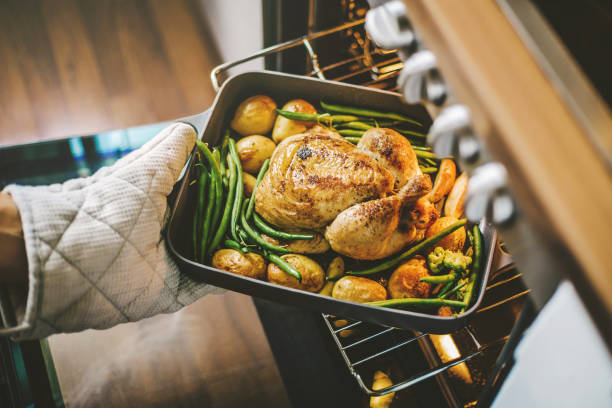
Picture this: You have just spent forty-five minutes roasting a beautiful bird. The skin is golden-brown and crispy, the aroma of roasted garlic is filling the kitchen, and you are ready to serve. You slice into the thickest part of the breast, and your heart sinks. The juices running out have a rosy tint, and the meat near the bone looks suspiciously blush-colored. You freeze. You ask yourself, “Is slightly pink chicken safe to eat, or am I about to poison my entire family?”
I have faced this exact scenario in professional kitchens more times than I can count. The fear of Salmonella is deeply ingrained in us, and rightly so. However, tossing a perfectly cooked bird back into the oven just because of a little color often leads to a dry, rubbery disaster. Whether you are prepping a complex dish or just the protein for my Easy Sweet and Sour Chicken Recipe, understanding the difference between “unsafe raw” and “naturally pink” is the most important skill you can master for your peace of mind and your palate.
The Great Deception: Why Color is a Liar
For decades, home cooks were taught a simple rule: “Cook it until the juices run clear.” I am here to tell you that this rule is outdated and scientifically flawed. Color is not a reliable indicator of safety.
Chicken meat changes color when heat denatures the proteins. However, several chemical reactions can keep the meat pink even after it has reached a bacteria-killing temperature. If you rely solely on your eyes, you will almost certainly overcook your dinner. The United States Department of Agriculture (USDA) has explicitly stated that fully cooked poultry can still exhibit a pinkish tinge. We need to stop looking and start measuring.
Myoglobin and the Science of the Pink Hue
To understand why your fully cooked dinner looks underdone, we have to talk about hemoglobin and myoglobin. These are the proteins responsible for transporting oxygen in the bird’s muscles. Myoglobin is purple-ish raw, but turns brown when cooked.
However, the amount of myoglobin varies based on the age of the chicken and the acidity of the environment. According to general food science and chicken as food history, modern commercial chickens are slaughtered at a very young age (usually 6-8 weeks). In these young birds, the bones are still porous and have not fully calcified.
When you roast a young chicken, the purple pigment from the bone marrow seeps through the porous bone and stains the surrounding meat. Even if you cook that bird to 200°F (way past safe), the meat around the bone will remain a deep, dark red or pink. It looks scary, but it is completely harmless.
The Impact of pH and Marinades
Your prep work might be the culprit. If you marinated your meat in something acidic—like lemon juice, vinegar, or wine—before cooking, you altered the pH level of the meat. High acidity can thermally stabilize the pink color of the meat, meaning it retains that rosy hue even after thorough cooking.
Similarly, certain vegetables contain naturally occurring nitrates (like celery or onions). Nitrates are the same compounds used to cure ham and bacon, which is why bacon stays pink when cooked. If you are simmering a whole bird in a pot to make my Rich Chinese Chicken Broth Recipe, and you added plenty of aromatics, do not be surprised if the meat retains a pinkish cast. It is a chemical reaction, not a safety hazard.
Texture Trumps Color: How to Identify Raw Meat
If you cannot trust the color, how do you know if it is actually dangerous? Look at the texture. This is a much better visual cue than pigment.
Undercooked (Unsafe) Chicken:
Raw or undercooked chicken looks shiny, glossy, and gelatinous. It is translucent. If you poke it, it feels squishy and soft, offering no resistance. The fibers have not tightened up yet.
Cooked (Safe) Pink Chicken:
Safe pink chicken is opaque (you cannot see through it). It looks matte, not glossy. The texture is firm and fibrous. If you pull it, it separates into strands rather than stretching like rubber. If the meat is firm and opaque but just happens to be pink, it is likely safe.
The Only Metric That Matters: 165°F
I cannot stress this enough: Buy a digital instant-read thermometer. It is the only tool that can definitively answer “is slightly pink chicken safe to eat.”
Bacteria, including Salmonella and Campylobacter, are killed instantly at 165°F (74°C). They are also killed at lower temperatures if held there for a longer period (pasteurization), but 165°F is the instant kill zone recommended for home cooks. Insert your thermometer into the thickest part of the meat, avoiding the bone. If it reads 165°F, that chicken is safe to eat, regardless of whether it is white, pink, or purple.
If you cut into it, see pink, and panic-cook it for another ten minutes without checking the temp, you are ruining the texture. If you do accidentally dry it out in your panic, you’ll need to whip up a moisture-rich topping like my Easiest Pan Sauce Recipe to salvage the meal.
Handling the Psychology of Pink Meat
Even knowing the science, eating pink chicken can be a mental hurdle. I get it. We eat with our eyes first. If the visual is turning your stomach, there is no shame in fixing it for your own comfort.
If the thermometer says it is safe but you just cannot bring yourself to eat it:
- Slice and Sear: Slice the meat and give it a quick sear in a hot pan. The direct heat will turn the myoglobin brown instantly (the Maillard reaction) without drying out the center too much.
- Sauce it Heavily: Toss the meat in a dark sauce (like teriyaki or soy-based glaze) which hides the color.
- Change the Lighting: Believe it or not, kitchen lighting can make meat look pinker than it is. Check it under natural light.
Common Scenarios for “False Alarm” Pinkness
The Grilled Burger Effect
Ground chicken often stays pink inside. Because the meat is ground, oxygen is mixed throughout the patty, which can affect color stability. Always use a thermometer for ground meat.
Sous Vide Cooking
If you cook chicken sous vide (in a water bath) at a lower temperature like 145°F or 150°F for a long time, it is pasteurized and completely safe, but it will look incredibly pink and have a completely different, velvety texture. Do not be alarmed; this is a feature, not a bug.
Trust the Heat, Not the Hue
Cooking is about control and confidence. The question “is slightly pink chicken safe to eat” has a nuanced answer: Yes, provided it has reached the correct thermal death point for bacteria.
Stop slicing your chicken open to check for doneness. Every time you slice it, you let precious juices escape, leading to a dry dinner. Poke it with a thermometer instead. Trust the technology, respect the science, and enjoy your juicy chicken without fear.
Do you have a strict “no pink” rule in your house, or do you trust the thermometer? Let me know your safety standards in the comments below!
Frequently Asked Questions
What happens if I eat slightly undercooked chicken?
If the chicken was truly undercooked (didn’t reach safe temperature) and contained bacteria, you are at risk of food poisoning (Salmonellosis or Campylobacteriosis). Symptoms like nausea, cramps, and fever typically appear within 6 to 72 hours. However, remember that not all pink chicken is undercooked.
Why is my chicken bloody near the bone?
This is almost always due to “bone marrow leaching.” Young chickens have porous bones. When heated, the purple marrow liquefies and leaks into the meat next to the bone. It turns red/brown upon cooking. It is aesthetically unpleasing to some, but perfectly safe to eat if the temp is 165°F.
Is grey chicken safe to eat?
Raw chicken that has turned grey is likely spoiled and should be tossed. However, cooked chicken that looks slightly greyish-white is normal, especially for breast meat. Trust your nose first—if raw chicken smells sour or funky, throw it out immediately regardless of color.
Does freezing chicken make it pinker when cooked?
Sometimes. Freezing can cause physical changes to the cell structure and bone marrow, potentially increasing the likelihood of marrow leaching when the bird is eventually thawed and roasted. It does not affect safety, only appearance.
Can I judge doneness by the texture of the juice?
Old wisdom says “juices run clear,” but clear juices can happen before the bacteria are killed, and pink juices can exist after they are dead. A better texture indicator is the meat itself. If the fibers separate easily and aren’t rubbery or jelly-like, it is likely done.