5 Easy Steps Making Homemade Pink Salt Body Scrub
As a chef, my most essential ingredient is salt. I’ve spent decades understanding how its crystal structure, origin, and mineral content affect flavor and texture in food. This culinary expertise translates directly to the world of wellness, particularly to the craft of making homemade pink salt body scrub. Why? Because the best, most effective scrubs are made from high-quality, food-grade ingredients you could just as easily have in your pantry. We are essentially creating a recipe, and the same rules of balance, texture, and emulsion apply.
You may be paying a premium for luxury body scrubs that are, at their core, just three simple components: an exfoliant, a fat, and an aromatic. The common mistake is to grab any salt, mix it with any oil, and call it a day. From my expert analysis, this approach ignores the science and can lead to an ineffective, or worse, an irritating product. This guide will walk you through the chef’s method for making a Himalayan pink salt body scrub, focusing on ingredient quality, proper technique, and the “mise en place” for a perfect, spa-quality result every time.
The ‘Ingredient’ Deep Dive: Choosing Your Exfoliant
Before making homemade pink salt body scrub, you must first understand your primary ingredient. In the kitchen, I choose between kosher salt, sea salt, or fleur de sel based on the job. The same logic applies here. Your exfoliant is your base, and its texture is critical.
Himalayan Pink Salt vs. Sugar vs. Epsom vs. Table Salt
This is the most common point of confusion for DIY creators.
- Himalayan Pink Salt: This is our star. It’s unrefined sodium chloride, rich in trace minerals like iron (which gives it its color), magnesium, and potassium. Its crystal structure is hard and irregular, making it a vigorous, effective exfoliant ideal for rough areas like elbows, knees, and feet.
- Sugar (Brown or White): Sugar is a gentler exfoliant. Its crystals are more rounded and dissolve more quickly in water. It’s a “humectant,” meaning it draws moisture *to* the skin. This is a better choice for sensitive skin or for the face (though I’d advise against any physical scrub on the face).
- Epsom Salt: This is not salt at all; it’s magnesium sulfate. It dissolves very quickly and is famed for muscle-soothing properties. While wonderful in a *bath soak*, it makes for a poor, mushy *scrub*.
- Iodized Table Salt: Never use this. It is a harsh, processed, and stripped ingredient. It often contains anti-caking agents (like calcium silicate) and lacks any beneficial minerals. It’s the culinary equivalent of a flavorless powder; it’s just as bad for your skin.
The Chef’s Choice: Fine vs. Coarse Grain Pink Salt
The final decision is texture.
- Fine Grain Pink Salt: This creates a denser, more “paste-like” scrub. It provides more even, but less intense, exfoliation. It’s a good all-around choice for the body.
- Coarse Grain Pink Salt: This is what I prefer. It creates a more rustic, “professional spa” look and feel. The larger crystals provide a more robust, stimulating scrub perfect for targeting dry, calloused skin. It also dissolves more slowly, giving you more working time.
Expert Practice: For the ultimate scrub, use a 50/50 blend of fine and coarse. The fine grains provide the base and even coverage, while the coarse grains add that satisfying, heavy-duty exfoliating power.
Expert Ingredient Analysis
- For Exfoliation: Himalayan Pink Salt (vigorous) or Sugar (gentle).
- For Soaking: Epsom Salt (muscle soothing).
- To Avoid: Iodized Table Salt (harsh, processed).
- Best Texture: A blend of Fine and Coarse grain pink salt provides the most effective and luxurious scrub.
The ‘Mise en Place’ for Your Homemade Pink Salt Body Scrub
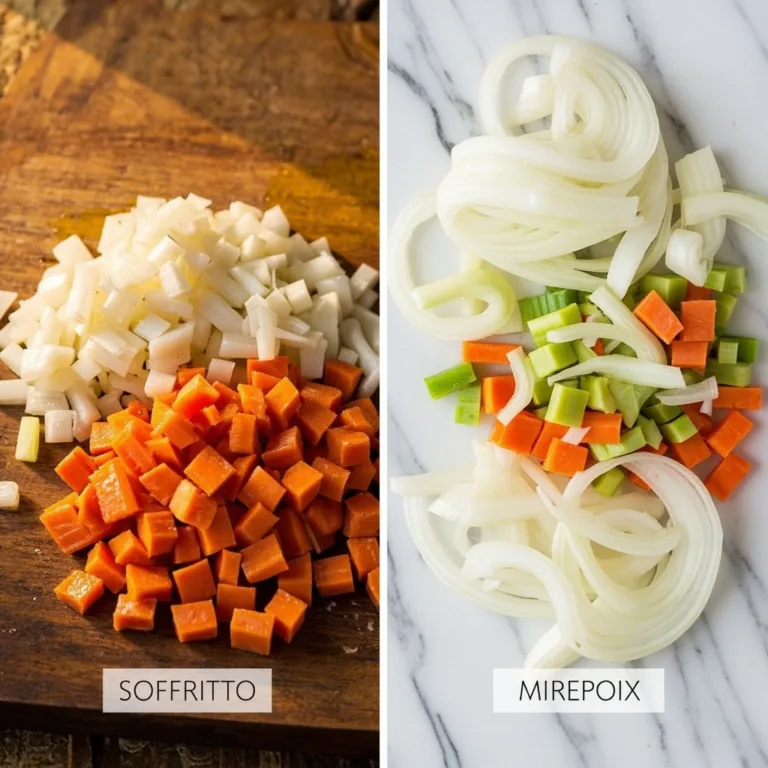
In every professional kitchen, the key to a flawless dish is “Mise en Place” (pronounced *meez-on-plahs*), which means “everything in its place.” It’s the philosophy of preparing all your components *before* you start the process of making homemade pink salt body scrub. This ensures a smooth, clean, and quick assembly.
Component 1: The Exfoliant (The “Dry Base”)
- 1 cup Himalayan Pink Salt (Coarse, Fine, or a 50/50 blend)
Component 2: The “Fat” (The Carrier Oil)
This is the most critical component from a culinary science perspective. The oil suspends the salt, provides the “slip” for the scrub, and, most importantly, moisturizes the new skin you’re revealing. The ratio is key. The classic chef’s ratio for a vinaigrette is 3 parts oil to 1 part vinegar. For a scrub, the practice is much simpler: a 2:1 ratio of Salt to Oil (by volume) is the perfect starting point.
- 1/2 cup Carrier Oil
Which oil to choose?
- Coconut Oil (Melted): Incredibly moisturizing and antimicrobial. It will solidify at cool room temps, creating a hard “balm-like” scrub. This is great, but you may need to warm it in your hands first.
- Jojoba Oil: The most luxurious choice. It’s technically a liquid wax and has a molecular structure very similar to our skin’s natural sebum, so it absorbs beautifully.
- Sweet Almond Oil: A fantastic all-purpose, lightweight moisturizer rich in Vitamin E.
- Olive Oil: A true pantry staple. It’s heavy, deeply nourishing, and has a distinct aroma. Best for very dry skin.
Component 3: The “Aromatics” (The Essential Oils)
This is your “seasoning.” This is where you customize the scrub for a specific therapeutic experience. You must use 100% pure essential oils, not synthetic “fragrance oils.”
- Total Amount: 15-20 drops per 1 cup of salt.
- Relaxing Blend: 10 drops Lavender + 5 drops Chamomile + 5 drops Frankincense
- Energizing Blend: 10 drops Sweet Orange + 5 drops Peppermint + 5 drops Rosemary
Component 4: The “Garnish” (Optional Add-ins)
This is for visual appeal and added benefits, just like plating a dish.
- 1 tablespoon Dried Botanicals: Rose petals, lavender buds, or calendula flowers.
- 1 teaspoon Zest: Lemon or orange zest (for an energizing scrub). Use immediately; this version won’t keep as long.
- 1 tablespoon Honey: A natural humectant and antibacterial.
5 Easy Steps for Making Homemade Pink Salt Body Scrub
With our “mise en place” complete, the assembly is fast. This is the core recipe for a homemade pink salt body scrub.
Step 1. Prepare Your Dry Base
In a large, clean, and completely dry glass or metal bowl, add your 1 cup of Himalayan Pink Salt. If you are using any other dry ingredients like dried botanicals (e.g., lavender buds), add them now. Whisk them together to distribute evenly.
Step 2. Create the “Emulsion” (The Chef’s Secret)
This is the most critical step that most DIY recipes get wrong. Never add essential oils directly to the dry salt. The EOs won’t distribute evenly and can create “hot spots” of concentrated oil.
The practice is to create an emulsion, just like making a vinaigrette. In a *separate* small bowl, pour your 1/2 cup of carrier oil (e.g., sweet almond oil). Add your 15-20 drops of essential oils *directly into the carrier oil*. Whisk this mixture together for a few seconds. Now your aromatics are perfectly and safely diluted in your “fat.”
Step 3. Combine Wet and Dry (The “Mixing” Technique)
Slowly pour your aromatic oil mixture over your salt base. Do not just dump it in. Drizzle it while stirring with a wooden spoon or spatula. Once it’s generally combined, use your hands (the best kitchen tools!) to massage the oil into the salt. You want to ensure every single crystal is lightly coated. The final texture should be like damp, packable sand—not a soupy, oily mess.
Step 4. Adjust the “Seasoning” (The Ratio)
This is where you become the chef. Does the scrub look too dry? Add one more tablespoon of carrier oil. Does it look too wet? Add another tablespoon or two of *fine* grain salt to help absorb the excess oil. Adjust until you have the perfect, scoopable consistency.
Step 5. Proper Storage (The “Pantry” Logic)
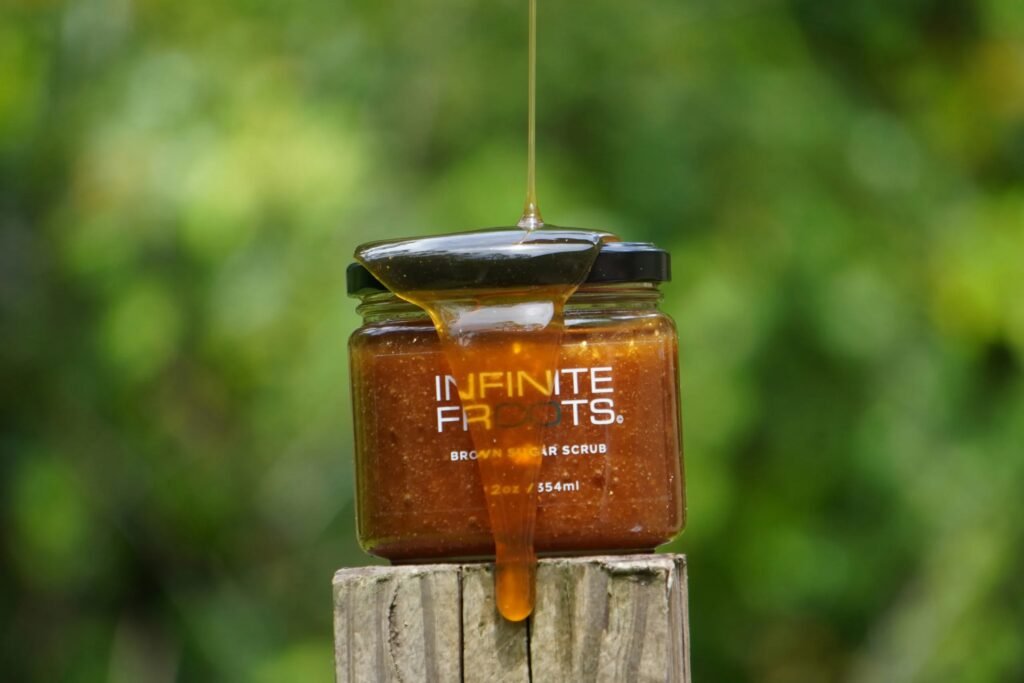
Spoon your finished scrub into an airtight glass jar. A mason jar with a good lid is perfect. The mortal enemy of your scrub is water. Water introduces bacteria and will dissolve your salt. Store your jar in a cool, dry place *outside* the shower. Use a dry spoon to scoop out what you need *before* you get in the shower. A scrub made this way (with no water) can last for 6 months or more.
How to Use Your Homemade Scrub (The “Plating”)
Making homemade pink salt body scrub is only half the joy; using it correctly is the final presentation.
- Start with Warm Water: Stand in the shower for 2-3 minutes to soften your skin.
- Turn Off the Water: This is a pro tip. Turn off the shower spray so your scrub doesn’t just rinse away before it can work.
- Apply the Scrub: Scoop a small amount into your hand. Apply in gentle, circular motions. Start at your feet and work your way up. This practice of “dry brushing” or scrubbing towards the heart is thought to be good for circulation. Be vigorous on rough spots (heels, knees) and gentle on sensitive areas.
- Rinse and Evaluate: Turn the water back on and rinse away all the salt.
- The Aftermath: Pat your skin dry with a towel. Do not rub! Your skin should feel incredibly smooth (from the exfoliation) and already moisturized (from the carrier oil). You often won’t even need to apply lotion afterward.
The American Academy of Dermatology confirms that mechanical exfoliation like this helps remove dead skin cells, leaving skin looking brighter and feeling smoother. Just be careful not to overdo it.
Common Mistakes in Making Pink Salt Scrubs (My Analysis)
As an expert, my job is to help you avoid failures. These are the most common mistakes I see.
- Mistake 1: Getting Water in the Jar. A wet hand reaching into the jar is the fastest way to ruin your batch. It introduces bacteria and starts dissolving the salt. Always use a dry spoon.
- Mistake 2: Using on the Face. This is a critical error. Himalayan salt crystals, even fine ones, are sharp and crystalline. They will create micro-tears on the delicate skin of your face. This scrub is for the body only.
- Mistake 3: Over-Exfoliating. This is not an everyday product. Exfoliating too often strips your skin’s natural barrier. The practice of using it 1-2 times per week is the sweet spot for most people.
- Mistake 4: Using It on Broken Skin. Salt on a wound (even a small cut from shaving) will sting intensely. Avoid using the scrub on any broken, irritated, or sunburned skin.
From the Bath Back to the Kitchen: The Culinary Heart of Pink Salt
Now that you’ve mastered making homemade pink salt body scrub, I encourage you to see this ingredient for its full potential. The reason it’s so good for your scrub—its unrefined, mineral-rich nature—is the same reason it’s exceptional in the kitchen.
If you have a bag of high-quality pink salt, don’t just leave it in the bathroom. Bring it to your counter. This is where 11 Himalayan pink salt cooking tricks and recipes can fundamentally change your cooking. Its crisp texture is perfect for finishing a seared steak or a piece of fish. Its subtle mineral flavor (far superior to iodized salt) is the key to balancing complex dishes.
In my world, salt is the primary tool for flavor. It’s the soul of mastering stocks and sauces, where it transforms flat, savory water into a vibrant, dynamic base. It’s the balancing act in mastering authentic Chinese food, where it tames bitterness and enhances sweetness. A good salt is the secret to a perfect stir-fry sauce recipe and the backbone of mastering European classics. It even adds a magical dimension to spicy, complex condiments like this ultimate guide to making chili oil.
So, as you create your scrub, you’re not just a DIY-er; you’re acting as a chef, selecting the best food-grade ingredients for a specific, sensory purpose.
This culinary approach—of respecting the ingredient, understanding its properties, and using proper technique—is what elevates a simple “homemade” project into a truly luxurious, effective, and safe ritual. Enjoy the process.
Frequently Asked Questions (FAQ)
1. How often should I use a homemade pink salt body scrub?
The best practice for most skin types is 1-2 times per week. Over-exfoliating can strip your skin’s natural moisture barrier. Always be gentle and listen to your skin.
2. What is the difference between a salt scrub and a sugar scrub?
Salt scrubs (especially Himalayan salt) have harder, more irregular crystals, making them more vigorous and better for rough areas like heels and elbows. Sugar scrubs have softer, rounder crystals, making them a gentler exfoliant better suited for sensitive skin.
3. Can I use this homemade pink salt body scrub on my face?
No. This is a common but dangerous mistake. Salt crystals are too sharp and abrasive for the delicate skin on your face. Using a salt scrub on your face can cause micro-tears and severe irritation. This recipe is for the body only.
4. How long does a homemade pink salt body scrub last?
If you follow the recipe, use no water, and store it in an airtight jar, it can last for 6 months or more. The salt is a natural preservative, and the oil is stable. The enemy is water, which will dissolve the salt and can introduce bacteria.
5. What is the best carrier oil for making a pink salt body scrub?
The “best” depends on your preference. Sweet almond oil is a great, lightweight all-purpose moisturizer. Jojoba oil is the most luxurious as it mimics the skin’s natural sebum. Melted coconut oil is deeply moisturizing but will make the scrub hard at room temperature.