Mastering the Art of Flavor Balancing: Sweet, Sour, Salty, and Umami in Cooking

Introduction to Flavor Balancing
Flavor balancing is a fundamental aspect of culinary arts, particularly in Chinese cuisine, where the harmony of flavors transcends mere ingredients to evoke an extensive sensory experience. At the heart of this culinary philosophy lies the intricate interplay between the four primary flavors: sweet, sour, salty, and umami. Each flavor contributes its unique profile and emotional resonance to the dish, culminating in a cohesive taste that tantalizes the palate.
In traditional Chinese cooking, the concept of balancing these flavors is not considered optional but essential. Dishes are crafted with the intention to create an equilibrium that enhances overall flavor without any single taste overpowering the others. For instance, the sweetness can soften the sharpness of sour and salty flavors, while umami adds depth and richness that brings the dish together. Mastery of this balancing act is a skill that often distinguishes novice cooks from seasoned chefs.
The historical context of flavor balancing reveals its evolution within the culinary landscape. Ancient Chinese philosophies, such as yin and yang, emphasize the importance of balance in all aspects of life, including food. This belief is reflected in culinary practices that prioritize a well-rounded blend of tastes. By understanding the synergistic relationships between sweet, sour, salty, and umami, cooks can craft dishes that are not only flavorful but also aesthetically pleasing and satisfying.
As home cooks and professional chefs alike explore the art of flavor balancing in cooking, they unveil the transformative potential of each ingredient. Learning to identify how these flavors interact allows for greater creativity and precision in the kitchen. Consequently, the pursuit of perfectly balanced flavors can elevate a dish from ordinary to extraordinary, enhancing diners’ overall taste experience and growing an appreciation for this integral aspect of culinary tradition.
Understanding Sweetness: The Balancer
Sweetness plays a crucial role in the intricate dance of flavor balancing within cooking. It is an essential component that not only adds depth to a dish but also acts as a pivotal counterbalance to harsher flavors. By interacting harmoniously with other taste elements, sweetness can effectively soften the impact of bitterness or spiciness, leading to a more rounded and pleasurable flavor profile.
The versatility of sweet ingredients, such as sugar, honey, or even fruits, allows them to be seamlessly integrated into a variety of culinary applications. For instance, a pinch of sugar can transform a tomato sauce, cutting through its acidity and enhancing the natural flavors of the tomatoes. Similarly, adding honey to a salad vinaigrette not only provides sweetness but also rounds off the sharpness of vinegar, creating a balanced dressing that complements fresh greens.
Furthermore, sweetness can counteract saltiness, which is particularly useful in dishes where an excess of salt might overshadow other flavors. An example of this can be seen in Asian cuisine, where sweet and savory elements often coexist. Dishes like teriyaki showcase this balance, as the sweetness of the sauce counteracts the saltiness of soy sauce, producing a harmonious blend that tantalizes the palate.
It is important to note that while sweetness enhances a dish, it must be used judiciously. Overwhelming sweet flavors can detract from the intended taste complexities, leading to an unbalanced dish. Therefore, chefs and home cooks alike should strive for moderation, carefully measuring sweet components to bring out the best in each ingredient. Ultimately, mastering the use of sweetness in flavor balancing transforms not only the taste but also the overall dining experience.
The Power of Sour: Cutting Through Richness
Sourness plays a pivotal role in the culinary world, serving as a counterbalance to rich and fatty flavors. By introducing a tart note, sour ingredients can transform a dish, making it feel lighter and more invigorating. The essential characteristic of sourness lies in its ability to enhance and contrast various components, allowing for a more complex and enjoyable eating experience.
Common sour ingredients include vinegar, lemon juice, and tamarind. Vinegar, which comes in various forms such as balsamic, apple cider, and rice, is particularly effective in cutting through the richness of heavy sauces and marinades. Adding a splash of vinegar can brighten a dish, bringing to life the underlying flavors that may be obscured by the weight of fat. For example, a simple vinaigrette can rejuvenate roasted vegetables, allowing their natural sweetness to shine through while mellowing any heaviness.
Lemon juice, renowned for its bright acidity, is another vital sour element in cooking. When incorporated into creamy sauces, the acidity combats richness, creating a more balanced flavor profile. A classic example of this is the use of lemon juice in creamy pasta dishes; it helps to mitigate the indulgence of the sauce, making it more palatable. Additionally, lemon zest can be used to infuse dishes with a refreshing brightness, enhancing both aroma and flavor without overpowering the main ingredients.
Tamarind, often used in Asian and Middle Eastern cuisines, offers a unique tanginess with a hint of sweetness. This ingredient is particularly adept at cutting through rich curries or stews, offering a dynamic contrast that heightens the overall complexity. When properly utilized, it can make a heavy dish feel lighter and more approachable, demonstrating the remarkable versatility of sour elements in culinary practices.
Saltiness: The Flavor Enhancer
Salt, often referred to as the quintessential flavor enhancer, plays a critical role in the culinary arts. Its primary function goes beyond mere seasoning; it elevates the sensory experience of food, transforming dull or bland dishes into gastronomic delights. The science behind saltiness lies in its ability to amplify the inherent flavors present in food, engaging the palate in a more dynamic way. When added judiciously, salty components can harmonize and elevate other tastes, enabling a fuller expression of sweetness, sourness, and umami.
For instance, the incorporation of soy sauce in various dishes exemplifies salt’s ability to enhance flavor. This fermented product not only contributes to the umami profile but also introduces a depth of saltiness that can make sweet ingredients, such as marinades or glazes, taste richer and more complex. The interplay between sweetness and saltiness is vital; a careful balance can produce culinary harmony, where each flavor note complements and amplifies the others.
However, achieving the right level of seasoning is crucial for maintaining balance. Measuring salt accurately is essential to avoid overpowering the other flavors. Chefs often suggest a methodical approach when integrating salt into recipes, beginning with small increments and tasting as they go. This ensures that the final dish does not become overly salty but instead achieves the desired depth and dimension. Various forms of salt—table salt, kosher salt, or sea salt—may also influence the final outcome, as each variation dissolves differently and imparts different levels of salinity.
In culinary practices, fostering an understanding of saltiness as a flavor enhancer empowers cooks to better manipulate taste. Through thoughtful inclusion of salinity, chefs can craft dishes that resonate with complexity, ultimately leading to more satisfying culinary experiences.
Umami: The Savory Depth
Umami, often referred to as the fifth taste alongside sweet, sour, salty, and bitter, plays a crucial role in the culinary world by imparting a savory depth to various dishes. First identified by Japanese chemist Kikunae Ikeda in the early 20th century, umami is characterized by a rich and complex flavor that enhances the overall enjoyment of food. This distinct taste is primarily associated with the presence of amino acids, particularly glutamate, which is naturally found in several food sources.
Foods high in umami include mushrooms, meats, seafood, and fermented products. Ingredients such as soy sauce, miso, and tomatoes contain significant levels of umami, making them essential in cooking to build flavor complexity. For instance, ripe tomatoes exhibit a heightened umami profile due to their natural sugars and glutamate content, giving dishes a robust taste that significantly boosts flavor perception. Similarly, aged cheeses and cured meats contribute to umami through the breakdown of proteins, releasing these savory compounds over time.
A common misconception about umami is that it is simply synonymous with saltiness. While seasoning with salt is essential for enhancing flavors, umami provides a depth that salt alone cannot achieve. This depth is often described as a sensation that rounds out flavors, making them more palatable and satisfying. Balancing umami with the other taste elements allows chefs and home cooks to create harmony in their dishes, ensuring each bite is rich and enjoyable.
In conclusion, understanding umami and its sources opens up a new dimension in cooking. By incorporating ingredients rich in this flavor, one can elevate their culinary creations, leading to a more satisfying dining experience. Properly integrating umami not only enriches individual dishes but also plays a key role in mastering the art of flavor balancing.
Creating the Perfect Sweet and Sour Sauce: A Case Study
Sweet and sour sauce is a quintessential condiment in many cuisines, particularly in Asian cooking. Achieving the perfect blend of sweet, sour, and salty flavors is crucial for creating a sauce that enhances a variety of dishes, from stir-fries to dipping sauces. To master this flavor balancing act, it is essential to understand the key ingredients that contribute to the overall profile of the sauce.
The foundational components of a standard sweet and sour sauce typically include sugar, vinegar, and soy sauce. For a well-rounded flavor, start by selecting an appropriate ratio of sugar to vinegar. A common starting point is two parts sugar to one part vinegar. This initial combination offers a solid sweetness while the vinegar injects a tangy acidity. White sugar is often used, but experimenting with alternatives like brown sugar or honey can introduce additional flavor dimensions. Adjusting the sugar level can also be pivotal; if the sauce seems too tart, gradually increasing sugar can help achieve a more balanced sweetness.
Soy sauce plays a critical role in contributing to the salty flavor profile. Generally, one part soy sauce for every four parts of sugar and vinegar mix can provide an optimal balance. However, it is advisable to taste and modify according to personal preferences, as the saltiness can vary significantly between different brands. Additionally, using low-sodium soy sauce may be beneficial for those looking to control salt intake without forfeiting flavor.
Incorporating other elements such as garlic, ginger, or even fruit purees like pineapple can enhance the complexity of the sauce. Each ingredient should be added gradually, allowing for continuous tasting and adjustments. This iterative process emphasizes the artisanal aspect of sauce-making, ensuring the final product is tailored to specific tastes. Through this careful attention to ingredient proportions and flavor adjustments, one can create a sweet and sour sauce that perfectly harmonizes the desired flavor elements.
Tips for Fixing Flavor Imbalance
Flavor imbalance in cooking can often lead to disappointing results, but with a few practical adjustments, you can significantly enhance your dishes. First, consider the primary flavors at play: sweetness, sourness, saltiness, and umami. Understanding these foundational elements can help you troubleshoot and rectify common flavor issues effectively.
If a dish is excessively salty, an immediate solution is to add a pinch of sugar. The sweetness of sugar can counterbalance the saltiness and create a more harmonious flavor profile. Additionally, incorporating ingredients that contribute acidity, such as vinegar or citrus juice, can also mitigate the sensation of salt. These adjustments can easily transform a dish from overly salty to pleasantly balanced.
Conversely, if a dish is too sweet, introducing some acidity is a reliable fix. Fresh lemon juice or a splash of vinegar can cut through the sweetness and provide the necessary contrast, elevating the overall flavor experience. Utilizing fresh herbs or spices can also add complexity and depth to the dish, which often compensates for any excessive sweetness.
In instances where a dish lacks depth or complexity, integrating umami-rich ingredients can enhance the overall flavor. Options include adding a splash of soy sauce or Worcestershire sauce, incorporating mushrooms, or using miso paste. These ingredients introduce a savory quality that is often missing in underwhelming dishes. Furthermore, slow-cooking methods can intensify these flavors, enabling the umami notes to develop fully.
Ultimately, being aware of these corrective measures and utilizing them thoughtfully will empower you as a cook, paving the way for more confidently balanced dishes. By experimenting with these adjustments, you will learn to identify your dishes’ unique needs, enhancing your culinary outcomes and satisfaction.
The Role of Spice in Flavor Balancing
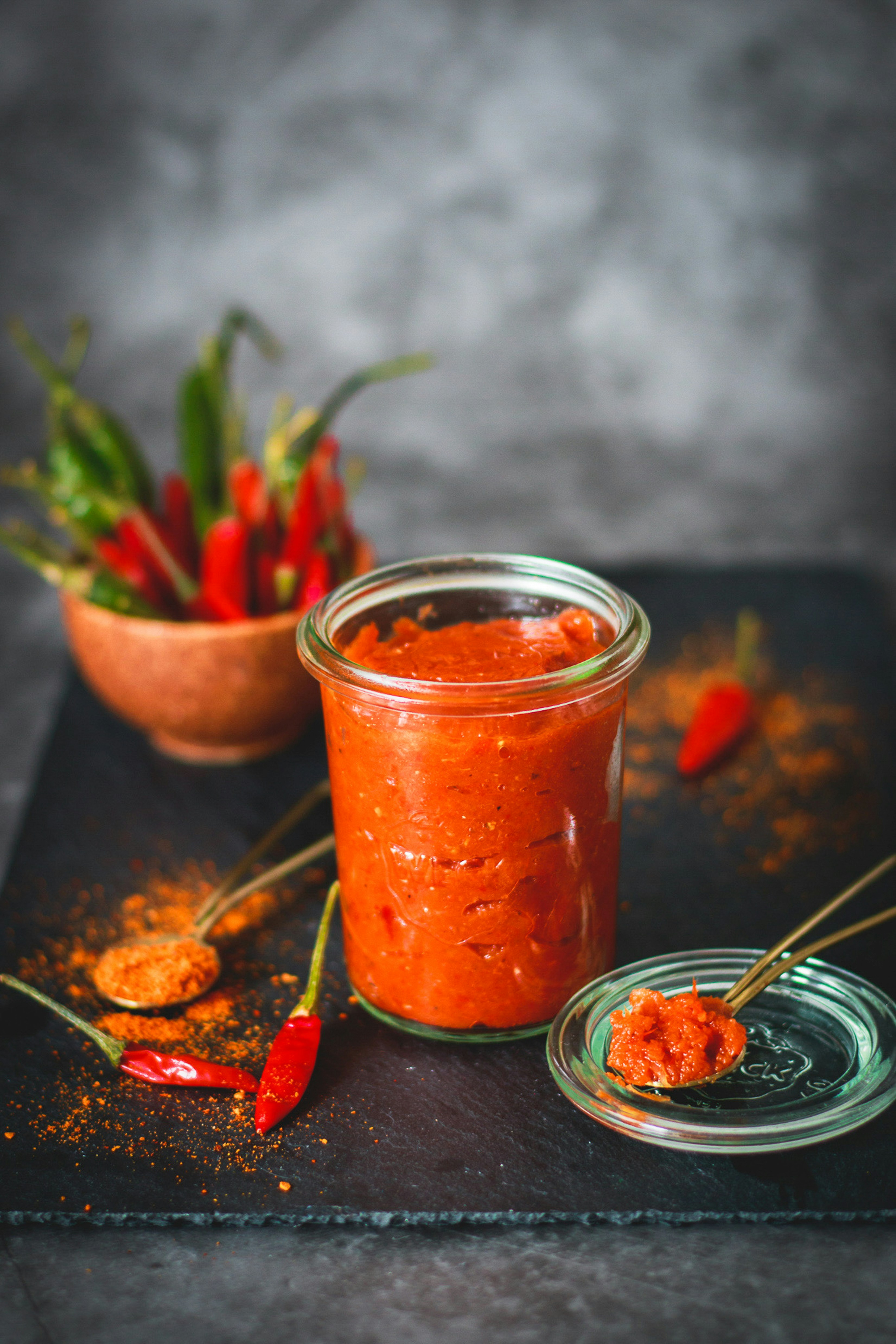
Spices play a crucial role in flavor balancing, particularly in their interaction with the four primary flavors: sweet, sour, salty, and umami. When incorporated thoughtfully, spices can either enhance or challenge these flavors, contributing significantly to the overall taste profile of a dish. Understanding how to balance spiciness with these fundamental flavors is essential for any culinary enthusiast looking to master the art of flavor balancing.
Spiciness, often characterized by the presence of compounds such as capsaicin and piperine, introduces a pungent heat that can accentuate sweetness or create a stimulating contrast with sour and salty profiles. For instance, adding a pinch of red chili flakes to a sweet and sour sauce can elevate the dish, allowing the sweetness to shine through without overwhelming the palate. This interplay between heat and sweetness can create a more complex and satisfying flavor experience.
In contrast, spiciness can also challenge the balance of flavors when used excessively. A dish that is overly spicy may obscure the subtlety of umami or overpower the intrinsic sweetness of certain ingredients. Therefore, it is vital to start with moderate amounts of spices, especially when preparing dishes where the base flavors must remain prominent.
Chinese cuisine offers a variety of spices that exemplify this balance. For instance, Sichuan peppercorns bring a unique numbing sensation that complements the salty and umami elements in dishes like Kung Pao chicken. Similarly, star anise and ginger can enhance sweetness while harmonizing with sour elements found in a traditional hot and sour soup. By experimenting with these spices, one can discover new dimensions of flavor and achieve a well-rounded dish.
FAQ: Clarifying Flavor Concepts
One of the most intriguing aspects of culinary arts is understanding the diverse range of flavors and their interactions. To begin with, umami is often described as the fifth taste, distinct from sweet, sour, salty, and bitter. In simple terms, umami can be defined as a savory flavor that imparts a sense of depth and richness to dishes. This flavor is predominantly found in foods rich in glutamate, an amino acid that naturally occurs in various ingredients. Essentially, umami enhances the overall taste experience by providing a satisfying and mouthwatering quality that can be both comforting and complex.
Another common inquiry revolves around the role of spiciness within the realm of flavor balance. Spicy elements, such as chili peppers, contribute a heat that can contrast or complement the primary flavors present in a dish. For instance, a sweet sauce paired with spicy elements can create an exciting interplay that elevates the overall flavor profile. Simultaneously, the use of heat can draw attention to other tastes, such as sourness or saltiness, allowing for a more dynamic dining experience. It is important to note that the perception of spiciness is subjective and can vary significantly among individuals, which is crucial to consider when crafting dishes for diverse audiences.
To enhance umami in culinary creations, various ingredients are renowned for their ability to elevate flavors. Common sources of umami include soy sauce, miso, and fermented products, all of which provide depth and richness that can transform a simple dish into a complex taste sensation. Additionally, ingredients like aged cheeses, cured meats, mushrooms, and ripe tomatoes also contribute significant umami notes. By incorporating these elements thoughtfully, cooks can achieve a harmonious balance of flavors, ensuring a fully rounded taste experience that delights the palate.