5 Secrets for a Moo Goo Gai Pan Recipe That Isn’t Bland (Restaurant Style)
Last Updated on 2025-11-29 by Suryo

The secret to an authentic Moo Goo Gai Pan recipe is mastering the delicate Cantonese “white sauce” technique. Unlike heavy, soy-based dishes, this stir-fry relies on a subtle blend of chicken broth, garlic, ginger, and rice wine to highlight the natural sweetness of the vegetables. Furthermore, you must “velvet” the thinly sliced chicken breast in cornstarch and egg white to ensure it remains impossibly silky and tender, never dry or stringy.
In a sea of deep-fried, heavy dishes like General Tso’s or Sweet and Sour Pork, Moo Goo Gai Pan stands out as a beacon of freshness. I remember my grandmother ordering this dish specifically to test the skill of a new chef; because there is no heavy batter or dark sauce to hide behind, every ingredient must be perfect. It is a dish that celebrates texture—the crunch of snow peas, the earthiness of mushrooms, and the slip of tender chicken. While it is often marketed as the “healthy option” on takeout menus, a truly great version feels indulgent simply because of how clean and refined the flavors are.
Many home cooks shy away from this dish because their attempts turn out watery and flavorless. This happens because they miss the nuances of the aromatics and the importance of high-quality stock. If you are serious about mastering authentic Chinese food, learning to execute a flawless white sauce is a rite of passage. It teaches you balance and restraint, two qualities that are essential for elevating your home cooking from “edible” to “exceptional.”
Decoding the Name: It’s All About the Mushrooms
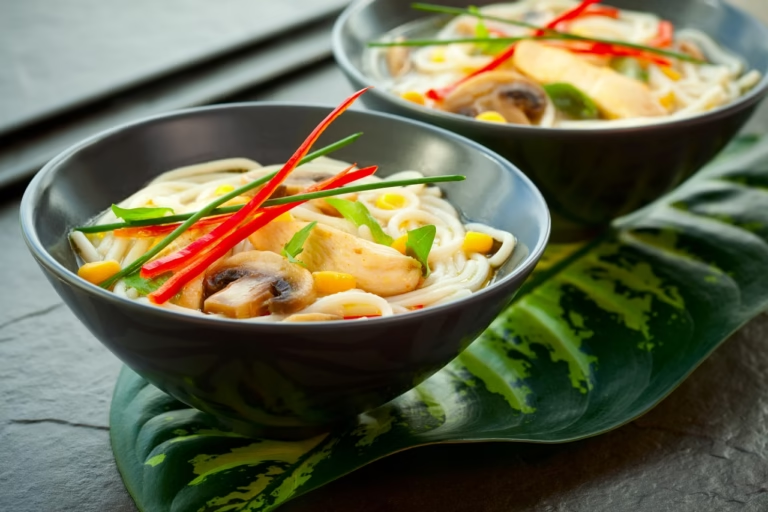
The name “Moo Goo Gai Pan” literally translates to “Mushroom Chicken Slices” in Cantonese. This tells us immediately that the mushrooms are not just a garnish; they are a co-star. A common mistake in a standard Moo Goo Gai Pan recipe is using soggy canned button mushrooms that taste like tin.
To capture the authentic spirit of the dish, try using fresh button mushrooms or, even better, fresh Shiitake or Straw mushrooms. Fresh mushrooms act like sponges, absorbing the savory garlic-infused chicken broth while releasing their own umami into the sauce. If you must use canned straw mushrooms for that retro takeout vibe, be sure to rinse them thoroughly and blanch them quickly to remove the metallic brine taste before stir-frying.
The Essential “White Sauce” Technique
The soul of this dish is the sauce, which is notably clear or slightly milky, rather than dark brown. This “White Sauce” is deceptively simple but difficult to perfect. It requires a base of high-quality chicken stock, infused with slices of ginger and garlic, and thickened slightly with cornstarch.
You must avoid Dark Soy Sauce completely here, as it will ruin the beautiful pale aesthetic. Instead, use a splash of Shaoxing wine for depth and perhaps a tiny drop of sesame oil at the end for aroma. The goal of your Moo Goo Gai Pan recipe is a glossy glaze that clings to the meat, not a soup that drowns it. If you are looking for a specific variation, our guide on Moo Goo Gai Pan: A Fresh and Healthy Chicken Stir Fry offers excellent ingredient ratios.
Velveting: The Cure for Dry Chicken
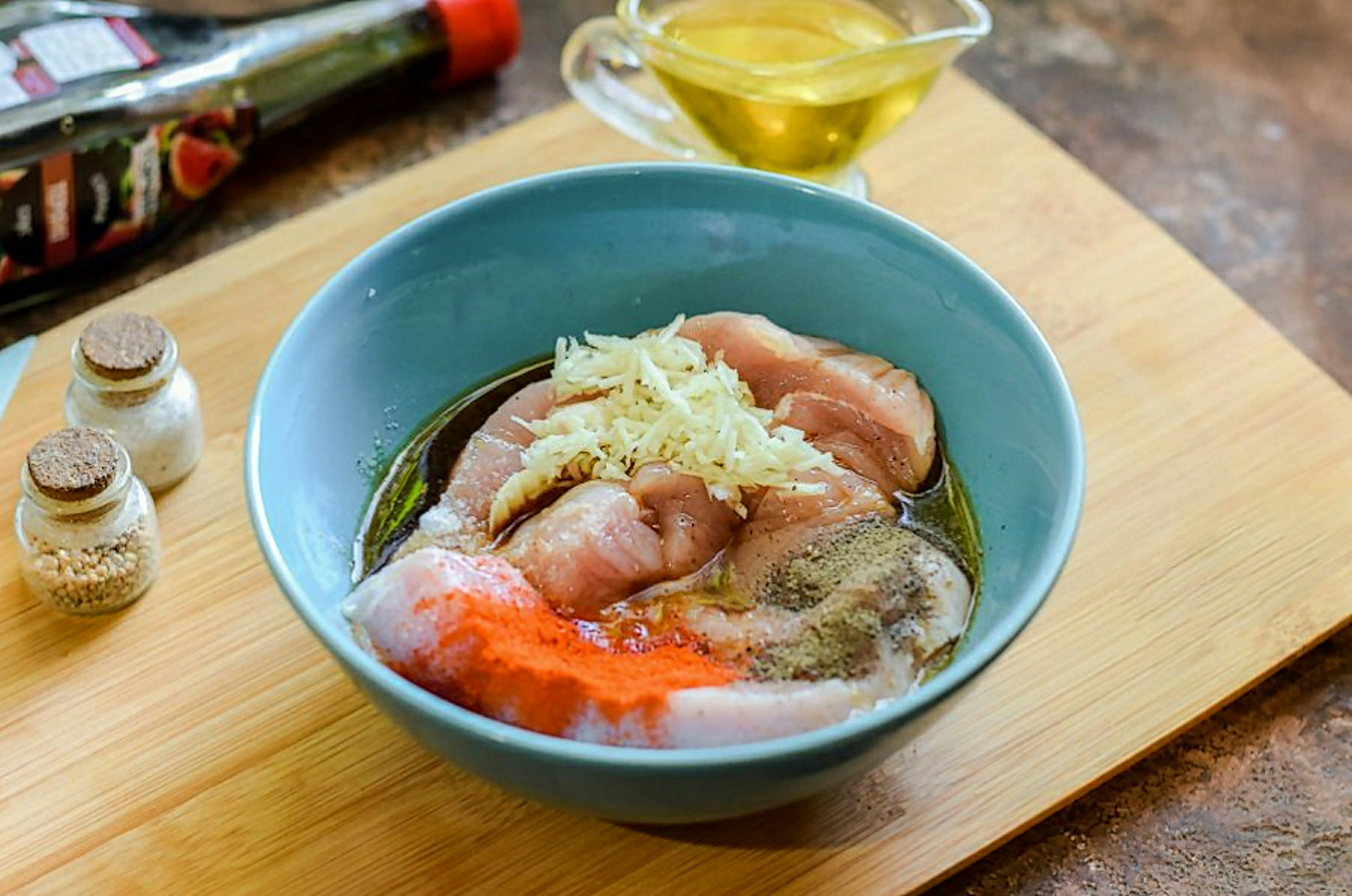
Chicken breast is notorious for drying out in a hot wok, turning into rubbery chunks that require aggressive chewing. The only way to achieve that slippery, tender texture found in restaurants is through “velveting.” This involves marinating thin slices of chicken in egg white, cornstarch, wine, and oil before cooking.
This coating protects the meat fibers from the harsh heat, essentially steaming the chicken from the inside while the outside sears. When executing your Moo Goo Gai Pan recipe, never skip this step. It transforms the lean protein into something luxurious. For a deep dive into the science of this method, food scientists at Serious Eats explain how the pH change helps tenderize the meat fibers.
Selecting the Vegetable Crunch
Since the sauce is mild and the chicken is soft, the dish relies on vegetables for textural contrast. Classic inclusions are snow peas, bamboo shoots, and water chestnuts. The “snap” of a fresh snow pea against the soft mushroom is critical to the eating experience.
Avoid overcooking these vegetables. They should be blanched briefly or stir-fried for just a minute or two to retain their vibrant color and crunch. Bamboo shoots, in particular, add a lovely fibrous crunch that is traditional to the dish. If you can find fresh winter bamboo shoots, they are superior, but canned slices work well if rinsed properly.
Assembly and Wok Hei
The final assembly of this dish is a fast-paced affair. You must have everything chopped and ready (mise en place) before you turn on the heat. Cook the chicken first, remove it, then cook the aromatics and vegetables.
Return the chicken to the pan and pour the pre-mixed sauce around the rim of the wok. The heat will thicken the cornstarch slurry instantly. Give it a few aggressive tosses to coat everything evenly. A successful Moo Goo Gai Pan recipe should look glistening and bright, not gloopy or heavy.
Conclusion: Simple, Healthy, Delicious
Moo Goo Gai Pan is proof that Chinese food doesn’t need to be heavy or spicy to be delicious. By focusing on quality ingredients and the velveting technique, you can create a Moo Goo Gai Pan recipe that is healthy enough for a weeknight dinner but impressive enough for guests. It is a classic for a reason.
Common Moo Goo Gai Pan Questions (FAQ)
- What implies that the chicken is fully cooked?
Since the chicken is sliced thinly, it cooks very fast (2-3 minutes). It should turn opaque white throughout. Do not overcook it, or the velveting won’t save it from dryness. - Can I make this dish gluten-free?
Yes. Simply swap the soy sauce for Tamari and ensure your Oyster sauce (if using a small amount) is gluten-free. Cornstarch is naturally gluten-free. - Why is my sauce cloudy?
A white sauce should be slightly opaque/cloudy—that is normal due to the cornstarch. However, if it looks muddy, you might have burned the garlic or used a stock that wasn’t clear. - Can I use chicken thighs?
Absolutely. While breast is traditional for the white color, thighs are juicier. Just trim the excess fat to keep the dish looking clean. - What can I substitute for water chestnuts?
If you can’t find them, jicama is an excellent substitute. It has the same crisp, white flesh and neutral flavor that absorbs the sauce well.