7 Best Non Alcoholic White Wine Substitutes Cooking
Last Updated on 2026-01-07 by Suryo

The Best Non Alcoholic White Wine Substitutes Cooking in most savory cooking applications is a strategic combination of chicken or vegetable broth and a small amount of white wine vinegar or lemon juice. The broth provides savory depth and mouthfeel, while the vinegar or lemon juice mimics the essential acidity that white wine contributes, ensuring the dish remains bright and balanced.
A Chef’s Guide to Flavorful Substitutions
Welcome to the kitchen. As a professional chef, I know that many home cooks believe white wine is an indispensable ingredient for creating deeply flavored sauces, risottos, and deglazed pans. While white wine undeniably adds a complex layer of acidity and subtle fruit notes, its absence doesn’t mean you have to compromise on taste. Whether you’re avoiding alcohol for health, religious reasons, or simply because you’ve run out, understanding the function of white wine in a recipe allows us to find exceptional alternatives.
When we cook with white wine, we are primarily seeking two things: acidity to balance rich fats and savory ingredients, and a complex liquid base for deglazing and building sauces. The alcohol itself acts as a flavor carrier, but much of it evaporates during cooking. The key to successful substitution is replicating these two elements—the acid and the depth—using non-alcoholic alternatives. The goal isn’t just to replace the liquid; it’s to replace the contribution it makes to the final flavor profile. For more insight into the principles of flavor pairing, a deeper understanding of food science can enhance your culinary skills.
Let’s explore the best non-alcoholic substitutes for white wine in cooking, moving beyond simple replacements to understand how to build complex, delicious flavors.
Understanding White Wine’s Role in Cooking
Before we swap out the wine, let’s quickly understand exactly what it’s doing in your dish. The primary role of white wine is to provide acidity. Acidity cuts through richness, brightens flavors, and prevents a dish from tasting flat or heavy. Think of a rich cream sauce; a splash of white wine (or a good substitute) prevents the cream from overwhelming all other ingredients.
The second key function is deglazing. When you sear meat or vegetables, brown bits called fond form on the bottom of the pan. This fond is packed with flavor. Wine (or another acidic liquid) is poured into the hot pan, instantly boiling and lifting these bits off the surface, integrating them into the sauce. This process, known as deglazing, creates the foundation for many classic dishes. The challenge for a substitute is replicating both of these complex effects in a single ingredient.
The Best Substitutes for White Wine: A Chef’s Breakdown
The choice of substitute depends heavily on the recipe you are preparing. Are you deglazing a pan for a savory chicken dish or making a light, fruity reduction for seafood? Use these guidelines to pick the perfect option for your specific application.
1. White Wine Vinegar (The Best Overall Choice for Acidity)
White wine vinegar is often the single best non-alcoholic substitute for white wine in savory applications. Unlike plain distilled vinegar, white wine vinegar retains a depth of flavor that closely mirrors the original wine, but without the alcohol. It brings the necessary acidity to cut through fat and add brightness.
When substituting, do not use a 1:1 ratio. Since vinegar is significantly more acidic than wine, you must dilute it. A general rule of thumb is to replace every cup of white wine with half a cup of chicken broth (or water) and 1 tablespoon of white wine vinegar. This ratio effectively mimics both the volume of liquid required for deglazing and the acidic punch of the wine itself.
2. Chicken or Vegetable Broth (For Depth and Umami)
For many recipes, particularly stews, risottos, or hearty sauces, white wine’s main role is as a flavor base. In these cases, a rich chicken or vegetable broth is an excellent choice. It adds depth and savory umami that plain water lacks, giving the sauce body and richness.
When using broth, look for low-sodium or unsalted varieties. This gives you greater control over the seasoning. If you find the dish lacks the brightness that white wine typically provides, try adding a small amount of lemon juice (about a teaspoon per half cup of broth) to reintroduce that essential acidity.
3. Lemon Juice (For Brightness and Seafood)
Lemon juice provides the strongest acidic punch of all substitutes. It works particularly well in seafood dishes where the bright, citrusy flavor enhances the natural sweetness of fish and shellfish. It also cuts through the richness of cream sauces and pan-seared scallops.
Be careful with the quantity. Lemon juice can quickly overpower a dish, turning it sour if used in excess. Start small, using only 1 tablespoon for every half cup of wine, and add more to taste. It’s also important to add lemon juice at the end of cooking, as prolonged heat can diminish its vibrant flavor.
4. White Grape Juice (For Fruity Flavor and Sweetness)
If the recipe calls for a fruity white wine (such as a Riesling or Moscato) or if you are looking to create a sauce with a slight sweetness, white grape juice is a reliable alternative. It works well in certain specific applications, especially when creating a pan sauce for chicken or pork.
Since grape juice contains natural sugars, it is significantly sweeter than most dry white wines. To balance this sweetness in savory dishes, always mix it with a splash of white wine vinegar or lemon juice (e.g., 1/2 cup grape juice mixed with 1 tsp vinegar) to mimic a drier wine profile.
5. Apple Cider Vinegar (For Tangy, Fruity Notes)
Apple cider vinegar offers a unique flavor profile that works exceptionally well with pork, chicken, and certain roasted vegetables. It has a fruitier, slightly sweeter edge compared to white wine vinegar, adding a subtle tangy dimension to the final dish.
Similar to white wine vinegar, apple cider vinegar needs dilution. Combine it with broth or water to match the required liquid volume, and add it sparingly. Because its flavor is distinct, start with a small amount (1 tablespoon per cup of liquid) and adjust based on whether you want the apple notes to be prominent.
6. Apple Juice (For Specific Sweet Applications)
Apple juice can be used similarly to white grape juice, offering a sweeter base for certain recipes, particularly those involving roasted chicken or pork. It provides a more delicate sweetness than grape juice and pairs well with autumnal spices like sage and thyme.
To avoid excessive sweetness, always combine apple juice with a contrasting acidic element, such as lemon juice or white wine vinegar. This blend helps to replicate the complexity of a dry white wine while retaining a non-alcoholic base.
7. Ginger Ale or Non-Alcoholic Sparkling Wine (The Wild Card)
This suggestion might surprise you, but non-alcoholic sparkling wine or a light-colored ginger ale can be used to deglaze a pan. The carbonation provides the vigorous bubbles necessary to lift fond from the pan’s surface during deglazing.
If using ginger ale, ensure you use a natural, non-syrupy brand and combine it with a more substantial liquid (like broth) afterward to create the sauce base. Be mindful of the sweetness; this works best in small amounts or in recipes that can handle a touch of sweetness.
Important Substitution Ratios and Quick Guide
| Substitute | Best For | Ratio (per 1 cup of white wine) | Chef’s Tip |
| :— | :— | :— | :— |
| White Wine Vinegar | Savory Sauces, Seafood, Deglazing | 1/2 cup broth + 1 tbsp vinegar | Dilute vinegar with broth or water to prevent overpowering acidity. |
| Chicken Broth | Risotto, Stews, Cream Sauces | 1 cup broth | Add 1 tsp lemon juice for brightness to balance savory notes. |
| Lemon Juice | Light Seafood Dishes, Pan Sauces | 1/2 cup broth + 1 tbsp lemon juice | Add at the end of cooking for maximum vibrant flavor. |
| White Grape Juice | Fruity Sauces, Pork, Chicken | 1/2 cup broth + 1/2 cup grape juice + 1 tsp vinegar | Balance sweetness by adding an acid like vinegar or lemon juice. |
| Apple Cider Vinegar | Pork Dishes, Pan Sauces | 1/2 cup broth + 1 tbsp ACV | Use sparingly for a subtle, tangy fruit note. |
How-To: Applying Substitutes in Key Cooking Scenarios
Knowing the right substitutes is only half the battle; knowing how to apply them correctly is essential. Let’s look at two common applications where white wine is typically used.
Scenario 1: Deglazing a Pan and Building a Pan Sauce
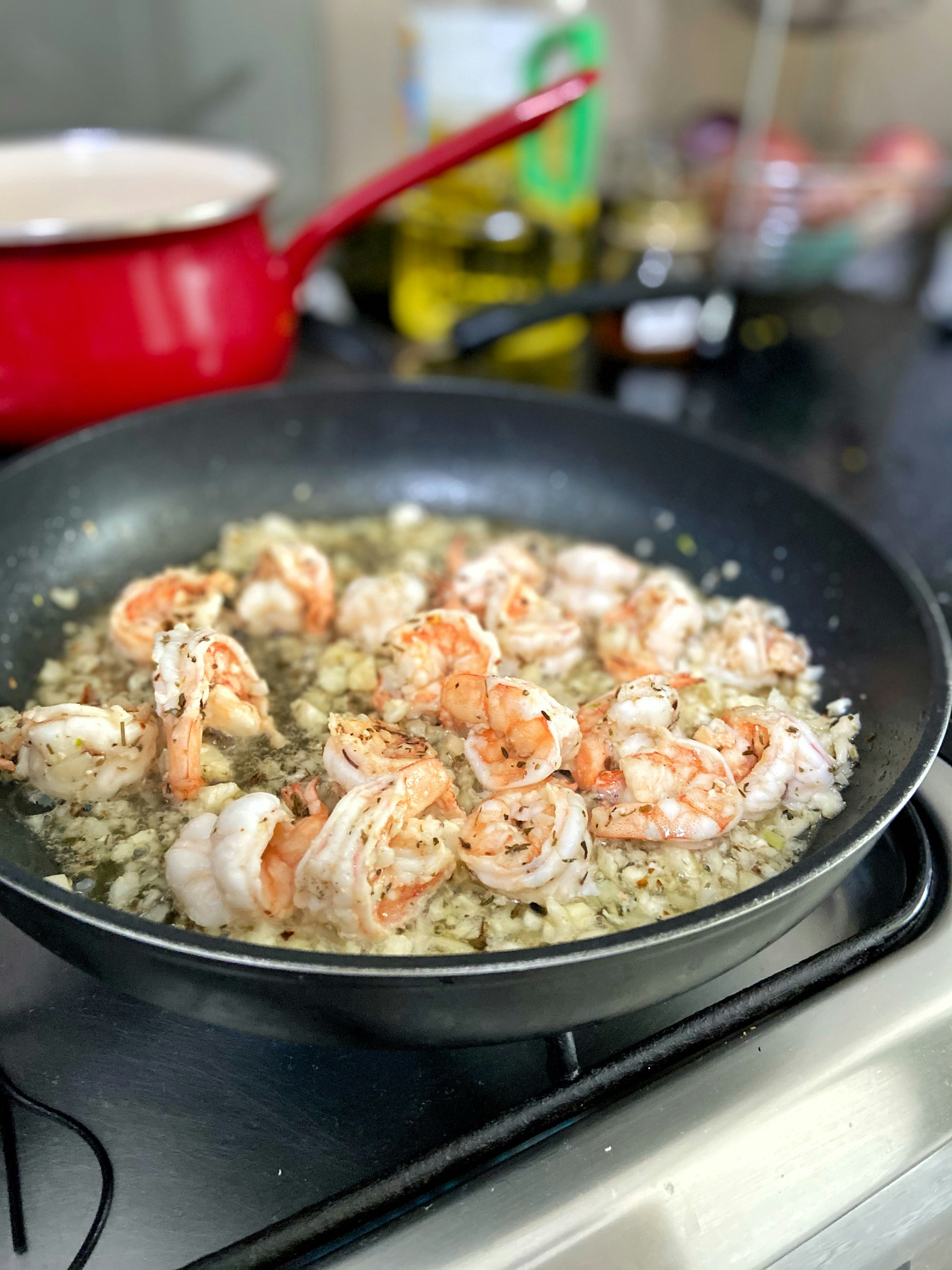
The classic process starts by searing meat or poultry, creating a flavorful fond on the bottom of the pan. The standard technique involves adding white wine to the hot pan to lift the fond. Here’s how to do it without alcohol:
After removing the seared meat from the pan, turn the heat to medium-low. Add 1 tablespoon of olive oil or butter to the pan, then sauté aromatics (like shallots, onions, or garlic) for 30 seconds. Next, add your chosen substitute combination—for example, 1/4 cup chicken broth mixed with 1 teaspoon of white wine vinegar. Scrape the bottom of the pan vigorously with a wooden spoon or spatula to release the fond. Allow the mixture to reduce by half before adding any cream or other sauce components. This ensures maximum flavor extraction from the fond.
For a richer sauce, replace the broth with mushroom stock or a non-alcoholic “mock” red wine reduction (made by reducing grape juice and balsamic vinegar). This provides deeper, more complex notes without needing the alcohol.
Scenario 2: Substituting in Risotto and Cream Sauces
Risotto and cream sauces rely on white wine to provide acidity that cuts through the starchiness of the rice or the richness of the cream. When making risotto, the typical technique involves toasting the arborio rice and then adding the wine to evaporate before adding the stock.
When substituting in risotto, omit the initial “wine evaporation” step. Instead, start adding the warm broth to the rice as soon as it’s toasted. To replicate the crucial acidity, simply add 1-2 teaspoons of white wine vinegar to the first ladleful of warm broth. As you stir in the subsequent ladlefuls, the acidity will distribute evenly, balancing the creamy starchiness of the finished dish. For cream sauces, add the substitute combination (broth + vinegar or lemon juice) at the very beginning, allowing it to reduce and infuse before incorporating the cream.
Natural Closing and FAQ
You don’t need to feel restricted by a recipe that calls for white wine. As a chef, I encourage you to see these substitutions not as compromises, but as opportunities to develop your culinary instincts. Understanding the role of acidity, depth, and flavor balance in cooking empowers you to create delicious dishes tailored to your preferences. The real secret to great cooking isn’t following a recipe perfectly; it’s understanding the fundamental principles behind it.
Frequently Asked Questions
Q: Does the alcohol burn off during cooking, making it safe for children or non-drinkers?
A: This is a common myth. While a portion of the alcohol does evaporate during cooking, the amount that remains depends heavily on the cooking time and heat level. A quick deglazing might retain as much as 80% of the alcohol, while a long-simmered stew can reduce it significantly. For true non-alcoholic cooking, it’s always safer to use substitutes.
Q: Can I use non-alcoholic wine instead of the substitutes you listed?
A: Yes, non-alcoholic wine can be a good substitute, but read the label carefully. Many non-alcoholic wines still contain trace amounts of alcohol (less than 0.5%) and often have added sugar to compensate for the flavor loss during de-alcoholization. While they replicate the flavor profile most closely, the substitutes listed above offer cleaner, more predictable results for non-alcoholic cooking.
Q: How do I substitute for red wine instead of white wine?
A: For red wine, the goal is to replicate a deeper, more robust flavor profile. The best substitutes are beef broth (for richness) and red wine vinegar (for acidity). For a truly complex flavor, combine reduced beef broth, a small amount of balsamic vinegar (for sweetness and depth), and a tiny splash of soy sauce (for umami). Avoid using grape juice in savory red wine dishes, as the sweetness tends to be too prominent.