How to Reducing Acrylamide in Roast Potatoes: The Crispy Guide
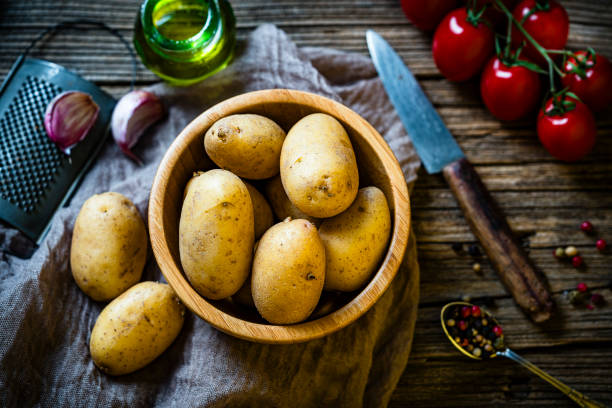
Reducing acrylamide in roast potatoes means taking specific actions to lower the chemical compound that forms during high-temperature cooking. The most effective method for how to reduce it involves soaking the cut potatoes in cold water to wash away surface sugars and starches before cooking, followed by roasting at slightly lower temperatures until they are a desirable golden color, rather than dark brown.
I’ll never forget the day I stood in my kitchen, oven mitts on, gazing into the oven at a tray of what I thought were perfectly roasted potatoes. They were dark brown, almost black in places—the color of a deep, caramelized crunch. They smelled incredible, that savory, starchy perfume that makes your mouth water. I pulled them out, fork poised for the first glorious bite, and then… I froze.
A scientist friend had recently explained the Maillard reaction to me, the beautiful chemistry that gives us flavor and browning, but he’d also mentioned a less glamorous byproduct: acrylamide. Until that moment, I’d thought “crispier and darker” always meant “better.” But suddenly, my beautiful, dark-brown potatoes looked less like a culinary triumph and more like a potential health hazard.
Now, don’t panic. This isn’t about giving up your favorite comfort food. This is about being smart in the kitchen, about understanding the science so we can outsmart it. I’m here to tell you that you absolutely can achieve that jaw-dropping, shatteringly crispy roast potato exterior without turning them dark brown or worrying about chemical compounds. We’re going to trade in the dark-mahogany roast for a brilliant, buttery golden-brown. It’s the difference between a good cook and a truly knowledgeable one. It’s all in the prep, my friend.
The Culinary Conundrum: Crispness vs. Chemistry in Your Roast Potatoes
Why are we talking about this in the first place? Well, the magic of a roast potato—that savory crust—comes from the Maillard reaction, which is essentially the browning of amino acids and reducing sugars under heat.
What is Acrylamide and Why Should We Talk About It?
Acrylamide is a chemical compound that can form in certain starchy foods, including potatoes, when they’re cooked at high temperatures (generally above or ). The key players in this formation are the amino acid asparagine and certain sugars (like glucose) that naturally occur in potatoes. The higher the heat and the longer the cooking time, especially when aiming for that deep-brown color, the more acrylamide can form.
Our goal when reducing acrylamide in roast potatoes is simple: limit the amount of these free sugars and control the temperature without compromising on the crunch. We want the Maillard reaction for flavor, but we need to stop it before it produces excessive amounts of the compound we’re trying to avoid.
The Gold Standard: Strategic Steps for Reducing Acrylamide in Roast Potatoes
This is the actionable blueprint. These four steps, when combined, are highly effective at reducing acrylamide in roast potatoes to safe, manageable levels, ensuring your spuds are perfect every time.
The Cold Soak Secret: Taming the Starch
This is arguably the most crucial step. Cut your potatoes into your desired roasting size (I prefer a rustic chunk). Then, submerge them completely in a bowl of ice-cold water for at least 30 minutes, though an hour is better if you have the time. Some experts suggest even an overnight soak.
Why it works: The cold water draws out the surface sugars and some of the loose starch. Since those sugars are a key component in the acrylamide reaction, removing them significantly lowers the risk. It’s a simple flush that makes a huge difference. After soaking, you absolutely must drain them and dry the potatoes thoroughly—pat them bone-dry with a clean kitchen towel or paper towels. If they aren’t dry, they’ll steam, not crisp.
Choosing Your Oil Wisely: A Matter of Smoke Point
When roasting at high temperatures, we need an oil that can handle the heat without breaking down, but since we are aiming for a slightly lower roasting temperature, we have some flexibility. Use an oil with a high smoke point, like light olive oil (not extra virgin), avocado oil, or refined canola oil.
Pro Tip: Avoid coating the potatoes in too much oil. A light, even coating is all you need. Too much oil can lead to a darker crust quicker, defeating the purpose of our careful temperature control.
Blanching Before Roasting: The Par-Cook Power Move
Instead of just tossing raw, soaked potatoes straight into the oven, give them a head start. Place the dried, soaked potatoes in a pot of heavily salted cold water, bring it to a boil, and let them simmer for about 5-8 minutes. They should be tender around the edges but still firm in the center.
Why it works: Par-boiling (or blanching) shortens the overall time the potatoes spend in the oven at high heat. Less time at the Maillard-inducing temperature means less chance for excessive acrylamide formation. It’s a scientific shortcut to a safer, faster roast.
The Temperature Sweet Spot: Low and Slow
Traditional recipes call for or even for a crispy roast. To successfully reduce acrylamide formation, we must lower the temperature. Aim for a moderate oven setting of ().
The catch: You’ll roast them for a little longer, perhaps 50-70 minutes, flipping halfway. The lower temperature gives you more control and allows the inside to cook beautifully while the exterior develops a beautiful golden crust, rather than a dark brown one.
The Fresh Market List: Your Arsenal for Low-Acrylamide Roasting
You can’t build a masterpiece without the right materials. This list focuses on ingredients that naturally aid in reducing acrylamide in roast potatoes.
1.5kg of Waxy or Medium-Starch Potatoes: Opt for varieties like Maris Piper, Yukon Gold, or new potatoes. High-starch Russets tend to have more sugars and asparagine, making them more prone to acrylamide formation.
Large pinch of Kosher or Flaky Sea Salt: Essential for the par-boiling water to season the potato from the inside out.
3-4 tablespoons of High-Heat Oil: I love the neutral flavor and high smoke point of refined Avocado Oil for this specific application.
A few sprigs of Fresh Rosemary and Thyme: These are not just for flavor; they help coat the potatoes and release aromatic oils as they roast.
3 cloves of Pungent Garlic: Smash them gently (don’t chop) to infuse the oil toward the end of the roasting process without burning.
Troubleshooting the Roast: Achieving Maximum Crunch at Low-Risk
You’ve followed the steps, but how do you guarantee that spectacular crunch without cranking the heat?
The Shake-Up Strategy for Fluffier Edges
After you drain the par-boiled potatoes, return them to the empty pot. Put the lid on and, with oven mitts, give the pot a vigorous shake for about 10-15 seconds.
Why it works: This intentionally scuffs up the soft, par-cooked edges of the potatoes, turning them into a starchy “slurry.” When this slurry hits the hot oil and the moderate oven heat, it crisps up into the spectacular, craggy, crunchy bits we all crave. This achieves maximum crispness at a lower temperature, a key technique for reducing acrylamide in roast potatoes.
Never Crowd the Pan: Airflow is Everything
Always use a large, shallow roasting pan and ensure the potatoes are arranged in a single, uncrowded layer. If you have too many potatoes, use two pans.
Why it works: If the potatoes are touching, the moisture they release creates steam, which raises the temperature inside the cluster and prevents the surface from drying out. Good air circulation is essential for promoting the crispy exterior and ensuring even, golden browning.
👨🍳 Pro Tip: For the absolute best golden color, wait until the last 5 minutes of roasting, and drizzle about a teaspoon of clarified butter (ghee) over the potatoes. Ghee has a high smoke point and a pure, nutty flavor that promotes a gorgeous, quick golden finish without needing dangerously high temperatures.
Ready to Serve? Embracing the Golden, Not Brown, Potato
There you have it—the art and science of the perfect, low-acrylamide roast potato. It’s not about giving up the food you love; it’s about cooking smarter. By understanding the roles of sugars, asparagine, and temperature, we take control of the kitchen. That golden, crunchy potato you pull from the oven is a testament to your knowledge, not just your technique. Serve them immediately, dusted with that beautiful flaky salt, and take a moment to savor the safest, crispiest roast you’ve ever made.
How does potato variety affect acrylamide formation?
Potato varieties with a naturally lower starch and sugar content, such as waxy or medium-starch potatoes (like Yukon Gold or Red Potatoes), will form less acrylamide than high-starch, high-sugar varieties like Russets, especially when roasted. Sticking to lower-sugar varieties is a powerful step in reducing acrylamide in roast potatoes.
Can I still use my favorite high-temperature oil?
Yes, absolutely. Using an oil with a high smoke point, like avocado oil or light olive oil, is still recommended because it remains stable at the required roasting temperature of and doesn’t break down into unpleasant flavors or compounds.
Does washing the cut potatoes before soaking help?
Yes, washing the cut potatoes briefly before placing them into the cold soak can remove the initial burst of surface starch. However, the subsequent cold water soak is the step that actively pulls out the internal free sugars over time, which is the primary driver for reducing acrylamide in roast potatoes.
How long can I safely roast potatoes?
At our recommended temperature of (), you can safely roast par-boiled potatoes for around 50-70 minutes, or until they reach a desirable golden-brown color. The crucial indicator is color: stop when they are golden, well before they turn a dark, mahogany brown.
Does adding an acid, like vinegar, impact acrylamide levels?
Yes, adding an acidic component can actually help. Research suggests that a slightly acidic environment can inhibit the chemical reaction that forms acrylamide. That’s why par-boiling your potatoes in slightly acidic liquid (like adding a touch of white wine vinegar to the water) can be another smart technique for reducing acrylamide in roast potatoes.