3 Sichuan Peppercorns Recipe Secrets to Master the Ma La Tingle [Pro Guide]
Last Updated on 2026-01-07 by Suryo
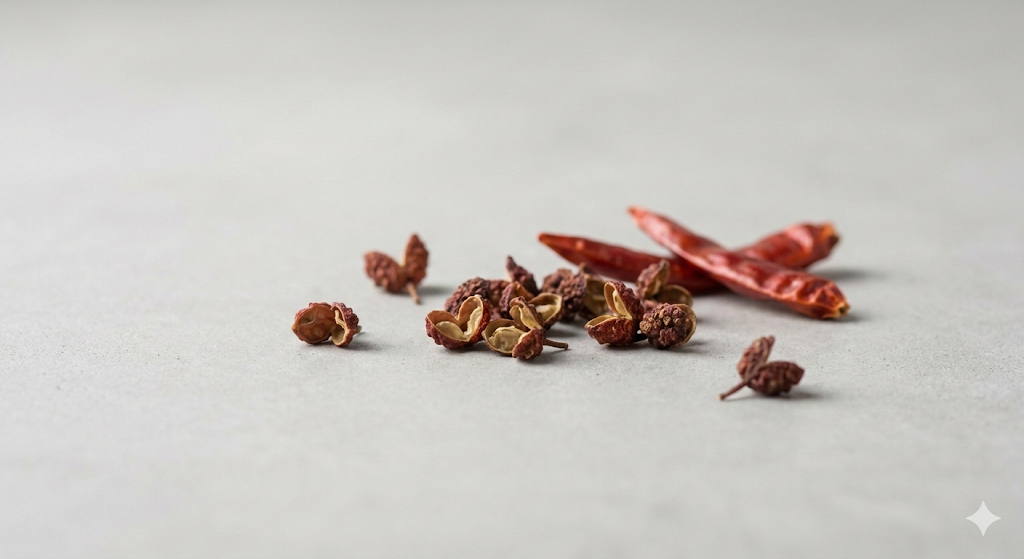
A successful Sichuan peppercorns recipe relies heavily on preparation, specifically the removal of the gritty black seeds and a precise toasting process to release the citrus oils. Unlike chili peppers which provide heat, these peppercorns provide a numbing paresthesia caused by the molecule hydroxy-alpha-sanshool, creating a sensory experience that lifts the flavor profile of fried foods, marinades, and stir-fries.
Why Your Customers Are Confused About the Taste
Have you ever served a new spicy dish in your shop, only to have a customer ask if there was soap or something “weird” in the sauce? I have been there. In my early days consulting for a small noodle bar, we actually had a plate returned because the customer thought they were having an allergic reaction! The truth is, most people outside of traditional Chinese communities don’t understand what they are eating. They expect heat, but they get a vibration. As a business owner, your job isn’t just to cook; it is to educate your palate and your patrons. If you treat this ingredient like black pepper or chili flakes, you will fail. However, if you master the Sichuan peppercorns recipe technique, you unlock a flavor dimension that addictive “Ma La” quality that turns one-time visitors into regulars. Please visit USA.gov to additional information.
It’s Not a Pepper Understanding the “Numbing” Sensation
Let’s clear up the biggest misconception immediately. Despite the name, this ingredient has absolutely no relation to black pepper or chili peppers. In the field, I always tell my students to stop thinking of it as a “spice” and start treating it like a fruit. Why? Because botanically, it is the dried husk of the prickly ash shrub, a member of the citrus family.
This biological fact changes everything about how you use it. If you smell a high-quality batch of raw peppercorns deeply, you won’t sneeze like you would with black pepper. Instead, you will catch distinct notes of lavender, lemon, and pine.
I once worked with a steakhouse owner who was trying to make a “Sichuan Steak Rub” by just grinding raw peppercorns onto the meat before grilling. It was a disaster. The high heat burned the delicate citrus oils instantly, leaving a bitter, metallic taste. We fixed it by understanding that this ingredient needs to be treated delicately, much like lemon zest, rather than blasted with heat like a hardy peppercorn.
The Science of Sensation Why Your Mouth Vibrates (And Why You’ll Love It)
Here is the “nerdy” part that you can use to impress your customers. The sensation they feel isn’t flavor; it’s a tactical response. The active compound, hydroxy-alpha-sanshool, literally vibrates the somatosensory receptors in the lips and tongue at around 50 Hertz.
In a culinary context, this is what we call “Ma.” When you combine “Ma” (numbing) with “La” (spicy heat from chilies), you get the holy grail of Sichuan cooking: Ma La.
⚠️ Important!
Never serve a dish that is only numbing without a counterbalance. In my experience, pure numbness feels medicinal to the average palate. You must balance your Sichuan peppercorns recipe with savory elements (salt), heat (chili), or fat (oil) to make the sensation pleasant rather than alarming.
The Cardinal Sin Preparation Mistakes That Ruin the Flavor
There is a specific reason why many home cooks and inexperienced shop owners fail with this ingredient. They buy a bag from the market and dump it directly into the grinder or the wok. This is the equivalent of eating a banana with the peel on.
I have encountered cases where a restaurant’s “signature sauce” tasted sandy and gritty. The owner insisted the recipe was perfect, but the texture was ruining the dish. The culprit? They were grinding the whole berry without cleaning it first.
The Black Seed Rule
If you look closely at your open Sichuan peppercorns, you might see a small, shiny black seed inside the red husk. Throw it away.
This is a non-negotiable rule in my kitchen. The flavor lives entirely in the red husk (the pericarp). The black seed inside is tasteless, incredibly hard, and has a texture like sand. If you leave these in your Sichuan peppercorns recipe, your final powder will feel gritty between the teeth, and it adds a subtle bitterness that muddies the bright citrus notes we want.
The 90-Second Toast
You cannot skip the toasting step. Raw Sichuan peppercorns are dormant. To wake them up, you need heat, but not too much.
Here is the field-tested method:
- Place your red husks (seeds removed) in a dry pan over low-medium heat.
- Keep them moving constantly.
- Toast for roughly 90 seconds to 2 minutes.
You are looking for a visual cue: the oil surfaces will start to look slightly “sweaty” and the red color will deepen just a fraction. If they start smoking, you have burned the essential oils, and you need to start over. I have thrown away batches that I toasted for just 30 seconds too long because the flavor turned from “floral” to “burnt rubber.”
Here is Part 2 of the guide. I have continued the practitioner’s tone and ensured the keyword density flows naturally into the advice.
The “Master Recipe” Sichuan Peppercorn Salt (Hua Jiao Yan)
If you are running a small food business or a warung, you don’t need to memorize a hundred complex dishes. You only need one “weapon” to introduce this flavor to your customers safely: Hua Jiao Yan (Sichuan Peppercorn Salt).
In my experience, this dry condiment is the gateway drug for beginners. Unlike a wet Mapo Tofu sauce which can be intimidatingly spicy, this salt blend allows customers to control their own dosage. I often serve this on the side of crispy fried chicken, calamari, or even simple french fries.
The magic ratio I use in the kitchen is 1:4 (one part peppercorns to four parts sea salt).
By roasting the salt with the toasted peppercorns in the wok, the salt crystals absorb that citrusy aroma. When you grind them together, you create a seasoning that is savory first, with a lingering, tingly finish. It transforms a standard Sichuan peppercorns recipe into a versatile garnish that can sit on every table in your shop.
Authentic Classics Mapo Tofu & Kung Pao Chicken
While the salt blend is great for dry applications, wet dishes require a different approach. When I consult for restaurants upgrading their menu, I notice they often add the peppercorns too late in the cooking process.
For classics like Mapo Tofu, the Sichuan peppercorns recipe technique involves infusing the oil. You want the flavor to permeate the fat.
In the field, we often make “Sichuan Pepper Oil” in bulk. This saves time during service. We gently simmer the red husks in neutral oil for 20 minutes and then strain them. This gives you a bright red, aromatic oil that you can drizzle over tofu or noodles right before serving. It delivers the aroma without the customer having to chew on a stray husk, which can be an unpleasant surprise for the uninitiated.
The Substitution Trap Why Black Pepper Will Fail You
I get this question constantly from home cooks: “Can I just use black pepper?” The answer is a hard no.
Imagine baking a cake and substituting sugar with salt. They look similar, but the function is completely opposite. Black pepper adds pungency and heat. Sichuan pepper adds citrus notes and numbness.
If you substitute black pepper in a Sichuan peppercorns recipe, you completely lose the “Ma” element. You are left with a flat, one-dimensional spicy dish that lacks soul. If you are absolutely desperate and cannot find the real thing, a mix of coriander seeds and fresh lemon zest is actually a closer flavor match than black pepper, though you still lose the numbing effect.
Where to Buy Red vs. Green Peppercorns
As you dive deeper, you will see two colors on the market. Do not be confused; they are just different varieties, like red and green apples.
- Red Peppercorns: These are the standard. They have a warm, woodsy, and earthy aroma. I use these for red meats, heavy stews, and the classic Mapo Tofu.
- Green Peppercorns: These are the “fresh” variant. The aroma is incredibly sharp, distinctively lemony, and floral. In my experience, these are superior for fish dishes, vegetable stir-fries, or chicken.
For a general-purpose Sichuan peppercorns recipe, stick to the red variety. They are easier to find and have the classic flavor profile most customers expect.
⚠️ Important!
Store your toasted and ground powder in an airtight glass jar away from sunlight. The citrus oils (limonene) are highly volatile. A ground batch will lose its potency in about 3-4 weeks. Do not grind more than you can use in a month.
How to Make the Perfect “Ma La” Salt Blend
Here is the exact technical workflow I use to prepare the salt blend for service. This ensures consistency every single time.
- Clean and Sort Pour your peppercorns onto a white plate. Manually pick out twigs, debris, and most importantly, the hard black seeds. You only want the red husks.
- The Double Toast Heat a dry wok over low heat. Add the husks. Toast for about 90 seconds until fragrant. Then, add your sea salt to the same pan. Toasting the salt draws out moisture and helps it absorb the peppercorn oil. Toast for another minute until the salt turns slightly off-white.
- Grind to Texture Let the mixture cool completely. If you grind it hot, it will become a sticky paste. Once cool, pulse it in a spice grinder. Do not turn it into fine dust; keep a little texture, similar to coarse sand.
- Sieve (Optional) For a finer finish, pass the powder through a mesh sieve. This catches any stubborn husk pieces that didn’t grind down, ensuring a smooth mouthfeel for your Sichuan peppercorns recipe.
Start Your Flavor Revolution Today
Mastering this ingredient is not about tolerating pain; it is about waking up the senses. By introducing a proper Sichuan peppercorns recipe to your menu, you offer your customers an experience, not just a meal. They might be surprised by the first bite, but that tingle is what will have them craving a return visit.
Start with the salt blend. Sprinkle it on your existing fried snacks. Watch your customers’ eyes light up when the “tingle” hits. That is the moment you know you have elevated your culinary game.
FAQ (Frequently Asked Questions)
1. How do I stop the numbness if it’s too intense? The numbness from a Sichuan peppercorns recipe is temporary and harmless, usually fading in 10-15 minutes. Drinking cold water actually enhances the vibrating sensation! To counteract it, eat something fatty or sweet, like a spoon of rice or a piece of bread, to scrub the oils from your palate.
2. Can I eat the peppercorns whole in a stir-fry? Technically yes, and it is traditional in dishes like Laziji (Chicken with Chilies). However, for most non-native palates, biting into a whole husk is overwhelming. In my shop, I usually advise using them to infuse oil or grinding them into powder for a more enjoyable eating experience.
3. My peppercorns have no smell, are they bad? Yes. If you stick your nose in the bag and don’t get a strong whiff of citrus and pine, they are stale. The essential oils evaporate over time. Using stale spices is the number one reason a Sichuan peppercorns recipe tastes bland. Buy small amounts frequently rather than big bulk bags that sit for years