7 Key Soy vs Hoisin vs Oyster Difference Facts to Save Your Menu
Last Updated on 2026-01-07 by Suryo
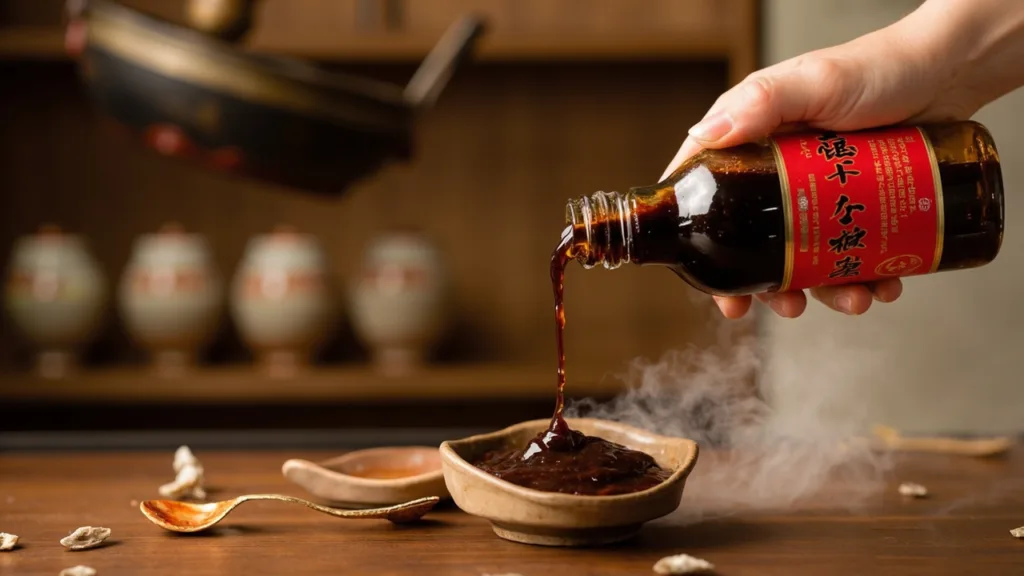
Soy vs Hoisin vs Oyster difference lies primarily in their texture, base ingredients, and heat reaction. Soy Sauce is a thin, liquid salt substitute made from fermented soybeans used for seasoning and marinating. Oyster Sauce is a thick, savory (umami) enhancer derived from oyster extracts that adds glossy body to stir-frys. Hoisin Sauce is a sweet, spicy, paste-like glaze often called “Chinese BBQ sauce,” containing garlic and star anise, which burns easily if exposed to high heat for too long.
Soy vs Hoisin vs Oyster Difference The Ultimate Guide to Avoiding Kitchen Disasters
Have you ever wondered why your stir-fry ends up watery while the restaurant down the street serves theirs with a rich, glossy coating that clings perfectly to the noodles? Or perhaps you’ve had a customer complain that a dish tasted “burnt” or “too sweet” when you followed the recipe exactly?
In my 15 years of consulting for food businesses and running my own kitchens, I have seen this scenario play out more times than I can count. A talented home cook opens a small warung or food stall, but they treat these three dark bottles as interchangeable “Asian flavorings.” They are not. Mistaking the Soy vs Hoisin vs Oyster difference isn’t just a matter of taste; it’s a matter of chemistry. Using the wrong one can break your sauce’s emulsion, burn your garlic before the meat is cooked, or even trigger a serious shellfish allergy in a customer.
This guide isn’t just about flavor notes. It is about the operational reality of using these sauces in a commercial or high-volume kitchen. We are going to look at how they react to heat, how they affect your food cost, and how to use them to build a loyal customer base.
FDA.gov highlights the importance of understanding food labeling and ingredients for safety, which is crucial when dealing with potential allergens like those found in oyster sauce.
The Brown Sauce Confusion And Why Texture Matters More Than Taste
When you pour them into a ramekin, they might all look like “dark brown liquid.” But in a hot wok, they behave completely differently.
In the field, it often happens that a line cook tries to fix a bland dish by dumping more soy sauce into the pan. The result? A salty, inedible soup. Why? Because soy sauce has zero thickening power. On the flip side, I’ve seen business owners try to save money by using cheap Hoisin instead of Oyster sauce in a savory beef broccoli dish. The sugar in the Hoisin caramelizes too fast, resulting in a bitter, charred aftertaste that customers hate.
Understanding the viscosity (thickness) is your first step to mastery.
- Soy Sauce: Think of it like water. It evaporates and concentrates flavor.
- Oyster Sauce: Think of it like liquid glue. It binds ingredients together.
- Hoisin Sauce: Think of it like honey or ketchup. It sits on top of the food as a glaze.
The Breakdown What Is Actually in the Bottle
To master the Soy vs Hoisin vs Oyster difference, you need to know what you are actually paying for. This impacts your food cost and your flavor profile.
Soy Sauce The Liquid Salt
This is the backbone of Asian cooking. It is brewed from fermented soybeans, roasted grain (wheat), water, and salt.
From a business perspective, Soy Sauce is your “seasoning agent.” It penetrates the meat. When we marinate chicken for a satay or stir-fry, we use soy sauce because its thin viscosity allows it to soak deep into the muscle fibers. It provides the base saltiness.
⚠️ Important!
Never rely on Soy Sauce to create a “sauce” or gravy. It is too thin. If you want that thick gravy texture, you must combine Soy Sauce with a starch slurry (cornstarch + water).
Hoisin Sauce The Chinese BBQ Glaze
Hoisin is the rebel of the group. It is NOT just a salty sauce; it is a complex flavor bomb. The name “Hoisin” actually means “Seafood” in Cantonese, but ironically, it contains no seafood.
It is made from fermented soybean paste, garlic, vinegar, sesame oil, chilies, and a lot of sugar or sweet potato starch.
Real World Insight: I once helped a client who was struggling with their “Peking Duck” rolls. They were using a mix of soy and sugar because they ran out of Hoisin. The customers stopped buying. Hoisin has a distinct fennel and star anise flavor profile that cannot be mimicked by just sugar. It is thick, sticky, and acts more like a dip or a glaze than a cooking sauce.
Oyster Sauce The Umami Thickener
This is the secret to that “restaurant-quality” gloss. Traditionally, it was made by slowly simmering oysters until the liquid caramelized into a thick, brown goo.
Today, commercial versions (especially the ones affordable for small businesses) are mostly water, sugar, salt, cornstarch, and “oyster extract.”
Practitioner’s Tip: The Soy vs Hoisin vs Oyster difference is most obvious here—Oyster sauce is savory but mild. It doesn’t have the sharp bite of soy or the intense sweetness of Hoisin. It brings Umami (savoriness) and Body. If you are making Cap Cay or Beef Black Pepper, Oyster sauce is non-negotiable because it coats the vegetables and makes them shine.
The Taste Test Profile
If you are training your staff, have them do a raw taste test. It is the fastest way to understand the Soy vs Hoisin vs Oyster difference.
| Feature | Soy Sauce | Hoisin Sauce | Oyster Sauce |
| Primary Taste | Sharp, Salty, Metallic | Sweet, Tangy, Spiced (Anise) | Savory (Umami), Briny, Mildly Sweet |
| Texture | Water-like, Runny | Paste-like, Grainy, Sticky | Syrupy, Smooth, Glossy |
| Best Used For | Marinating, Dipping, Seasoning | Glazing, Dipping, BBQ | Stir-frying, Braising, Stewing |
| Heat Tolerance | High (Evaporates) | Low (Burns easily) | Medium (Separates if boiled too long) |
In my experience, 80% of “bad” stir-frys happen because the cook confuses the purpose of the sauce. They want sweetness, so they add Oyster sauce (wrong). They want thickness, so they reduce Soy sauce (wrong—it just gets too salty).
Cooking Physics Heat Viscosity and Burn Rates
This is where the theory meets the fire. The Soy vs Hoisin vs Oyster difference dictates when you add the sauce to the pan. This is critical for line efficiency in your shop.
1. Soy Sauce: Early Addition
You can add soy sauce at the beginning of the cooking process. Since it is mostly water and salt, it can handle high heat. In fact, adding soy sauce to a hot wok creates “Wok Hei” (breath of the wok), that smoky aroma we all love. It creates a steam that infuses the vegetables.
2. Oyster Sauce: Mid-to-Late Addition
Oyster sauce contains starches. If you add it too early and let it boil vigorously for 10 minutes, the starch breaks down, and your sauce will turn runny again.
- My Advice: Add Oyster sauce in the last 2 minutes of cooking. Toss it through the noodles or vegetables just enough to heat it up and coat everything. This preserves that beautiful gloss.
3. Hoisin Sauce: The “finishing” Touch or Low Heat
This is the danger zone. Hoisin has a very high sugar content.
- Field Fail: I’ve seen cooks marinade chicken wings in pure Hoisin and then throw them on a high-heat grill. Within 30 seconds, the outside is black/burnt, and the inside is raw.
- The Fix: Use Hoisin as a finishing glaze (brush it on at the end) or use it in dishes that are cooked with indirect heat. If you use it in a stir-fry, keep the wok moving constantly so the sugars don’t stick and char.
The Allergy Trap Dietary Restrictions You Must Know
This is the section where the Soy vs Hoisin vs Oyster difference stops being about flavor and starts being about safety. As a business owner, you cannot afford to be ignorant here. A lawsuit or a severe allergic reaction can shut down your shop faster than bad reviews.
In the field, I have seen menus labeled “Vegetarian Stir-Fry” that were cooked with Oyster Sauce. This is a massive error.
- Oyster Sauce = Shellfish Risk. Real oyster sauce contains oyster extracts. Even though it is processed, it can trigger anaphylaxis in people with shellfish allergies.
- The Fix: If you serve a diverse crowd, buy a bottle of “Mushroom Stir-Fry Sauce” (Vegetarian Oyster Sauce). It mimics the texture and umami using Shiitake mushrooms and is safe for both vegetarians and those with shellfish allergies.
- Soy Sauce = Gluten Risk. Many beginners forget that soy sauce is brewed with wheat. It is not gluten-free.
- The Fix: Keep a bottle of Tamari on hand if you want to market to the gluten-free crowd.
- Hoisin Sauce = The “Safe” Bet? Generally, Hoisin is vegan and shellfish-free (mostly fermented soybeans and spices). However, because it often shares factory lines with shrimp paste products, you must check the label for “May contain traces of shellfish.”
The Substitution Survival Guide
You are in the middle of a dinner rush. You reach for the Oyster sauce, and the bottle is empty. Panic sets in. Can you just swap in Hoisin?
Absolutely not.
Because of the stark Soy vs Hoisin vs Oyster difference in sugar levels, a direct swap will ruin the dish. However, you can create “emergency hacks” if you understand the chemistry.
1. The “Fake” Oyster Sauce (For Savory Thickness)
If you need the body of oyster sauce but only have soy, you need to add sugar (for glaze) and starch (for thickness).
- Formula: 1 tbsp Soy Sauce + 1 tsp Sugar + ½ tsp Cornstarch dissolved in a little water.
- Result: It won’t have the deep seafood complexity, but it will coat the noodles correctly.
2. The “Mock” Hoisin (For BBQ Glaze)
If you are out of Hoisin, do not use Oyster sauce—it is too salty and not sweet enough.
- Formula: 1 tbsp Soy Sauce + 1 tbsp Honey/Molasses + 1 pinch of Five-Spice Powder + 1 tsp Peanut Butter (optional, for texture).
- Result: This mimics the thick, spiced sweetness of Hoisin surprisingly well.
How To Create A Balanced “Master Sauce” (Step-by-Step)
Instead of guessing every time, I advise my consulting clients to pre-mix a “Master Stir-Fry Sauce” that balances the Soy vs Hoisin vs Oyster difference perfectly. This ensures consistency no matter who is cooking in your kitchen.
- Start with the Body (Oyster): In a large bowl, pour 1 cup of Oyster sauce. This provides the viscosity and base umami so your stir-fry isn’t watery.
- Add the Salt (Soy): Add ½ cup of Soy Sauce. This thins out the oyster sauce slightly and provides the sharp salty kick that cuts through the grease of the oil.
- Add the “Top Note” (Aromatics/Sweetness): Add 2 tablespoons of Hoisin sauce (optional) or Sweet Soy Sauce (Kecap Manis). This adds a complex, caramelized color and a hint of sweetness to balance the salt.
- Stabilize: Add 1 tablespoon of sesame oil and a pinch of white pepper. Whisk thoroughly. Store this in a squeeze bottle. Now, your line cooks just need to squeeze 2 tablespoons of this “Master Sauce” into every portion, ensuring perfect flavor every time.
⚠️ Important! Always store your Hoisin and Oyster sauces in the fridge after opening! Unlike Soy Sauce (which is high in salt and stable at room temperature), the sugar and protein content in Hoisin and Oyster sauce can grow mold if left out in a hot kitchen for weeks.
Frequently Asked Questions
Q: Can I use Kecap Manis (Sweet Soy Sauce) instead of Hoisin? A: They are cousins, but not twins. Kecap Manis is simply soy sauce with palm sugar (molasses flavor). Hoisin is more complex with garlic, chili, and star anise. If you substitute Kecap Manis for Hoisin, you will get the sweetness and color, but you will miss that signature “spiced” aroma. You should add a pinch of garlic powder and five-spice to bridge the gap.
Q: Why does my Hoisin sauce taste bitter in my stir-fry? A: You likely added it too early. As discussed in the Soy vs Hoisin vs Oyster difference section regarding heat, Hoisin is high in sugar. If it touches the hot metal of a wok without enough liquid or meat to buffer it, it caramelizes instantly and burns. Add it towards the end or mix it with a little water before adding it to the pan.
Q: Which brand is best for a startup business? A: Don’t get hung up on premium “gold label” brands yet. For a business, you need consistency. Brands like Lee Kum Kee or Kikkoman offer specific “Professional” or “Food Service” lines that are cheaper in bulk (jerry cans) and maintain a consistent flavor profile, which is crucial for your standard operating procedures (SOP).
Your Sauce Is Your Signature
At the end of the day, understanding the Soy vs Hoisin vs Oyster difference is what separates a home cook from a professional kitchen manager. It is not just about dumping brown liquid into a pan; it is about controlling texture, managing food costs, and keeping your customers safe from allergens.
Don’t be afraid to experiment. Buy all three bottles, taste them raw, burn them in a pan (on purpose!), and see how they react. Once you master these three pillars of Asian cuisine, you will have the confidence to create any menu item you can dream up. Your customers might not know why your food tastes better than the competitor’s, but they will taste the balance. And that is what keeps them coming back.
Ready to upgrade your kitchen operations further? Check out our next guide on Rice Flour vs. Tapioca Starch for crispy fried batters!