
10-Minute Stir Fried Bok Choy Recipe The Secret to Wok Hei at Home
Last Updated on 2025-12-20 by Suryo
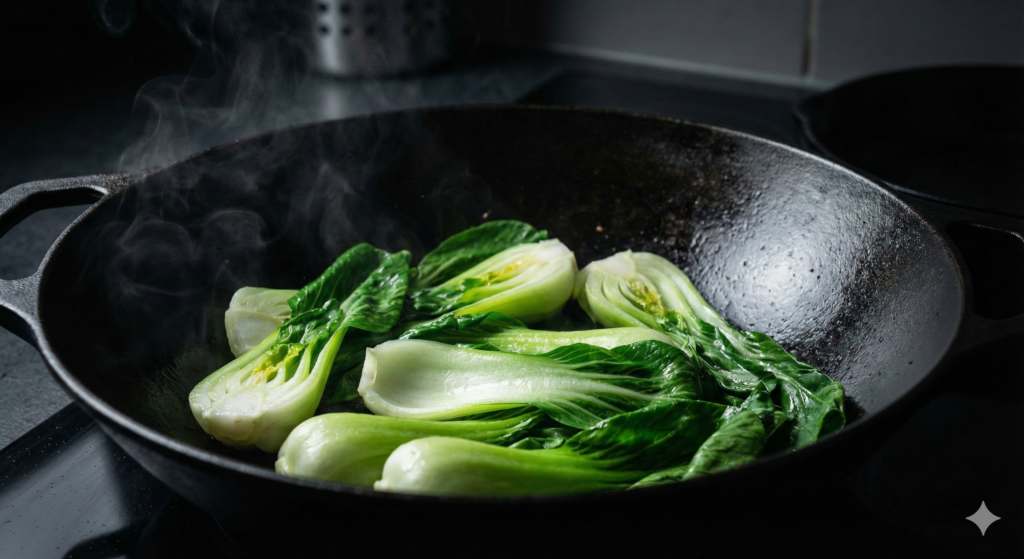
Stir Fried Bok Choy Recipe is a rapid, high-heat cooking method designed to retain the vegetable’s crunch while infusing it with aromatics like garlic and ginger. The secret to restaurant-quality texture isn’t just the sauce; it is strictly removing surface moisture before cooking and separating the dense white stems from the delicate green leaves to ensure even cooking.
The Soggy Vegetable Syndrome Why Most Home Stir-Fries Fail
We need to be honest about why your homemade Chinese food rarely tastes like it does at your favorite takeout spot. It is not because they have magic ingredients; it is because they have jet-engine burners. In my fifteen years of working in and around professional kitchens, I have seen wok burners that output 100,000 BTUs. Your home stove? It likely tops out at 12,000.
This massive heat difference creates a problem I call the “Soggy Vegetable Syndrome.” When you throw wet vegetables into a pan that isn’t hot enough, the water evaporates slowly, steaming the greens instead of searing them.
However, you can cheat the physics. Through trial and error in my own home kitchen, I found that moisture is the enemy. If you wash your greens and throw them straight into the pan, you are doomed to a watery plate. The most critical step in this Stir Fried Bok Choy Recipe is drying your vegetables thoroughly. If you don’t have a salad spinner, use a clean kitchen towel. If the vegetable is dry, even a modest home burner can create that coveted sear.
⚠️ Important! Never crowd the pan. If you pile too much bok choy in at once, the temperature of the pan drops instantly. Cook in two batches if you have a small skillet.
Preparation The Separation Technique for Perfect Texture
Many recipes tell you to chop the bok choy and throw it all in at once. In my opinion, this is a culinary crime. The white stems are thick and full of water, functioning almost like celery, while the green leaves are as delicate as spinach.
If you cook them together for the same amount of time, you either get raw, hard stems or slimy, overcooked leaves. Therefore, effective preparation requires separation.
Why Your Bok Choy Tastes Bitter (And the 30-Second Fix)
You might have noticed a metallic or bitter aftertaste in some Asian greens. This often concentrates in the stem. To mitigate this, cut the stems into bite-sized pieces or slice them lengthwise to increase the surface area. This allows the heat to penetrate faster, neutralizing the bitter compounds and allowing the natural sugars to caramelize during the stir-fry process.
The Aromatics The Cold Oil Secret for Burnt-Proof Garlic
This is where I diverge from tradition to save your dinner. Traditional wok cooking moves lightning fast—you throw garlic into smoking hot oil. In a restaurant, this works because the food follows one second later.
At home, however, I have seen countless cooks burn their garlic before the vegetables even hit the pan. Burnt garlic tastes acrid and ruins the entire dish.
My solution is the “Cold Start” method. Place your minced garlic, ginger, and red pepper flakes into the oil while the pan is still cold. Turn the heat to medium-high. As the oil heats up, it gently infuses with the garlic flavor without burning it instantly. Once you hear a vigorous sizzle and smell the aroma, crank the heat to high and add your stems.
Learn more about the nutritional benefits of cruciferous vegetables here (nutrition.gov)
The Cooking Process A High-Heat Choreography
Once the oil is hot, speed is your best friend. A great Stir Fried Bok Choy Recipe is a sprint, not a marathon. The entire cooking process should take less than 5 minutes.
Raw vs Cooked Unlocking the Nutritional Powerhouse in Your Wok
While raw bok choy is great in salads, lightly cooking it actually makes certain nutrients more bioavailable and easier to digest. The goal is “Crisp-Tender.” You want the stem to snap when you bite it, but lose that raw, grassy flavor.
I recommend cooking the white stems for about 2 minutes first. Only when they start to look translucent at the edges should you add the green leaves. The leaves only need 30 to 60 seconds to wilt.
Ingredients and Substitutions Adapting for Your Pantry
Authenticity is great, but accessibility is better. You don’t need a trip to a specialty market to execute a delicious Stir Fried Bok Choy Recipe.
- The Oil: Use a neutral oil with a high smoke point. Avocado oil, grapeseed oil, or canola oil are best. Do not use extra virgin olive oil; it will smoke and taste bitter at high heat.
- The Umami: Traditional recipes use Oyster Sauce. If you are vegetarian or have a shellfish allergy, “Mushroom Stir Fry Sauce” is a phenomenal substitute that mimics that thick, savory glaze perfectly.
- The Sodium: Soy sauce is standard, but if you are gluten-free, Tamari or Coconut Aminos work beautifully.
Step-by-Step Recipe Card 10-Minute Garlic Stir Fried Bok Choy
Here is the exact workflow I use to get dinner on the table in under 15 minutes.
- Prep and Dry: Slice 1 lb of baby bok choy. Separate the stems from the leaves. Wash them thoroughly to remove grit, then spin them dry in a salad spinner.
- The Sauce Mix: In a small bowl, whisk together 1 tbsp soy sauce, 1 tsp sesame oil, 1 tsp oyster sauce (or mushroom sauce), and a pinch of sugar. Set aside.
- Cold Start: In a large wok or skillet, add 1 tbsp neutral oil and 3 cloves of minced garlic. Turn heat to medium-high.
- Sear the Stems: When the garlic sizzles (do not let it brown!), turn heat to HIGH. Add the stems. Stir fry vigorously for 2 minutes.
- Wilt the Leaves: Add the green leaves. Toss for 30 seconds.
- Sauce and Serve: Pour the sauce around the rim of the pan (not directly in the center) so it sizzles and caramelizes before hitting the veggies. Toss everything for 30 final seconds. Plating immediately is crucial for the best Stir Fried Bok Choy Recipe experience.
⚠️ Important! Do not add salt until you have tasted the final product. The soy sauce and oyster sauce are sodium-rich, and salting early draws moisture out of the vegetables, leading to sogginess.
Expert Troubleshooting Fixing Common Mistakes
Even with the best instructions, things can go wrong. Here is how I handle common issues in the kitchen.
It is too watery! How to salvage a flooded stir-fry
If you look into your pan and see a pool of liquid boiling your vegetables, stop adding anything. The Fix: Use a slotted spoon to remove the vegetables and plate them. Leave the liquid in the pan and boil it down on high heat until it reduces into a thick glaze, then pour it over the vegetables. Next time, ensure your bok choy is drier before cooking.
Serving Suggestions What Pairs Best with Crunch?
This dish is incredibly versatile. Because of the savory, garlic-forward flavor profile, it pairs best with protein that has a softer texture to contrast the crunch.
I love serving this alongside steamed white fish or braised pork belly. The clean flavor of the greens cuts through the richness of fatty meats perfectly. For a quick weeknight meal, simply serving this over jasmine rice with a fried egg creates a balanced, nutritious bowl.
Creating Restaurant Quality Moments at Home
Mastering this Stir Fried Bok Choy Recipe gives you more than just a side dish; it teaches you the fundamentals of heat control. Once you understand the importance of drying your vegetables and timing your ingredients, you can apply this logic to broccoli, snap peas, or green beans. The kitchen is your lab—don’t be afraid to experiment with the variables until you find your perfect crunch.
Frequently Asked Questions
1. Can I use regular bok choy instead of baby bok choy? Yes, absolutely. However, mature bok choy has much tougher stems. You will need to slice the stems thinner (almost like onion slices) and perhaps cook them for an extra minute to ensure they are tender. The flavor is slightly more robust than the baby variety.
2. How do I reheat stir-fried bok choy without it getting mushy? To be honest, this dish is best eaten fresh. Reheating often leads to soggy vegetables because the cell walls break down further. If you must reheat it, use a dry skillet on high heat for just a minute rather than the microwave, which will turn it into mush.
3. Is this recipe suitable for a keto diet? Yes, this Stir Fried Bok Choy Recipe is very keto-friendly. Bok choy is low in carbs. Just be mindful of the oyster sauce, which contains some sugar. You can skip the sugar in the sauce mix and use a keto-friendly soy sauce alternative to keep the carb count extremely low.


![7 Secrets to Velveting Chicken for Melt-in-Your-Mouth Stir Fry [Chef Tested]](https://lezata.com/wp-content/uploads/2025/10/image-52-768x419.png "7 Secrets to Velveting Chicken for Melt-in-Your-Mouth Stir Fry [Chef Tested] 7")