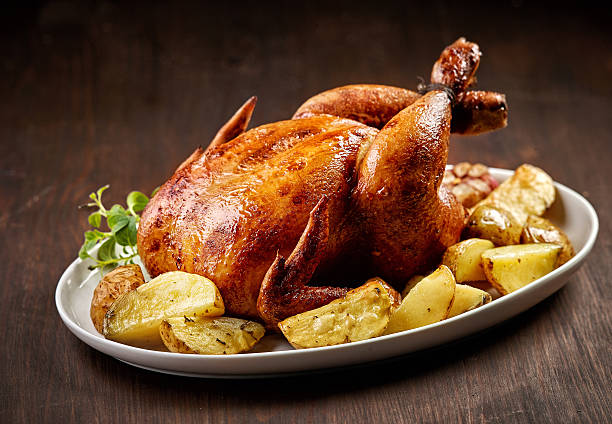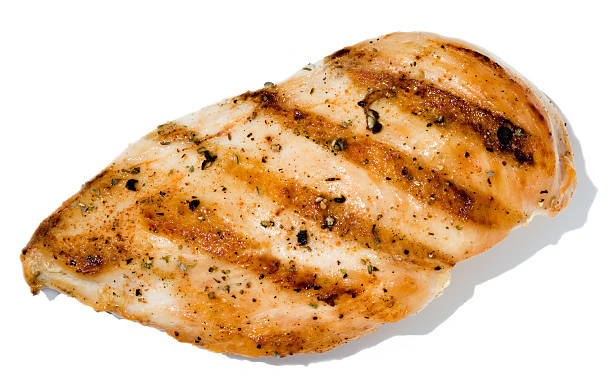
Substitute Chicken Thighs for Breast Ratio – The Chef’s 1:1 Rule

The Tale of the Dry Dinner
Picture this: You slice into a chicken breast that looked perfect in the oven. You are expecting a river of juices, but instead, you get… sawdust. It’s white, it’s stringy, and it sucks all the moisture out of your mouth. We have all been there. Chicken breast is the diva of the protein world—unforgiving and high-maintenance. Chicken thighs, on the other hand, are the reliable best friend who shows up with pizza when you’ve had a bad day.
Many home cooks hesitate to switch because they are terrified of ruining a recipe’s chemistry. They frantically search for the substitute chicken thighs for breast ratio, worried that using the wrong cut will cause a culinary explosion. I am here to tell you that the switch is not only safe; it is almost always an upgrade. Whether you are trying to salvage a dry weeknight meal or prepping my easy sweet and sour chicken recipe with a cut that stays juicy no matter what, understanding this swap will change your cooking game forever.
Forget the fear of “greasy” dark meat. We are going to break down exactly how to swap these cuts so you get more flavor, better texture, and zero stress.
The Golden Rule: Weight is King
Let’s strip away the confusion immediately. The substitute chicken thighs for breast ratio is 1:1 by weight.
If your recipe calls for one pound of boneless, skinless chicken breast, you use one pound of boneless, skinless chicken thighs. It is that simple on the surface. However, do not pull out your measuring cups. Chicken is a solid, irregular shape. Trying to measure raw meat in cups is a fool’s errand and a great way to cross-contaminate your kitchen.
Always use a kitchen scale. If the recipe calls for “3 chicken breasts,” you have a bit more math to do because breast sizes vary wildly—from tiny 6-ounce organic cuts to massive 12-ounce industrial ones. Assume an average chicken breast weighs about 6-8 ounces. Therefore, you need roughly two thighs to equal the weight of one large breast.
The Shrinkage Factor: Why Thighs Need a Buffer
While the raw weight ratio is 1:1, the cooked result tells a different story. Chicken thighs have a higher fat content and more connective tissue than breasts. When you cook them, that fat renders (melts) and the connective tissue breaks down.
This means thighs will shrink slightly more than breasts during the cooking process. If you are making a dish where the volume of meat visually matters—like a stir-fry loaded with veggies—you might want to buy just a little extra. For every pound of breast called for, I usually grab 1.2 pounds of thighs just to ensure the final bowl looks bountiful.
The Flavor Science: Myoglobin and Fat
Why make the switch at all? It comes down to biology. Chicken thighs are “dark meat” because they are active muscles. The chicken uses its legs to walk, meaning those muscles are oxygen-rich. This oxygen is stored in a protein called myoglobin, which gives the meat its darker color and deeper, more “chicken-y” flavor.
According to general food science on chicken as food, this difference in muscle structure means thighs are naturally more forgiving. You can overcook a thigh by 10 degrees, and it will still be juicy because the intramuscular fat lubricates the fibers. You overcook a breast by 10 degrees, and you are eating cardboard.
Adjusting the Clock: Thighs Take Their Time
This is where most home cooks fail. You cannot simply swap the meat and keep the timer the same. The substitute chicken thighs for breast ratio works for ingredients, but not for time.
Dark meat is denser. It requires more time or heat to break down the collagen and make it tender. If you cook a thigh to the exact moment a breast is done (160°F), the thigh might feel rubbery or chewy. Thighs actually taste best when cooked to an internal temperature of 175°F to 180°F. At this higher temperature, the collagen turns into gelatin, giving you that sticky, succulent mouthfeel.
For Pan-Searing and Stir-Fries
If you are swapping thighs into a quick dish, cut the thighs smaller than you would the breast. Increasing the surface area helps them cook faster, keeping pace with your vegetables. If you leave them in large chunks, your broccoli will be mush before your chicken is tender.
For Braises and Sauces
This is where thighs shine. If you are making a recipe that involves simmering, like a pan sauce recipe for chicken, you can let thighs simmer for 20, 30, or even 40 minutes without ruin. A breast would be destroyed in that time. The longer you simmer the thigh, the more flavor leaks into your sauce, creating a richer final product.
The Prep Work: Mimicking the Breast Texture
Some people dislike thighs because of the texture—they can be uneven or have gristly bits. If you are feeding picky eaters who claim they “only like white meat,” you can trick them with a little knife work.
Boneless skinless thighs often have a ragged look. Lay the thigh flat and use kitchen shears to trim off any dangling bits of fat or skin. Then, find the thickest part of the thigh muscle. Give it a few whacks with a meat mallet to flatten it out. By creating a uniform thickness, the thigh cooks evenly and slices just like a breast. Once it is battered and fried, no one will know the difference, except that it tastes better.
When NOT to Substitute
I am a thigh evangelist, but there are rare occasions where the breast is superior. If you are poaching chicken for a cold salad or a delicate sandwich, the clean, mild flavor of the breast is often preferred. The fat in cold thighs can have a waxy texture that isn’t pleasant.
However, for almost any hot application—soups, stews, roasts, curries, and tacos—the thigh is the superior choice. Even for stocks! I always save my thigh trimmings and bones. They add a gelatinous richness to a rich Chinese chicken broth recipe that lean breast bones simply cannot achieve.
Converting Bone-In Cuts
So far, we have discussed boneless-to-boneless swaps. But what if the recipe calls for bone-in split breasts and you have bone-in thighs?
The 1:1 weight ratio still applies roughly, but remember that thigh bones are smaller and lighter than the heavy breast keel bone. You actually get more edible meat per pound with bone-in thighs than you do with bone-in breasts. This makes thighs not only a tastier option but often a more economical one.
Nutritional Trade-Offs
I would be remiss if I didn’t mention the health angle. Yes, thighs have more calories and fat than breasts. That is simply a fact. However, we aren’t talking about a stick of butter here. The difference is moderate, and much of that fat renders out during cooking (unless you are drinking the pan drippings).
If you are strictly counting macros, you might need to adjust your portion size slightly down when swapping to thighs to keep the caloric intake identical. But honestly? The satisfaction you get from eating juicy, flavorful meat often means you feel fuller faster, preventing the late-night snack raid.
Final Verdict on The Swap
Don’t overthink it. The substitute chicken thighs for breast ratio is a simple 1-for-1 trade. The magic isn’t in the math; it’s in the method. Give the thighs a little extra time, trim them well, and embrace the fat. Your dinner guests will stop politely chewing through dry meat and start asking for seconds.
Frequently Asked Questions
1. Can I substitute chicken thighs for breasts in slow cooker recipes?
Absolutely. In fact, you should. Chicken breasts tend to dry out and become stringy after hours in a slow cooker. Thighs stay moist and tender even after 8 hours of low cooking.
2. Do I need to use oil when cooking thighs if they are already fatty?
Yes, but use less. You still need a little oil to conduct heat and prevent sticking initially. However, as the thigh cooks and renders its own fat, you will end up with more liquid in the pan than you would with breasts.
3. How do I stop my chicken dish from being greasy when using thighs?
Trim the visible fat before cooking. Boneless skinless thighs often come with flaps of yellow fat attached. Snip those off with kitchen shears. Also, if searing, you can drain some of the rendered fat from the pan before adding your sauce ingredients.
4. Does the substitute ratio change if the chicken is frozen?
No, the weight ratio remains 1:1. However, ensure both cuts are fully thawed before cooking to guarantee even heat distribution. Never cook frozen thighs and fresh breasts together in the same pan.
5. Why are chicken thighs usually cheaper than breasts?
Historically, Western consumers have preferred white meat, creating a surplus of dark meat (legs and thighs). This lower demand drives the price down, making thighs a budget-friendly “secret weapon” for chefs.