5 Steps for Tenderizing Beef with Baking Soda (The Velveting Secret)
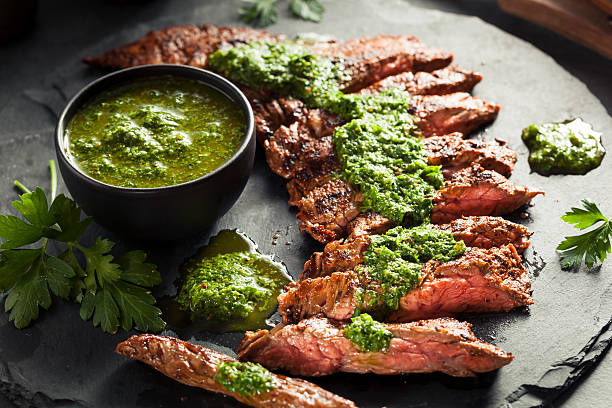
The Quick Method: The most effective ratio for tenderizing beef with baking soda is using one teaspoon of baking soda for every pound of sliced meat. Toss the beef to coat evenly and let it rest for 15 to 20 minutes; this alkalizes the surface and prevents proteins from bonding tightly during the cooking process. Crucially, you must rinse the beef thoroughly under cold water afterwards to remove the bitter, metallic alkalinity before seasoning and cooking.
Have you ever wondered why the beef in your broccoli stir-fry from the local takeout spot melts in your mouth, while the exact same cut cooked at home feels like chewing on a rubber band? It is not because they are buying superior, expensive cuts of meat like filet mignon. In fact, restaurants often use cheaper, tougher cuts like flank or round steak to keep costs down while maintaining that luxurious texture.
The secret lies in a chemical process that changes the structure of the meat before it even hits the pan. Tenderizing beef with baking soda is a technique widely used in Chinese cuisine, often referred to as part of the “velveting” process. If you are serious about mastering authentic Chinese food, understanding how to manipulate protein structures with pH levels is just as important as mastering your wok skills.
The Science of Alkalization
Meat gets tough when it cooks because the muscle fibers contract and squeeze out moisture, tightening into a dense knot. By introducing a base (alkaline) ingredient like baking soda, you raise the pH level on the meat’s surface. This chemical reaction makes it difficult for the proteins to bond together tightly when heated.
Essentially, you are preventing the meat from squeezing itself dry. This is why tenderizing beef with baking soda yields a texture that is silky and smooth rather than fibrous. Food scientists at Serious Eats describe this as denaturing the proteins in a controlled way, similar to how acid “cooks” ceviche, but with the opposite chemical effect.
The Golden Ratio and Timing
The biggest mistake home cooks make with this technique is impatience or over-enthusiasm. You cannot leave the baking soda on indefinitely, or the meat will turn into a mushy, unappetizing paste. The sweet spot for tenderizing beef with baking soda is between 15 and 20 minutes for thin slices.
If you are working with a thicker cut or a particularly tough piece of chuck, you might extend this to 30 minutes, but never longer. Use exactly one teaspoon per pound of meat. Adding more won’t make it more tender; it will just make it harder to rinse off the soapy flavor later.
The Rinse: The Non-Negotiable Step
After the resting period, your beef is technically tenderized, but it is covered in a bitter, metallic powder. If you cook it now, your beautiful stir-fry will taste like a cleaning product. You must rinse the meat vigorously under cold running water.
Use a colander and toss the meat with your hands to ensure every trace of the powder is washed away. Don’t worry about washing away the “tenderness”—the chemical change has already happened inside the fibers. Once rinsed, pat the meat bone-dry with paper towels before marinating it with your usual soy sauce and aromatics, as excess water prevents a good sear.
Comparing Dry Rub vs. Wet Brine
There are two ways to apply this technique: the dry rub method (described above) and the wet brine method. The wet brine involves dissolving baking soda in water and soaking the meat. While the wet method is gentler and harder to mess up, the dry rub method is faster and more effective for tenderizing beef with baking soda when you are in a rush.
This concept is similar to the velveting chicken technique, although chicken often uses egg whites and cornstarch rather than pure baking soda. For beef, which has stronger muscle fibers, the aggressive alkalinity of baking soda is necessary to break down the connective tissue effectively.
Best Cuts for This Method
This technique is a money-saver because it allows you to buy budget-friendly cuts. Flank steak, skirt steak, and top round are ideal candidates. Without treatment, these cuts can be chewy and dry when stir-fried quickly.
By using the method of tenderizing beef with baking soda, you can transform these cuts into something that mimics the texture of ribeye. We use this extensively in our Mongolian Beef recipe to ensure the meat remains buttery soft despite the high heat of the wok.
Conclusion: Restaurant Quality at Home
Mastering the use of baking soda is a turning point for any home cook who loves Asian cuisine. It removes the jaw-workout from your dinner and ensures consistent, silky results every time. Just remember to watch the clock and rinse thoroughly to avoid any off-flavors.
Common Tenderizing Questions (FAQ)
- Can I use baking powder instead of baking soda?
Technically yes, but it is less effective. Baking powder contains baking soda mixed with an acid (cream of tartar) and cornstarch. You would need to use 3 times as much, which can affect the taste. - Does this method work for thick steaks?
No, this is primarily for thin slices meant for stir-frying. For thick steaks, the baking soda won’t penetrate deep enough, leaving the outside mushy and the inside tough. - Why does my beef taste metallic?
You didn’t rinse it well enough. The metallic taste comes from residual sodium bicarbonate. Rinse longer next time or add a splash of vinegar to the marinade to neutralize it. - Can I leave the beef overnight?
Absolutely not. Tenderizing beef with baking soda for too long turns the meat gray and creates a disturbing, gel-like texture that is very unpleasant to eat. - Is this safe for health?
Yes, baking soda is a common food ingredient used in baking. According to the USDA, it is perfectly safe for consumption, provided you rinse off the excess sodium.