7 Secrets to Velveting Chicken for Melt-in-Your-Mouth Stir Fry [Chef Tested]
Last Updated on 2026-01-07 by Suryo
Velveting chicken is a traditional Chinese culinary technique used to preserve the moisture and tenderness of meat during high-heat cooking. It involves coating bite-sized pieces of chicken in a mixture of egg white, cornstarch, and wine, then briefly blanching them in hot oil or water before the final stir-fry. This creates a protective “silky” barrier that prevents muscle fibers from seizing up, ensuring the meat remains juicy and soft.
Velveting Chicken: The “Secret” Chinese Technique for Melt-in-Your-Mouth Stir Fry
Have you ever wondered why the chicken in your takeout stir-fry is incredibly silky and tender, while the same dish made in your kitchen ends up dry and stringy? It is not about the quality of the meat you buy, and it certainly isn’t about your wok skills. The missing link is a technique we in the culinary world call “velveting.”
I remember my early days working the line in a fusion bistro; I was frustrated because my stir-fries were inconsistent. Sometimes they were decent, but often the breast meat would turn into rubber the second it hit the high heat. It wasn’t until an old-school sous chef pulled me aside and showed me the slurry bucket that I realized I had been skipping the most crucial step. You see, cooking isn’t just about heat; it is about preparation. If you run a small catering business or a lunch spot, mastering velveting chicken isn’t just a trick—it is the only way to guarantee your customers come back for that “perfect” texture every time.
⚠️ Important! Never skip the resting period. In my experience, rushing the marination process is the number one reason beginners fail. The starch needs time to hydrate and bind to the proteins. Give it at least 20 minutes in the fridge!
The Science of “Silking”: Why Your Home-Cooked Chicken is Dry
To understand why we velvet, we first have to understand what happens to meat when it hits a hot pan. When you throw raw, uncoated chicken breast into a scorching wok, the intense heat causes the muscle fibers to contract rapidly. Think of it like wringing out a wet sponge; the heat squeezes all the natural juices out, leaving you with a tough, dry piece of protein.
In my years of teaching culinary workshops, I have found that most people try to solve this by undercooking the chicken, which is a food safety nightmare. According to the usda.gov, poultry must reach an internal temperature of 165°F to be safe. So, how do we hit that safe temperature without turning the meat into shoe leather?
Velveting chicken solves this by creating a thermal insulator. The mixture of cornstarch and egg white forms a semi-permeable barrier around the meat. When you cook it, this coating gelatinizes. This means the harsh direct heat doesn’t scorch the meat fibers immediately; instead, the chicken steams gently inside its own protective “velvet” suit. The result? The juices stay inside the fiber, not in the bottom of your pan.
Cornstarch vs. Baking Soda: The Great Tenderizer Debate
This is where things get controversial. If you browse online forums, you will see a war between the “Baking Soda” camp and the “Cornstarch” camp. Having used both extensively in commercial kitchens, here is the reality—they are two completely different tools for two different jobs.
1. The Baking Soda Method (Alkaline Tenderizing) This method changes the pH of the meat, physically breaking down the protein bonds.
- The Reality: It works incredibly well for tougher cuts like beef flank or older chicken. However, I have encountered a major issue in the field: if you don’t rinse it thoroughly, your velveting chicken attempt will taste soapy and metallic. I once ruined a batch of 50 lunch specials because we didn’t rinse the soda off well enough. The texture can also become too soft, almost mushy, which some customers find off-putting.
2. The Cornstarch & Egg White Method (Coating) This is the traditional “silking” method. It doesn’t chemically break down the meat as much as it coats and protects it.
- The Reality: This is my go-to recommendation for chicken breast. It creates that glossy, slippery texture you associate with high-end Cantonese food. It is forgiving, doesn’t require rinsing, and produces a cleaner flavor profile.
My Firm Recommendation: For chicken breast, stick to the Cornstarch and Egg White slurry. Save the baking soda for beef. The risk of that metallic aftertaste just isn’t worth it for delicate poultry. 🍗
The “Pass Through” Method: Oil Bath vs. Water Blanch
Once your chicken is marinated, you have to “set” the coating. In professional Chinese kitchens, this is called “passing through oil” (guo you). But let’s be real about the logistics in your kitchen.
The Traditional Oil Bath The classic technique involves submerging the chicken in warm oil (around 275°F) for about 45 seconds.
- Pros: It seals the coating instantly, creating the most watertight barrier and a rich mouthfeel.
- Cons: It is messy, expensive (you use a lot of oil), and adds significant calories. In a busy small kitchen, dealing with a vat of hot oil solely for blanching can be a safety hazard and a logistical nightmare.
The Water Velvet (Water Blanching) Here, you drop the marinated chicken into boiling water with a splash of oil added to it.
- Pros: Clean, cheap, and lighter on calories.
- Cons: You lose a tiny bit of the “glossiness.”
Field Insight: Unless you are running an authentic high-volume Chinese restaurant, I strongly advise you to use the Water Blanch method for your velveting chicken process. The difference in taste is negligible (maybe 5%), but the ease of cleanup and cost savings on oil are massive for a small business owner. Plus, you can market the dish as a “lighter” option to health-conscious customers.
Step-by-Step The Golden Ratio for the Perfect Slurry
Theory is useless without execution. Through trial and error with hundreds of pounds of meat, I have developed a ratio that works consistently for both home cooks and commercial kitchens. This recipe is scalable, meaning you can double or triple it for your shop’s lunch rush without losing quality.
Here is the exact protocol I use for velveting chicken to ensure a flawless coating:
- Slice Against the Grain First, cut your chicken breast into thin strips or bite-sized cubes. Crucial Tip: Look at the direction the muscle fibers run and slice perpendicular (across) them. This physically shortens the fibers, giving you a head start on tenderness before you even add ingredients.
- The Marinade (The “Slurry”) For every 1 pound (approx. 500g) of chicken, combine the following in a bowl:
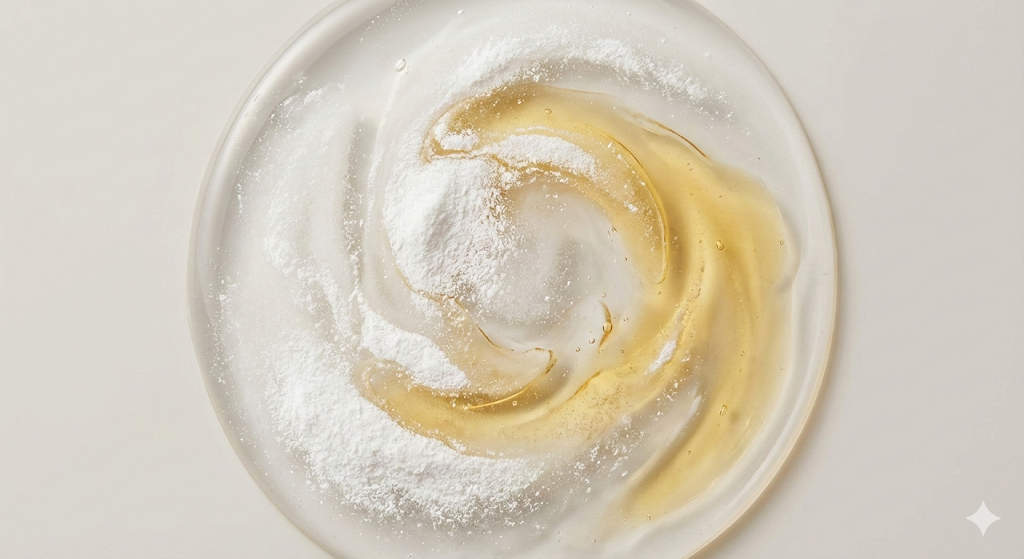
- 1 Tablespoon Cornstarch (The sealer)
- 1 Egg White (The binder – protects the starch from dissolving too fast)
- 1 Tablespoon Shaoxing Wine or Dry Sherry (Flavor and odor removal)
- 1 Teaspoon Soy Sauce (For base saltiness)
- 1 Teaspoon Neutral Oil (Vegetable or Canola)
- Massage the Meat Don’t just stir it with a spoon. Use your clean hand to massage the mixture into the chicken vigorously. You want the liquid to be absorbed into the meat, not just sitting on top. The chicken should feel tacky and sticky, not wet and sliding around.
- The Chill Cover and refrigerate for at least 20-30 minutes. As I mentioned earlier, this step allows the starch to hydrate. If you skip this, the coating will slide right off in the water.
- The Water Blanch Bring a pot of water to a boil, add a teaspoon of oil, then lower the heat so it is just simmering (not a violent rolling boil). Drop your chicken in. Use a pair of chopsticks or a spider strainer to gently separate the pieces so they don’t clump.
- The Timing Cook for only 45-60 seconds. The outside should turn opaque white, but the inside will still be raw. This is par-cooking. Remove immediately and set aside. Your velveting chicken is now prepped and ready for the final high-heat stir fry.
Why Does My Chicken Taste Soapy And Other Common Disasters
In my consulting work, I often troubleshoot kitchen disasters. When a client tells me their stir-fry tastes “weird,” it is usually due to one specific error in the velveting chicken process.
The Metallic/Soapy Taste This happens almost exclusively when people use the Baking Soda method and fail to rinse it. If you choose to use soda, you must rinse the meat thoroughly under cold running water for at least 3 minutes. However, if you are using my recommended Cornstarch method above and it still tastes odd, you might be using too much alkaline-based wine or old oil.
The “Slimy” Texture If your chicken feels like it is covered in glue, you likely used too much cornstarch or didn’t let the water boil hot enough before adding the meat. In the field, we call this “glooping.” To fix this, ensure your water is hot enough to set the outside layer instantly, and shake off any excess marinade before blanching.
⚠️ Important! Never add raw, velveted chicken directly to your stir-fry veggies without blanching it first. The raw starch will cloud your sauce and make the entire dish look muddy and unappetizing. Always par-cook!
Best Cuts to Velvet Beyond the Breast
While velveting chicken breast is the industry standard because it is naturally lean and prone to drying out, do not limit yourself.
I have had great success applying this technique to Chicken Thighs. While thighs are naturally juicier, velveting them creates a distinct “slippery” mouthfeel that works wonders in dishes like Chicken with Black Bean Sauce. It gives the meat a premium, uniform texture that customers love.
Additionally, this exact same slurry works perfectly for Beef (Flank Steak or Sirloin). In fact, cheap cuts of beef benefit even more from the protection. If you are running a budget-friendly lunch spot, velveting allows you to buy cheaper, tougher cuts of beef and transform them into tender, high-value menu items.
3 Stir-Fry Sauces That Stick Perfectly to Velveted Meat
One hidden benefit of velveting chicken is how it interacts with sauces. Because the meat has a micro-layer of starch gel, sauce clings to it much better than it does to plain, slick meat.
- Classic Oyster Sauce & Ginger: The savory, thick nature of oyster sauce binds with the velvet coating to create a rich glaze.
- Szechuan Kung Pao: The spicy chili oil gets trapped in the textured surface of the velvet coating, ensuring every bite is packed with heat.
- Lemon or Orange Glaze: For a Western-Chinese fusion, the velvet coating mimics a deep-fried batter without the heaviness, holding onto sticky sweet-sour sauces beautifully.
Storage and Prep Can You Velvet in Advance
For business owners, efficiency is cash flow. You cannot be mixing egg whites and starch in the middle of a rush.
The good news is that velveting chicken is incredibly friendly to meal prep. You can marinate the chicken in the slurry and keep it in the refrigerator for up to 24 hours before cooking. In fact, I often find that the texture improves after an overnight rest because the proteins have had more time to relax.
If you have already blanched the chicken (passed it through water), you can drain it, cool it down, and store it in an airtight container in the fridge for 2 days. When an order comes in, just toss the pre-blanched chicken into the wok with your sauce and veggies. It will heat through in 60 seconds. This workflow is how fast-food joints get food out so quickly.
Master the Wok and Transform Your Menu
Cooking is both an art and a science, and velveting chicken is the perfect bridge between the two. By understanding the simple chemistry of hydration and thermal protection, you stop relying on luck and start relying on technique.
Whether you are cooking for your family or managing a busy kitchen, I encourage you to try the water-blanching method today. Compare it side-by-side with plain chicken. The difference in juiciness and texture will shock you. It is these small details—the “mouthfeel”—that turn a one-time customer into a loyal regular. Now, get in that kitchen and start velveting!
FAQ Frequently Asked Questions
1. Do I need to rinse the chicken after velveting? If you use the Cornstarch/Egg White method I recommended, absolutely not! Rinsing would wash away the coating you just worked to create. However, if you use the Baking Soda tenderizing method, yes, you must rinse it thoroughly to remove the bitter alkaline taste.
2. Can I make this gluten-free? Yes, but you have to be careful. Cornstarch is naturally gluten-free, but Soy Sauce and Shaoxing Wine usually contain wheat. To make gluten-free velveting chicken, substitute the Soy Sauce with Tamari and use dry sherry or a certified gluten-free cooking wine.
3. Can I freeze chicken after it has been velveted? I do not recommend freezing the meat while it is raw and marinating, as the ice crystals can ruin the starch structure. However, once you have blanched (par-cooked) the chicken, you can freeze it. Just be aware that the texture might lose a little bit of its “silkiness” upon reheating, but it is still acceptable for meal prep.