The Ultimate Beef Bourguignon: A Chef’s Easy Method

Introduction to Beef Bourguignon
Beef Bourguignon, a quintessential dish of French cuisine, has captivated palates since its inception in the Burgundy region. Originating in the 19th century, this hearty stew exemplifies the rustic yet sophisticated nature of French culinary tradition. Known as “Boeuf Bourguignon” in French, the dish combines tender beef, rich red wine, and an array of aromatic ingredients, creating a symphony of flavors that is both comforting and elegant.
The preparation of Beef Bourguignon typically involves slow cooking, which allows the flavors to meld beautifully while transforming tougher cuts of beef into succulent, melt-in-your-mouth pieces. The red wine, often sourced from Burgundy, plays a pivotal role in not only enhancing the flavor profile but also tenderizing the meat. Beyond the wine, a carefully curated mix of herbs, vegetables such as carrots and onions, and sometimes mushrooms, contributes depth and complexity to this traditional recipe.
In showcasing the significance of each ingredient, one can appreciate how the selection of a good-quality wine and fresh produce lays the foundation for an authentically prepared Beef Bourguignon. Variations exist, yet the essence remains unchanged: a dish that celebrates culinary craftsmanship while bringing warmth to the dining table. As we delve deeper into this classic French stew, we will explore a chef’s easy method, allowing home cooks to replicate this remarkable dish with confidence. Understanding its origins and cultural relevance sets the stage for mastering the art of Beef Bourguignon, fostering a deeper appreciation for the intricate flavors and techniques involved in its creation.
Key Techniques for Success
When it comes to preparing the ultimate Beef Bourguignon, mastering three essential techniques is paramount to achieving a dish that is not only flavorful but also has the right texture. The first technique involves browning the beef in batches. This process is critical because overcrowding the pan can lead to steaming rather than browning. When beef is properly browned, it develops a rich crust, enhancing the overall flavor through the Maillard reaction. It is advisable to use a high smoke point oil and allow the beef to sear undisturbed to achieve optimal results.
The second technique centers around the selection of the wine. A full-bodied red wine, particularly Burgundy, is recommended for this recipe as it contributes deep, complex flavors to the dish. The wine’s acidity helps to tenderize the meat and infuse it with aromatic notes, making the final taste profile balanced and robust. When adding wine to the mix, allow it to reduce slightly before incorporating broth or additional liquids, as this concentration elevates the overall savories of the Beef Bourguignon.
The third vital technique involves preparing the garniture separately. This includes vegetables such as mushrooms, carrots, and lardons that add both flavor and texture to the dish. By cooking these components separately, you maintain their structure and ensure they do not become mushy during the long simmering process. Sautéing them until caramelized before adding them to the stew allows for a variety of textures and flavors to shine through in the final presentation. By applying these key techniques, you set the foundation for constructing a classic Beef Bourguignon that is rich, satisfying, and memorable.
Ingredients You’ll Need
To prepare the classic Beef Bourguignon, a selection of quality ingredients is paramount to achieving the rich, deep flavors characteristic of this traditional French dish. Here is a comprehensive list of ingredients required for this recipe.
Firstly, the primary component is beef, with recommended cuts including chuck roast, brisket, or even stew meat. Chuck roast is preferred due to its rich marbling, which breaks down during cooking to yield tender results. For a more adventurous palate, consider using short ribs for added flavor.
The next critical ingredient is red wine; Burgundy wine is traditionally utilized, providing an authentic essence. However, any good-quality dry red wine such as Pinot Noir or Merlot can serve as an effective substitute, offering similar flavor profiles suitable for stewing.
For aromatics, you’ll need onions, carrots, and garlic. Onions contribute sweetness, while carrots add a light earthiness. Garlic enhances the overall aroma and depth of flavor. If fresh garlic is unavailable, garlic powder can be used in moderation.
Bacon or lardons are essential for adding fat and a smoky richness. If bacon is not to your liking, consider using pancetta or even a vegetarian alternative like smoked tempeh to maintain some depth.
When it comes to garniture, fresh thyme and bay leaves are imperative, providing aromatic undertones vital for a complex flavor. A bouquet garni, which is a bundle of these herbs tied together, can easily infuse the dish with flavor while being removed before serving. Finally, for seasoning, salt and freshly ground black pepper are necessary to adjust the dish to taste.
In summary, although some ingredients may be less commonly found, substitutes can be made to ensure that this Beef Bourguignon recipe remains accessible and flavorful.
Preparation Steps: Browning the Beef
To begin the preparation of a sumptuous beef bourguignon, one of the most crucial steps is the browning of the beef. This process not only enhances the visual appeal of the dish, but also significantly contributes to its flavor profile. The Maillard reaction, which occurs when the meat is seared at a high temperature, results in a complex blend of savory tastes that elevate the overall dish.
One essential tip when browning the beef is to avoid overcrowding the pan. When too much meat is added at once, it traps steam and moisture, ultimately leading to a steaming effect rather than the desired searing. Instead, divide the beef into manageable batches, ensuring that each piece has enough space to brown evenly. Generally, depending on the size of your pan, this could mean cooking in two to three batches.
Temperature control plays an integral role in achieving that perfect sear. Start with a preheated pan, ideally made of heavy-duty material to maintain consistent heat. An ideal temperature for browning is around 400°F (204°C). If using oil, choose one with a high smoke point, such as canola or grapeseed oil, to avoid burning the fat while browning. Allow the meat to cook undisturbed for several minutes before flipping, as this helps form a crust, enhancing flavor development.
Timing is key during this step; approximately 2 to 3 minutes per side will generally suffice for cubes of beef. Once a deep, golden-brown exterior is achieved, remove the beef from the pan to prevent overcooking. The fond, which is the caramelized bits left in the pan, will be used later in the cooking process to deepen the flavor of your beef bourguignon. By browning the beef correctly, you lay the foundation for a richly complex and satisfying final dish.
Building Flavor with Aromatics and Wine
After the beef has been browned to a beautiful golden crust, the next critical step in mastering Beef Bourguignon involves the addition of aromatics and the appropriate red wine. Aromatics are essential in developing depth and complexity in the dish. Begin by introducing onions, carrots, and garlic to the pot. Sauté these ingredients gently until they soften and release their natural sweetness, creating a fragrant base that elevates the overall flavor profile. This melding of ingredients forms a robust foundation that enhances the meat’s savory notes.
Once the aromatics are tender, the technique of deglazing the pan becomes paramount. Deglazing involves adding liquid to the pot to lift the browned bits, known as fond, stuck to the bottom. These caramelized morsels are packed with flavor, and incorporating them into the dish is essential for achieving a rich, layered taste. Pour in your Burgundy or a similar full-bodied red wine, allowing it to sizzle and bubble as it scraps the fond off the bottom. This technique not only intensifies flavor but also adds acidity, which complements the richness of the beef.
The choice of wine is crucial; Burgundy, made from Pinot Noir grapes, is particularly favored for this dish due to its harmonious balance of fruity and earthy notes. The wine should be included generously, as it infuses the beef with a deep, wine-forward flavor as it simmers. Other full-bodied wines, such as Cabernet Sauvignon or Merlot, can be used as alternatives, but strive for excellence by selecting a bottle you would enjoy drinking. This attention to detail will ensure that the final dish achieves maximum flavor, embodying the essence of a classic Beef Bourguignon.
Cooking and Simmering: The Slow Process
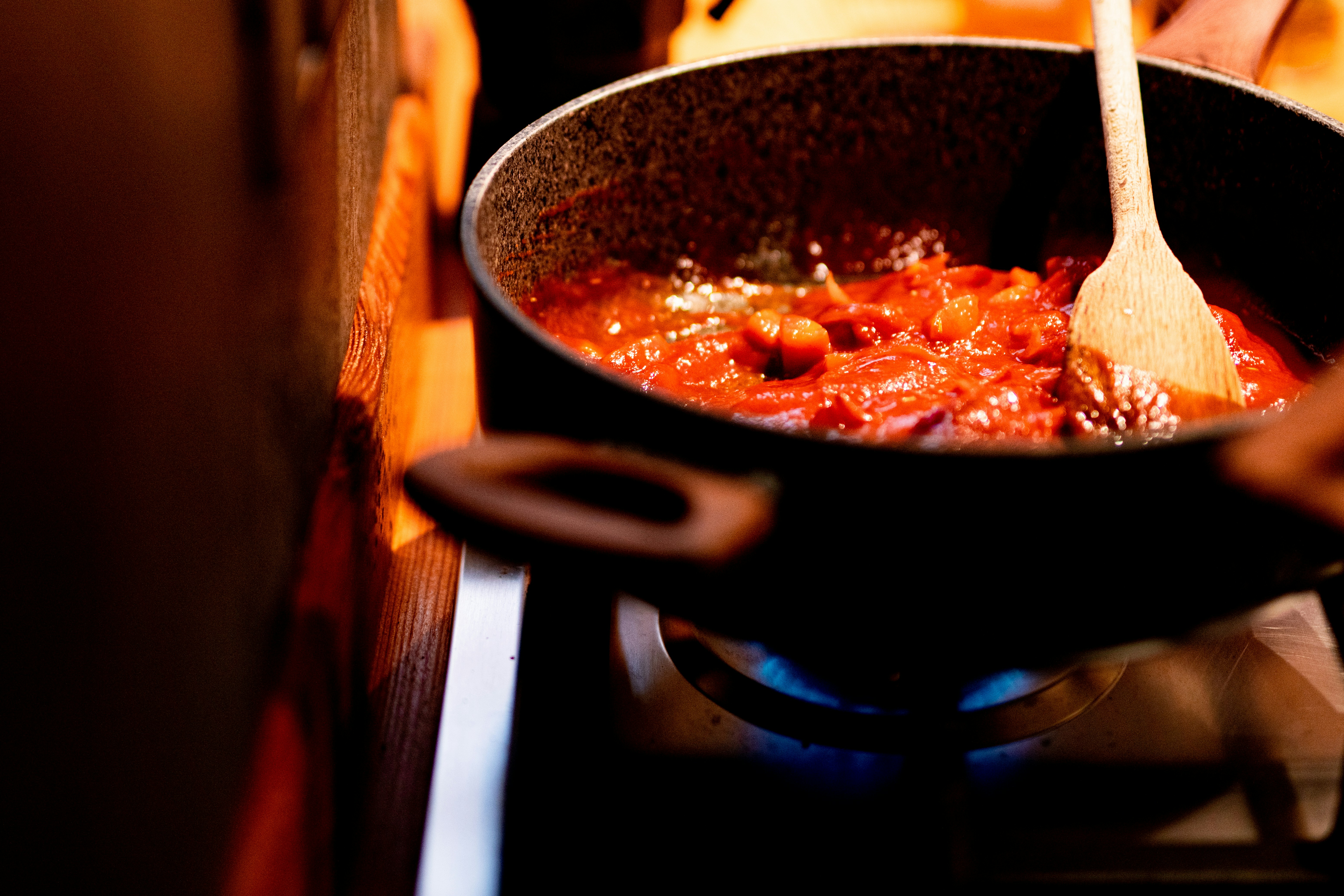
Cooking is an essential aspect of preparing an exquisite beef bourguignon, as the slow simmering process is crucial for fully developing the multifaceted flavors of the dish. To achieve this, it is important to set the heat levels correctly. After browning the beef and sautéing the vegetables, the pot should be brought to a gentle boil before lowering the heat to maintain a soft simmer.
The ideal cooking time for beef bourguignon ranges from two to three hours, during which the meat becomes tender and absorbs the aromatic essence of the broth, wine, and herbs. It is vital to monitor the pot throughout this period. A lid can be placed on the pot, leaving a small gap to allow steam to escape, thus preventing the liquid from evaporating too quickly. Checking periodically ensures the mixture remains at a constant simmer, vital for achieving a harmonious flavor profile.
Another aspect that contributes significantly to flavor development is the environment of the kitchen during this cooking stage. The warmth from the stove creates a haven in which various aromatic compounds are released, blending together. As the dish cooks, the aroma of wine mingles with the earthy scent of mushrooms and the savory essence of beef, enticing everyone who enters the kitchen. It is beneficial to keep the kitchen well-ventilated, as this will not only enhance the cooking environment but also allow the individual scents to emerge distinctly during the simmering process.
In conclusion, the slow cooking and monitoring of beef bourguignon is a culinary ritual that culminates in complex flavors and tender meat. By adhering to the recommended cooking times and focusing on the crafted environment within the kitchen, any home cook has the potential to create a masterpiece in their own kitchen.
Preparing the Garniture
To achieve the perfect Beef Bourguignon, the garniture—comprising bacon, pearl onions, and mushrooms—must be prepared with care. Each component plays a vital role in building the dish’s flavor profile and texture. The first step in preparing the garniture involves selecting high-quality ingredients. Opt for thick-cut bacon, as its smoky and savory characteristics will complement the rich sauce beautifully.
Start by dicing the bacon into small pieces and rendering it in a large skillet over medium heat. Cook until the fat has rendered and the bacon is crispy, then remove it from the pan and set it aside on a paper towel to drain excess fat. This not only maintains its crispness but also helps to prevent sogginess when combined with the other ingredients.
The next garniture component is pearl onions. These small, sweet onions are ideal for adding a touch of sweetness and crunch. To prepare them, blanch the pearl onions in boiling water for about two minutes to loosen their skins. After draining, carefully peel each onion. Once peeled, sauté them in the same skillet used for the bacon, allowing them to caramelize in the rendered fat for additional flavor. This step is essential, as it enhances their natural sweetness and texture.
Lastly, we turn our attention to the mushrooms. Choose a combination of cremini or button mushrooms for a depth of flavor. Clean and slice the mushrooms, then sauté them in the skillet, allowing them to brown nicely. Cooking the mushrooms separately is key; this prevents them from becoming rubbery or waterlogged when combined with the rest of the stew. Each garniture component—bacon, pearl onions, and mushrooms—must be treated with care to ensure they hold their individual textures while simultaneously enriching the overall dish, resulting in a Beef Bourguignon that is both hearty and flavorful.
Final Assembly and Serving
As the beef bourguignon reaches its final stage, it is crucial to ensure that the various components meld harmoniously to create a rich and flavorful dish. Start by removing the beef and vegetables from the cooking pot, using a slotted spoon. Allow the remaining liquid to simmer for a few minutes to reduce and concentrate the flavors. This reduction process is vital as it will enhance the saucy consistency needed for a delectable presentation.
Next, return the beef and vegetables to the pot, allowing them to soak in the luscious sauce. Stir gently to combine, ensuring that every piece of beef is evenly coated with the rich gravy. At this stage, it can be beneficial to let the dish rest for a few moments off heat, giving the flavors an opportunity to meld further, making for a memorable meal.
When it comes to serving beef bourguignon, presentation plays a significant role. Using deep, wide bowls or plates is recommended to accommodate the hearty stew. Ladle the beef bourguignon into the center of the dish, ensuring that generous portions of meat and vegetables are included.
For an appealing garnish, consider adding a sprinkle of freshly chopped parsley or thyme over the top before serving. This bright addition not only enhances the visual appeal but also brings a subtle freshness to the dish. In terms of sides, traditional accompaniments include creamy mashed potatoes, crusty French bread, or even buttered egg noodles, which all work beautifully to soak up the rich sauce.
Overall, how beef bourguignon is served may vary based on personal preferences, but choosing the right garnishes and sides can elevate the dining experience. The warm, comforting nature of this dish, alongside thoughtful presentation, is bound to impress any guest.
Printable Recipe Card
Creating the perfect Beef Bourguignon can be an enriching experience, and having a handy, printable recipe card simplifies the process. Below is a comprehensive summary that includes the essential ingredients, measurements, and cooking instructions, made specifically for ease of use in the kitchen.
Ingredients:
- 2 pounds of chuck roast, cut into 1-inch cubes
- 1/4 cup olive oil
- 1 onion, chopped
- 2 carrots, sliced
- 2 cloves of garlic, minced
- 1 bottle (750ml) of red wine (Burgundy is ideal)
- 2 cups beef stock
- 2 tablespoons tomato paste
- 1 bouquet garni (thyme, bay leaves, parsley)
- 8 ounces of button mushrooms, quartered
- Salt and freshly ground pepper to taste
- 2 tablespoons butter
Cooking Instructions:
- In a large Dutch oven, heat the olive oil over medium-high heat. Add the chuck roast in batches, browning all sides. Remove and set aside.
- In the same pot, add the onion and carrots, cooking until soft. Stir in the garlic and cook for an additional minute.
- Return the beef to the pot. Stir in the tomato paste and cook for a couple of minutes before deglazing with the red wine. Scrape up any brown bits from the bottom.
- Add the beef stock and bouquet garni, bringing the entire mixture to a gentle boil. Reduce the heat, cover, and simmer for 2 to 3 hours until the meat is tender.
- In the final half-hour of cooking, add the mushrooms. Adjust seasoning with salt and pepper as needed.
Feel free to print or save this recipe card for a seamless cooking experience. This structured format allows you to focus on the process of creating the ultimate Beef Bourguignon without missing essential details.
Frequently Asked Questions (FAQ)
When preparing Beef Bourguignon, many home cooks encounter common queries regarding the selection of ingredients and cooking techniques. One frequent question concerns the best cut of beef for this classic French dish. The ideal cuts are typically well-marbled, as they contribute to the overall tenderness and flavor. Cuts such as chuck roast, brisket, or even shank are recommended since they are more flavorful and improve in texture during slow cooking methods.
Another common inquiry is whether one must use expensive wine for the dish. While a good-quality wine is essential for flavor, it is not necessary to opt for the most expensive bottle. A mid-range red wine, such as a Burgundy, Pinot Noir, or Merlot, will suffice and complement the rich flavors of the beef and other ingredients. The key is to ensure that the wine is something you enjoy drinking; this will enhance the overall taste of the Beef Bourguignon.
Home cooks often wonder why their beef remains tough even after hours of cooking. Several factors could contribute to this issue. First and foremost, the cut of beef selected plays a crucial role; tougher cuts require longer cooking times to break down collagen and connective tissue. Additionally, the cooking temperature is vital; cooking at too high a temperature can lead to dryness and toughness. It is recommended to maintain a low and steady simmer during the cooking process. Lastly, avoid lifting the lid repeatedly, as this can cause heat to escape and prolong cooking time, preventing the fibers in the meat from tenderizing properly.