
Troubleshooting Guide: What to Do If You Can’t Find Sichuan Peppercorns
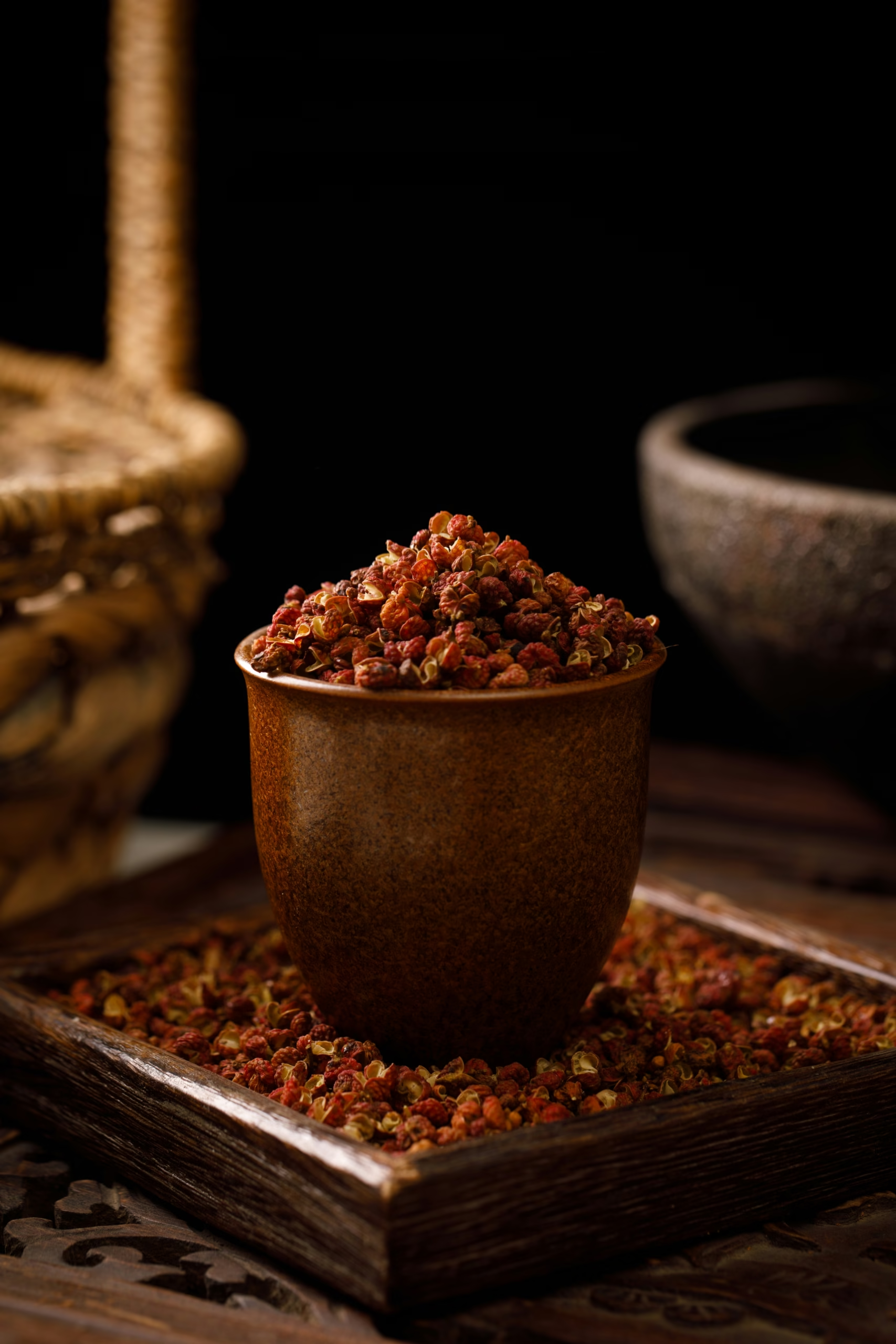
Understanding Sichuan Peppercorns and the ‘Mala’ Sensation
Sichuan peppercorns, a key ingredient in Chinese cuisine, especially from the Sichuan province, are notable for their unique flavor profile and the distinctive ‘mala’ sensation they produce. Unlike conventional pepper, which delivers a pungent heat, Sichuan peppercorns are renowned for their exquisite interplay of citrusy flavor and a tingling, numbing sensation, attributed to the compound hydroxy-alpha-sanshool. This unique combination elevates dishes and adds complexity, distinguishing Sichuan cuisine from other culinary traditions.
The sensory experience of ‘mala’ is derived from the harmonious balance between the tongue-numbing effect of Sichuan peppercorns and the fiery heat of chilies often used in conjunction. It is important to clarify that despite the name, Sichuan peppercorns do not belong to the pepper family; rather, they are the dried husks of the prickly ash tree. This distinction is crucial, as many people confuse them with black pepper or similar spices, leading to misunderstandings about their culinary role and effects.
Due to their unique capabilities, Sichuan peppercorns have garnered global attention, creating a demand that sometimes outpaces supply, particularly in areas outside of China. This scarcity can pose a difficulty for home cooks and professional chefs alike when trying to replicate authentic Sichuan flavors. However, recognizing the flavor profile and the characteristic ‘mala’ sensation allows one to explore alternative ingredients and methods that can approximate this distinctive experience. Utilizing blends of spices such as black peppercorns, coriander, and even mild chili peppers can be a way to create a make-do version of the Sichuan sensation, ensuring that the spirit of this culinary element is not lost. Understanding these aspects transforms the way one approaches recipes and contributes to an informed cooking practice.
Why Sichuan Peppercorns Are Unique
Sichuan peppercorns, unlike traditional black or white pepper, belong to the prickly ash family and are indigenous to the Sichuan province in China. Their unique flavor profile is characterized by a complex combination of citrus notes and a distinctive numbing sensation, often referred to as “mala” (麻辣), which translates to “numbing and spicy.” This combination plays a vital role in many traditional dishes found within Sichuan cuisine, elevating them beyond mere spiciness to a sensory experience that dances on the palate.
In traditional Sichuan cooking, these peppercorns are not just seasoning; they are essential for achieving depth and complexity in various dishes. They are commonly utilized in stir-fry recipes, braises, and sauces, infusing them with a signature flavor that enhances the overall taste experience. The versatility of Sichuan peppercorns allows them to be paired with a variety of ingredients, from meats to vegetables, creating harmonized profiles that are both robust and delicate. The ability to complement and enhance flavors is what makes them a sought-after ingredient among chefs and food enthusiasts alike.
Furthermore, the cultural significance of Sichuan peppercorns extends beyond the kitchen. They are often used in traditional medicinal practices, believed to possess several health benefits, including aiding digestion and improving circulation. This multifaceted role in both culinary and cultural contexts underscores their importance in Sichuan cuisine and broader Chinese culinary traditions.
Ultimately, Sichuan peppercorns stand out not only because of their unique flavor but also due to their ability to transform ordinary dishes into extraordinary culinary experiences. This exceptional quality solidifies their status as a treasured ingredient, making them a vital component of Sichuan cooking.
Identifying the Best Available Substitutes
When Sichuan peppercorns are unavailable, finding the right substitutes can maintain the integrity and authenticity of your dishes. Several options can effectively mimic the flavor, aroma, and texture of these unique peppercorns. One common recommendation is to blend black pepper and coriander seeds. This mixture provides a similar aromatic profile to Sichuan peppercorns, with the warmth of black pepper complemented by the citrusy notes from coriander. The granularity of these spices can also offer a comparable texture, making this combination a worthy contender.
Another excellent substitution is sansho pepper. This Japanese alternative closely resembles Sichuan peppercorns in its fragrant, citrusy flavor profile and numbing qualities. It is imperative to use sansho pepper sparingly, as its potency can easily overwhelm a dish. When available, it serves as an authentic alternative that can replicate that characteristic tingling sensation found in Sichuan cooking.
For those unable to source either of the aforementioned options, consider using a blend of chili flakes or crushed red pepper with a hint of lemon zest. While this combination may not fully capture all the nuances of Sichuan peppercorns, it offers a different aspect of heat and a citrusy note that can brighten up a dish. Additionally, some users opt for a mix of ground ginger and a hint of nutmeg to provide warmth and complexity, though the distinctive numbing sensation is lost in this alternative.
Ultimately, experimenting with these substitutes can help you uncover flavors that work harmoniously in your culinary endeavors. By being open to alternative spices and combinations, you can create authentic dishes that honor the spirit of Sichuan cuisine even in the absence of Sichuan peppercorns.
Creating the ‘Mala’ Experience with Substitutes
Recreating the unique ‘mala’ experience associated with Sichuan cuisine can be challenging when Sichuan peppercorns are unavailable. However, a variety of substitutes can effectively mimic the characteristic numbing and spicy sensations. The key to achieving a similar ‘mala’ flavor profile lies in understanding the balance between heat and numbing qualities in your spice selection.
One popular substitute is a combination of black peppercorns and a small amount of star anise. Black peppercorns provide a sharp heat reminiscent of Sichuan peppercorns, while star anise contributes a subtle sweetness and complex flavor that can enhance the overall blend. Another effective alternative involves using a blend of crushed red pepper flakes and a dash of coriander to capture some of the aromatic qualities typically associated with Sichuan peppercorns.
An often-overlooked option is to utilize dried lavender or mint. A small quantity can add a delicate floral and cooling note, much like the tingling sensation from traditional Sichuan peppercorns. When incorporating these substitutes into your dishes, it’s essential to experiment with ratios. Start with small amounts and gradually increase until you achieve the desired effect. For instance, a combination of crushed black peppercorns, dried lavender, and crushed red pepper can provide both heat and a hint of floral aroma, creating a distinct ‘mala’ flavor without overpowers the dish.
Don’t be afraid to get creative. Mixing different spices can lead to unique flavors that may surprise your palate. Using a ratio of two parts black pepper to one part star anise, paired with a pinch of dried lavender, can yield an exciting flavor dynamic. Ultimately, the goal is to blend the ingredients in a way that resonates with your taste preferences, allowing for personal variations that can emerge from the absence of Sichuan peppercorns.
Cooking Techniques to Mimic the Flavor
When Sichuan peppercorns are unavailable, it is essential to explore alternative cooking techniques to replicate their unique flavor and numbing sensation. One effective approach is to use substitutes such as black pepper, white pepper, or even lemon zest. Each of these can bring differing layers of complexity to a dish, but proper preparation will enhance their effectiveness.
Toasting is a fundamental technique that can significantly improve the flavor profile of substitutes. Start by lightly toasting whole black or white peppercorns in a dry skillet over medium heat. This will not only release their essential oils but also impart a deeper, more aromatic quality. Aim for a light golden color and a fragrant aroma, which indicates they are ready for grinding. After toasting, crush these peppercorns to a coarse or fine powder, depending on your recipe, to mimic the texture of Sichuan peppercorns.
Infusing oils is another effective method to achieve a flavor reminiscent of Sichuan peppercorns. Begin with a neutral oil, such as sunflower or canola oil, and add toasted substitutes to it. Heat the oil gently over low heat for about 15 to 20 minutes, allowing the flavors to merge. Strain the oil to remove any solid bits, and then use it in stir-fries or as a dressing. This infused oil will contribute a distinctive taste that echoes the peppercorns traditionally used in Sichuan cuisine.
Integrating these substitutes into classic recipes often featuring Sichuan peppercorns is crucial. For instance, when preparing mapo tofu or spicy noodle dishes, consider adding the toasted black or white pepper along with other spices to create a layered flavor profile. Additionally, incorporating a splash of citrus or a hint of ginger can enhance the dish’s overall flavor, contributing to a satisfying culinary experience. By leveraging these techniques, one can effectively replicate the intriguing notes of Sichuan peppercorns even in their absence.
Understanding Aroma: The Role of Black Pepper and Coriander Seed
The aromatic profile of Sichuan peppercorns is distinctive and essential in many culinary traditions, often characterized by a unique combination of numbing heat and floral notes. When it is challenging to find these ingredients, black pepper and coriander seed can serve as effective substitutes. Each brings its own aromatic qualities that can help recreate an inviting flavor experience. While neither can fully replicate the unique zing of Sichuan peppercorns, their properties can be ingeniously exploited in cooking.
Black pepper, known for its sharp and pungent heat, can provide a similar spiciness to dishes. When using black pepper to emulate the heat associated with Sichuan peppercorns, it is crucial to use it judiciously to avoid overwhelming the dish. Its flavor can be enhanced when freshly ground, as this releases essential oils that contribute to its beloved aroma. A balanced approach would be to use black pepper in moderation while incorporating other ingredients to round out the flavor profile.
Coriander seed, with its warm and citrus-like sweetness, presents another viable alternative. It can introduce a depth of flavor that works well in harmony with black pepper. When combining the two, consider grinding the coriander seeds before use to unlock their full aromatic potential. A simple mixture of both can create a complex flavor base that can approximate the essence of Sichuan peppercorns. It is advisable to conduct taste tests during preparation to ensure the desired balance is achieved.
Incorporating these spices effectively not only compensates for the absence of Sichuan peppercorns but also encourages creativity in the kitchen. Adjusting the ratios of black pepper and coriander seed allows for personalized interpretations of recipes, which can enrich the culinary experience. Exploring these alternatives fosters a deeper understanding of aroma in cooking while remaining true to the harmonious interplay of flavors.
Using Sansho Pepper as an Alternative
Sansho pepper, a spice that is derived from the dried husks of the prickly ash tree, presents itself as a noteworthy alternative to Sichuan peppercorns. While both spices belong to the same family, their flavor profiles and culinary applications exhibit distinct characteristics. Sansho is predominantly known for its unique, citrusy flavor, which incorporates both floral and slightly numbing qualities, though its bitterness can be more pronounced compared to that of Sichuan peppercorns. This complex flavor profile allows sansho pepper to excel in various dishes, particularly in Japanese cuisine, where it is frequently used in sauces, marinades, and noodle dishes.
Availability is another important aspect to consider when substituting sansho pepper for Sichuan peppercorns. While Sichuan peppercorns may be accessible in specialty Asian markets or online, sansho may require a bit of effort to source. It can often be found in Japanese grocery stores or through various online retailers. It is worth noting that fresh sansho leaves also exist, which could provide an interesting twist in recipes that call for the spice, albeit with a different intensity of flavor.
When using sansho pepper in recipes that traditionally call for Sichuan peppercorns, it is advisable to start with smaller quantities, as its flavor can be potent. For dishes like stir-fries and dipping sauces, a replacement ratio of 1:1 can be effective, but adjustments may be needed based on personal taste preferences. However, one should keep in mind that sansho lacks the same level of numbing sensation typically found with Sichuan peppercorns, which could result in a different mouthfeel and overall sensory experience in the dish.
Frequently Asked Questions
Sichuan peppercorns, although a beloved ingredient in Asian cuisine, can prove elusive for some home cooks. Below are some common questions regarding this unique spice, its substitutes, and its availability.
One frequently asked question relates to the differences between Sichuan peppercorns and black peppercorns. Sichuan peppercorns belong to the prickly ash family and are renowned for their vibrant flavor profile, which features citrus notes and a distinct numbing sensation. Conversely, black peppercorns, which are derived from the Piper nigrum plant, provide a sharp, pungent heat. While they can sometimes be used interchangeably in recipes, the culinary experience is markedly different. For a dish that calls for Sichuan peppercorns, using black pepper may miss the signature taste and sensation that the former provides.
Another common inquiry is whether there’s a substitute that can replicate the unique numbing sensation characteristic of Sichuan peppercorns. While there is no direct equivalent, some alternatives can mimic aspects of its flavor. A combination of ground coriander and lime zest may offer a somewhat similar zestiness and aromatic profile. For the numbing effect, some cooks suggest combining these ingredients with a pinch of cayenne or even a dash of hot chili oil to add a different yet enjoyable heat. However, while substitutes can provide interesting variations, they cannot fully replicate the experience of using authentic Sichuan peppercorns.
Lastly, many people wonder if it is worth purchasing Sichuan peppercorns online. Given their growing popularity, numerous reliable sources offer high-quality Sichuan peppercorns at reasonable prices. This can be a convenient option for those who do not have access to Asian markets. Investing in genuine Sichuan peppercorns is recommended as they significantly enhance dishes that require this unique spice, ultimately elevating the flavor profile of your culinary endeavors.
Conclusion: Embracing Creativity in Cooking
Throughout the exploration of Sichuan peppercorns and their availability, we have highlighted the importance of flexibility and imagination in the culinary arts. As we have seen, these unique spices contribute distinctive flavors and aromas to a variety of dishes, making them a favorite among many chefs and home cooks alike. However, when Sichuan peppercorns are not readily accessible, it is essential to remember that culinary creativity can thrive in such circumstances.
We discussed alternatives that closely mimic the unique tingling sensation and flavor profile of Sichuan peppercorns, such as pink peppercorns and other spices that can be utilized in place of the original ingredient. These substitutes can not only maintain the integrity of traditional recipes but also allow for the exploration of new flavor combinations. The essence of cooking lies in experimentation, and substituting ingredients can lead to delightful discoveries that can enrich one’s culinary repertoire.
Moreover, we encouraged readers to consider the overall flavor profile of their dishes. By understanding how different spices interact with one another, one can create a layered and complex taste experience, even in the absence of certain ingredients. Whether using a blend of spices or adjusting cooking techniques, the potential for creativity in the kitchen is boundless.
In summary, the journey of cooking is about embracing the unexpected. When faced with challenges such as the unavailability of Sichuan peppercorns, culinary enthusiasts have the opportunity to explore and innovate. By stepping out of their comfort zones and experimenting with flavors, they can enhance their cooking skills and enjoy the process of creating newfound culinary delights.


