Stop Washing Chicken Before Cooking! This is Safety Guide

Grandma’s Sink and the Lemon Ritual
I can still close my eyes and smell the mixture of chlorine bleach, fresh lemons, and raw poultry that defined my grandmother’s kitchen on Sunday mornings. She would stand at the sink, sleeves rolled up, scrubbing the bird under running water like she was bathing a newborn. To her, and to generations of cooks before her, washing chicken before cooking was an act of love and hygiene. It was how you washed away the “nastiness” of the farm.
For years, I did the exact same thing. It felt wrong not to. How could you cook something slimy straight out of the package? But then I went to culinary school, entered professional kitchens, and looked at the microbiology data. It turns out, my grandmother—bless her heart—was essentially spraying invisible bacteria all over her countertops, her apron, and the fruit bowl sitting nearby. Whether you are prepping a whole bird or just cutting chunks for my Easy Sweet and Sour Chicken Recipe, we need to have a serious, judgment-free conversation about why the sink is actually your enemy when it comes to poultry.
The Invisible “Splash Zone” in Your Kitchen
The biggest misconception is that water cleans the chicken. In reality, water is a transportation system for bacteria. When the stream from your faucet hits the uneven surface of a chicken breast, it doesn’t just flow down the drain. It ricochets.
Food scientists call this aerosolization. Microscopic droplets of water, now carrying *Campylobacter* and *Salmonella* from the surface of the meat, can travel up to three feet in every direction. You cannot see them, but they land on your drying rack, your sponge, and your faucets. According to general food safety standards regarding chicken, this cross-contamination is a leading cause of foodborne illness in home kitchens. You think you are cleaning the meat, but you are actually contaminating your kitchen.
The “Slimy” Factor: Why We Want to Wash
I understand the urge. You open a vacuum-sealed package, and the chicken is sitting in a pool of pinkish liquid (myoglobin and water). It feels slick and tacky. Your instinct screams, “Rinse this off!”
Fight that instinct. That liquid is not toxic waste; it is just protein-rich water. If the slime feels excessive or smells pungent, the chicken is spoiled, and no amount of water will save it. If it is just standard packaging moisture, the heat of the pan will kill any bacteria present far more effectively than lukewarm tap water ever could.
The Cultural Debate: Lemon, Vinegar, and Salt
I often hear from readers in the Caribbean, West Africa, and parts of Asia who say, “We don’t just use water; we use lime and vinegar.” This is a valid culinary practice, but we need to distinguish between *flavor* and *safety*.
Washing chicken with acid (lemon/vinegar) cuts the slime and adds a delicious, subtle flavor to the meat. It is essentially a quick marinade. However, from a safety standpoint, the acid is not strong enough to kill *Salmonella* on contact. You would need to boil the chicken in acid to sterilize it.
If you love the tradition of the citrus wash, adapt it to be safer. Instead of doing it under a running tap (which spreads the bacteria), place the chicken gently in a bowl. Pour the vinegar or lime juice over it carefully. Massage it in, then lift the chicken out to cook. Dump the liquid gently down the drain without splashing. This preserves the cultural flavor profile while minimizing the spray.
The “Pat Dry” Technique: The Secret to Crispy Skin
Aside from safety, washing chicken before cooking is actually a culinary mistake for texture reasons. Water is the enemy of the Maillard reaction (browning). If your chicken is wet from the sink, it will steam in the pan before it sears.
Take a high-quality paper towel and pat every inch of the bird bone-dry. This removes the surface moisture that causes sticking and steaming. If you are making a seared dish, like the base for my Easiest Pan Sauce Recipe, this step is non-negotiable. The drier the skin, the crispier the result.
Step-by-Step: A Safer Prep Protocol
So, if we aren’t using the sink, how do we handle the “dirty” bird? Here is the protocol I use in my kitchen to keep everything sanitary.
1. Clear the Decks
Remove everything from the counter around your cutting board. Move the fruit bowl, the knife block, and the drying rack. Create a quarantine zone.
2. The Paper Towel Barrier
Place your cutting board on the counter. Place a few sheets of paper towel nearby. Open the package and lift the chicken straight onto the board (or into the bowl if marinating). Do not let it touch the sink.
3. Blot, Don’t Scrub
Use the paper towels to blot the moisture from the surface of the meat. Discard these towels immediately into the trash can. Do not leave them sitting on the counter.
4. Season and Cook
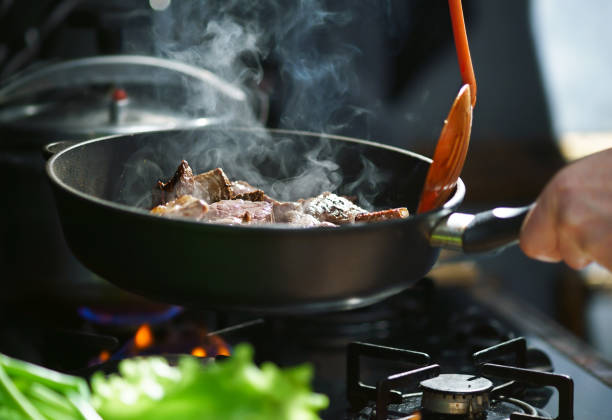
Season your meat and transfer it immediately to the hot pan or oven. Heat is the only sanitizer that matters. Once the internal temperature hits 165°F, every bacteria you were worried about is dead.
What To Do If You Already Washed It
Maybe you are reading this, and you just finished washing a chicken for dinner. Don’t panic. But you do need to clean up properly.
Do not just wipe the sink with a sponge. You need to disinfect. Spray the sink, the faucet handles, and the surrounding countertop with a bleach-based cleaner or a disinfectant spray. Let it sit for the recommended time (usually 1-5 minutes) to actually kill the pathogens. If you use a sponge to wipe it up, put that sponge in the dishwasher or microwave it wet for a minute to sanitize it. If you have saved the carcass for stock, ensure you get it into the pot quickly—my Rich Chinese Chicken Broth Recipe relies on good hygiene to ensure the soup stays fresh for days.
Breaking the Habit
Old habits die hard. It feels counterintuitive to take raw meat and put it directly into a pan. It feels “dirty.” But we have to trust the science over our feelings.
The heat of the oven is the cleanser. The fire of the stove is the soap. By skipping the wash, you aren’t being lazy; you are being smart. You are keeping your kitchen safe for your family. It might take a few tries to get used to the “Pat Dry” method, but once you see how much better your chicken browns, you won’t miss the splashy mess at the sink.
I know this is a controversial topic in many households! Does your family have a strict “wash the bird” rule, or have you converted to the dry-prep method? Tell me about your kitchen battles in the comments below.
Frequently Asked Questions
Does vinegar kill bacteria on chicken?
No, not effectively. While vinegar is acidic, it is not a hospital-grade disinfectant. It will not kill Salmonella or Campylobacter instantly upon contact. The only thing that kills these bacteria effectively in a culinary setting is heat (cooking to 165°F).
How do I remove the slime without washing?
The “slime” is usually just protein-rich water mixed with soluble fats. The best way to remove it is to pat the chicken thoroughly with disposable paper towels. This physically lifts the moisture off the meat without spreading bacteria through the air.
Is it safe to wash chicken if I bleach the sink afterwards?
Technically, yes, if you are incredibly thorough. However, the risk is that you might miss a spot, or that the microscopic spray landed on your clothes or a nearby utensil you didn’t think to clean. It is much safer (and easier) to simply skip the washing step entirely.
Why do recipes from other countries call for washing chicken?
In many parts of the world, chickens are sold freshly slaughtered in open-air markets rather than pre-packaged in factories. In these cases, washing is necessary to remove visible dirt, feathers, or blood. However, standard supermarket chicken in developed nations has already been cleaned during processing and does not require this step.
Does soaking chicken in salt water clean it?
Soaking chicken in salt water is called “brining.” It is a fantastic technique for adding flavor and moisture to the meat, but it is not a cleaning method. The bacteria are still present in the brine and on the chicken until it is cooked.