What is ‘Mala’? A Simple Guide to Numbing and Spicy Flavours
Last Updated on 2025-11-13 by Suryo
Introduction to Mala
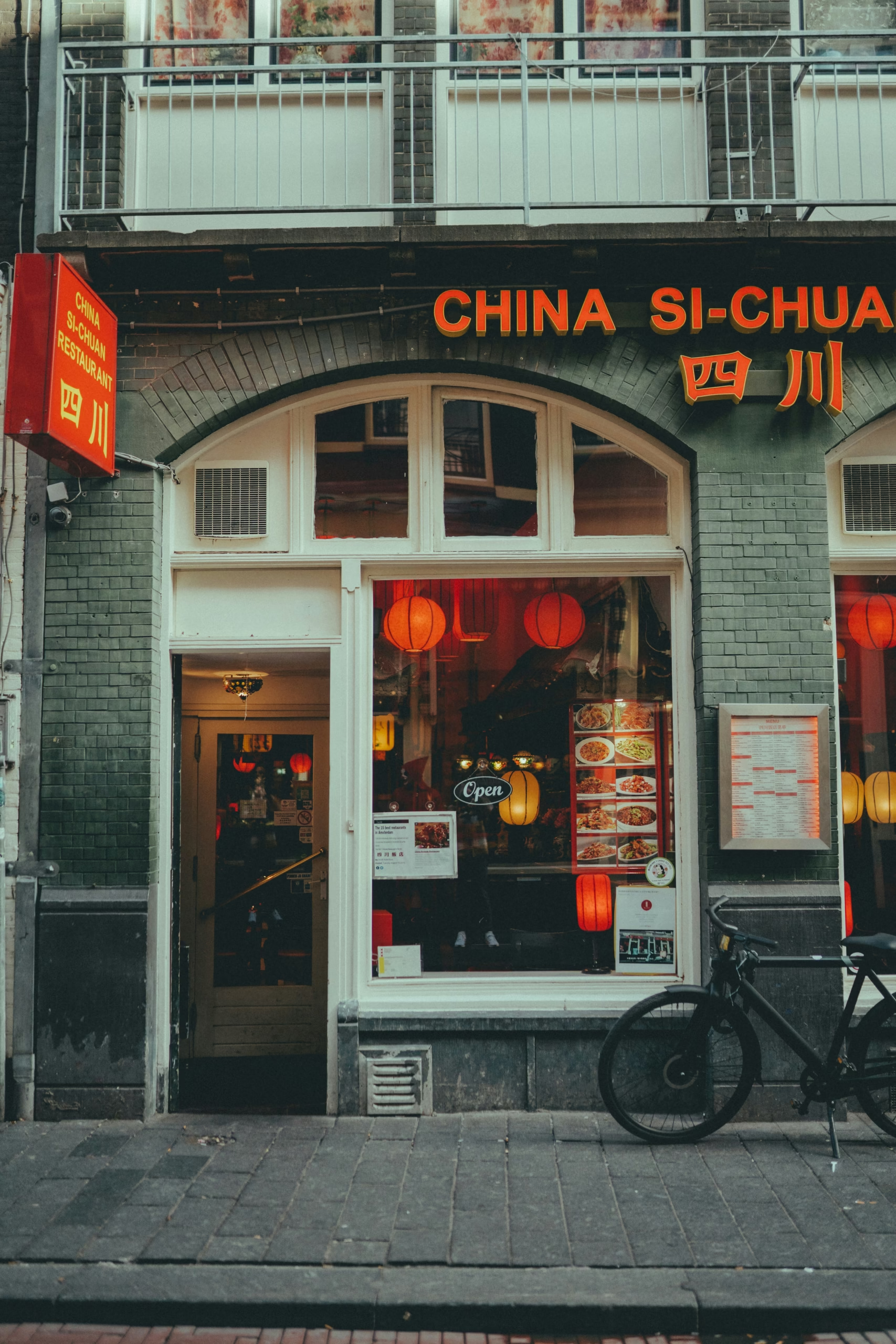
Mala, a notable term in the realm of culinary experiences, emerges from Sichuan cuisine, renowned for its bold flavors and distinctive cooking techniques. The term itself is a harmonious blend of two Chinese characters: “ma,” which denotes a numbing sensation, and “la,” meaning spicy. This unique combination encapsulates the essence of mala, characterized by its ability to evoke complex sensory experiences through a fusion of heat and tingling sensations. Originating in the Sichuan province of China, mala has become synonymous with rich, spicy dishes that challenge and delight the palate.
The inception of mala can be traced back centuries, deeply rooted in the culinary traditions of Sichuan. The region’s unique climate and agricultural practices fostered the growth of various flavorful ingredients, such as Sichuan peppercorns, which contribute to the distinct numbing quality. Over time, these ingredients were masterfully incorporated into local dishes, becoming staples in the diets of Sichuan inhabitants. Mala not only imparts a distinctive flavor profile but also serves as a cultural phenomenon, reflecting the social and communal aspects of Chinese dining.
In recent years, the appeal of mala has transcended geographical boundaries, gaining immense popularity beyond China’s borders. Mainstream food culture has embraced this combination of spicy and numbing flavors, resulting in a burgeoning trend of mala-inspired dishes worldwide. From restaurants specializing in hot pot to various street food vendors, mala has found its place in the global culinary landscape. This growing fascination invites food enthusiasts to explore the nuances of mala, deepening their understanding of its captivating duality that combines both heat and a distinct numbing sensation. As we delve deeper into the aspects of mala, it is essential to grasp these two key components, which are integral to experiencing its full flavor profile.
Breaking Down ‘Mala’: The Two Key Components
The term ‘mala’ is a fundamental concept in Sichuan cuisine, representing a unique combination of sensations that tantalize the palate. The word itself is derived from two distinct Chinese characters: ‘ma’ (麻), which signifies the numbing sensation, and ‘la’ (辣), denoting the spiciness. Together, these elements create a harmonious balance that defines the mala flavor profile, cherished by many food enthusiasts.
The numbing component, represented by ‘ma,’ is primarily attributed to Sichuan peppercorns (花椒), a key ingredient that sets mala apart from other spicy cuisines. Unlike typical black or white pepper, Sichuan peppercorns produce a tingling, almost electrifying sensation on the tongue, experienced as a soft, lingering numbing effect. This unique characteristic is due to the presence of hydroxy-alpha-sanshool—a compound that activates certain nerve receptors in the mouth. When paired with the heat of chilies, this numbing quality enhances the overall culinary experience, allowing for a richer and more layered taste sensation.
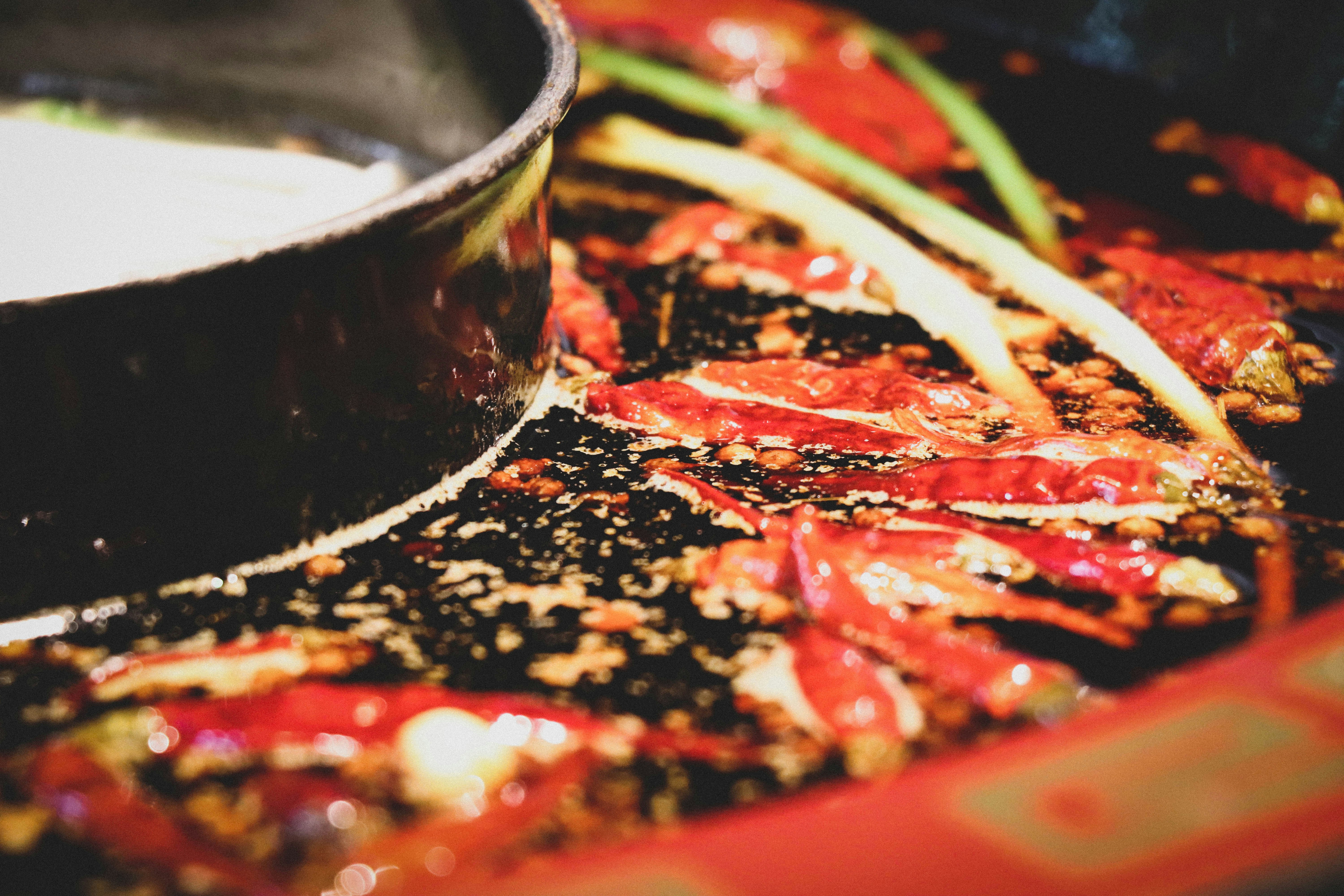
On the other hand, ‘la’ brings the heat to the table, primarily sourced from various types of dried chilies used in Sichuan cooking. These chilies can range from mild to extremely hot, and their inclusion adds a fiery kick that contrasts beautifully with the numbing effect of Sichuan peppercorns. Scoville heat units (SHU) indicate the spice level, and in mala dishes, the balance between the heat and numbness is essential. Chefs meticulously adjust the quantities, aiming to create a multi-dimensional flavor profile that celebrates both components without overshadowing one another.
Ultimately, it is this intricate interplay between ‘ma’ and ‘la’ that defines ‘mala’ and renders it a compelling choice for those seeking a distinctive culinary experience. By understanding these two key components, one can truly appreciate the complexity and allure of mala cuisine.
The Numbing Sensation Explained
The numbing sensation that characterizes many Sichuan dishes is primarily attributed to a unique ingredient: Sichuan peppercorns. Unlike traditional pepper, which delivers heat primarily through capsaicin, Sichuan peppercorns impart a distinct tingling and numbing feeling on the palate due to the presence of a chemical compound known as hydroxy-alpha-sanshool. This compound interacts with the sensory receptors in the mouth, specifically targeting the neuroreceptors that respond to touch and pain, thus inducing a mild numbing effect that can be both intriguing and refreshing.
This sensory experience is often described as a “numbness” rather than pain, and it uniquely enhances the flavors of other ingredients in the dish. When paired with spicy elements, such as chili peppers, the numbing effect allows the heat to be more pronounced without overwhelming the taste buds. It creates a balanced interplay between numbness and spiciness, allowing for a complex flavor profile that defines authentic Sichuan cuisine. Culinary enthusiasts often find this juxtaposition to be a delightful aspect of the dining experience.
The Spicy Heat of Mala
The essence of mala, a popular flavor profile originating from Sichuan cuisine, lies in its distinct spicy and numbing qualities. This combination is largely achieved through a variety of chilies, each contributing unique characteristics to the overall taste experience. One of the most commonly used chilies in mala dishes is the Sichuan peppercorn, which provides a unique numbing sensation on the palate, enhancing the heat from other chilies.
In terms of heat levels, chilies are classified based on the Scoville Heat Scale, allowing for a standardized measurement of their pungency. Dried red chilies, such as the Facing Heaven chili, add both heat and a touch of sweetness, making them a staple in many mala recipes. The heat they impart can range significantly, often reaching up to 50,000 Scoville Heat Units (SHU), depending on the variety. Other varieties, like the bird’s eye chili, possess a fiercer heat profile, with some measuring over 100,000 SHU, infusing dishes with an intense spiciness.
Another critical component in the mala experience is the use of chili oil. This oil is created by infusing oil with various dried chilies and spices, intensifying the flavor while allowing the heat to penetrate the dish thoroughly. The oil adds a glossy finish to the food, elevating the visual appeal alongside the palate’s fiery excitement. When integrated thoughtfully, the interplay between various chilies and the numbing sensation can create a truly unique dining experience, merging pain and pleasure in a remarkable way.
This delightful symphony of heat, flavor, and numbing attributes of mala is what captivates the senses and keeps diners yearning for more, making it a beloved addition to countless culinary traditions.
Iconic Mala Dishes
Mala, renowned for its unique combination of numbing and spicy flavors, is integral to various iconic dishes in Chinese cuisine. Two standout dishes that encapsulate the essence of mala are Mapo Tofu and Dan Dan Noodles. Each dish integrates this distinctive flavor profile, enhancing their appeal among culinary enthusiasts.
Mapo Tofu, originating from Sichuan province, is a celebrated dish characterized by its soft tofu immersed in a spicy, fragrant sauce. The primary ingredients include tofu, ground pork, fermented black beans, and Sichuan peppercorns. The tofu absorbs the rich, spicy sauce, while the Sichuan peppercorns contribute to the dish’s signature numbing sensation. To prepare Mapo Tofu, the pork is first stir-fried until browned, followed by the addition of garlic, ginger, and black bean paste. Finally, the tofu cubes and a simmering broth are combined, allowing the flavors to meld. The result is a comforting yet exhilarating dish that showcases the core principles of mala cooking.
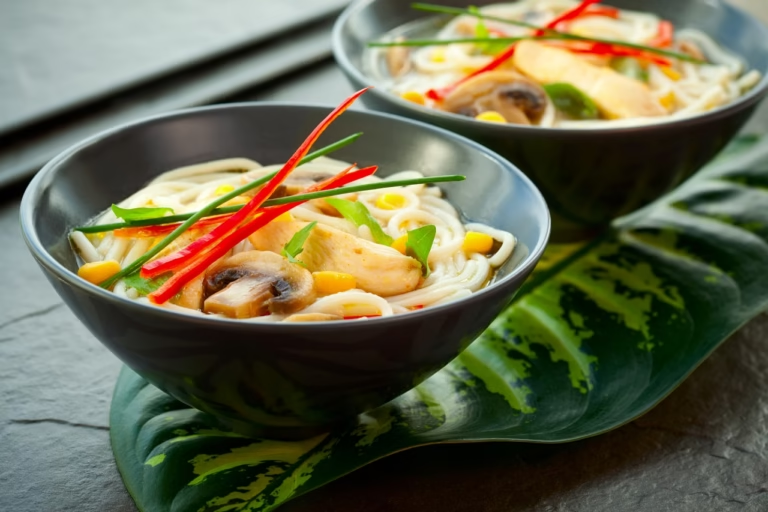
Dan Dan Noodles, another iconic mala dish, features a delightful combination of noodles served with a spicy, savory sauce. The dish usually includes ingredients such as ground pork, peanuts or sesame paste, and a mix of chili oil and vinegar to create depth of flavor. When preparing Dan Dan Noodles, the ground pork is cooked with garlic and ginger before the addition of the sauce ingredients. The noodles are then tossed in this flavorful concoction, creating a dish that provides not only heat but also a satisfying texture from the crushed peanuts. This dish exemplifies how the elements of numbing and spiciness can come together in perfect harmony, offering a quintessential experience of mala cuisine.
Mala in Contemporary Cuisine
The culinary world has witnessed a remarkable transformation as traditional flavors, such as mala, have steadily integrated into contemporary cuisine. Originating from Sichuan cooking, mala is characterized by its unique combination of spiciness and numbing heat, deriving primarily from Sichuan peppercorns and various chili peppers. This bold flavor profile has transcended its regional roots, making a profound impact on global gastronomy.
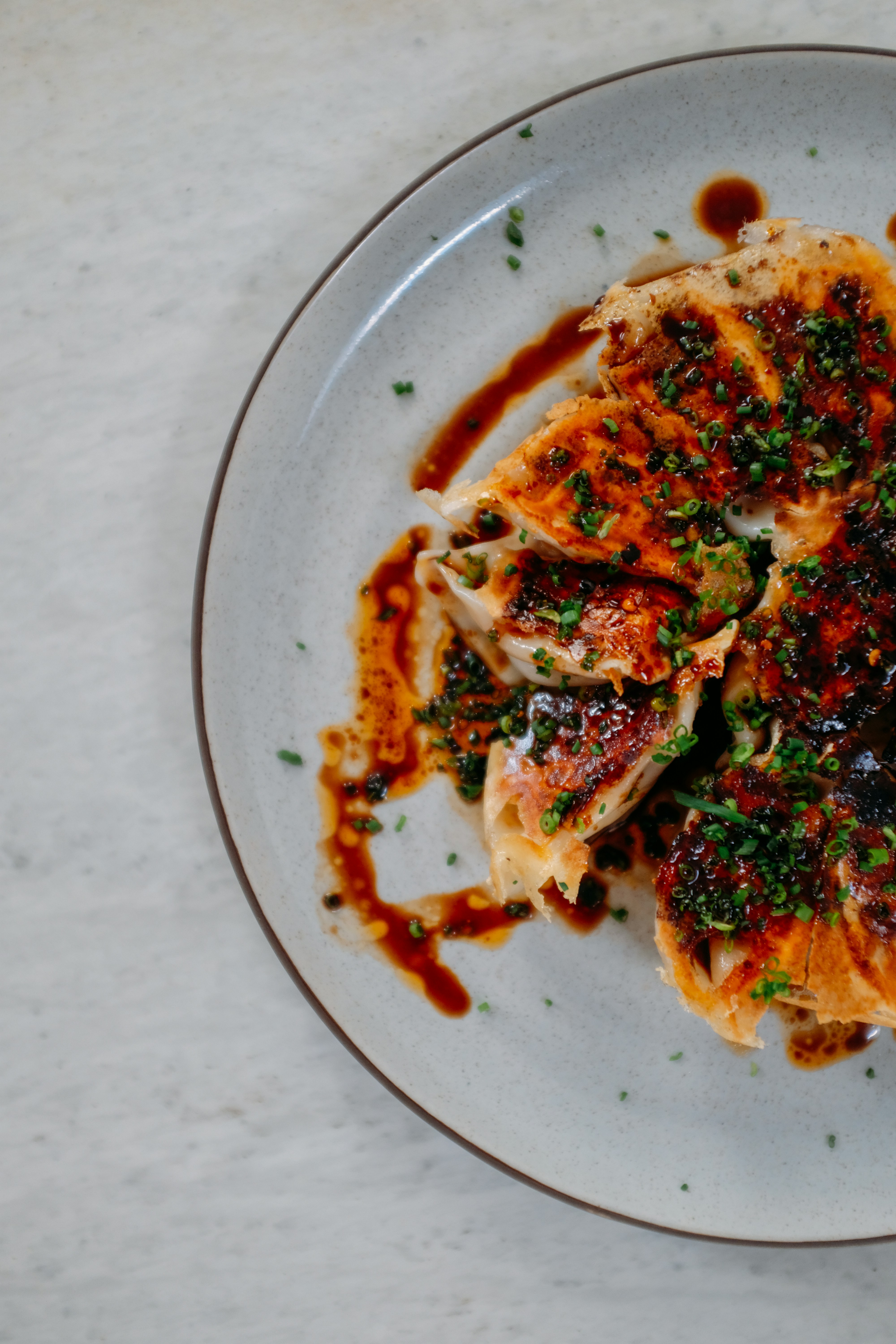
As chefs experiment and innovate, mala has been adopted in a plethora of dishes that span beyond the traditional Chinese fare. Restaurants across the world are reinterpreting mala by incorporating it into fusion dishes that reflect diverse culinary influences. For instance, some establishments have created mala-inspired pizzas where spicy chili oil and numbing peppercorns complement melted cheese, offering a tantalizing twist on a classic Italian dish. Others have introduced mala tacos, combining familiar Mexican flavors with the distinct heat of mala.
Prominent chefs are at the forefront of this culinary trend, pushing the boundaries of what mala can be. Chef Wu, the owner of a popular Asian-fusion restaurant, has crafted a signature mala burger that highlights the peppery essence while maintaining a rich umami profile. Meanwhile, acclaimed food blogger Sarah Lee has generated a dedicated following by sharing innovative mala recipes on her platform, inspiring home cooks to appreciate the versatility of this bold flavor. Through these creative approaches, mala is transitioning from a niche seasoning to a mainstream culinary element, appealing to a broader audience.
The burgeoning popularity of mala signifies not only a shift in consumer taste but also a broader acceptance of global cuisine integrated into local contexts. As mala continues to find a secure place in contemporary cooking, its potential for further evolution remains promising, inviting more individuals to embrace its vibrant characteristics.
How to Enjoy Mala
Enjoying mala dishes can be an exhilarating experience, marked by the perfect balance of intense spiciness and numbing flavors. To embark on this culinary journey, one should first familiarize themselves with the distinct characteristics of mala, which predominantly derives its heat from Sichuan peppercorns and various chili peppers. The first step in savoring mala is to gauge your personal spice tolerance. For newcomers, it may be wise to start with a milder mala dish or dilute the intensity with complementary ingredients. Gradually increasing spice levels can make the experience enjoyable without overwhelming your palate.
Balancing the flavors is crucial when indulging in mala. The spicy and numbing characteristics can significantly overshadow delicate flavors, hence it is advisable to include a variety of textures and tastes in your meal. Pairing mala with cooling ingredients such as yogurt, cucumber, or sesame can help temper the heat while enhancing the overall flavor profile. Additionally, pairing mala with carbohydrates, such as steamed rice or noodles, serves to absorb excess heat and offers full-bodied satisfaction.
When preparing mala at home, it is essential to pay attention to the layering of flavors. Start with a flavor base, such as garlic, ginger, and scallions, to build depth before introducing mala spices. The choice of protein and vegetables is equally important; popular options include tofu, mushrooms, and various meats, which successfully absorb the spicy seasoning. Cooking methods like stir-frying or simmering in broth can further enhance the dish. Finally, garnishing with fresh herbs or crushed peanuts can add a delightful crunch and aroma, making your mala experience both enjoyable and satisfying.
FAQs About Mala
Mala, a term derived from Chinese, translates to “numbing and spicy,” capturing the unique flavor profile that has gained popularity worldwide. One common question is whether mala flavor is consistently extremely hot. It is essential to clarify that while mala can indeed be spicy, the level of heat varies significantly depending on the recipe or dish. The heat primarily comes from dried chili peppers, and some preparations may emphasize a balanced flavor rather than a purely intense spiciness. It is possible to find mala dishes that provide warmth without overwhelming heat, catering to diverse palates.
Another frequent inquiry revolves around the source of the numbing sensation characteristic of mala cuisine. The numbing effect is primarily attributed to Sichuan peppercorns, known for their unique ability to produce a tingling sensation on the tongue. This pepper is a crucial ingredient in many mala sauces and dishes, offering a distinctive and complex flavor profile. The combination of the spiciness from chili peppers and the numbing quality from Sichuan peppercorns creates a harmonious blend that defines mala.
For those interested in exploring mala at home, purchasing pre-made mala sauce is a convenient option. Many Asian grocery stores stock various brands of mala sauce, typically found in the international aisle or specific Asian sauce section. Online retailers also provide a wide range of mala sauces, making it easy to find one that suits personal tastes. When selecting a mala sauce, it may be beneficial to check the ingredient list to ensure it aligns with individual preferences regarding spice levels and additional flavor components.
Conclusion: Embracing Mala Flavors
Mala, a distinct and potent flavor profile originating from Sichuan cuisine, has earned its place as a staple among spice enthusiasts and culinary adventurers. The unique combination of numbing Sichuan peppercorns and fiery chili peppers creates a harmonious blend that tantalizes the palate. The complexity of mala flavors not only stimulates taste buds but also enhances the overall dining experience by providing a delightful contrast to traditional dishes.
As food lovers seek new experiences, mala offers an enticing pathway into the world of bold culinary adventures. The diverse applications of mala can be found across various dishes, from classic hot pots to modern fusion cuisine, showcasing its versatility. This adaptability allows mala to appeal to a wide range of preferences, enabling diners to discover the many nuances of this flavor profile. Furthermore, mala’s rising popularity is a testament to its ability to captivate even the most discerning food aficionados, making it a trend that transcends regional boundaries.
For those willing to explore, embracing mala means indulging in an extraordinary taste journey. Trying dishes infused with mala can lead to exciting discoveries, whether through traditional recipes or innovative interpretations. It is essential to approach mala with an open mind and a sense of adventure, as the sensations it offers can be both surprising and deeply satisfying.
In conclusion, mala serves as a celebration of bold flavors, striking a perfect balance between heat and numbing sensations that define this iconic taste narrative. By incorporating mala into your culinary repertoire, you invite a world of stimulating and exciting flavors into your meals. As the popularity of mala continues to grow, we encourage you to embrace its diverse forms and savor the unique experience it brings to your dining table. Enjoy the thrill of mala, and do not hesitate to venture into new culinary territories!