5 Best Side Dishes What Is Rendang Served With
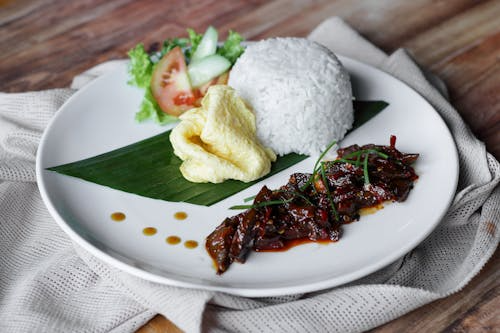
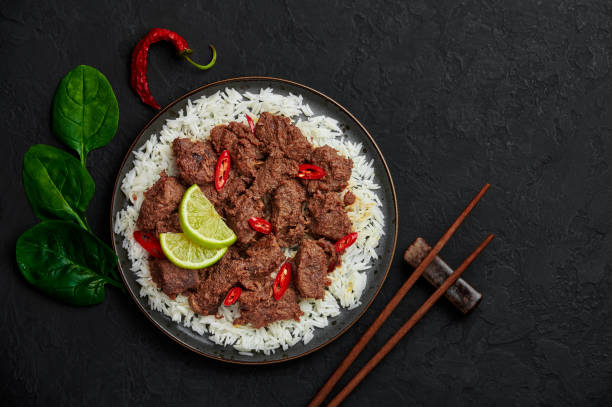
You’ve done it. After hours of patient simmering, stirring, and praying to the culinary gods, you’ve created a perfect beef rendang. The oil has split, the dedak (caramelized coconut solids) has formed, and the aroma is intoxicating. Consequently, you are a culinary champion. However, now… what? Serving this complex, rich, and heavy masterpiece all by itself is, to be blunt, a rookie mistake. In fact, it’s like having a world-class orchestra with no conductor. So, what is rendang served with?
The short answer is: a team. Moreover, the long answer is a masterclass in flavor balancing, texture contrast, and cultural tradition. As a culinary expert, let me tell you that the best side dishes for rendang aren’t just “nice to have”; they are a structural necessity to prevent palate fatigue and unlock the full experience of the dish.
Before we even discuss a single side dish, it’s critical to understand the passion and cultural weight this single dish carries. The reason we must serve it correctly is because it’s so deeply revered.
Expert Analysis
This video isn’t a recipe; it’s about passion. It perfectly captures the fiery, deep-seated debate over rendang’s origins. As a chef, this tells me one critical thing: any dish this important, this revered by two entire nations, demands that you serve it correctly. It’s a matter of respect for the dish itself. Therefore, this passion is precisely why we must build the perfect, balanced plate around it. Serving it alone simply doesn’t do it justice.
Video via CNA Insider on YouTube
The “Nasi Padang” Philosophy: Why Rendang is Never Served Alone
The entire concept of what to eat with rendang is perfectly encapsulated by the “Nasi Padang” or “Nasi Kapau” restaurants, the original home of rendang. You never just order rendang. You get a plate of rice, the server adds the rendang, and then, like a culinary artist, the server rapidly adds 5, 10, or even 15 different small side dishes.
Is this just for show? Unquestionably, absolutely not. Based on our analysis, this is a genius system of flavor balancing. Chefs consider Rendang the “King” on the plate—rich, heavy, fatty, and intensely complex. As a result, its supporting cast must do the jobs the King cannot.
The best practice is to follow 4 Principles of Flavor Balancing:
- The Vehicle: Something neutral to absorb the sauce and carry the flavor.
- The Cut: Something acidic and fresh to “cut” through the fat and cleanse the palate.
- The Contrast: Something crunchy or bitter to provide textural and flavor contrast.
- The Complement: Other dishes that harmonize but have a different flavor profile.
Let’s break down each component that you must place on your plate.
1. The Non-Negotiable Vehicle: Nasi Putih (Steamed White Rice)
This is the foundation. Additionally, it is the canvas. You cannot debate this point. Hot, fluffy steamed white rice is the first and most important answer to “what is rendang served with?”
- Why It’s Essential: Rendang is not a soup. Its sauce (or more accurately, its *dedak*) is intensely concentrated and oily. Fluffy white rice acts as the perfect sponge, absorbing every last drop of that aromatic oil and spice. Furthermore, its neutrality allows the complex flavor of the rendang to shine without competition.
- A Common Mistake: Serving rendang with flavored rice (like yellow rice or fried rice). This is a culinary crime. It’s like pouring ketchup on ice cream. Just don’t.
- The Exception: The only other acceptable alternative is Ketupat or Lontong (compressed rice cakes), which home cooks often serve during celebratory events like Eid. They serve the same function: a neutral, absorbent vehicle.
2. The Palate-Saving Hero: Acar Kuning (Indonesian Pickles)
If rice is the foundation, then Acar is the savior. This is the best side dish for rendang in the “Cut” category. Acar is a vibrant quick pickle of cucumber, carrot, shallots, and sometimes pineapple, all suspended in a bright, sweet-sour liquid of vinegar, sugar, and turmeric.
- Why It’s Essential: This is the ying to rendang’s yang. Rendang is rich, heavy, and fatty; conversely, Acar is light, acidic, and crunchy. Every bite of Acar is like hitting a “reset” button on your palate. The acetic acid literally cuts through the fat on your tongue, making the next bite of rendang taste just as good as the first.
- Texture is Key: Don’t forget the crunch! The tender, fall-apart texture of the rendang *needs* the snappy, crisp contrast of the lightly pickled vegetables.
Side Dish Profile: Acar Kuning
- Cook Level: Easy
- Preparation Time: 15 minutes prep, 30 minutes pickling.
- Flavor Profile: Sweet, sour, acidic, crunchy.
- Chef’s Pro-Tip: Make it at least one hour ahead, but no more than a day. You want the vegetables to be pickled but still retain their fresh, snappy crunch.
- Nutrition Facts (General): Very low calorie (approx. 30-50 kcal per serving), high in fiber and vitamin A (from carrots). Above all, its main job is to provide acidity, not calories.
3. The Traditional Green: Daun Singkong Rebus (Boiled Cassava Leaves)
This is “Contrast” and “Complement” in one package. If you walk into any authentic Padang restaurant, this is the standard green you will get. It’s not spinach. It’s not kale. It is cassava leaves.
- Why It’s Essential: Cassava leaves have a unique, wonderful flavor: earthy, slightly bitter, with a pleasant, firm chew. In fact, chefs consider that slight bitterness a stroke of genius. It balances the *sweetness* that comes from the caramelized coconut milk. Its chewy texture is also fantastic for “mopping up” the rendang sauce from the plate.
- A Common Mistake: Substituting with spinach. Spinach will disintegrate and turn to mush. A better, more robust substitute if you can’t find cassava leaves is Lacinato kale, which you must boil until tender.
Side Dish Profile: Boiled Cassava Leaves
- Cook Level: Easy
- Preparation Time: 20-25 minutes (boiling time).
- Flavor Profile: Earthy, slightly bitter, chewy.
- Chef’s Pro-Tip: A common practice is to boil the leaves with a pinch of baking soda. This keeps them tender and bright green.
- Nutrition Facts (General): Low calorie (approx. 40 kcal per cup), but a nutritional powerhouse packed with protein (for a green!), fiber, and vitamins.
4. The Textural Symphony: Kerupuk & Bawang Goreng (Crackers & Fried Shallots)
A plate of rendang without crunch is a sad, one-dimensional plate. Most home cooks forget this element, but professional kitchens live by it. This is the traditional rendang pairing that adds excitement.
- Bawang Goreng (Fried Shallots): This is not a garnish; it’s a mandatory component. You sprinkle them over the rice, and they add a burst of sweet, savory, and toasty crunch.
- Kerupuk Kulit (Beef Skin Crackers): This is next-level. The cracker (often called *jangek* in Padang) is light, airy, and puffy. When you scoop it into the rendang sauce… it’s magic.
- Emping (Melinjo Nut Crackers): These are a bit more of an acquired taste. They are firm, crunchy, and have a distinct, delicious bitterness that, like the cassava leaves, beautifully contrasts the rich rendang.
The importance of texture cannot be overstated. In fact, it’s a key principle in mastering authentic Chinese food as well, where a “mouth-feel” (口感) is just as important as the taste.
5. The “Full Plate” Complements: Other Lauk (Side Dishes)
A perfect Padang plate is about variety. You almost never get *just* rendang. You get a team. Here are the other “players” that complete the picture.
- Sambal Ijo (Green Chili Sambal): Rendang has a deep, spicy, warm heat from its spices. Meanwhile, Sambal Ijo provides a completely different kind of heat: bright, sharp, and fresh. They are both on the plate for the same reason you have red and white wine at a party—they do different jobs.
- Telur Balado (Eggs in Red Chili Sauce): A hard-boiled egg, fried, and then smothered in a bright red sambal. This adds another protein element and, again, that “bright” and “sharp” spice, a perfect counterpoint to rendang’s “deep” and “low” spice.
- Gulai Nangka (Young Jackfruit Curry): Chefs often serve this right alongside. It’s a lighter, soupy-er, yellow curry that acts as an additional “sauce” for the rice, complementing the very dry, concentrated *dedak* of the rendang. This is also a fantastic answer for vegetarian rendang side dishes.
What to AVOID Serving with Rendang (A Chef’s Warning)
Knowing what to eat with rendang also means knowing what *not* to eat with it. A common mistake can ruin the entire, painstakingly-crafted experience.
- Avoid Cream or Cheese: This is the number one foul. Never, ever serve rendang with potato gratin, mac and cheese, or creamed spinach. It is “fat on fat” and will create a heavy, sludgy, and monotonous meal.
- Avoid Other Heavy Starches: You serve rendang with rice. Adding mashed potatoes, pasta, or garlic bread is redundant and just adds more weight. Let the rice do its job.
- Avoid Competing Sauces: Rendang is an intensely complex sauce. Serving an equally rich peanut sauce right next to it will cause a flavor war. Let the rendang be the star sauce.
- Avoid Delicate, Nuanced Vegetables: Lightly steamed asparagus or a delicate spring salad will be “bullied” and completely bulldozed by the powerful flavor of rendang. Instead, you need sides that can stand up to it, like Acar or the bitter cassava leaves.
Final Verdict: Building the Perfect Rendang Plate
So, what is rendang served with? Ultimately, you must serve it with an intelligently designed support system. For the perfect at-home experience, here is your non-negotiable, chef-approved formula:
Your Perfect Plate = (1) Steamed White Rice + (1) Serving of Rendang + (1) Large spoonful of Acar Kuning + (1) Portion of Boiled Cassava Leaves + (1) Sprinkling of Fried Shallots and a side of Crackers.
This combination gives you every element you need: the neutral vehicle (rice), the rich star (rendang), the acidic cut (acar), the earthy bitter (cassava), and the crunch (shallots/crackers). In summary, it is a symphony, and rendang is the conductor.
Frequently Asked Questions
1. What is the most traditional side dish for rendang?
Aside from steamed white rice (which is mandatory), the most important traditional rendang pairings are Daun Singkong Rebus (Boiled Cassava Leaves) and Acar Kuning (Yellow Pickles). Sambal Ijo (Green Chili Sambal) is also almost always present.
2. What is Nasi Padang?
Nasi Padang is a style of service from Padang (the home of rendang). A server provides a plate of rice with small portions of a huge variety of dishes, including rendang, gulai, balado eggs, and vegetable sides. It’s the literal answer to “what is rendang served with”.
3. Can I serve a salad with rendang?
You should not serve a Western-style salad (like a Caesar or garden salad with vinaigrette) as the flavors will clash. The correct “salad” side dish is Acar (which is essentially a pickled salad) or Lalapan (a platter of fresh raw vegetables like cucumber and basil).
4. What’s the best drink to serve with rendang?
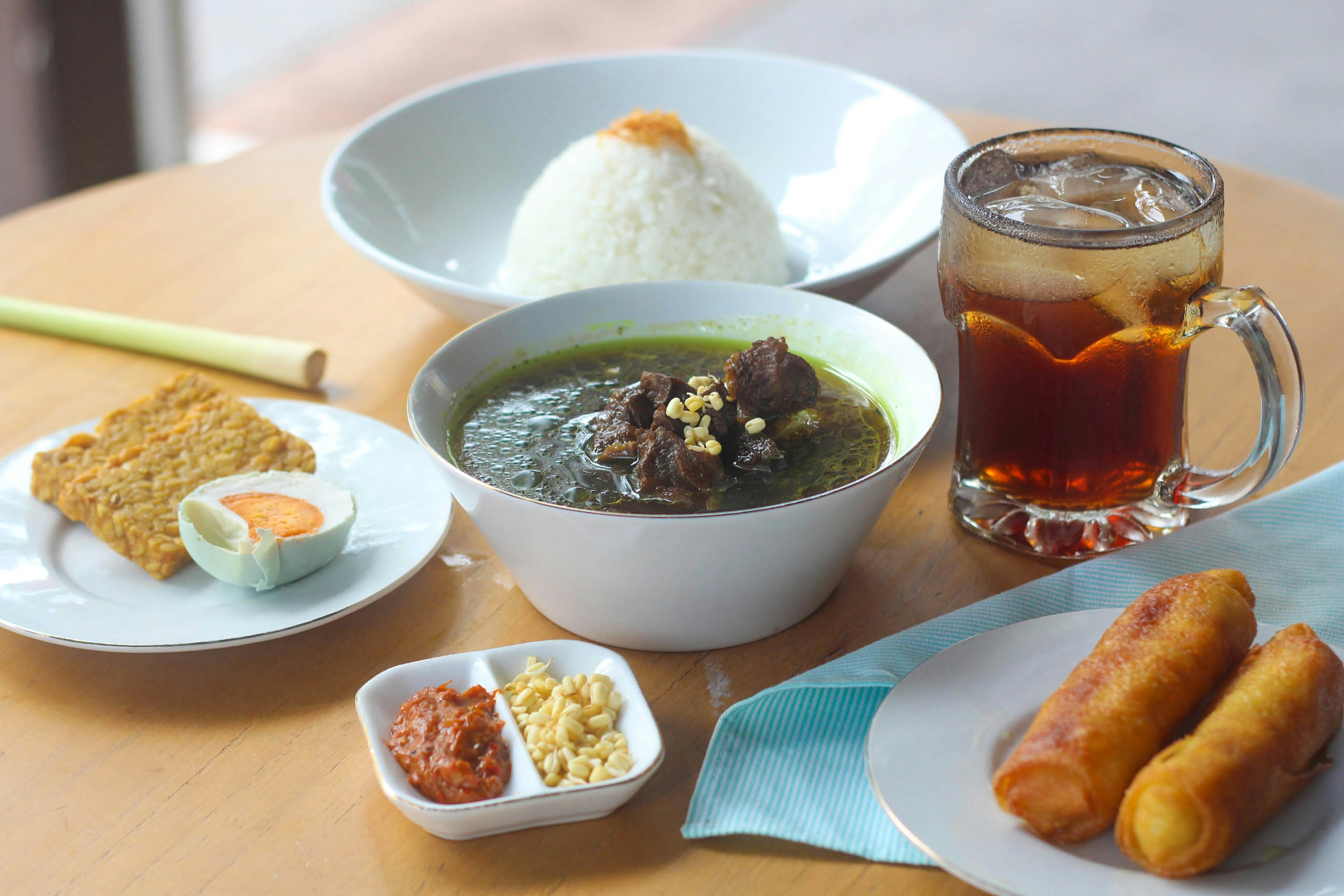
The traditional and best choice is Teh Tawar (unsweetened tea, either hot or iced). The tannins in the tea help cut the richness and cleanse the palate. Another popular option is Es Jeruk (fresh orange juice) for its acidity.
5. What greens are served with rendang?
The primary green you serve with rendang is Daun Singkong Rebus (Boiled Cassava Leaves). Other common options include Gulai Nangka (Young Jackfruit Curry) or Kangkung Tumis (Stir-Fried Water Spinach).