What Is the Most Popular Cheese for Grilled Cheese? This Is 5 Facts

The Great Grilled Cheese Debate: Who Is the Real King?
If you ask 100 people, “What is the most popular cheese for grilled cheese?” you will likely start a 100-person argument. It’s a question that strikes at the very heart of comfort food, nostalgia, and culinary preference. Some people will die on the hill of a classic, yellow, processed slice. On the other hand, food snobs will scoff, insisting on a complex blend of artisanal Gruyère and aged cheddar. It’s a surprisingly passionate topic.
But, “popular” is not the same as “best.” As a food expert, I’ve spent years analyzing not just what tastes good, but what *works*. The truth is, the most popular cheese won its title for a very specific, scientific reason, even if it’s not the most “gourmet” choice. This article will settle the debate, rank the contenders, and explain the science of the perfect melt.
Before we crown the king, however, let’s look at the difference between “most popular” and “most perfect.”
Expert Analysis: Popular vs. Perfect
Based on my analysis as a food expert, the most “popular” cheese (which we’ll reveal in a moment) is not always the “best” cheese for a truly gourmet sandwich. Popularity is often driven by cost, convenience, and nostalgia. In contrast, the “perfect” sandwich is a balance of texture and flavor.
The video below, for example, explores how to build the *perfect* grilled cheese. Notice, the creator doesn’t just grab the most popular, common slice. Instead, he focuses on creating a blend of cheeses specifically chosen for their superior meltability (like Gruyère) and their deep, complex flavor (like aged cheddar). This is the key difference: popularity is about what’s easy, while perfection is about what’s optimal. This video is a masterclass in the “optimal” approach.
Source Video: The Perfect Grilled Cheese Sandwich
The Spoiler: The Most Popular Cheese for Grilled Cheese Is…
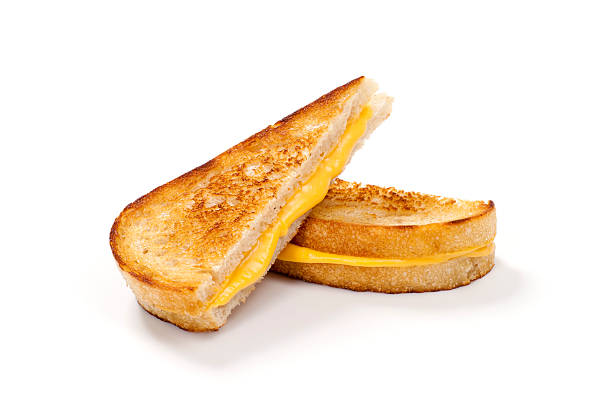
Let’s not bury the lead. The undisputed, undefeated, heavyweight champion of the grilled cheese world is… American Cheese.
Yes, the classic, individually-wrapped, fluorescent-orange (or white) slice. While chefs and foodies may turn up their noses, in reality, no other cheese comes close to its dominance in this specific arena. Data from countless surveys, restaurant suppliers, and grocery store sales all point to the same conclusion. But why? It’s certainly not for its complex, artisanal flavor. Its popularity is built on three pillars: science, nostalgia, and convenience.
Why American Cheese Dominates the Grilled Cheese World
The answer to “what is the most popular cheese for grilled cheese” is American, and here is the expert breakdown of why it’s so perfectly engineered for this one job.
1. The Unbeatable Melt (The Science of Processed Cheese)
This is the most important reason. American cheese is not just cheese; it’s a “pasteurized process cheese product.” Essentially, this means it’s a blend of real cheeses (like cheddar and colby) that have been melted, combined, and reformed with emulsifying salts like sodium citrate or sodium phosphate.
These emulsifiers are the secret weapon. A common mistake with natural cheese (like aged cheddar) is that it “breaks” when heated—the fats separate from the proteins, creating a greasy oil slick and a clumpy, stringy mess. However, the sodium citrate in American cheese acts as a referee, keeping the fats and proteins perfectly blended. Consequently, it melts into a perfectly smooth, creamy, and gooey sheet, every single time, with zero grease separation. It is, quite literally, scientifically designed to melt.
2. The Power of Nostalgia and Comfort
For millions of people, the taste of American cheese *is* the taste of childhood. It’s the cheese from the grilled cheese sandwiches their parents made them, the cheese on their first cheeseburger, the cheese in their first bowl of mac and cheese. That powerful nostalgic connection means that when we seek “comfort food,” our brains are often specifically seeking that mild, salty, creamy flavor. It’s not just a food; it’s a feeling.
3. Cost, Convenience, and Consistency
You can’t ignore logistics. American cheese is inexpensive, available in every single convenience store and supermarket, and comes perfectly pre-sliced to a uniform thickness. There’s no grating, no crumbling, no fuss. You just unwrap and drop. For a busy parent or a high-volume diner, this efficiency is unbeatable.
The Runner-Up: Cheddar (The People’s “Upgrade”)
While American cheese wins on pure popularity, Cheddar is the clear #2 and the most popular “non-processed” cheese for a grilled cheese. This is the first step most people take when they want to “grow up” their sandwich.
Why We Love It (The Flavor)
What Cheddar brings to the table is what American cheese lacks: flavor. A good sharp cheddar has a tangy, nutty, complex bite that stands up to a thick slice of sourdough bread. It adds character and makes the sandwich feel more like a “meal” and less like a “snack.”
The “Cheddar Trap”: A Common Mistake
However, this is where many home cooks fail. They grab the most expensive, aged, extra-sharp cheddar they can find, and the result is a disaster. Remember this: the older a cheese is, the less moisture it has and the more its protein structure has broken down. Consequently, an old cheddar is far more likely to “break” and turn into a greasy, clumpy mess, just as we discussed.
The best practice is to use a young, mild, or medium sharp cheddar. These have a higher moisture content and are much better “melters.” If you must have that sharp flavor, the secret is to blend it with a better melter (which we’ll get to).
The “Artisanal” Contenders (Popularity vs. Perfection)
When you move past American and Cheddar, you enter the realm of what chefs and “foodies” use. These aren’t the *most popular cheese for grilled cheese* by sales volume, but they are arguably the *best*.
1. Gruyère: The King of Gooey, Nutty Melts
Based on my analysis, if there is one “perfect” grilled cheese cheese, it’s Gruyère. This Swiss cheese is the star of French onion soup and fondue for a reason. It has an absolutely unparalleled melting ability, creating long, luxurious cheese pulls. Furthermore, it has a deep, nutty, and slightly sweet flavor that is incredibly complex. It’s the “best of all worlds” cheese.
2. Monterey Jack & Provolone: The Mild Melters
Monterey Jack is the “American cheese” of the natural cheese world. It’s mild, buttery, and melts into a glorious, smooth river of goo with almost no effort. It’s a fantastic base for a blend. Similarly, Provolone (the non-aged, deli-slice kind) also melts beautifully and adds a slightly “funkier” flavor that pairs wonderfully with sourdough.
The “Melt” Controversy: What About Adding Meat?
Okay, so we’ve settled the cheese. But what happens when you add bacon, turkey, or ham? Technically, it’s no longer a “grilled cheese”—it’s a “melt.” This is a hill many food purists will die on. But, if you’re going to make a melt, you need to consider your ingredients carefully.
When adding these ingredients, furthermore, food safety is key. You’re dealing with processed meats, which are strictly defined by regulatory bodies. In fact, the U.S. FDA has extensive guidance on regulated meat products to ensure what you’re buying is safe and properly labeled. This is a good read if you’re serious about your “melt” ingredients and want to understand what you’re *really* eating.
The Expert’s Secret: Why Blending is the Best Practice
So, what is the most popular cheese for grilled cheese? American. But what is the *best*? The answer is a blend.
The practice used by the best chefs is to never rely on a single cheese. They play matchmaker.
- The Ultimate Blend: 50% Gruyère (for the melt and nutty flavor) + 50% Sharp Cheddar (for the tang and bite).
- The Nostalgic Upgrade: 50% American (for the creamy, nostalgic melt) + 50% Sharp Cheddar (for a flavor kick).
- The Mega-Melt: 33% Gruyère + 33% Monterey Jack + 33% Provolone.
Therefore, the best approach is to combine a “Gooey” cheese with a “Flavor” cheese. This gives you the Instagram-worthy cheese pull *and* the deep, satisfying flavor.
Cheeses That Are *Not* Popular (And for Good Reason)
Finally, let’s look at the cheeses that fail the grilled cheese test. A common mistake is thinking *any* cheese will work. It won’t.
1. The “No-Melt” Cheeses (The Sawdust)
Example: Aged Parmesan, Pecorino, Cotija.
Why they fail: These are aged, hard, and dry. They have very low moisture. When heated, they don’t melt; they just burn, sweat, and turn into gritty sawdust. They are fantastic for *flavor* (a sprinkle in your blend is fine), but terrible as the main star.
2. The “Soggy-Makers” (The Water Bombs)
Example: Fresh Mozzarella (in water), Feta, Goat Cheese.
Why they fail: These cheeses have *too much* water. As they heat, they release steam and liquid, turning your crispy, golden bread into a soggy, wet mess. (Low-moisture mozzarella, like on a pizza, is a different story and melts well).
3. The “Anti-Melt” Cheeses (The Bagged Swindle)
Example: Pre-shredded, bagged cheddar.
Why they fail: This is a classic trap. To prevent the shreds from clumping in the bag, manufacturers coat them in potato starch, cornstarch, or cellulose (wood pulp). These anti-caking agents are *designed* to repel moisture and prevent melting. Consequently, your cheese will melt into a clumpy, grainy, and “dry” texture. The best practice is always to buy a block and grate it yourself.
Conclusion: The Most Popular vs. Your Most Perfect
So, what is the most popular cheese for grilled cheese? American Cheese. It wins by a landslide due to its perfect, science-backed meltability, convenience, and nostalgic power.
However, is it the *best*? That’s up to you. The *best* grilled cheese is often a blend. The *best* sandwich is one that balances the “popular” gooey-ness of an American or Gruyère with the “perfect” flavor of a sharp cheddar. Now, you have the expert knowledge to go beyond “popular” and start making your own perfect, ultimate grilled cheese.
Frequently Asked Questions (FAQ)
1. What is the absolute most popular cheese for grilled cheese?
Hands down, American Cheese. Its popularity is due to its unparalleled melting properties (thanks to emulsifying salts), convenience (pre-sliced), low cost, and strong nostalgic connection for millions of people.
2. What is the most popular “natural” or “non-processed” cheese?
Cheddar cheese. It’s the most common “upgrade” from American cheese, offering a sharper, more complex flavor. However, for best results, use a young or mild cheddar, as aged cheddars can separate and become greasy.
3. Why does my cheddar cheese get greasy instead of melting?
This is a common mistake. You are likely using an aged cheddar (Extra Sharp, for example). As cheese ages, it loses moisture and its protein structure changes, making it prone to “breaking” (the fat separating from the protein). For a smooth melt, use a younger, high-moisture cheese.
4. Is it better to use slices or shredded cheese?
Always use shredded (grated) cheese that you grate yourself from a block. Pre-sliced cheese (besides American) melts poorly, and bagged, pre-shredded cheese contains anti-caking agents (like potato starch) that prevent a smooth melt. Grating increases surface area for a faster, more even melt.
5. What’s the best blend for a perfect grilled cheese?
Based on our analysis, the best practice is to blend a “melter” with a “flavor” cheese. A classic expert blend is 50% Gruyère (for the ultimate gooey, nutty pull) and 50% Sharp Cheddar (for a tangy flavor).