What Is Vegan Rendang?This Is 5 Shocking Facts You Need to Know
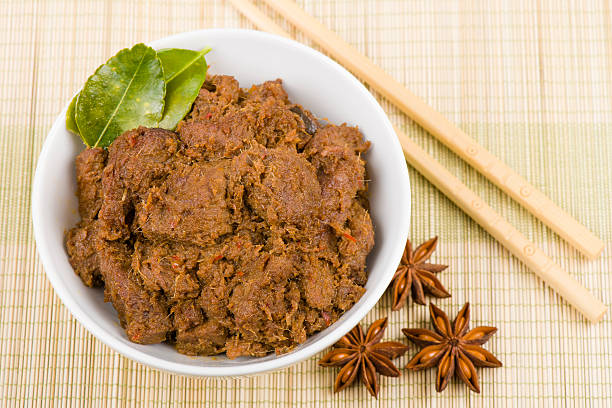
Let’s get one thing straight. The term ‘vegan rendang’ sounds like a culinary oxymoron, like ‘jumbo shrimp’ or ‘healthy dessert’. Rendang, the globally-crowned ‘World’s Most Delicious Food’, is a dish defined by beef, slow-cooked for hours in coconut milk and spices until it’s tender, dark, and complex. So, what is vegan rendang? Is it a pale imitation, a respectful homage, or is it a masterpiece in its own right?
As a chef, I’ll tell you the truth: I was a skeptic. However, after deep analysis of the flavor mechanics, I’ve come to a firm conclusion. Plant-based rendang is not only possible, it can be absolutely phenomenal. But, it is not a simple 1:1 substitution. It’s a fascinating culinary puzzle that requires you to rethink the entire process. This isn’t just “rendang without meat”; it’s an entirely new way to build that iconic flavor.
Expert Analysis
Before we get technical, I want you to watch this video. This recipe is a perfect example of the “no-compromise” approach. As a chef, what’s brilliant here is the focus on texture. This recipe understands that a vegan rendang recipe fails if the ‘meat’ is just mush. Pay close attention to how they use three different types of mushrooms (Shiitake, King Oyster, Button) to create layers of chew, tenderness, and umami. This isn’t just a substitute; it’s a new, thoughtful construction of flavor.
Video via WoonHeng on YouTube
The Big Question: Is Vegan Rendang “Real” Rendang?
This is where the purists check out, but the real chefs lean in. The answer is yes, if you understand what ‘rendang’ truly means. The word “merendang” is a verb. It describes the Minangkabau cooking process of slowly simmering, stirring, and reducing coconut milk and spices until all the liquid evaporates, the oils split, and the entire mixture caramelizes and darkens.
Therefore, the ‘rendang’ part is the method and the spice foundation, not the beef. The beef is just the protein that this method is traditionally applied to. When you apply this exact, painstaking, hours-long process to a plant-based protein, you are, by definition, making rendang.
Consequently, the real question isn’t “Is it real?” The real question is, “How do we build the flavor and texture of beef using only plants?”
What is Vegan Rendang Made Of? The 5 Pillars of Flavor
A successful vegan rendang is a balancing act. You cannot just remove the beef; you must replace its function. Based on our analysis, a masterpiece plant-based rendang stands on five essential pillars. This is what you need to know about what vegan rendang is made of.
Pillar 1: The “Meat” (The Protein & Texture)
This is the biggest challenge. Beef provides tenderness, chew, and a savory ‘maillard’ reaction. Your vegan substitute must provide, at minimum, two things: a “shred-able” texture and the ability to absorb flavor without disintegrating.
- Young Jackfruit: The undisputed champion. When cooked, it shreds and has a stringy, meaty texture that is shockingly similar to pulled beef. It’s also a blank canvas, absorbing the bumbu perfectly.
- Mushrooms (King Oyster & Shiitake): As seen in the video, these are flavor powerhouses. King Oysters, when shredded, have an amazing “scallop-like” chew. Shiitakes provide a deep, dark, umami backbone.
- Tempeh: A fantastic option. It’s firm, nutty, and has its own delicious flavor. You must fry it first to create a firm “crust” so it doesn’t fall apart during the 2+ hour cooking process.
- Seitan: If you’re not gluten-free, this is a texture king. It provides a robust, meaty chew that can stand up to anything.
Pillar 2: The “Bumbu” (The Spice Paste)
This is the soul of rendang. It is non-negotiable. This complex, aromatic paste is responsible for 90% of the flavor. In fact, you should make no compromises here. A traditional bumbu for rendang is a massive list of ingredients, but the core includes:
- Red Chilies (lots of them)
- Shallots (even more of them)
- Garlic, Ginger, Galangal, and Turmeric
- Candlenuts (for creaminess)
- Coriander, Cumin, and other “warm” spices
This focus on a complex, layered spice paste is the heart of many authentic Southeast Asian dishes. It’s a core principle you’ll also find when mastering authentic Chinese food.
Pillar 3: The “Santan” (The Coconut Milk)
This is the cooking medium. You cannot, under any circumstances, use “light” coconut milk. You need at least two cans of full-fat, premium coconut milk or, even better, fresh-squeezed. The fat is not just for flavor; it’s chemically necessary. The “merendang” process is about boiling off the water *from* the coconut milk, leaving you to essentially fry the bumbu and protein in pure, rendered coconut oil. This is what creates the “pecah minyak” (oil split) stage and is essential for caramelization.
Pillar 4: The “Kerisik” (The Secret Weapon)
This is the secret. Truly. If your vegan rendang recipe doesn’t include kerisik, throw it away. Kerisik is a toasted coconut paste. You make it by toasting desiccated coconut in a dry pan until it’s a deep, dark, reddish-brown, and then pounding or blending it until it releases its oil and becomes a paste.
Why is it vital? It adds a profound, nutty, toasted, and slightly sweet-savory flavor that mimics the Maillard reaction of browned beef. It also acts as a thickener, giving the final rendang its characteristic dark, “clinging” texture. Do not skip this. I repeat: DO NOT SKIP THIS.
Pillar 5: The “Aromatics” (The Finishing Touches)
These are the high-notes that cut through the richness. You add them to the pot *with* the coconut milk. They infuse the entire dish with a beautiful fragrance. These include:
- Lemongrass (bruised)
- Makrut Lime Leaves (torn)
- Turmeric Leaves (tied in a knot)
- Bay Leaves (Daun Salam)
The 3 Biggest Mistakes When Making Plant-Based Rendang
We see a lot of common mistakes. Creating a plant-based rendang is not for the faint of heart, but you can avoid these pitfalls.
Cook’s Profile: Vegan Rendang
- Cook Level: Sulit (Difficult) – This is a project, not a quick weeknight meal. PPreparation Time: 45 minutes (for the bumbu and protein prep).
- Cook Time: 2 to 4 hours. (You cannot rush the “merendang” process).
- Nutrition Facts (General): This is not a low-fat dish. It is high in (good) fats from the coconut and kerisik. It is calorie-dense, high in fiber (from the plants), and incredibly satisfying.
Mistake 1: Treating it Like a Curry (Under-cooking)
This is the most common error. A curry is a “gulai.” It’s wet, saucy, and cooked in 30-40 minutes. Rendang is what happens *after* the gulai stage. You must keep cooking. You have to patiently stand there and stir as the sauce thickens, spatters, splits its oil, and finally darkens and caramelizes. If your rendang is “soupy,” you’re not done. You’ve made curry, not rendang.
Mistake 2: Forgetting the Kerisik
I mentioned it before, and I will mention it again. Omitting kerisik is like making a cake without sugar. You’ve missed the entire point. It is the single most important ingredient for creating the “rendang” flavor profile, especially when you don’t have beef.
Mistake 3: Choosing the Wrong Protein (The Tofu Trap)
I love tofu. However, it is a terrible choice for a long-cooked rendang. Most tofu, even extra-firm, will disintegrate into a sad, grainy mush after two hours of simmering and stirring. If you *must* use it, you need to use pressed, frozen, thawed, and deep-fried tofu puffs, which can hold their structure. But honestly, just stick to jackfruit or mushrooms. It’s a different culinary discipline, like trying to make a stew with delicate fish—an approach better suited to Mastering European Classics than this robust Asian technique.
How to Get “Umami” Without Beef
So, you’ve got the texture from jackfruit and the toasty-nutty notes from kerisik. But what about the umami? What about that deep, savory, “meaty” background flavor? This is the final piece of the vegan rendang recipe puzzle.
The answer is to build an “umami bomb” right into your bumbu. Here are the best practices:
- Dried Shiitake Mushrooms: Soak them, use the soaking liquid in the bumbu, and finely chop the mushrooms themselves into the paste.
- Tomato Paste: A classic European trick that works wonders here. A tablespoon adds incredible depth and a hint of fruity acidity.
- Mushroom Powder: A chef’s secret weapon. A teaspoon of this adds more savory depth than you can imagine.
- Soy Sauce (or Tamari): A splash of high-quality soy sauce or tamari right at the end adds a final, fermented, savory punch that rounds out all the flavors.
Creating this “umami bomb” is a fundamental skill. It’s the secret to all world-class stir-fry sauces and the foundation of all great stocks and sauces.
Learn to Master Umami and SaucesFinal Verdict: So, What Is Vegan Rendang?
Ultimately, vegan rendang is a testament to culinary ingenuity. It’s a dish that proves the “rendang” method and flavor profile are so robust, so complex, and so brilliant that they can transcend their original protein.
It’s not a “fake” beef rendang. It is a real jackfruit rendang, or a real mushroom rendang. It’s a dish that takes the soul of one of the world’s best foods and respectfully translates it for a new audience. It is, in short, a masterpiece in its own right.
Frequently Asked Questions
1. What is vegan rendang made of?
The best plant-based rendang is typically made from a ‘meaty’ substitute like young jackfruit, mushrooms (especially King Oyster or Shiitake), or fried tempeh. This protein is then slow-cooked in the three non-negotiable components: the bumbu (a complex spice paste), coconut milk (santan), and kerisik (toasted coconut paste).
2. Does vegan rendang taste like beef rendang?
Honestly, no. It doesn’t taste like beef. However, it tastes exactly like rendang. The flavor profile—the spicy, aromatic, complex, toasty, and creamy taste—is identical. The texture is the main difference. A good jackfruit rendang is “shreddy” and tender, while a mushroom rendang is “chewy,” but neither will be mistaken for beef. It’s its own delicious thing.
3. Can I use tofu for vegan rendang?
We advise against it. Most tofu, even extra-firm, will disintegrate and turn to a grainy mush during the long, 2+ hour simmering and stirring process. The only exception is to use pre-fried, puffy tofu blocks, which can absorb the sauce while holding their shape.
4. What is the most important ingredient in a vegan rendang recipe?
There are two: the bumbu (spice paste) and the kerisik (toasted coconut paste). The bumbu creates the soul and aromatic complexity. The kerisik creates the deep, nutty, toasty flavor that mimics the “browned meat” taste, and it also gives the rendang its signature dark color and thick texture.
5. Is rendang always spicy?
Yes. A core component of the bumbu is a significant amount of chili. Rendang is meant to have a deep, warm, and lingering heat. You can reduce the number of chilies to make it “mild,” but an authentic rendang will always have a noticeable spice level.