What Makes Carbonara Creamy: The Ultimate Guide to This Italian Classic
A Brief History of Carbonara
Carbonara, a quintessential Italian dish, is renowned for its unique flavor profile and creamy texture. The origins of this beloved pasta dish can be traced back to Rome, although the exact timeline remains somewhat contested. Some culinary historians posit that carbonara emerged in the mid-20th century, particularly around the time of World War II, when American soldiers stationed in Italy began to influence local cuisine. The combination of readily available ingredients, such as eggs, pasta, and cured pork, led to the creation of this rich dish.
Another theory suggests that carbonara may have earlier roots linked to coal miners, or “carbonai,” who would prepare this hearty meal using simple and sustainable ingredients. This notion is supported by the dish’s name, which is derived from the Italian word for charcoal, “carbone.” The traditional version often consists of guanciale, Pecorino Romano cheese, eggs, and black pepper, all of which contribute to its fluffy yet creamy consistency without the use of cream, which is often mistakenly thought to be a necessary ingredient.
Over the years, carbonara has undergone various adaptations, leading to regional variations and personal interpretations around the world. For instance, some cooks have incorporated cream or additional ingredients such as onions or garlic, which may alter the dish’s classic creaminess. However, purists advocate for the original recipe, emphasizing that the perfect emulsion of fat from the guanciale and the egg creates the signature creamy texture that defines carbonara.
Understanding the historical context of carbonara provides insight into what makes carbonara creamy. The blend of traditional ingredients and preparation methods is what shapes its authentic character, allowing it to maintain its status as a beloved dish in Italian cuisine and beyond.
The Essential Ingredients for Creamy Carbonara
To understand what makes carbonara creamy, it is essential to appreciate the key ingredients that contribute to its rich texture and flavor. The traditional recipe emphasizes a careful combination of pasta, eggs, cheese, and cured pork, each playing a critical role in creating the authentic Italian experience.
The first ingredient, pasta, is the foundation of carbonara. Typically, spaghetti is used, but other varieties like fettuccine or bucatini can also work well. The pasta should be cooked al dente, as this method allows it to absorb the creamy sauce created from the other ingredients while retaining a firm bite. The starch released from the pasta aids in thickening the sauce, promoting the desirable creaminess.
Next, eggs are crucial in achieving that velvety consistency typical of high-quality carbonara. Whole eggs or a combination of yolks and whites are whisked together, forming the base for the sauce. When mixed with the hot pasta, the eggs naturally emulsify, creating a smooth coating that clings to each strand. This technique is vital in releasing the creamy texture that defines the dish, making it appear indulgent and luxurious without the use of heavy cream.
The choice of cheese further enhances the creaminess of carbonara. Pecorino Romano is the classic option, lending a sharp, salty flavor. However, Parmesan can also be used or blended with Pecorino for different nuances. As the cheese melts and combines with the pasta and egg mixture, it contributes to a rich, cohesive sauce that enhances the overall taste and mouthfeel.
Finally, the inclusion of guanciale or pancetta introduces a savory element to the dish. Guanciale, made from pork cheek, has a higher fat content, which provides an unparalleled richness and depth of flavor. As it cooks, the fat renders and combines with the other components, further enhancing the creaminess and authenticity of carbonara.
The Science Behind Creaminess
The allure of carbonara lies not only in its rich flavor but also in its signature creamy texture, which is achieved through a carefully orchestrated process involving emulsification. Emulsification refers to the mixing of two liquids that typically do not combine, resulting in a smooth and cohesive mixture. In the case of carbonara, this is primarily accomplished through the interaction of egg yolks and cheese, typically Pecorino Romano or Parmesan. These two ingredients are the cornerstone of the sauce’s creamy consistency.
When the hot, freshly cooked pasta is combined with the egg yolks, the heat gently cooks the yolks, transforming them into a silky sauce. The cheese adds not only flavor but also a significant component of fat, which contributes to the creaminess. As the cheese melts, it blends with the egg yolks, creating a rich, velvety texture. This technique eliminates the necessity for heavy cream, which is often a misconception in traditional carbonara recipes.
An essential role is played by pasta water in achieving the desired creamy consistency. When pasta is boiled, it releases starch into the water. This starchy water serves as a crucial binding agent when the pasta is tossed with the egg and cheese mixture. By adding a small amount of pasta water, one can control the thickness and ensure that the sauce clings beautifully to each strand of spaghetti or other pasta. The starch assists in emulsifying the sauce and prevents it from becoming too thick or clumpy, thereby optimizing the creamy finish of the dish.
Ultimately, the science behind what makes carbonara creamy is a harmonious blend of skillful technique and the natural properties of its ingredients. Understanding the mechanisms at play allows cooks to create an authentic, luscious sauce that is beloved in kitchens worldwide.
Common Mistakes When Making Carbonara
Carbonara is a beloved Italian dish renowned for its rich and creamy texture. However, achieving that perfect consistency can be challenging for home cooks, who often fall prey to several common mistakes. One of the most frequent pitfalls is overcooking the pasta. When pasta is cooked beyond al dente, it releases excess starch, which can lead to a gluey texture that detracts from the overall creaminess of the dish. To prevent this, it is crucial to monitor the cooking time closely and taste the pasta just before draining to ensure it maintains a firm bite.
Another mistake that can compromise the authenticity and creaminess of carbonara is the addition of cream. Traditional carbonara relies solely on the emulsification of eggs, cheese, and the fat rendered from guanciale or pancetta to achieve its creamy sauce. Incorporating cream can result in a heavy and overly rich dish, straying from the original recipe. Instead, focus on using high-quality ingredients, including Pecorino Romano cheese, which contributes to that desired velvety texture.
Furthermore, mismanaging the heat while mixing the eggs and cheese is a major error that home cooks encounter. If the residual heat in the pasta is too high, it may scramble the eggs, resulting in an unappealing texture rather than a smooth, creamy sauce. To prevent this, it is advisable to remove the pan from the heat source before combining the hot pasta with the egg and cheese mixture. This allows for a gentle cooking process, promoting the creation of a silky sauce that clings perfectly to the pasta.
By avoiding these mistakes and paying attention to the key components of the dish, home cooks can master the art of making carbonara and enjoy its delightful creaminess every time they serve it.
Tips for Perfecting Your Carbonara
Creating the perfect carbonara relies on careful selection of ingredients, mastery of cooking techniques, and precise timing. To begin, choose high-quality ingredients, particularly the pasta and cheese. Opt for traditional Italian pasta, such as spaghetti or bucatini, which will hold the sauce beautifully. When it comes to cheese, Pecorino Romano is the preferred option due to its strong flavor profile, but Parmigiano-Reggiano can serve as a delightful alternative.
To achieve that luxurious creaminess that distinguishes carbonara, it is essential to focus on the types of fats used in the recipe. Guanciale, the cured pork cheek, imparts an unparalleled richness compared to bacon or pancetta. This ingredient should be cooked slowly to render its fat properly, ensuring it crisps up while releasing those flavorful oils that will coat the pasta. Remember, using fresh ingredients plays a crucial role in achieving a delectable dish.
Timing is of the essence when preparing this classic dish. Once the pasta reaches the al dente stage, reserve a bit of the cooking water before draining. This starchy liquid is pivotal in creating the sauce’s creaminess, particularly when combined with the egg mixture. When mixing, remove the pan from direct heat to prevent scrambling the eggs and create a smooth emulsion with the rendered fat and cheese.
Lastly, when combining the components, it’s vital to work quickly. Toss the drained pasta with the guanciale and its fat, then mix in the egg and cheese mixture. This method ensures that the eggs gently cook without becoming clumpy, resulting in the perfect, velvety texture that defines a classic carbonara. Implement these insider secrets to elevate your culinary skills and enjoy a restaurant-quality dish at home.
Variations of Carbonara
Carbonara is a classic Italian dish, renowned for its rich and creamy texture, achieved through a combination of simple ingredients like eggs, cheese, cured pork, and pepper. However, numerous variations exist globally, each offering a unique twist while maintaining the essence of what makes carbonara creamy.
In traditional Italian cuisine, regional variations can be found. In Lazio, where carbonara originated, guanciale, a type of cured pork cheek, is the primary meat used. However, in other areas, such as Naples, pancetta may substitute guanciale, leading to a slight difference in flavor while still retaining the dish’s creamy appeal.
Moving beyond Italy, creative adaptations have emerged in various cultures. In the United States, many chefs experiment by adding a multitude of ingredients to the core recipe. A popular modern twist incorporates vegetables such as asparagus or peas, which not only contribute color but also add flavor and freshness to the dish without compromising its desired creaminess.
Another common variation involves the use of different types of meats. For instance, some recipes may call for chicken or shrimp, providing an alternate protein source that diversifies the dish while keeping it rich. In addition, incorporating alternative cheeses, like mascarpone or cream cheese, presents yet another route to achieving that coveted creamy texture, departing slightly from the traditional cheese pairing of Pecorino Romano or Parmigiano Reggiano.
These variations not only cater to diverse palates but also invite experimentation with different flavors and textures. While the classic carbonara remains beloved, the multitude of adaptations highlights how chefs can reinterpret this Italian staple, ensuring its place in culinary creativity. Ultimately, regardless of the variation, the core principle of creating that luscious, creamy essence remains a continuous endeavor in each recipe.
Pairing the Perfect Wine with Carbonara
When it comes to enjoying a plate of creamy carbonara, selecting the right wine can enhance the dining experience significantly. The interplay between the rich flavors of carbonara and the appropriate wine can certainly elevate this classic Italian dish. Given the creamy texture of carbonara, white wines are often recommended due to their refreshing acidity, which can cut through the richness of the sauce and harmonize beautifully with the dish’s flavors.
Among the optimal choices, a crisp Pinot Grigio stands out. This wine’s notes of green apple and pear complement the savory pancetta or guanciale typically found in carbonara. Its lively acidity balances the creaminess of the dish, ensuring that each bite is accompanied by a refreshing sip. Another excellent option is a Chardonnay, particularly those that are unoaked. The clean and mineral character of an unoaked Chardonnay matches well with carbonara, enhancing its flavors without overwhelming them.
For those who prefer red wines, a light-bodied option like a Chianti or a Pinot Noir can also serve as a delightful pairing. These wines possess enough acidity to complement the creamy and salty elements present in carbonara. The cherry and earthy undertones in a Chianti reflect the robust nature of the dish, while a Pinot Noir’s softer tannins provide a subtle counterpoint to its richness. Ultimately, it’s about finding a wine whose characteristics enhance what makes carbonara creamy, allowing for a harmonious dining experience.
In conclusion, choosing a wine that pairs with carbonara involves selecting options that have a refreshing acidity and compatible flavor profiles. White wines like Pinot Grigio or unoaked Chardonnay, along with light-bodied reds like Chianti, successfully enhance the dish while complementing its creamy nature. Each choice aims to create a balanced dining experience that highlights the nuanced flavors of this beloved Italian classic.
Serving and Presentation Tips
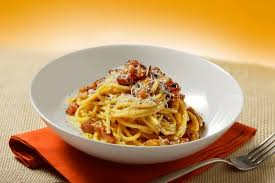
When it comes to serving carbonara, the presentation is almost as important as the flavor itself. An impressive dining experience begins with the visual appeal of the dish. Start by choosing the right plate; a shallow, wide bowl or a large plate works best to showcase the creamy sauce and pasta. This allows the ingredients to be spread out, enhancing both presentation and flavor perception.
When plating carbonara, it is crucial to achieve a balance with portioning. A standard serving size ranges from 80 to 120 grams of pasta per person, depending on the appetites of your guests. Use a fork to twirl a portion of pasta into a nest shape, placing it neatly in the center of the plate. This technique not only gives a beautiful visual but also helps to showcase the creaminess that characterizes carbonara. The rich sauce should coat the pasta lightly, creating an inviting sheen.
Garnishes can elevate the aesthetics of the dish significantly. A sprinkle of freshly cracked black pepper can enhance both flavor and appearance, while finely chopped fresh parsley adds a touch of color that contrasts nicely with the rich tones of the carbonara. Additionally, a sprinkle of grated Parmigiano-Reggiano cheese can introduce a layer of sophistication, emphasizing what makes carbonara creamy by accentuating its rich taste.
Finally, serve the dish immediately after plating, as carbonara is best enjoyed hot— the creaminess of the sauce is at its peak when freshly made. Accompany the dish with a slice of garlic bread or a simple side salad to create a well-rounded dining experience. By focusing on presentation alongside flavor, you can transform a simple carbonara into a visually stunning meal that delights the senses.
Frequently Asked Questions about Carbonara
Carbonara is a beloved Italian dish that has sparked numerous questions among culinary enthusiasts. One common query is regarding how to store leftovers. It is recommended to place any remaining carbonara in an airtight container and refrigerate it. Consumed within three days, the dish can still retain its enjoyable flavors, although the creamy texture may alter slightly due to refrigeration. To revive its original creaminess when reheating, a splash of water or a drizzle of olive oil can be added.
Another frequently asked question concerns the best type of pasta to use for carbonara. Traditionally, spaghetti is the most popular choice; however, bucatini, fettuccine, or even rigatoni can work equally well. The key factor is to select a pasta that has a shape capable of holding the creamy sauce effectively, allowing for a delightful dining experience that showcases what makes carbonara creamy.
Many are also curious about the feasibility of preparing carbonara in advance. While it is indeed possible, the dish is best served fresh to maintain its characteristic creamy texture. If you must prepare it ahead of time, consider cooking the pasta and sauce separately. This method allows you to combine them right before serving, ensuring that the sauce adheres smoothly to the pasta, thereby preserving the essence of creaminess that carbonara is known for.
Clarifying a prevalent misconception, many believe that heavy cream is essential for achieving the creamy consistency of carbonara. In fact, the richness of the sauce primarily arises from the emulsification of the pasta cooking water with the eggs and cheese. This traditional approach, rather than using heavy creams, embodies the authentic flavor profile that defines what makes carbonara creamy. Understanding these aspects equips readers with practical knowledge to elevate their carbonara skills.