Why Are My Chicken Drumsticks Bloody? 5 Reasons It’s Safe
The Backyard BBQ Panic
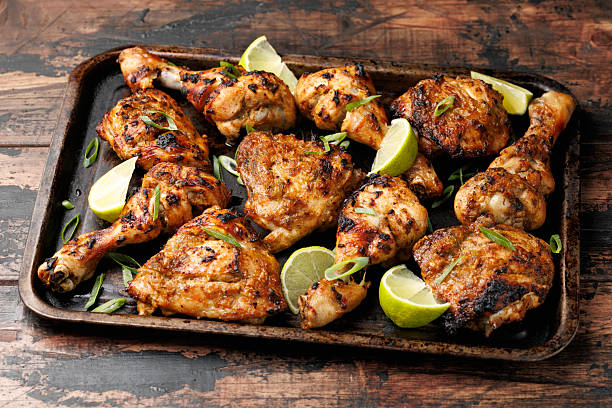
I can still picture the scene from my first big catering gig almost fifteen years ago. It was a summer barbecue, the grill was smoking, and I had just served a massive platter of glazed drumsticks. A guest took a bite, pulled the meat away from the bone, and immediately spat it out. “This is raw!” he shouted, pointing to a deep purple, almost blood-like stain right next to the bone.
My heart dropped. I grabbed my thermometer. It read 180°F—well over the safety limit. The chicken was fully cooked, but visually? It looked like a crime scene. That moment taught me that our eyes are often the worst tools for judging poultry safety. If you have ever stared at your dinner plate asking why are my chicken drumsticks bloody, take a deep breath. You likely haven’t undercooked anything.
That terrifying red liquid isn’t actually blood. It is a mix of biology and physics that happens even to the most seasoned chefs. Before you throw away perfectly good meat or ruin a batch of easy sweet and sour chicken by overcooking it into leather, let’s break down what is really happening inside that drumstick.
The “Blood” is Actually Pigment
First, let’s clear up the biggest misconception. The red fluid you see isn’t blood from the chicken’s veins. Almost all blood is removed during the slaughtering and processing phase. If it were actual blood, the meat would taste metallic and spoil rapidly.
What you are seeing is primarily myoglobin mixed with water. Myoglobin is a protein stored in muscle cells that delivers oxygen to the fibers. The more active the muscle, the more myoglobin it contains. Since chickens spend their lives standing and walking, their legs and thighs are loaded with this pigment. When cooked, myoglobin usually turns brown, but certain chemical reactions can keep it looking red or purple, tricking your brain into thinking the meat is raw.
The Young Chicken Phenomenon
Modern grocery store chickens are young—usually processed at just 6 to 8 weeks old. At this age, their bones have not fully calcified. They are porous and soft.
The bone marrow inside these young bones is purple and rich in pigment. When you cook the chicken, the heat causes the marrow to expand. Because the bone structure is so porous, that purple pigment seeps out through the bone and stains the surrounding meat and juices. According to food science data on chicken as food, this “marrow leaching” is purely cosmetic. It looks scary, but it tastes delicious and is completely safe.
The Freezer Factor
Did you buy your chicken frozen, or did you freeze it yourself? Freezing exacerbates the issue. When water inside the bone marrow freezes, it forms sharp ice crystals. These crystals puncture the cell walls of the marrow and the bone itself.
When you thaw and cook that bird, the pathway for the marrow pigment to escape is wide open. This is why frozen drumsticks are statistically more likely to have that “bloody” appearance near the joint than fresh ones. It is simply a sign of ice crystal damage, not undercooking.
Temperature vs. Color: The Only Metric That Matters
I cannot stress this enough: You cannot cook by color. If you keep cooking the drumstick until the purple bone stain turns grey, the meat will be dry, stringy, and inedible. You will have ruined dinner to fix a visual flaw.
Ignore the color. Trust your probe. You need an instant-read digital thermometer.
- Safe Zone: 165°F (74°C). At this temp, bacteria are dead.
- Ideal Zone for Thighs/Legs: 175°F – 185°F (80°C – 85°C). Dark meat has more connective tissue, which breaks down at higher temps, making it tender.
If your thermometer says 175°F, and the meat is pulling away from the bone, but the bone itself looks purple? Eat it. It is perfectly safe.
Strategies to Minimize the Staining
If the sight of the red bone really bothers you or your guests, there are a few culinary tricks to mitigate the “bloody” look without overcooking the meat.
1. The Deboning Method
The most effective solution is to remove the source of the pigment. Debone your thighs and drumsticks before cooking. Without the porous bone leaking marrow during the heating process, the meat will cook to a more uniform, appetizing grey-white color. Save those removed bones! They are packed with flavor and are the perfect foundation for a rich Chinese chicken broth recipe.
2. The Frenching Technique
If you want to keep the bone for presentation, try “Frenching” the drumstick. This involves cutting the tendons and skin around the ankle joint and pushing the meat down. While it doesn’t stop marrow leakage entirely, it changes the pressure inside the muscle during cooking and often reduces the concentration of the stain.
3. Acidic Marinades
Using a marinade with a lower pH (high acidity) can help denature the myoglobin before cooking. Ingredients like vinegar, citrus juice, or yogurt can help set the color, though this is less effective against deep marrow leakage than deboning.
What About the “Pink” Meat?
Sometimes it isn’t just the bone; the meat itself stays pink. This can happen due to pH levels or even the type of oven you use. Gas ovens produce small amounts of nitric oxide, which can react with the myoglobin to “fix” the pink color, similar to how smoke creates a pink ring on BBQ brisket.
Additionally, nitrates in your rub or marinade (often found in celery salt or certain vegetable powders) can keep the meat pink permanently, no matter how long you roast it. Again, asking why are my chicken drumsticks bloody or pink usually leads back to chemistry, not safety.
Salvaging the Meal
If you have served the chicken and your guests are looking at you with suspicion because of the color, explain the science. But if they are truly uncomfortable, don’t put the meat back in the oven to dry out. Instead, strip the meat from the bones.
Toss the meat quickly in a hot skillet with a savory glaze. Using a dark, rich liquid hides the discoloration. A quick pan sauce recipe with soy sauce or balsamic vinegar will mask the pink hue while adding moisture, saving the meal from being dry and tough.
Conclusion: Eat with Confidence
Modern cooking requires us to unlearn some of the “rules” our grandparents taught us. “Cook until the juices run clear” is a guideline, not a law. “Cook until there is no pink” is a recipe for bad chicken.
The next time you see that flash of deep red near the bone, don’t panic. It’s just a sign that you have a young, healthy bird and that you didn’t overcook it into oblivion. Grab your thermometer, verify the temp, and enjoy the juicy, flavorful meat that you worked hard to prepare.
Frequently Asked Questions
1. Is it safe to eat chicken if the bone is red?
Yes, absolutely. Provided the internal temperature of the meat has reached 165°F (74°C), the red color near the bone is just pigment from the marrow leaching out. It poses no health risk.
2. Does soaking chicken in saltwater remove the blood?
Brining (soaking in saltwater) helps season the meat and keep it moist, and it can draw out some residual myoglobin, potentially reducing the staining. However, it won’t eliminate marrow leakage from the bone during cooking.
3. Why do my frozen drumsticks look bloodier than fresh ones?
Freezing causes ice crystals to form, which puncture the porous bones of young chickens. This allows more marrow pigment to seep out into the meat when thawed and cooked compared to fresh chicken that hasn’t undergone that cellular damage.
4. Can I re-cook the chicken to get rid of the red color?
You can, but you shouldn’t. To turn that deep red pigment to grey, you often have to cook the chicken to internal temperatures approaching 200°F. At that point, the muscle fibers will be incredibly dry and tough.
5. What is the black stuff that comes out of chicken bones when frying?
That is also marrow! When frying, the intense heat forces the marrow out rapidly. If it hits the hot oil or surface, it cooks instantly and turns dark brown or black. It is unsightly, but edible and safe.